 By
By 
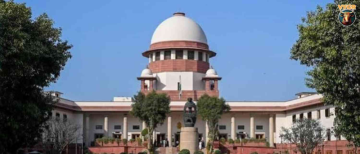
It was a hearing with two messages. On one hand, the Supreme Court agreed to look at a major challenge to the Election Commission’s Special Intensive Revision (SIR) of electoral rolls. On the other, the bench signalled that it also wants to hear an explanation from one of the people who brought the case.
What the court did on Thursday
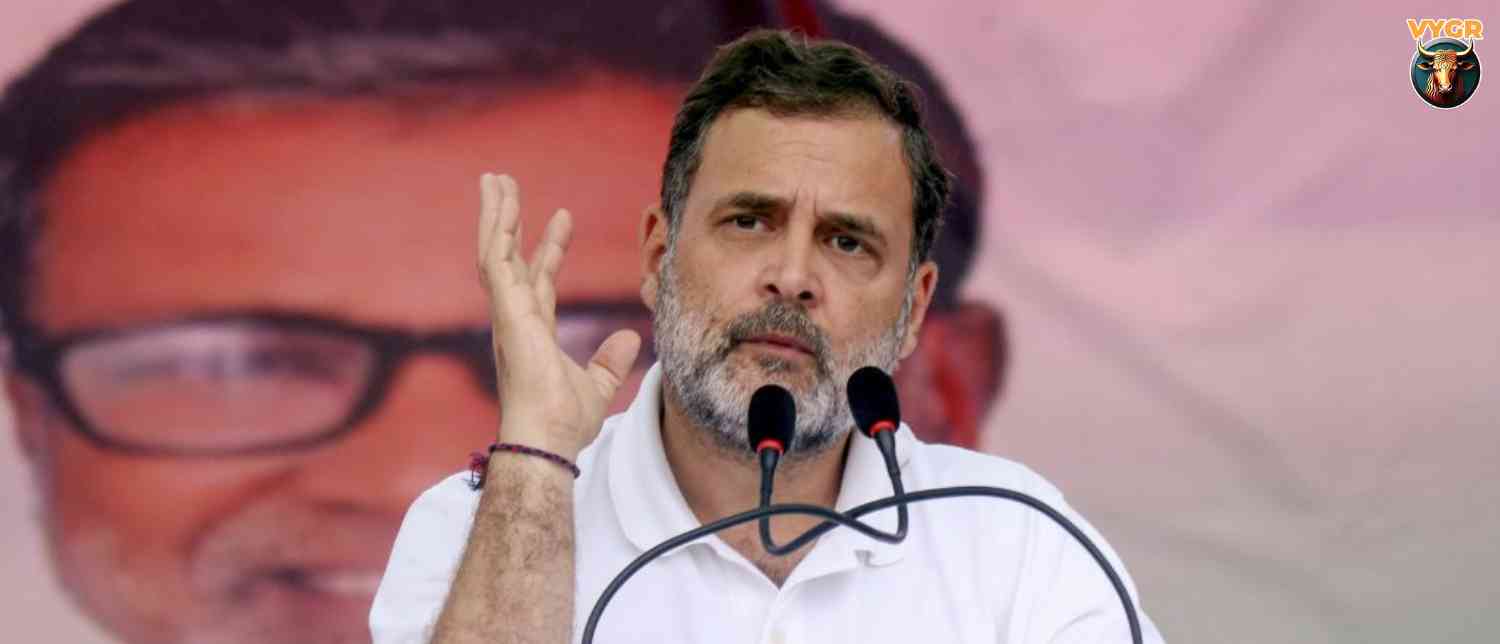
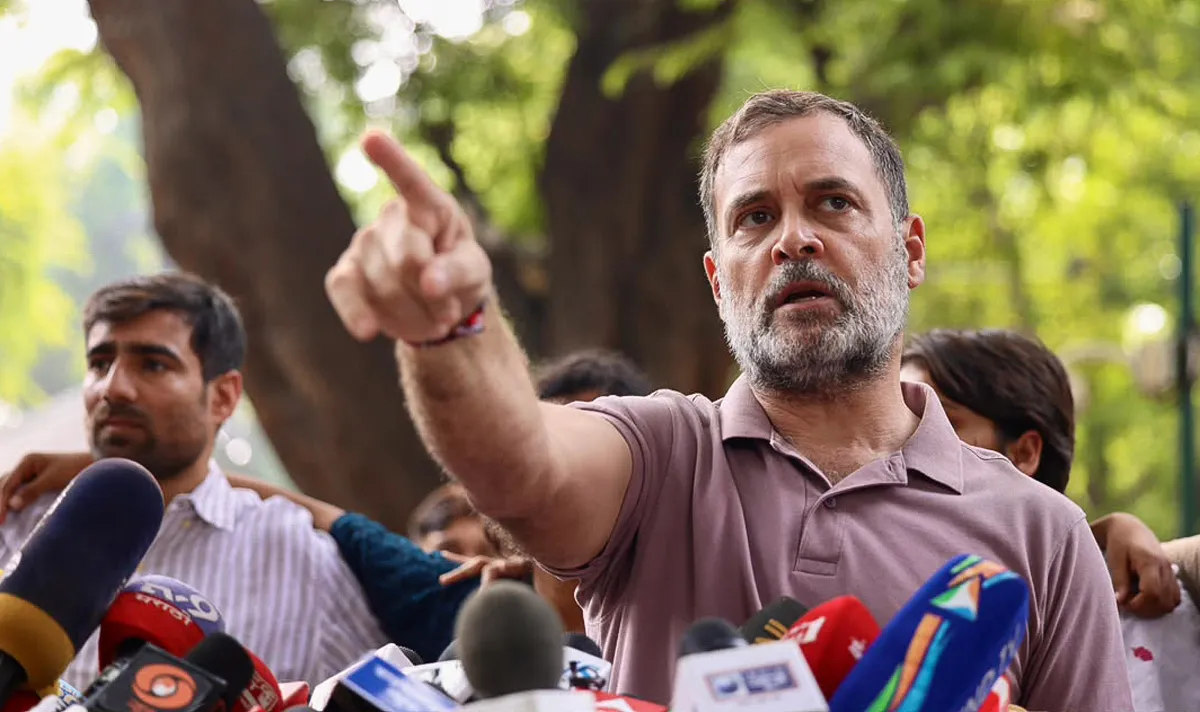
A bench of Chief Justice Surya Kant and Justice Joymalya Bagchi issued notice on the plea filed by Leader of the Opposition Rahul Gandhi and other INDIA bloc leaders challenging the Election Commission of India’s SIR decisions. While issuing notice, the bench said orally that it would also ask one of the petitioners about his conduct. In what we have seen, the court did not say in that remark which petitioner it meant, or what the conduct was, and we have not tried to guess.
What the petition asks for
The petition, registered as Writ Petition (Civil) No. 1351 of 2026 after being filed on 12 October, makes several requests. It asks the court to:
- Set up an independent committee, headed by a retired Supreme Court judge and assisted by technical experts and eminent citizens, to audit the deletions and modifications made during the SIR within a deadline.
- Direct that no voter’s name is removed without notice and a reasonable chance to be heard.
- Allow eligible people in Punjab and other states heading to polls to seek inclusion in the rolls until the last date allowed by law.
- Order the Election Commission to produce records of the disputed decisions, including files, minutes, notings and objections recorded by Election Commissioners, along with access logs of the ECINET and ERONET systems.
- Suspend the SIR across all states while the case is decided, and quash any decision taken without lawful authority.
The Election Commission, Chief Election Commissioner Gyanesh Kumar and Election Commissioners Sukhbir Singh Sandhu and Vivek Joshi are named as respondents. These are the petitioners’ claims, and the court has not decided any of them.
A much bigger batch
The Rahul Gandhi petition did not come alone. The bench was also hearing a wider group of petitions about the protests against the Chief Election Commissioner, the closure of metro stations and disruption of train services ahead of the 10 October agitation, the detention of lawyers and protesters, and the de-notification of Jantar Mantar as a protest site. One plea seeks contempt action against officials for allegedly violating the court’s 8 October order against blanket restrictions on metro, rail and public movement. Your report puts the total at around 32 petitions, including those by CPI(M) general secretary M A Baby, AIMIM chief Asaduddin Owaisi, senior advocate Menaka Guruswamy and RJD MP Manoj Kumar Jha. We could not independently confirm that count or the full list.
Earlier in the week, the court agreed to club the petitions for a joint hearing after accepting the Centre’s request for more time to file its responses.
How the case got to court
The path to Thursday’s hearing had a few turns. Rahul Gandhi and Mallikarjun Kharge had asked Chief Justice Surya Kant for a meeting to hand over a memorandum. He declined, writing that convening a meeting on matters already before the court would contravene the separation of powers and be incompatible with established ethics and judicial propriety, and assured early listing if a petition was filed. The Opposition leaders then marched to the court on Monday and filed their petition. On Tuesday it was not listed because the court registry’s objections had not yet been cured, and the bench said it would be listed once they were.
What the Election Commission and the Centre have said
We have not seen the Election Commission’s reply to the petition, which is expected after the notice, and we have not seen a response from the Centre beyond its request for more time. The Commission and its supporters have maintained that the SIR is a lawful exercise, and 42 former judges backed that view in an open letter last week.
Why the “conduct” remark matters
The bench’s remark is the part of the hearing that is hardest to read, and the one that will draw the most attention. It suggests the court wants an explanation on some matter connected with a petitioner’s behaviour, perhaps around the protests, but the reports we reviewed do not say. Until the court spells it out or the order is uploaded, any detail would be speculation.
What happens next
The Election Commission and other respondents now have to respond to the notice. We have not found a confirmed date for the next hearing of the Rahul Gandhi petition, though one report says similar SIR matters are due before the court on Tuesday.