
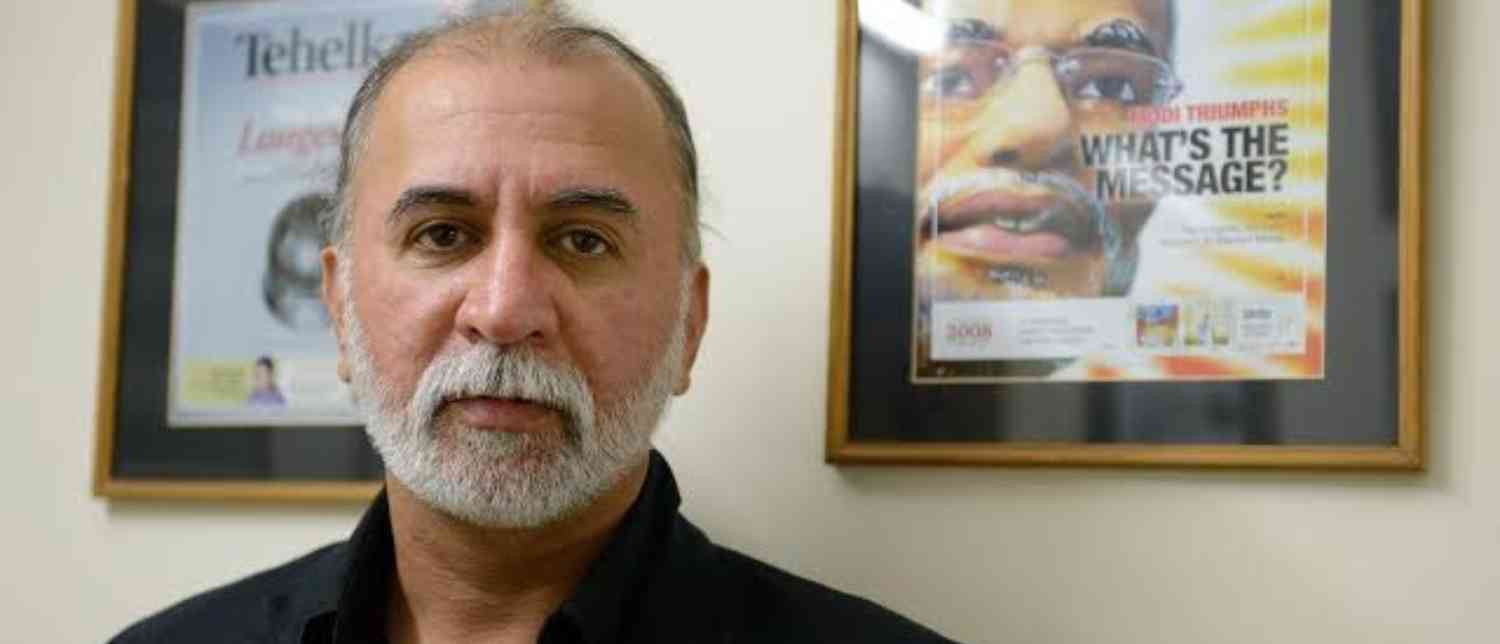
 By
By 
Mumbai, August 6: In a major development in one of India's longest-running and most closely watched sexual assault cases, the Bombay High Court on Thursday sentenced former Tehelka editor-in-chief Tarun Tejpal to 10 years of rigorous imprisonment after overturning his acquittal in the 2013 rape case involving a former junior colleague. The judgment marks a significant turning point in a legal battle that has spanned nearly 13 years and has had far-reaching implications for workplace sexual misconduct cases and the criminal justice system.
Along with the prison sentence, the High Court imposed a fine of ₹10.21 lakh, directing that the amount be paid to the survivor as compensation. The court held that the Goa trial court had committed serious errors in appreciating evidence and had relied on flawed assumptions while acquitting Tejpal in 2021.
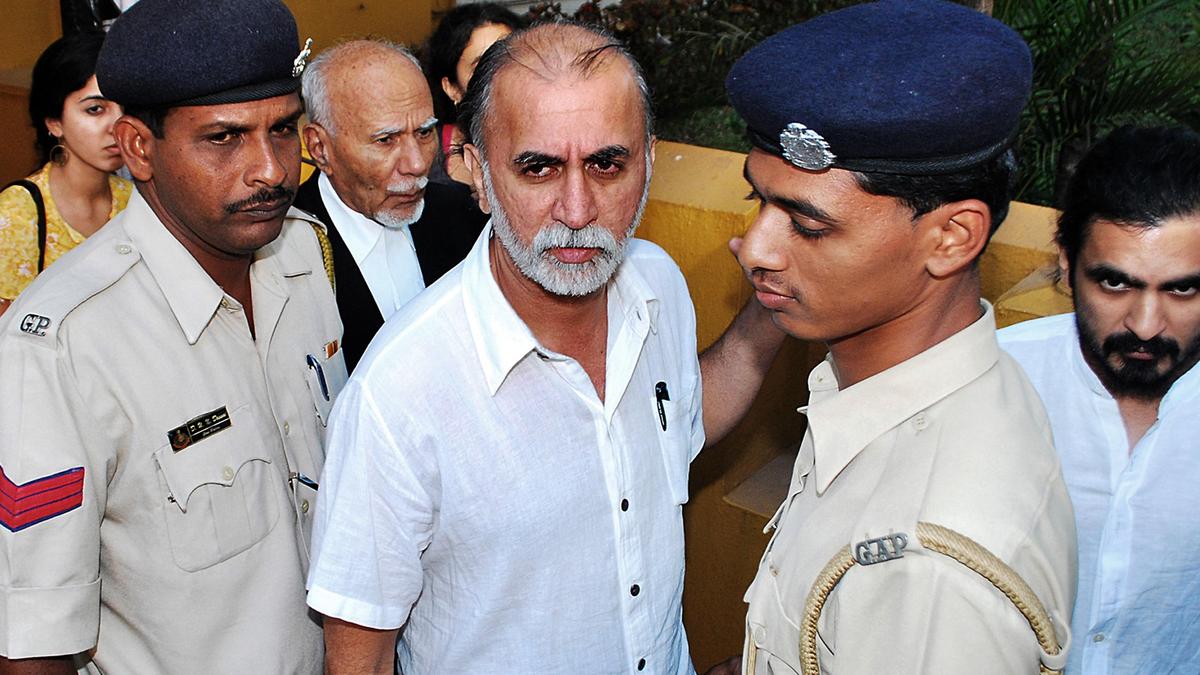
A Case That Began in 2013
The case dates back to November 2013, when a woman journalist working with Tehelka accused then editor-in-chief Tarun Tejpal of sexually assaulting her inside a hotel elevator during the publication's THiNK Fest event at a luxury hotel in Goa.
According to the prosecution, the alleged assault occurred on two occasions in the hotel lift over two consecutive days. The survivor later filed a complaint detailing the incidents, prompting the Goa Police to register a case against Tejpal under multiple provisions of the Indian Penal Code, including rape.
Tejpal consistently denied the allegations throughout the investigation and trial, maintaining that the encounter was consensual and challenging the prosecution's version of events.
Legal Journey: Arrest, Acquittal and Appeal
Following the allegations, Tejpal resigned as editor of Tehelka and was arrested by Goa Police in November 2013. He remained in custody for several months before being granted bail by the Supreme Court in 2014.
The trial, however, progressed slowly and concluded only in 2021, when a Goa Sessions Court acquitted Tejpal of all charges. The trial court's judgment drew widespread criticism from legal experts and women's rights groups, with concerns raised over the reasoning adopted while evaluating the survivor's testimony and conduct.
The Goa government subsequently challenged the acquittal before the Bombay High Court, arguing that the trial court had ignored crucial evidence and had adopted an erroneous legal approach.
Bombay High Court Reverses the Acquittal
Allowing the Goa government's appeal, the Bombay High Court concluded that the 2021 acquittal could not be sustained. The court found that the trial judge had failed to properly appreciate the evidence placed on record and had reached conclusions that were inconsistent with established legal principles governing sexual assault cases.
The High Court described the earlier acquittal as legally unsound and held that the survivor's testimony was credible and sufficiently corroborated by other evidence, including electronic records and contemporaneous communications.
The court also relied on apology emails sent by Tejpal after the incident, observing that these communications assumed considerable evidentiary significance in understanding the sequence of events. CCTV footage, though not capturing the alleged assault inside the elevator, was also considered relevant in corroborating the movement and timeline presented by the prosecution.
Court Rejects the "Perfect Victim" Stereotype
One of the most significant aspects of the High Court's judgment was its criticism of stereotypical assumptions regarding how survivors of sexual assault are expected to behave.
The court observed that there is no universal or "ideal" response to trauma and that survivors cannot be judged against preconceived notions of how a victim should react before, during or after an assault. It emphasized that trauma manifests differently in different individuals and that courts must avoid drawing adverse inferences merely because a survivor's conduct does not conform to societal expectations.
The judgment further criticized attempts to question the survivor's credibility based on her behaviour after the incident, noting that such reasoning reflects outdated stereotypes rather than sound legal principles.
Trial Court's Approach Comes Under Scrutiny
The High Court also found fault with several aspects of the trial court's reasoning, observing that it had disproportionately focused on the complainant's conduct while overlooking the broader evidentiary record.
According to the judgment, the trial court failed to evaluate the evidence holistically and instead adopted an approach that unfairly subjected the survivor to heightened scrutiny. The High Court held that this resulted in a miscarriage of justice, necessitating appellate intervention.
The court also highlighted the imbalance of power between Tejpal and the complainant, noting that he occupied a position of authority as editor-in-chief while the survivor was his junior colleague. This professional hierarchy formed an important contextual factor while assessing issues relating to consent and workplace dynamics.
Sentence and Compensation
After recording the conviction, the Bombay High Court sentenced Tejpal to 10 years of rigorous imprisonment.
Besides the prison term, the court imposed a fine of ₹10.21 lakh and directed that the compensation be paid to the survivor.
Reports indicate that Tejpal has been granted limited time to surrender before the authorities. He has also indicated that he intends to challenge the High Court's verdict before the Supreme Court.
Why the Verdict Matters
Legal experts believe the judgment could have implications beyond the Tejpal case. By rejecting the concept of the "perfect victim" and reaffirming that survivor testimony must be assessed without stereotypes, the High Court has reinforced important principles governing the adjudication of sexual offence cases.
The ruling also underscores the responsibility of trial courts to evaluate evidence objectively rather than relying on assumptions about human behaviour in traumatic situations.
Coming more than a decade after the alleged incident, the verdict demonstrates how appellate courts can revisit acquittals where significant legal or evidentiary errors are found in the original judgment. It is also likely to be cited in future cases dealing with workplace sexual harassment, consent, and the evaluation of survivor testimony.
What Lies Ahead
Although the High Court has now convicted and sentenced Tejpal, the legal process is not necessarily over. The former journalist has indicated that he will appeal the verdict before the Supreme Court, which will decide whether to admit the appeal and examine the High Court's findings.
For now, however, the Bombay High Court's decision represents the most significant judicial development in the case since the allegations first emerged in 2013. It reverses the earlier acquittal, holds Tejpal guilty of rape, and reiterates that courts must evaluate sexual assault cases free from stereotypes, myths and preconceived notions about survivor behaviour.
The verdict closes one chapter in a case that has shaped conversations around workplace power dynamics, accountability and the treatment of survivors within India's criminal justice system, while opening another as the matter is expected to move to the country's highest court.
With input from agencies
Image Source: Multiple agencies
© Copyright 2026. All Rights Reserved. Powered by Vygr Media.