 By
By 
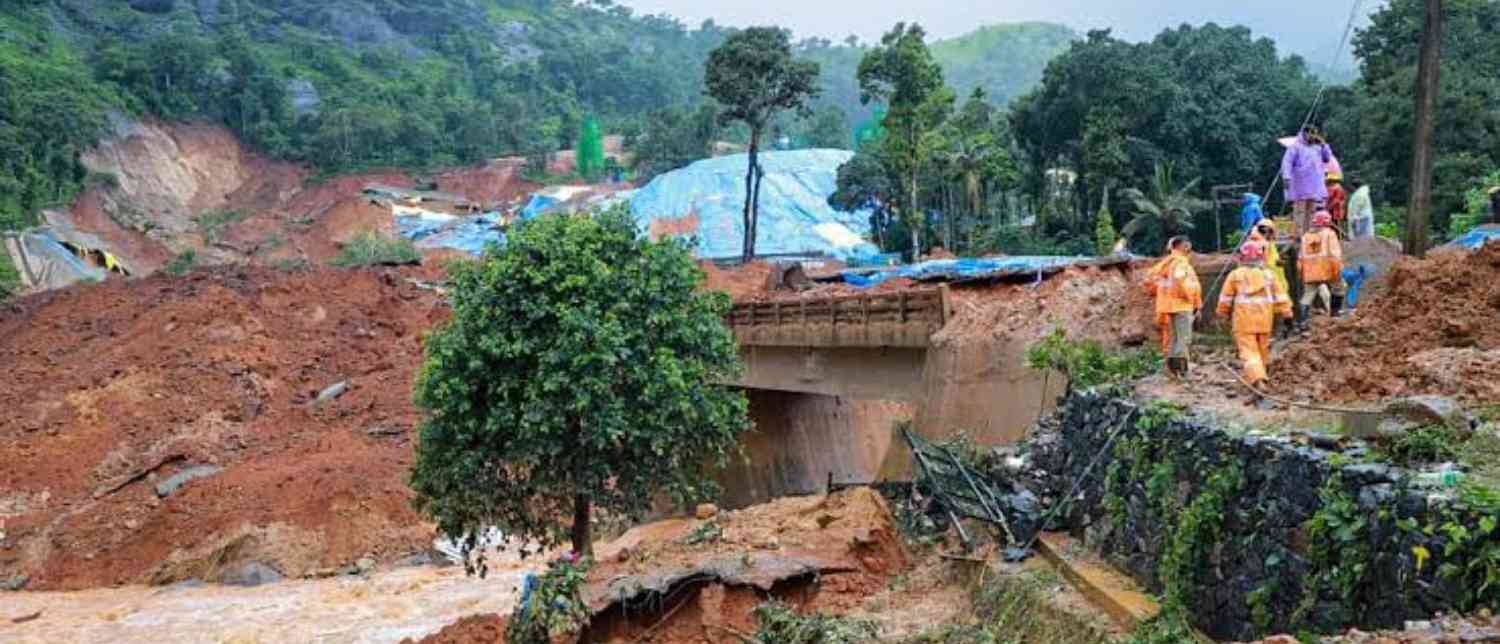
A devastating landslide at the twin tunnel road project site in Kerala's Wayanad district has once again thrust the ecologically fragile hill region into the national spotlight. The disaster, which struck amid intense monsoon rainfall near Meppadi's Kalladi area, claimed multiple lives, left several workers missing, and triggered a massive rescue operation involving state agencies and disaster response teams.
While authorities continue search and rescue efforts, the incident has also reignited a wider debate over whether repeated warnings regarding the project's environmental risks and construction practices were overlooked. The tragedy has become more than just another weather-related disaster—it is now at the centre of an escalating dispute over accountability, engineering standards, and development in one of India's most landslide-prone regions.
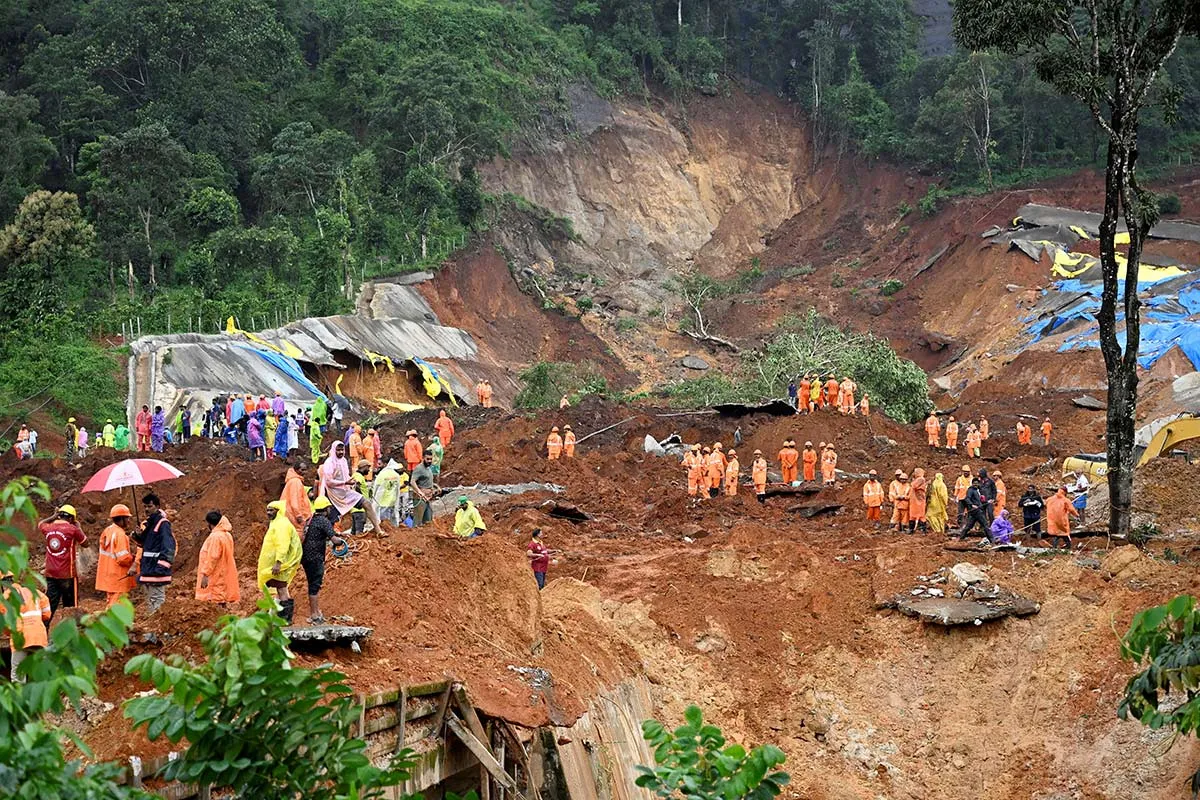
Multiple casualties as rescue operations continue
The landslide occurred at the under-construction tunnel road project connecting Kozhikode and Wayanad after relentless rainfall destabilised the hillside. Huge volumes of mud, rocks and construction debris crashed onto the worksite, trapping workers and damaging machinery.
Initial reports indicated that several labourers were buried under the debris, while many others sustained injuries. As rescue operations progressed through the day, authorities confirmed multiple fatalities, with several workers still reported missing. Heavy rain, unstable terrain and recurring mudslides significantly hampered rescue efforts, forcing teams to proceed cautiously.
Personnel from the National Disaster Response Force (NDRF), Fire and Rescue Services, police, local volunteers and district authorities were deployed to clear debris using excavators and specialised equipment. Emergency medical teams remained stationed nearby to treat rescued workers.
Visuals from the site showed enormous piles of earth engulfing portions of the construction area, while CCTV footage circulating online captured the moment the landslide swept through the project zone, carrying away vehicles and equipment within seconds.
Contractor attributes incident to unprecedented rainfall
Infrastructure company Dilip Buildcon, one of the firms involved in executing the project, has denied allegations of technical failures at the construction site.
According to the company, there was "no technical lapse" in the execution of the tunnel project. It maintained that exceptionally heavy rainfall triggered the slope failure and that the incident was an unavoidable natural event rather than the consequence of construction deficiencies.
The company stated that all prescribed engineering procedures and safety norms had been followed. It also emphasised that work at the site had been conducted in accordance with approved technical standards and that rescue operations were being fully supported by project authorities.
Kerala government points to possible negligence
The contractor's explanation, however, has been challenged by sections of the Kerala government and political leaders, who argue that human factors may have significantly contributed to the disaster.
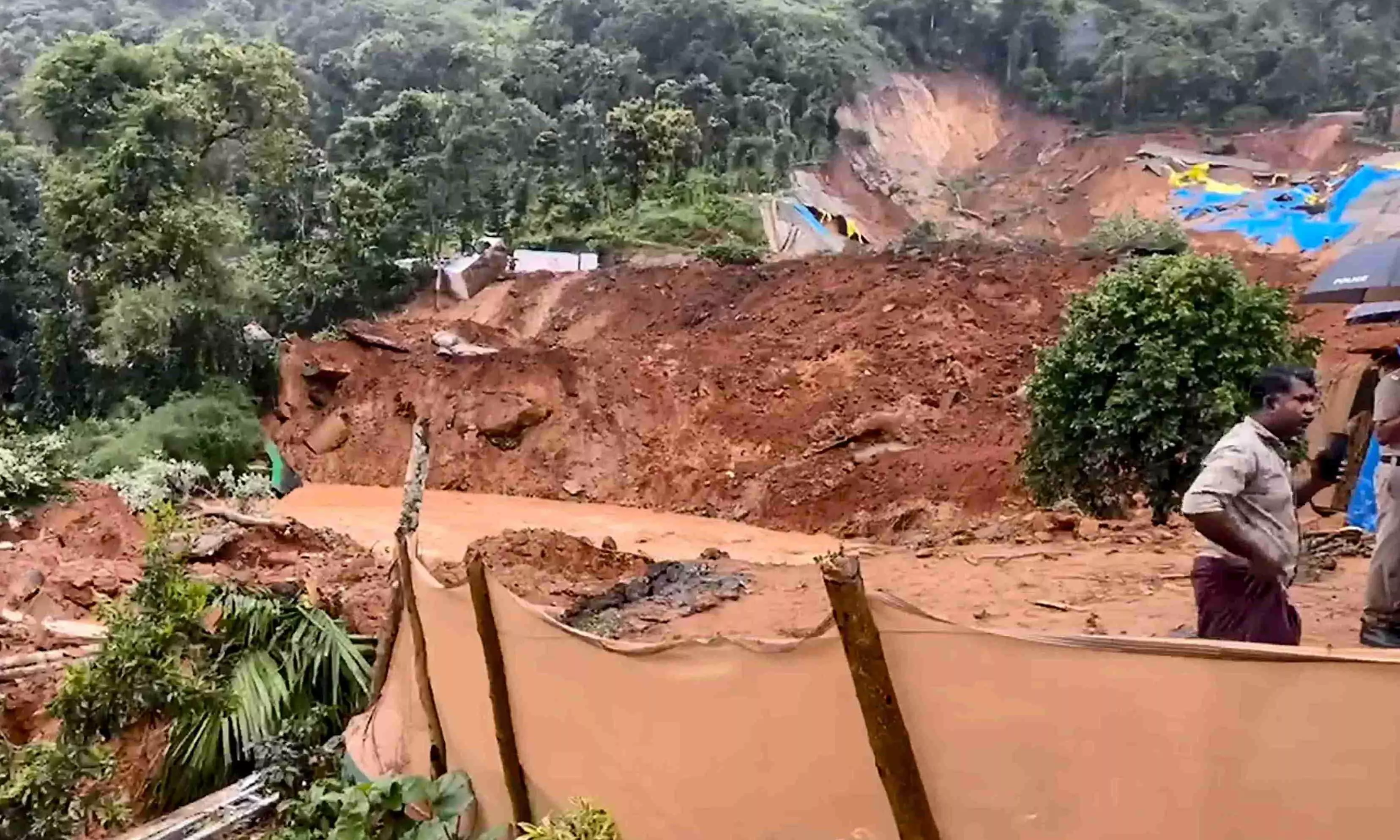
Several leaders described the incident as a "man-made disaster," alleging that excavated earth from tunnel construction had been dumped in an unscientific manner near vulnerable slopes. According to them, continuous rainfall caused these accumulated soil mounds to become unstable before collapsing onto the worksite.
Officials have also questioned whether adequate preventive measures were implemented despite repeated monsoon warnings and the known geological sensitivity of the region. Calls for an independent investigation into the incident have grown louder, with demands to determine whether environmental and safety guidelines were ignored.
Earlier warnings had already raised red flags
Even before the latest tragedy, concerns had been repeatedly expressed about the twin tunnel project.
Environmental experts, local residents and activists had questioned the safety of executing such a large infrastructure project in the fragile Western Ghats landscape. Reports had highlighted issues ranging from excavation methods and disposal of debris to the stability of surrounding slopes during the monsoon season.
According to previous assessments referenced by multiple reports, experts had warned that dumping excavated material without adequate slope management could increase landslide risks, particularly during periods of intense rainfall.
Critics now argue that these warnings assumed greater significance after the catastrophic 2024 Wayanad landslides, which had already exposed the district's extreme vulnerability to weather-triggered disasters. The latest incident has renewed demands for stricter geological assessments, continuous monitoring and independent environmental oversight for major infrastructure projects in ecologically sensitive areas.
Project designed to transform connectivity
The Kozhikode-Wayanad twin tunnel project has been promoted as one of Kerala's most ambitious infrastructure initiatives.
Designed to provide a faster alternative to the accident-prone Thamarassery Ghat Road, the tunnel aims to significantly reduce travel time between Kozhikode and Wayanad while improving connectivity for tourism, trade and freight movement.
Supporters of the project argue that the tunnel could ease chronic traffic congestion and provide a safer all-weather route, especially during periods when the existing ghat road faces disruptions due to landslides or accidents.
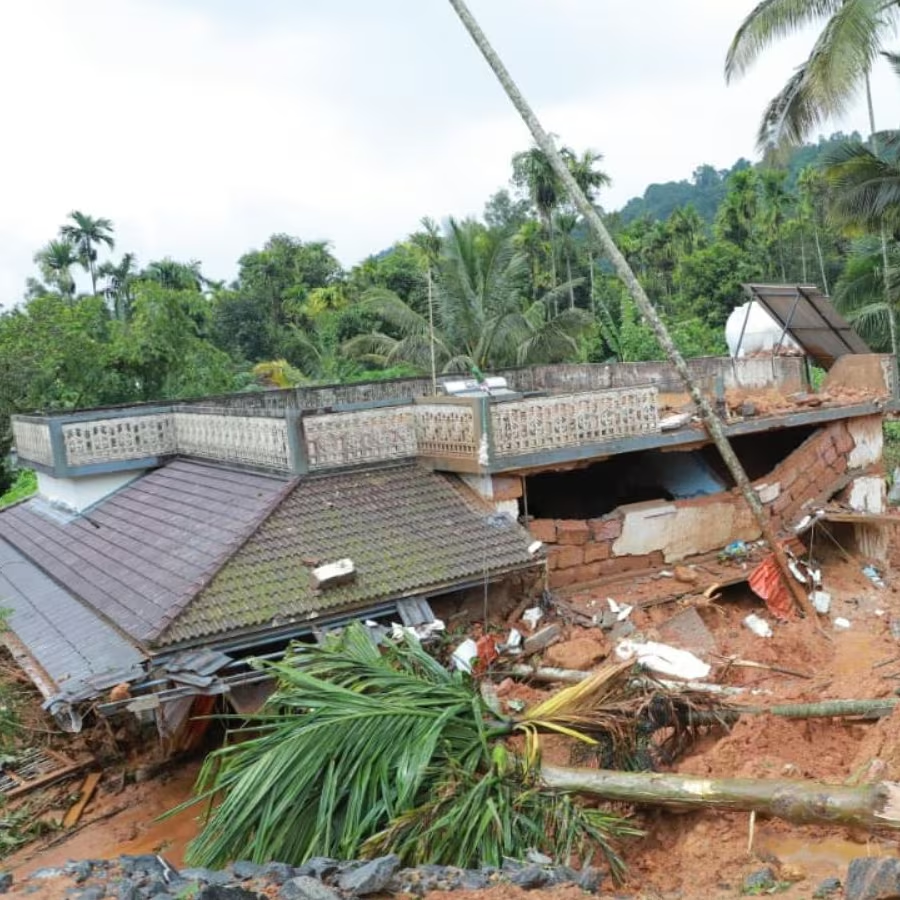
However, the latest disaster has intensified scrutiny over balancing infrastructure development with ecological sustainability in the Western Ghats, a region already recognised for its fragile geology and recurring landslide risks.
Heavy rainfall created dangerous conditions
Meteorological conditions played a significant role in the disaster.
The region experienced extremely heavy monsoon rainfall over a short period, saturating already unstable slopes. Experts note that prolonged rainfall increases pore water pressure within soil layers, reducing slope stability and making landslides far more likely.
Authorities also warned of the possibility of additional slope failures around the construction site, forcing rescue teams to continuously reassess operational safety while searching for missing workers.
Although intense rainfall is considered the immediate trigger, experts often caution that natural hazards become significantly more dangerous when combined with slope modification, excavation and improper disposal of construction debris.
Fresh political debate over accountability
The tragedy has rapidly evolved into a political issue, with opposition leaders demanding accountability for what they describe as preventable deaths.
Questions are now being raised over project approvals, environmental clearances, compliance with safety protocols and monitoring of excavation activities. Political leaders have urged the state government to conduct a comprehensive inquiry into whether contractors, supervising agencies or regulatory authorities failed to act on earlier warnings.
The incident has also revived memories of the devastating 2024 Wayanad landslides, one of Kerala's deadliest natural disasters, prompting renewed discussions about land-use planning, climate resilience and construction practices across the Western Ghats.
Larger questions remain unanswered
As rescue teams continue searching for missing workers, attention is gradually shifting from emergency response to long-term accountability.
Investigators will likely examine whether engineering practices at the tunnel project complied with prescribed standards, whether slope stability assessments were regularly updated during construction, and whether warning signs were adequately addressed before work continued through the monsoon.
The contractor maintains that the disaster resulted solely from extraordinary rainfall. Government representatives and critics, meanwhile, insist that construction practices and debris management deserve equal scrutiny.
The findings of any official inquiry are expected to influence not only the future of the Wayanad tunnel project but also how large-scale infrastructure is planned and executed across environmentally sensitive regions of India.
For a district still recovering from the scars of previous landslides, the latest tragedy serves as another painful reminder that development in fragile mountain ecosystems demands rigorous planning, scientific oversight and uncompromising safety standards. As families await news of missing workers and investigators begin piecing together what went wrong, the Wayanad landslide has once again underscored the high human cost when nature and infrastructure collide.
With inputs from agencies
Image Source: Multiple agencies
© Copyright 2026. All Rights Reserved. Powered by Vygr Media.