 By

If you were hoping the end of farm fire season would finally bring Delhi some breathing room, brace yourself. The smoke from crop burning in neighbouring states is fading, but the Capital’s air is not expected to improve. Traffic and local pollution sources are set to push the Air Quality Index (AQI) higher. Across the wider National Capital Region, the air is already doing worse than in Delhi itself.
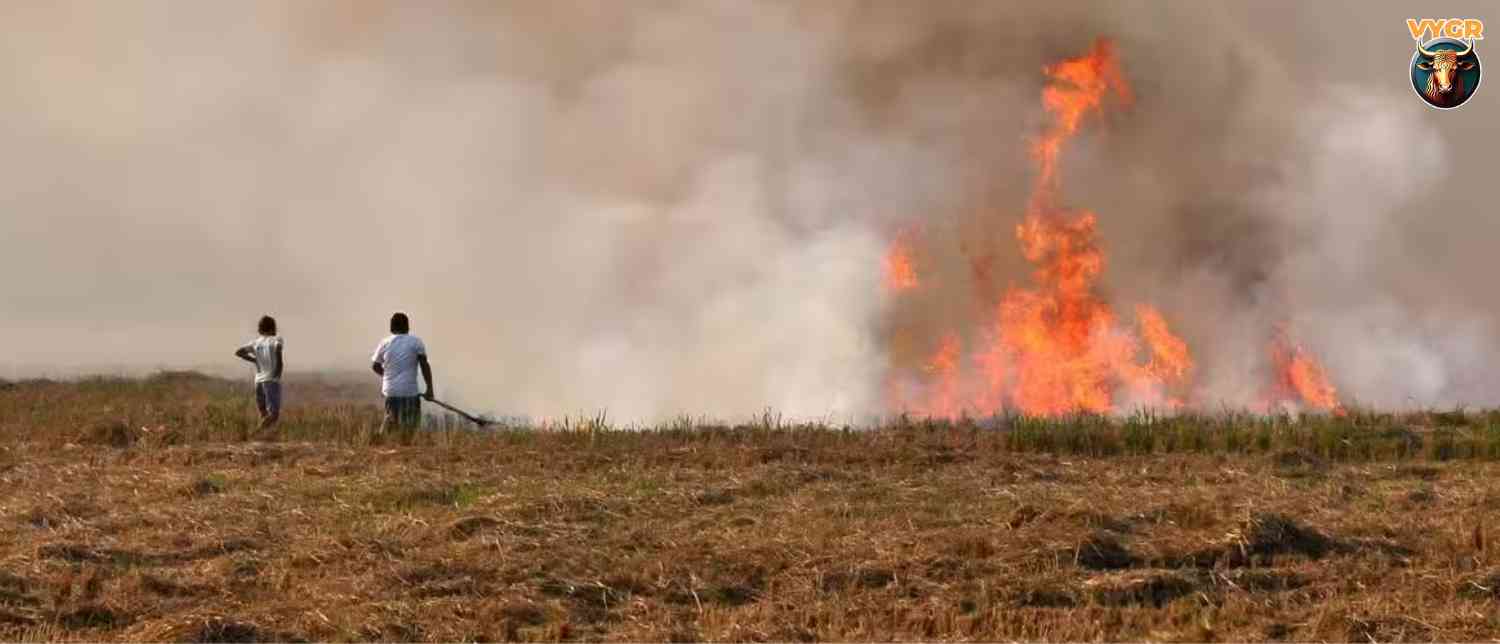
The Farm Fire Story Is Winding Down
Every year, as paddy harvesting wraps up, the burning of crop residue in Punjab and Haryana becomes the first thing people blame for Delhi’s smog. This year, that season is now drawing to a close.
You might expect that to translate into cleaner air. It rarely does. Even on days when farm fires were at their peak, they were only one slice of a much bigger pie. In early November, when Delhi’s AQI touched 382 and Stage III of the Graded Response Action Plan (GRAP) was brought in, smoke from farm fires made up only around 8 per cent of the city’s fine particulate matter. The bulk of the problem came from elsewhere.
So What Is Really Choking the Capital?
The honest answer is that Delhi’s air is being shaped by everyday life, every single day.
- Vehicles: Millions of cars, two-wheelers, trucks and buses keep the roads packed from early morning to late at night. Vehicles remain the largest contributor among the city’s local pollution sources.
- Construction dust: Building activity across the city and its surroundings throws fine dust into the air continuously.
- Industrial emissions: Factories and industrial clusters across the region add their share.
- Waste burning: Garbage fires, whether at dumpsites or in neighbourhood corners, release harmful smoke.
- Domestic fuel use: Many households, especially in colder months, burn solid fuels for cooking and heating.
None of these switches off when the farm fire season ends. In fact, as the weather turns colder, they matter more.
Why Winter Makes Everything Worse
There is a reason pollution seems to spike just as temperatures fall. Winter air behaves differently.
When it gets colder, the layer of air close to the ground becomes shallow and heavy. Winds slow down or nearly stop. Pollutants that would normally rise and disperse stay trapped near the surface, where we breathe them in.
That means the same amount of traffic exhaust, construction dust and smoke does far more damage in December than it would in July. The pollutants released during the morning and evening rush hours can hang around for hours, building up through the day and lingering well into the night.
NCR Is Doing Even Worse Than Delhi
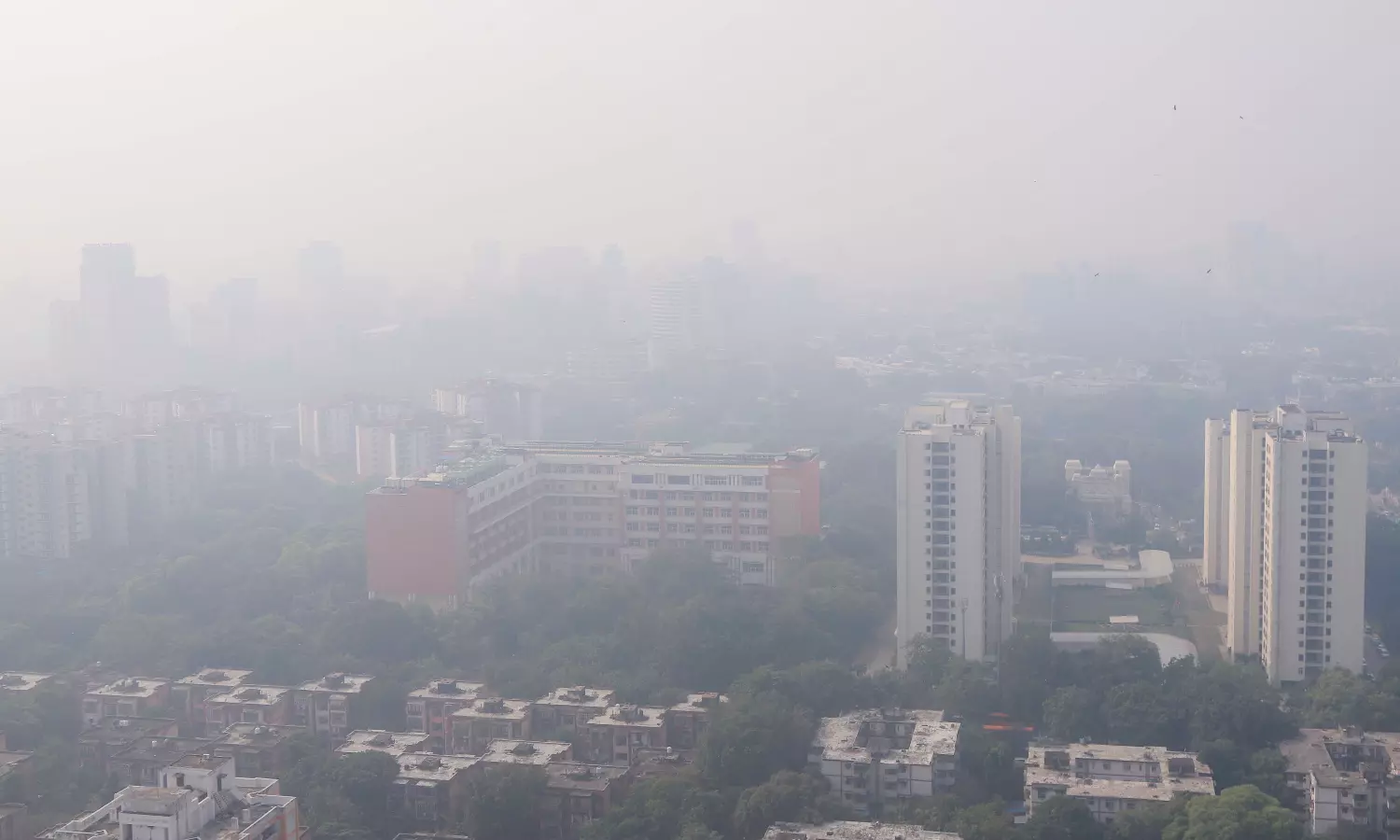
One of the most telling details in the current air quality picture is that the wider NCR is breathing worse air than the Capital itself. Towns and cities around Delhi are recording higher pollution levels than central Delhi.
This matters for a simple reason. It shows that Delhi’s pollution problem is not confined by the city’s borders. Air does not respect state lines, and neither does smoke, dust or exhaust.
In the first week of November, for example, pollution transported from neighbouring NCR districts accounted for more than half of Delhi’s fine particulate matter. Sources inside Delhi contributed only about a third. When the surrounding region has a high baseline of emissions, even strict action inside Delhi can only do so much.
The broader NCR includes some of the country’s busiest and fastest-growing urban areas. Dense traffic, new construction, industrial belts and growing populations all feed the same shared airshed. The fact that these areas often record worse air than Delhi shows how deeply the problem runs across the entire region.
Why the Emergency Measures Haven’t Been Enough
Every winter, authorities bring in restrictions under GRAP, including limits on construction, curbs on certain vehicles and other emergency steps. These measures can help prevent the worst spikes. But they are designed as short-term responses to a crisis, not long-term cures.
When the underlying baseline of emissions stays high all year round, emergency curbs can only trim the peaks. They cannot lower the floor. Early traffic restrictions this season did little to ease congestion on weekdays, which suggests that stopping some vehicles on some days is not the same as reducing overall vehicle dependence.
What Residents Should Do Right Now
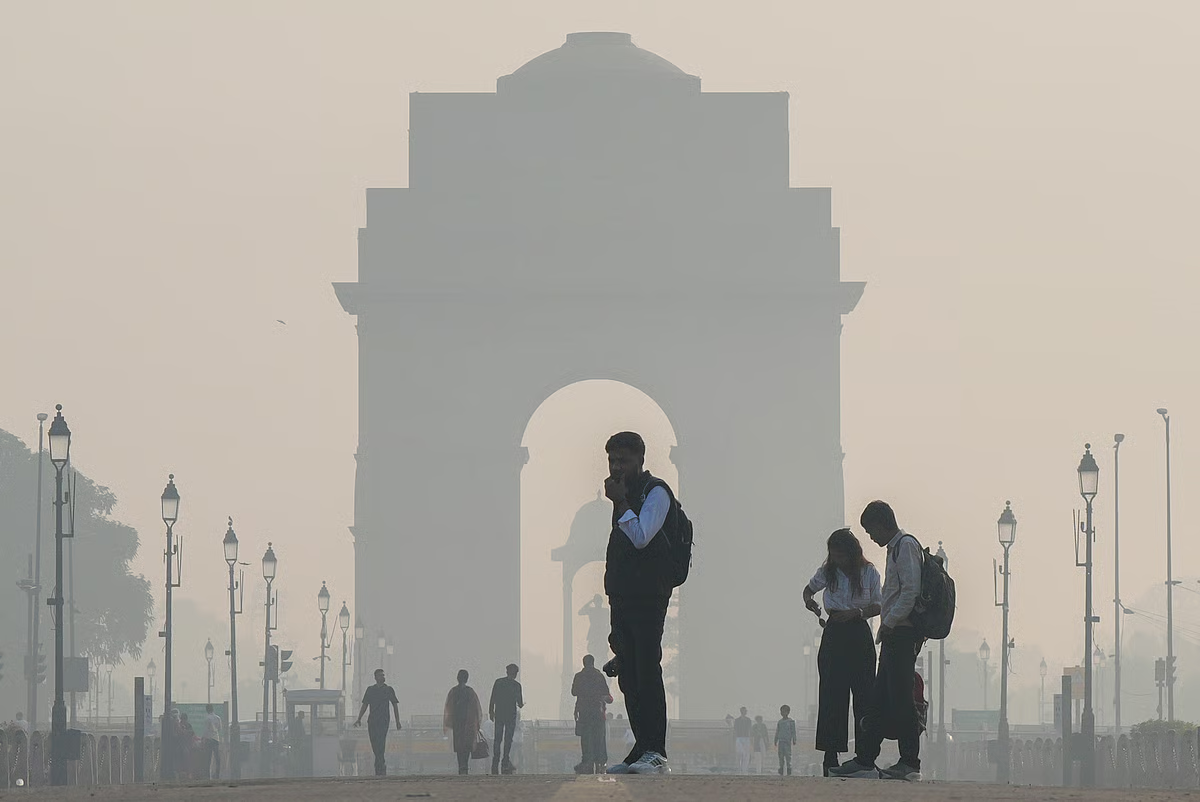
While the larger fixes depend on policy, there are practical steps you can take to protect yourself and your family.
- Check the AQI before heading out. Plan outdoor exercise and school activities for the hours when the air is cleaner, usually the afternoon.
- Wear a well-fitted N95 or equivalent mask if you must be outdoors on a heavily polluted day.
- Keep windows closed during peak traffic hours and use an air purifier indoors if you can.
- Protect children, older adults and anyone with asthma or heart conditions. They are the most vulnerable, so limit their time outside.
- Cut your own emissions. Carpool, use public transport, avoid idling your engine, and never burn garbage or leaves.
- Watch for symptoms such as persistent cough, burning eyes, breathlessness or chest discomfort, and see a doctor if they continue.
The Bigger Lesson
The end of farm fire season offers a useful reality check. For years, stubble burning has been the convenient explanation for Delhi’s winter smog, because it points to a problem somewhere else. But when the fires fade and the air stays bad, the explanation no longer holds.
The real challenge is closer to home. It lives in how we travel, how we build, how we manage waste and what fuels we burn. Fixing it will require sustained, year-round action across the entire region, not just a scramble when the AQI turns red.
Final Word
Delhi’s air is unlikely to get a break just because the farm fires are ending. With traffic and local emissions building up and cold, still winter air trapping everything close to the ground, the AQI could climb even higher in the coming weeks. With the wider NCR doing worse than the Capital, this is clearly a regional problem that needs a regional solution.
© Copyright 2026. All Rights Reserved. Powered by Vygr Media.