 By

A week of rising oil prices ended with a surprise from Washington. President Donald Trump has waived key sanctions and tariffs on Russia, and traders responded by taking a little air out of crude. But with the US-Iran standoff still unresolved, the relief looks modest and fragile.
What Trump did
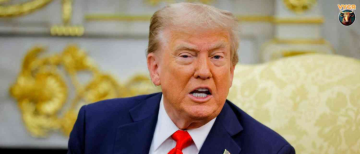
On Friday, 16 October, Trump signed an executive order waiving key sanctions and tariffs under the Graham Act, the law he signed in September at the urging of lawmakers who wanted to pressure Moscow over its war in Ukraine. The measures were due to take effect on 18 October. Trump also waived the proposed tariffs on countries that import oil from Russia. He said the waiver was in the national interests of the United States.
Why he says he did it
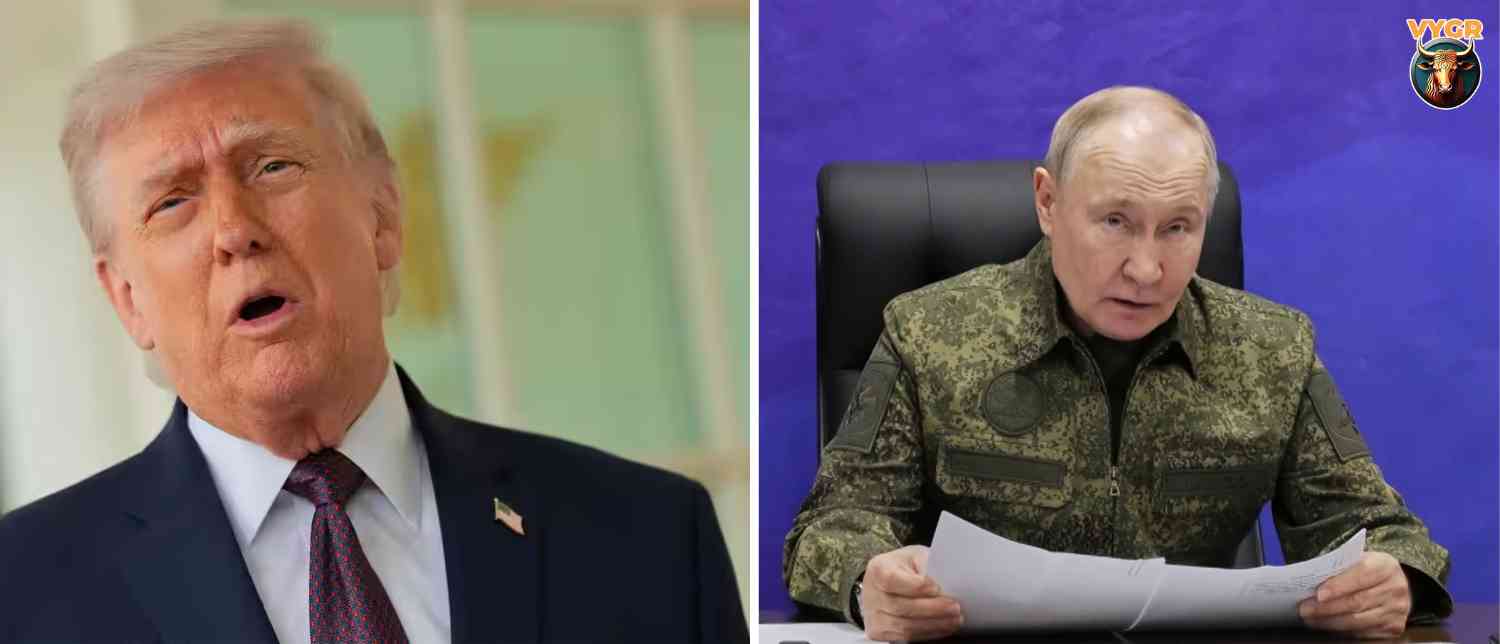
Trump has linked the move to his efforts to secure a peace deal between Russia and Ukraine, and said he does not want to do anything that would, in his words, foolishly drive Russia away from the bargaining table. It follows a diesel deal he struck with Russian President Vladimir Putin a week earlier, under which Russia is to supply the US with diesel. Reports put the first shipment at over 300,000 metric tons, with more planned, though analysts doubt those volumes will meaningfully change global fuel markets.
Secretary of State Marco Rubio said on Saturday that the president would take up to 60 days to assess the economic impact of waiving the sanctions and tariffs. The decision drew criticism from Ukrainian President Volodymyr Zelenskyy and from US Senator Ted Cruz.
How oil reacted
Brent crude futures fell $1.43, or about 1.3%, to $108.43 a barrel in early Asian trade on Monday. US West Texas Intermediate dipped about half a percent to around $100.88. The slide followed a strong run: Brent had briefly touched $110 on Friday for the first time since May, settled at its highest since 19 May, and gained nearly 5% over the week.
So the market’s logic is simple. More Russian fuel exports could mean more supply, and more supply eases prices. But the fall is small against the week’s gains, and prices remain near the highest in months.
What is holding prices up
The bigger force on the market is still the Middle East. The US standoff with Iran continues to disrupt supplies from the region, and attacks on tankers have raised concerns about shipping safety. Saudi Arabia and Yemen’s Iran-backed Houthis have also kept clashing, further threatening supplies. Iran has warned of an “unpredictable” response to any new US attacks. Trump has said the Iran war could end after the US midterm elections next month, though that is a prediction and not a plan.
Why it matters for India
India is one of Russia’s biggest oil customers. Russia supplied about 44% of India’s oil imports in August, down from a record in July. The tariffs that Trump waived would have hit countries that import Russian oil, so the decision removes one source of pressure that India had been facing, at least for now. Because the waiver is under review for up to 60 days, it is not clear how lasting that relief is. Lower global prices would also help India’s import bill, which is why the oil market’s direction matters to Indian refiners, the government and consumers.
We are not suggesting that Indian fuel prices will change as a result of this move. Domestic prices depend on many factors beyond the global crude price.
What we don’t know
Key uncertainties remain: how much additional Russian fuel will actually reach the market, whether the waiver will be extended or reversed after the review, and how the Iran standoff develops. The waiver’s effect on the Russia-Ukraine talks is also unclear, and Kyiv has been critical.
What happens next
Watch for the outcome of Rubio’s 60-day assessment, further deliveries under the diesel deal, any new incident in the Gulf, and the course of US-Iran contacts.
© Copyright 2026. All Rights Reserved. Powered by Vygr Media.