 By

Europe’s streets are warning political leaders that when housing becomes unaffordable, wages fail to keep pace with expenses, and essential public services deteriorate, economic frustration can quickly turn into a wider crisis of confidence in government.
Across France, Italy, Belgium, Portugal and Albania, demonstrations have exposed a shared anxiety about the future, even as each country faces its own political and economic challenges. What began in several places with specific complaints about education, living standards and government policies has broadened into a more fundamental question: are European governments still delivering the economic security and opportunities their citizens expect?
The latest wave of European protests is therefore about much more than inflation. It is about fairness, opportunity, public accountability and the growing distance between political promises and everyday experiences. Although violence and vandalism cannot be justified, dismissing the unrest as merely a law-and-order problem would mean ignoring the conditions that brought so many people onto the streets.
The challenge for Europe is no longer simply to restore calm. It is to rebuild public confidence before economic dissatisfaction becomes an even deeper political and social divide.
Europe’s Protests Reveal a Crisis Beyond Inflation
Rising living costs have become one of the most visible sources of public frustration across Europe. Groceries, energy, transport, rent and other essential expenses compete for an increasingly large share of household budgets. For people whose incomes have not kept pace, even routine decisions about spending can become stressful calculations.
The problem is not necessarily that every European country faces identical economic conditions. Rather, the same pressure is producing different consequences in different societies. A student may struggle to afford university, a worker may find that wages no longer cover monthly bills, and a young professional may discover that securing a home is increasingly difficult despite having a job.
This distinction matters. Economic hardship is not measured solely by national growth figures or headline inflation rates. It is also measured by what households can actually afford, whether public services remain accessible and whether people believe their circumstances will improve.
When citizens repeatedly encounter rising expenses without seeing corresponding improvements in income or services, dissatisfaction becomes more than a temporary reaction to prices. It becomes a judgement about the economic system and the political decisions shaping it.
That is the deeper significance of the latest protests across Europe. They reflect a widening gap between the promise of economic stability and the reality experienced by ordinary people.
France Protests: When Student Anger Becomes a National Warning
France has emerged as a major centre of the current unrest. Demonstrations initially associated with student concerns over teacher shortages, overcrowded classrooms and deteriorating school facilities expanded into a broader movement involving workers, trade unions and other groups dissatisfied with living costs and government policies.
The scale of participation illustrates how quickly a specific grievance can connect with wider public concerns. Education may provide the immediate spark, but its problems are closely linked to larger questions about inequality, government spending and the future available to younger generations.
For students, an overcrowded classroom or an under-resourced school is not simply an administrative inconvenience. It can affect educational opportunities, career prospects and confidence in public institutions. When those concerns coincide with expensive housing and uncertain employment, frustration can spread beyond the education system.
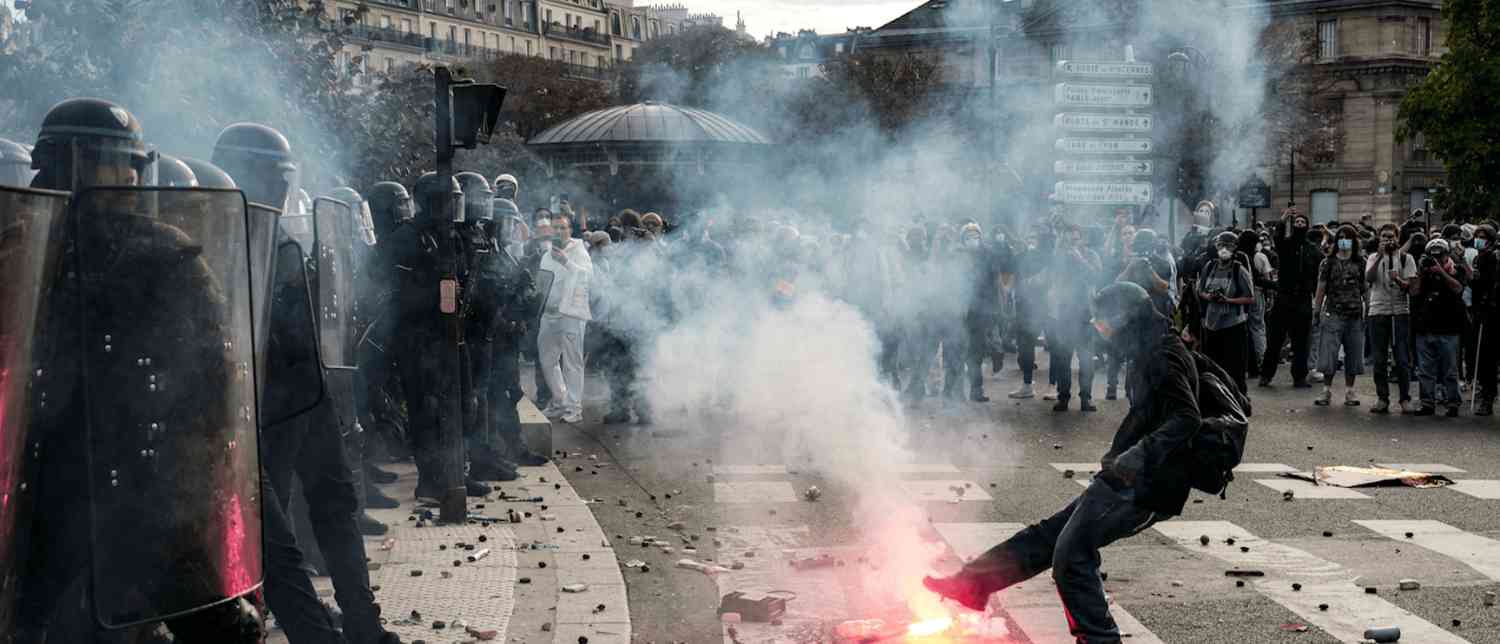
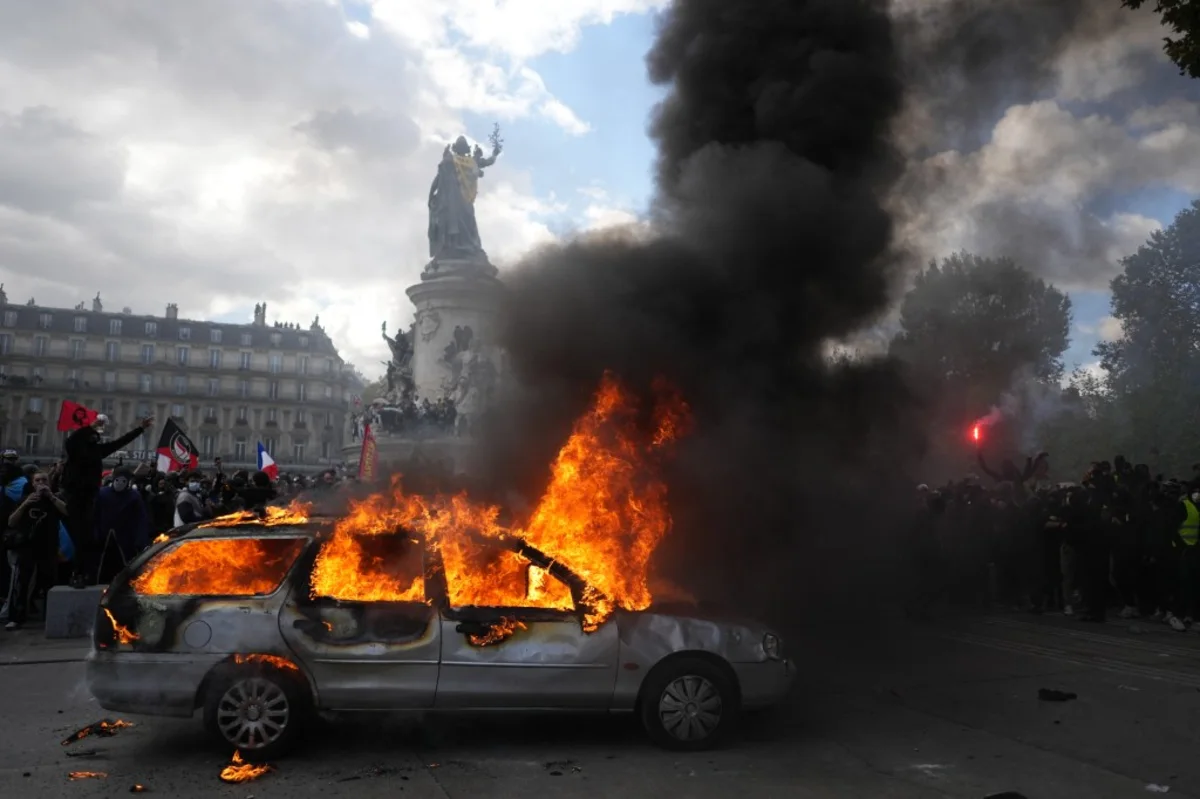
The unrest has also raised serious concerns about public safety. Reports of looting, arson, damaged businesses and clashes with police have overshadowed the demands of peaceful demonstrators. Authorities have faced the difficult task of protecting people and property while responding to genuine public dissatisfaction.
This is where France's political challenge becomes particularly complicated. The government cannot allow violence to dictate policy, but it cannot assume that restoring order will resolve the underlying grievances either.
The lesson from France is clear: a protest movement may become more disruptive when people believe conventional channels have failed to deliver meaningful change. Political leaders must therefore address both the immediate security crisis and the structural problems that have fuelled public anger.
Italy Protests Highlight the Pressure on Working Households
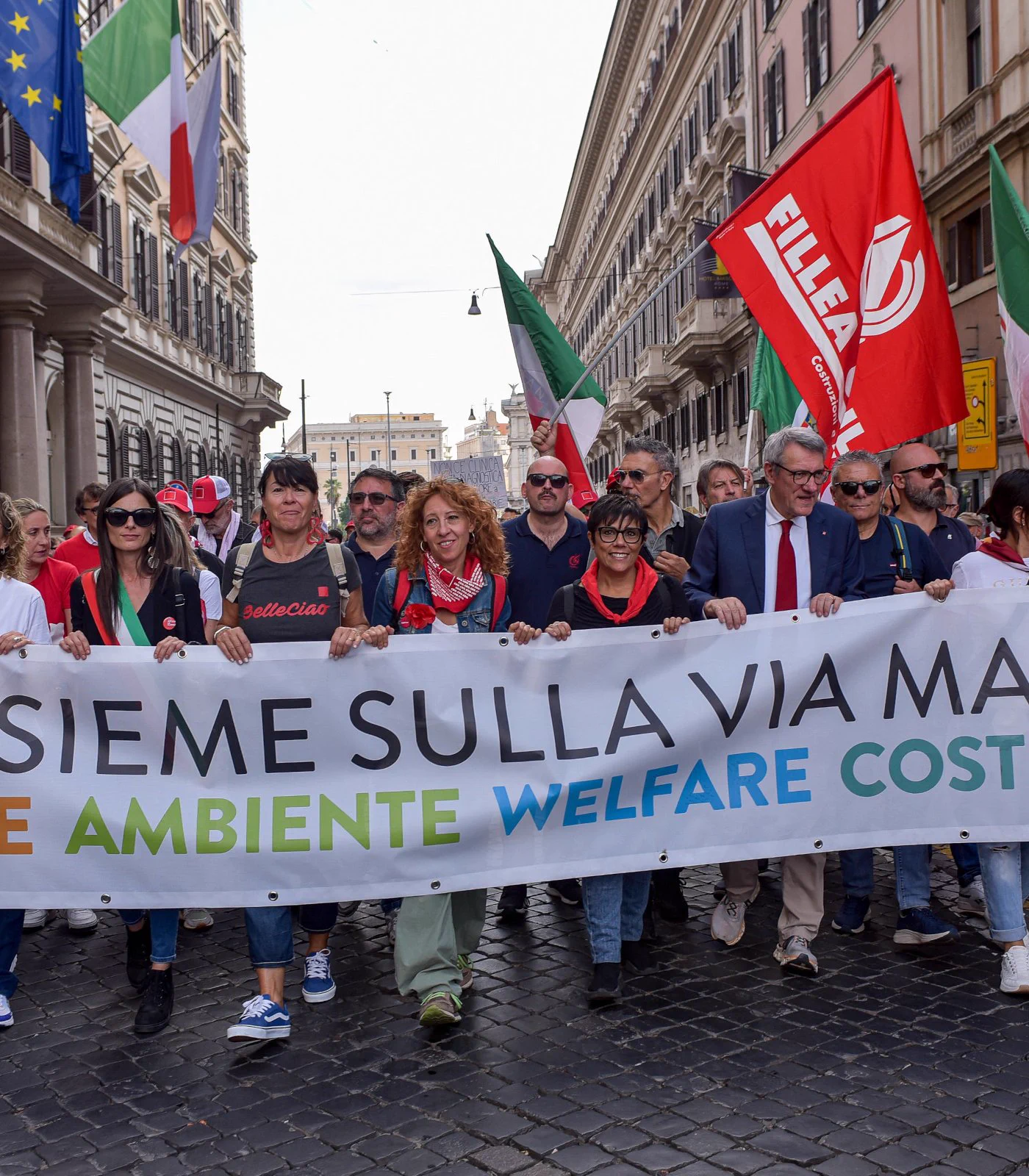
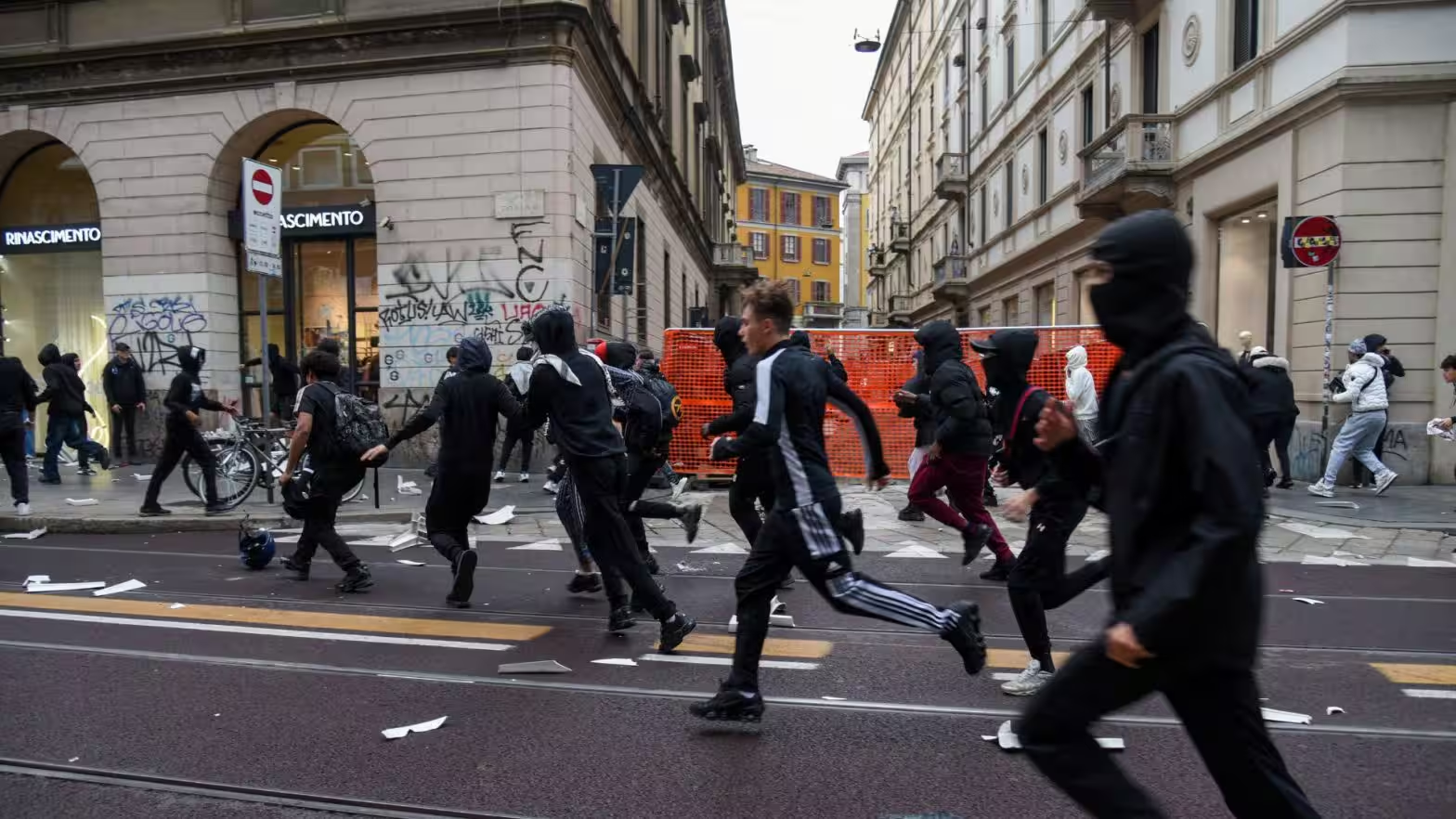
In Italy, demonstrations have drawn attention to rising living costs, stagnant wages and the difficulty of meeting everyday expenses. Clashes in Milan have illustrated how quickly an initially peaceful march can descend into violence when tensions escalate.
Yet the economic concerns behind the demonstrations deserve serious consideration independently of the disorder.
For working households, employment does not automatically guarantee financial security. If wages remain weak relative to housing, food, transport and utility costs, people can find themselves working continuously without making meaningful progress towards savings, homeownership or a more comfortable life.
This creates a particularly damaging sense of unfairness. Citizens may accept economic difficulties when they believe the burden is temporary and shared. They are less likely to accept them when they feel that ordinary workers are making sacrifices while political leaders appear unable to offer a credible route towards improvement.
Italy's experience highlights the need for policies that strengthen purchasing power, improve employment prospects and support productivity without relying solely on short-term relief.
Governments must also distinguish between peaceful dissent and criminal conduct. As Italian political leaders have argued, demonstrating is a democratic right, but attacking police officers, setting fires and destroying public property cannot be defended as legitimate political expression.
However, condemnation of violence should not become an excuse to ignore the economic pressures that initially brought demonstrators together. A sustainable response requires both accountability for unlawful acts and practical action on household affordability.
Portugal's Housing Crisis Exposes a Broken Promise
If the protests in France and Italy reveal broad economic frustration, Portugal offers a particularly stark illustration of how housing affordability can undermine the promise of prosperity.
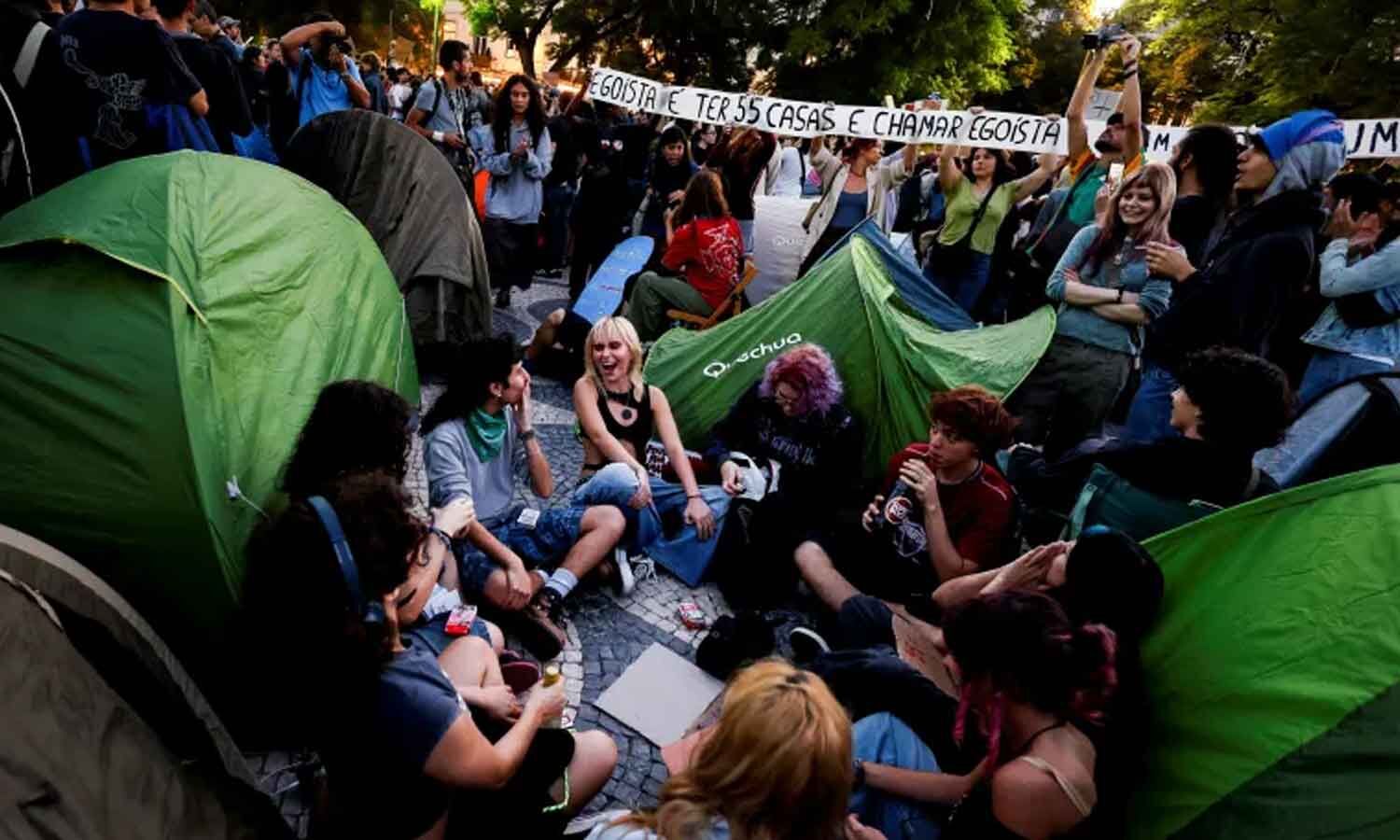
In Lisbon, demonstrators have used tents to draw attention to the difficulty of finding affordable accommodation. The symbolism is powerful: when people cannot reliably secure a place to live, the problem is no longer an abstract debate about property markets. It is a question of basic economic security.
Portugal's housing pressures have become especially concerning because rising property prices and rents can affect people at different stages of life. Young adults may struggle to leave their family homes, workers may be forced to live far from their workplaces, and households may devote so much income to rent that little remains for other necessities.
The consequences extend beyond individual finances. Expensive housing can make cities less accessible to essential workers, weaken local communities and discourage young people from building their futures in places where opportunities are concentrated.
Governments cannot solve this problem through slogans or temporary assistance alone. They need a sustained housing strategy that encourages the construction of suitable homes, improves access to affordable rental accommodation, strengthens tenant protections where appropriate and addresses barriers that prevent supply from meeting demand.
The precise mix of policies will differ between countries and cities. Nevertheless, the central principle is universal: housing policy must consider the needs of residents, not only the financial value of property.
Portugal's protests should serve as a warning to European governments that economic growth loses much of its social meaning when ordinary people cannot afford to live near jobs, education and essential services.
Belgium Protests Put Austerity and Education Under Scrutiny
Belgium's demonstrations have focused on proposed spending cuts, education reforms and concerns about access to public services. Students and trade unions have questioned whether budgetary restraint could place a disproportionate burden on workers, pensioners and lower-income households.
The dispute exposes one of the most difficult questions facing European governments: how can public finances be stabilised without weakening the services that citizens depend on?
Fiscal discipline matters. Governments cannot ignore debt, interest payments or the long-term sustainability of public spending. Poorly managed finances can limit future policy choices and create additional costs for taxpayers.
But austerity is not automatically a successful economic strategy simply because it reduces expenditure. The consequences depend on what is cut, who bears the burden and whether savings are achieved at the expense of services essential to future growth.
Reducing waste and improving administrative efficiency may be justified. Cutting educational support, weakening essential services or shifting disproportionate costs onto vulnerable households can have very different consequences.
Education deserves particular attention because its benefits extend far beyond individual students. Accessible, high-quality education strengthens the workforce, supports innovation and improves a country's long-term economic prospects. If students increasingly believe that education is becoming less affordable or less effective, governments risk undermining the very foundations of future prosperity.
Belgium's protests demonstrate that budget decisions are never purely technical. They express political choices about priorities, fairness and the distribution of economic sacrifice.
Governments should explain those choices transparently and demonstrate that fiscal reforms are equitable. Without that trust, even measures designed to improve public finances can become sources of political instability.
Albania Shows How Economic Frustration Can Become a Demand for Accountability
In Albania, student protests over university conditions, education costs, financial assistance and limited employment opportunities have expanded into broader criticism of inequality and government accountability.
This development illustrates how economic grievances can acquire a political dimension. When young people question whether they can obtain a quality education and find suitable employment after graduation, they are also questioning whether public institutions are creating fair opportunities.
The problem becomes more serious when concerns about jobs and education intersect with allegations of corruption or unequal access to economic benefits. People may become increasingly sceptical of political promises if they believe that opportunities depend more on connections or privilege than on effort and ability.
Such perceptions require careful investigation and credible institutional responses. Allegations should not automatically be treated as proven facts, but governments have a responsibility to address them transparently and ensure that public decisions are subject to meaningful scrutiny.
For Albania, the broader challenge is to strengthen the connection between education, employment and economic mobility. Young people need more than encouragement to study or assurances that the economy will improve. They need institutions capable of providing relevant education, fair access to opportunities and credible pathways into productive work.
When those pathways appear uncertain, frustration can spread rapidly from university campuses to the wider political system.
One Continent, Different Grievances, A Shared Sense of Insecurity
The simultaneous protests across European countries might suggest the emergence of one coordinated movement. That interpretation, however, risks oversimplifying what is happening.
France's unrest has been shaped by education concerns, inequality and public spending pressures. Italy's demonstrations have highlighted purchasing power and everyday expenses. Portugal's mobilisation centres heavily on housing, while Belgium's disputes involve austerity and education policy. Albania's protests also reflect concerns about employment, inequality and government accountability.
These are not identical crises, and the protesters do not necessarily share the same political objectives.
What connects them is a broader feeling that the costs of economic uncertainty are falling heavily on ordinary people while governments struggle to offer convincing solutions.
This shared frustration is particularly significant among younger generations. For many, the traditional expectations associated with education and employment appear less certain. Studying hard and finding a job may no longer seem sufficient to secure affordable housing, financial independence or long-term stability.
That perception can damage confidence in democratic institutions. When citizens feel that established political processes are unresponsive, some may become attracted to more confrontational movements or political alternatives promising sweeping change.
European governments should take this possibility seriously without treating every protest as evidence of democratic breakdown. Peaceful demonstrations are an essential part of democratic life. They can reveal problems that official statistics or routine political debate fail to capture.
The challenge is to ensure that public dissatisfaction leads to constructive reform rather than prolonged confrontation.
Violence Must Be Condemned, But the Causes Cannot Be Ignored
Any serious assessment of the European protests must acknowledge the damage caused by violent incidents. Arson, looting, attacks on police and the destruction of public buildings threaten public safety, harm businesses and undermine the rights of residents who are not involved in demonstrations.
Small businesses can suffer particularly serious losses when shops are vandalised or forced to close. Public property damaged during unrest must eventually be repaired using resources that could have supported schools, transport, healthcare or other services.
Violence can also weaken the credibility of peaceful protesters by allowing their demands to be overshadowed by images of destruction. It creates an opening for political leaders to focus exclusively on security while avoiding difficult discussions about economic policy.
That is why democratic governments must maintain a clear distinction between peaceful protest and unlawful behaviour. Law enforcement should protect public safety, and criminal acts should be investigated through lawful procedures. At the same time, peaceful demonstrators must be able to express their concerns without being treated as criminals simply because they oppose government policy.
The right response is neither to excuse violence nor to dismiss the entire protest movement because some participants engage in it.
A government that only punishes disorder may restore temporary calm without addressing the reasons people remain dissatisfied. A government that ignores violence risks losing public confidence in its ability to maintain order.
Responsible leadership requires both firmness and an honest willingness to listen.
What European Governments Must Do Next
The current protests should prompt European leaders to move beyond reactive statements and adopt a more credible approach to economic insecurity.
First, governments must focus on household purchasing power. Measures to improve wages, strengthen employment opportunities and reduce avoidable costs should be assessed against their real impact on living standards, rather than their immediate political appeal.
Second, housing affordability must become a central policy priority. Expanding the supply of suitable homes, improving access to affordable rentals and addressing local barriers to construction can help reduce pressure on households. Policies should be designed around local conditions rather than assuming that one solution will work everywhere.
Third, education and public services require sustained attention. Schools and universities need adequate resources, while reforms should be evaluated for their effect on accessibility and quality. Fiscal savings that undermine long-term opportunities may prove more costly than they initially appear.
Fourth, governments should make difficult budget decisions more transparent. Citizens are more likely to accept necessary reforms when leaders explain why they are needed, who will be affected and how the burden will be shared fairly.
Finally, political accountability must extend beyond promises made during periods of unrest. Authorities should establish clear objectives, publish measurable progress and engage with students, workers, unions and communities before grievances escalate.
No government can eliminate every economic difficulty. But it can demonstrate that it understands the pressures facing its citizens and is prepared to respond with practical, fair and measurable policies.
Europe's Streets Are Sending a Message Leaders Cannot Ignore
The latest European protests are a warning that economic insecurity can become a political crisis when people lose confidence in their prospects and in the institutions responsible for protecting their interests.
From France's student-led demonstrations to Italy's cost-of-living unrest, Portugal's housing protests, Belgium's opposition to spending cuts and Albania's demands for better opportunities, the underlying concerns deserve serious attention.
The protests do not establish that Europe faces one unified uprising, nor do they prove that every government policy is misguided. They do, however, reveal a troubling disconnect between public expectations and the lived experience of many citizens.
Europe's leaders must recognise that economic stability is about more than balancing budgets or reporting growth. It is also about whether workers can afford their lives, students can access quality education, families can find suitable homes and young people can imagine a future worth working towards.
Violence cannot provide those solutions, and governments must protect public safety. But lasting stability will not come from policing the streets alone.
It will come when citizens have credible reasons to believe that their work matters, public services remain accessible and economic opportunity is not reserved for a privileged few.
The real test for Europe is not how quickly its governments can empty the streets, but how effectively they can address the problems that filled them.
© Copyright 2026. All Rights Reserved. Powered by Vygr Media.