 By

Washington says it acted because the law requires it, and that the delivery does not decide whether service was valid or comment on the merits.
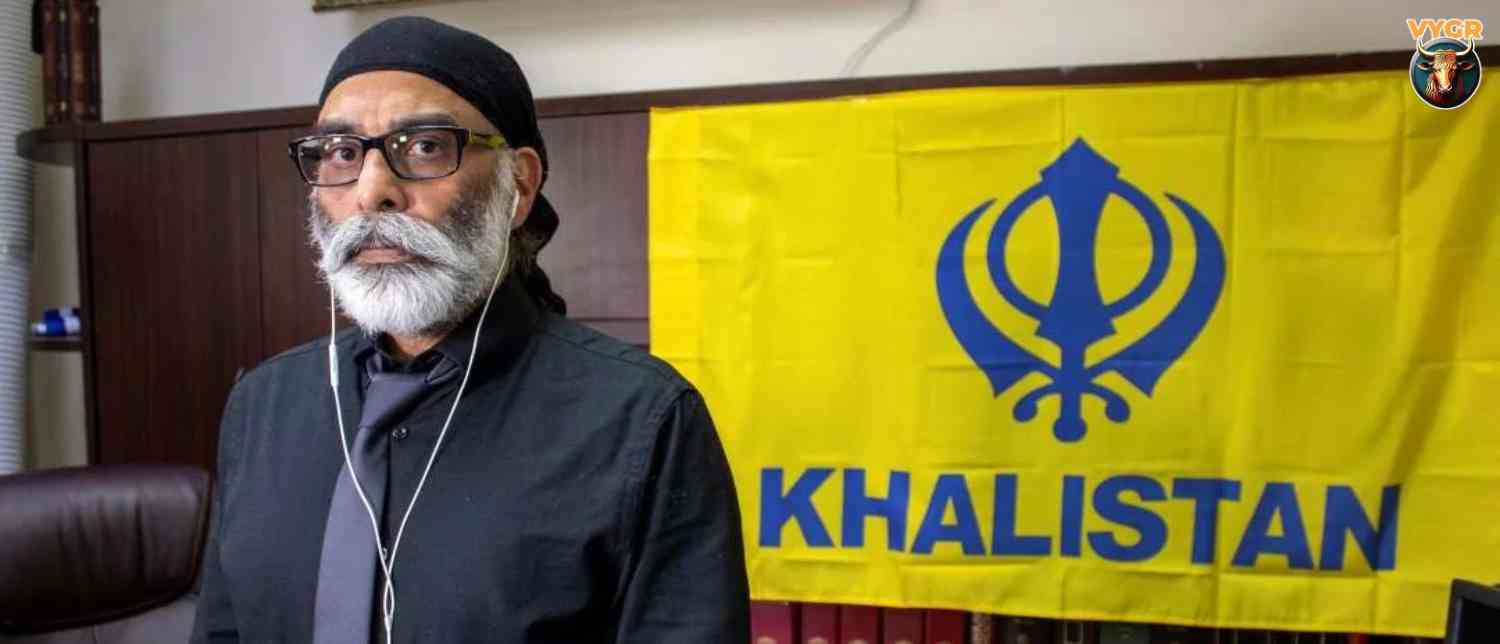
The US State Department has formally delivered the legal papers in Gurpatwant Singh Pannun’s civil lawsuit to the Indian Embassy in Washington. In a letter to a federal court in New York, it said it was legally obliged to transmit the papers and that doing so did not mean it was taking any position on the case.
What the State Department Told the Court
The department’s letter was addressed to the US District Court for the Southern District of New York. It is dated October 20, 2026, and was filed on October 28. It says the summons, the complaint, and the notice of suit were sent to the Indian Embassy under cover of a diplomatic note. The note was signed on September 30 and delivered to the mission on October 9.
The case is titled Gurpatwant Singh Pannun v. The Government of India, et al. The State Department said that it was carrying out its statutory functions under Section 1608(a)(4) of the Foreign Sovereign Immunities Act. This is the provision under which the department passes legal papers to a foreign government through diplomatic channels when a lawsuit is filed against that government in a US court.
“No Position” on the Case
The letter was careful to limit what the delivery means. The State Department said it was not stating a position on whether the plaintiffs had met all the requirements of the Act, on the status or character of the defendants, or on whether service had been properly effected. It also took no position on the merits of the claims or on any defences India may raise.
In practice, this means the question of whether India has been validly served remains one for the court to decide, not the State Department.

What the Lawsuit Alleges
Pannun, a dual US-Canadian citizen and the general counsel of the Sikhs for Justice group, filed the civil suit in September 2024. He alleges that Indian officials were involved in a plot to assassinate him in New York in 2023. India designates Pannun as a terrorist, and the Sikhs for Justice group has been banned in India.
The defendants named in the complaint are:
- the Government of India
- National Security Adviser Ajit Doval
- Samant Goel, a former chief of the Research and Analysis Wing (RAW)
- Vikram Yadav, described in the complaint as a former RAW officer
- Nikhil Gupta
- unidentified individuals
The Separate Criminal Case
The civil suit is separate from the US criminal prosecution of Nikhil Gupta. Gupta pleaded guilty in February 2026 to murder-for-hire, conspiracy to commit murder-for-hire, and conspiracy to commit money laundering in connection with the plot. US prosecutors said he acted at the direction of Vikash Yadav, whom they described as an Indian government employee.
The two Yadavs are different people in different cases. The criminal case names Vikash Yadav, while Pannun’s civil suit names a defendant called Vikram Yadav.
India’s Position
India has rejected the allegations of government involvement. When the lawsuit was first filed, the Ministry of External Affairs described the claims as unwarranted and unsubstantiated and said they did not change India’s views on the underlying situation. India has said it set up a high-level committee in November 2023 to examine the information shared by US authorities. In October 2024, the ministry said that Vikash Yadav, the individual named in the US indictment, was no longer employed by the government.
New Delhi has not yet publicly commented on the latest development, according to available reports.
What Happens Next
Under the Foreign Sovereign Immunities Act, a foreign state generally has 60 days after service to respond to a complaint. However, this depends on the court accepting that service was properly completed. India could argue that it is protected by sovereign immunity, which would be a central point if it chooses to appear in the case. If it does not respond, a US court can in principle enter a default judgment, but the Act requires the plaintiff to establish his claim with evidence in such cases.
The diplomatic note also arrives at a delicate time for India-US relations, with trade talks underway. Both governments have worked to keep the Pannun matter from derailing wider ties, even as the criminal and civil cases move through the US courts.
© Copyright 2026. All Rights Reserved. Powered by Vygr Media.