 By

Beijing calls the espionage allegations baseless as the Nvidia chief admits an affair, Washington questions the company’s China chip sales, and investors react.
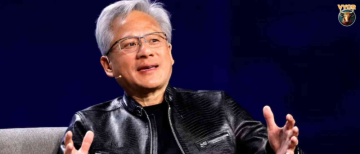
China has dismissed the espionage claims surrounding Nvidia CEO Jensen Huang as unsubstantiated, calling them a smear campaign against Beijing. The response came a day after Huang acknowledged an extramarital relationship in a message to employees and Nvidia announced an independent investigation. The episode has pulled one of the world’s most valuable companies into a political storm at the centre of the US-China technology rivalry.
Beijing’s Response
Speaking on Monday, November 9, Foreign Ministry spokesperson Guo Jiakun rejected the allegations outright, saying the “so-called Chinese spy allegation” had no basis and was nothing but smears against China. Beijing has denied the claims before. The Chinese Embassy in Washington rejected any allegation of spying soon after the story first appeared.
Chinese state media have largely followed the official line. Reports have focused mostly on Huang’s admission of the affair rather than on the espionage claims. Some outlets have suggested the original report was meant to disturb relations between Washington and Beijing. The state-owned Global Times said that whenever ties between the two countries begin to improve, there are always people taking shots from the shadows.
What Triggered the Controversy
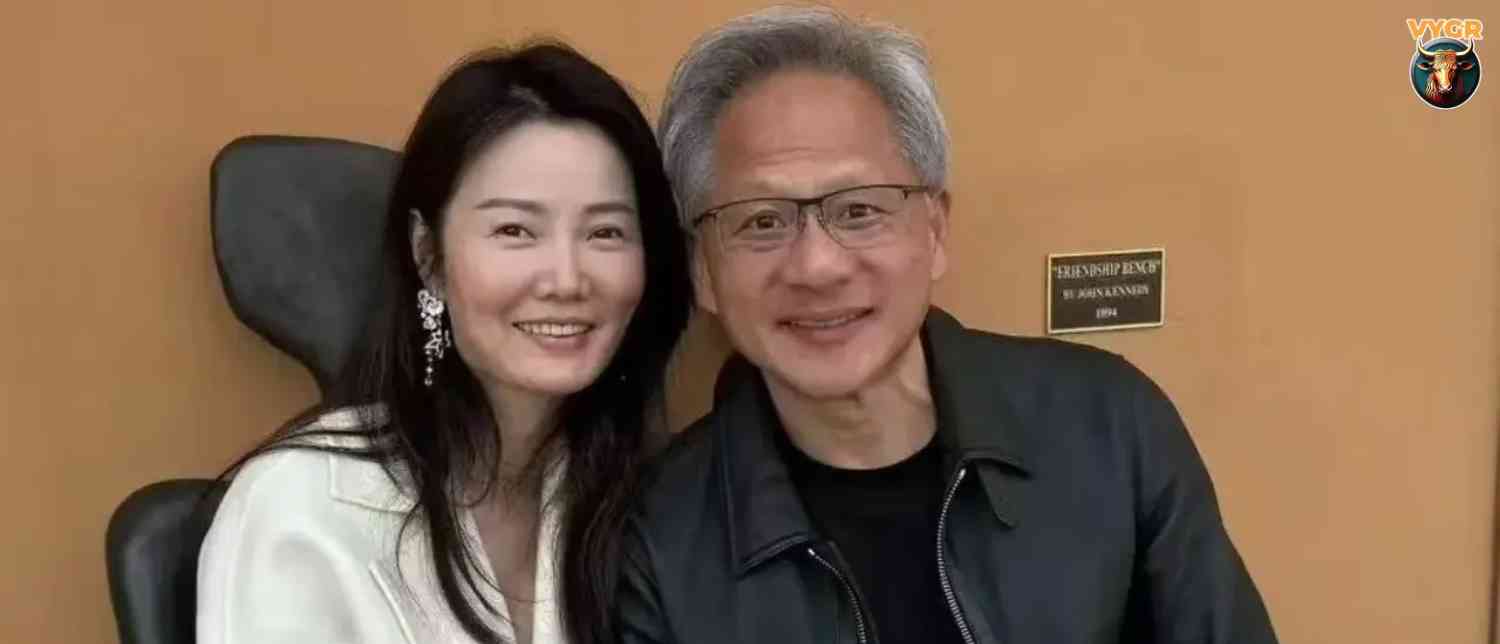
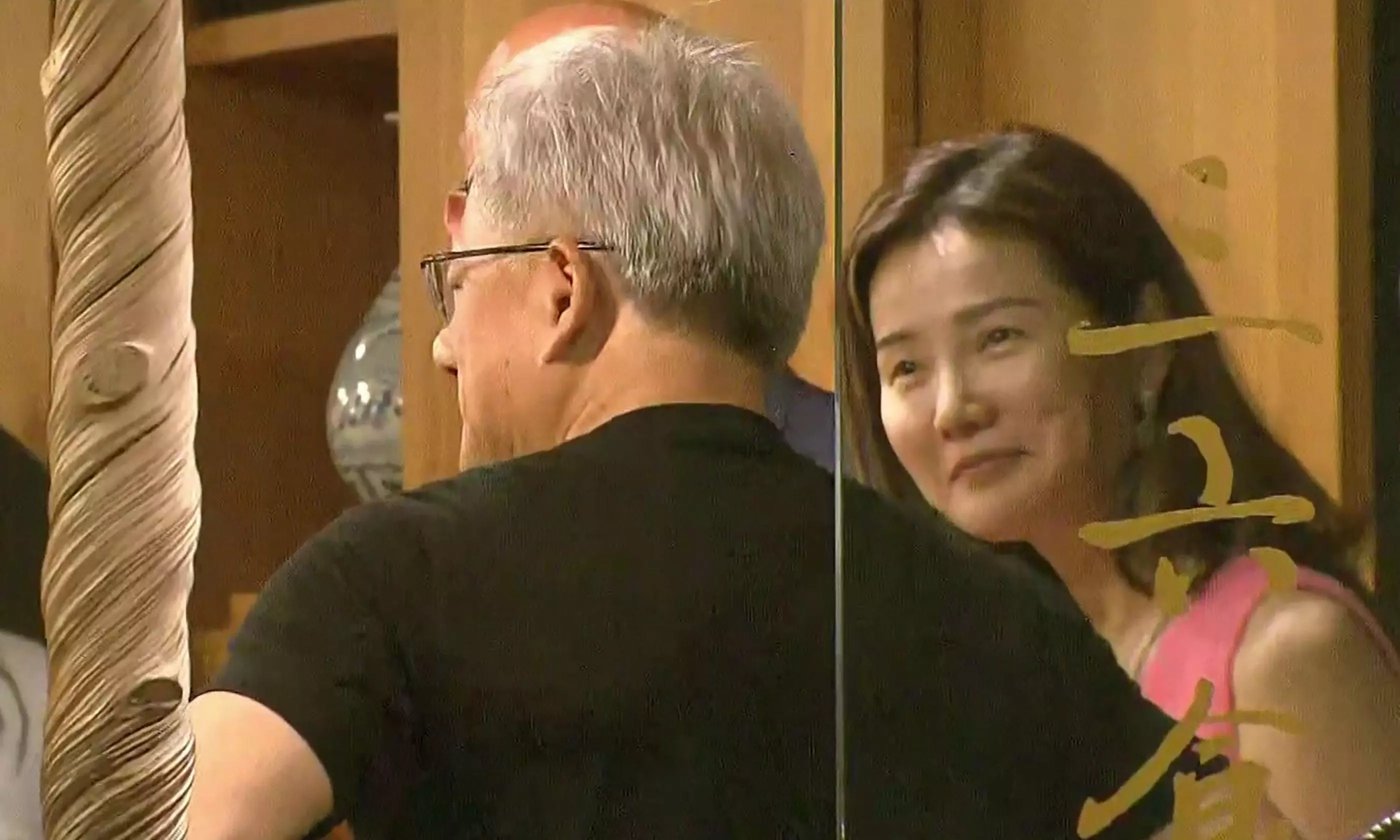
The story began on October 29, when The New York Times reported that a Chinese woman named Alice Huang, also known as Huang Le, had sought to build a close relationship with Jensen Huang in order to gather information about Nvidia’s technology. She is not related to him. The newspaper reported that she worked for Megaspeed, a company that has faced claims of smuggling advanced chips into China, and that it had grown into one of Nvidia’s largest customers, buying about $4.8 billion of equipment.
The newspaper later reported that Huang told the Nvidia board he had been intimate with a business executive whom US intelligence had concluded was collecting information for Beijing. These claims remain allegations. They have been reported by the newspaper and denied by China, and Huang has not named the person involved in the relationship.
Huang’s Admission
On Sunday, November 8, Huang wrote to Nvidia staff admitting that he had been unfaithful to his wife and that his actions had hurt her and their children. He said there was no excuse for what he did. His message addressed the personal relationship. It did not confirm any espionage activity.
Nvidia Opens an Independent Inquiry
The same day, Nvidia announced that a committee of independent directors, working with outside counsel, would investigate the matter. The board said it had no reason to believe that national security or Nvidia’s secrets had been compromised, but that the inquiry would examine all available information. It also said it continues to have confidence in Huang and his leadership team, and he will keep running the company during the probe.
Congress Wants Answers
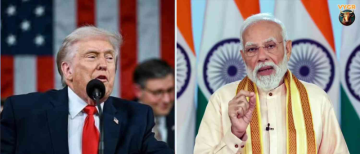
The reaction in Washington has been sharp and bipartisan. Senator Elizabeth Warren said Huang and the board owe Congress answers and called for legislation to stop advanced American technology from reaching China. Three Republican House members, John Moolenaar, Brian Mast and Rick Crawford, asked Huang to testify on November 18, saying Congress must determine how far national security was put at risk.
The Chip Sales Question
At the heart of the controversy is a larger question: whether Huang’s push for sales to China weakened US export controls. The US has restricted exports of advanced chips to China for years, fearing they could help Beijing gain an edge in artificial intelligence and military technology. Huang has repeatedly lobbied to ease these limits. He earlier pushed for permission to sell the lower-end H20 chip designed for the Chinese market, and this year he successfully lobbied President Donald Trump to allow sales of the more advanced H200 chips.
It is still unclear how much of this business will materialise. Nvidia said in an August filing that its sales to China had been small, because Beijing itself restricts such purchases. In August 2025, the Trump administration also announced it would take a 15 per cent cut of certain Nvidia chip sales to China.
Market Impact
Nvidia shares dropped roughly 5 per cent in pre-market trading on Monday. The company had already lost about $450 billion in market value in a single trading day last week, when AI stocks fell broadly after the US midterm elections. The shares recovered part of that loss on Friday before the latest news arrived.
Trump Defends Huang
President Trump, who has worked closely with Huang, spoke up for him when asked by reporters. He said he had not heard that Huang had done anything wrong, described him as a fine and honourable person, and said Huang had done an amazing job for the country. Trump was non-committal on whether Huang would travel with him to the Asia-Pacific Economic Cooperation summit in China this month, saying he would certainly take him.
What Analysts Say
George Chen of The Asia Group, a Washington-based consultancy, said the key questions are whether Huang knew of any espionage activity and whether any confidential or strategically sensitive information was compromised. He added that those questions need evidence rather than speculation.
Key Timeline
| Date | Development |
|---|---|
| Oct 29 | New York Times reports an alleged Chinese effort to cultivate Huang |
| Early Nov | Bipartisan backlash in Congress |
| Nov 8 | Huang admits to an extramarital relationship; Nvidia announces independent board inquiry |
| Nov 9 | China calls the claims unsubstantiated and a smear; Nvidia shares fall in pre-market trading |
| Nov 18 | Date House Republicans have asked Huang to testify |
What to Watch Next
Three things will shape the story. The first is the findings of the board’s inquiry. The second is whether Huang appears before Congress and what lawmakers do on export-control legislation. The third is how Nvidia’s China business and the wider US-China technology relationship develop. For now, the espionage claims remain unproven, Beijing denies them, and the only fact is Huang’s own admission about the relationship.
© Copyright 2026. All Rights Reserved. Powered by Vygr Media.