 By

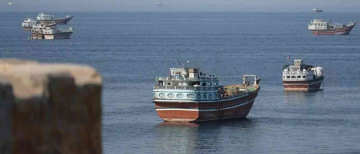
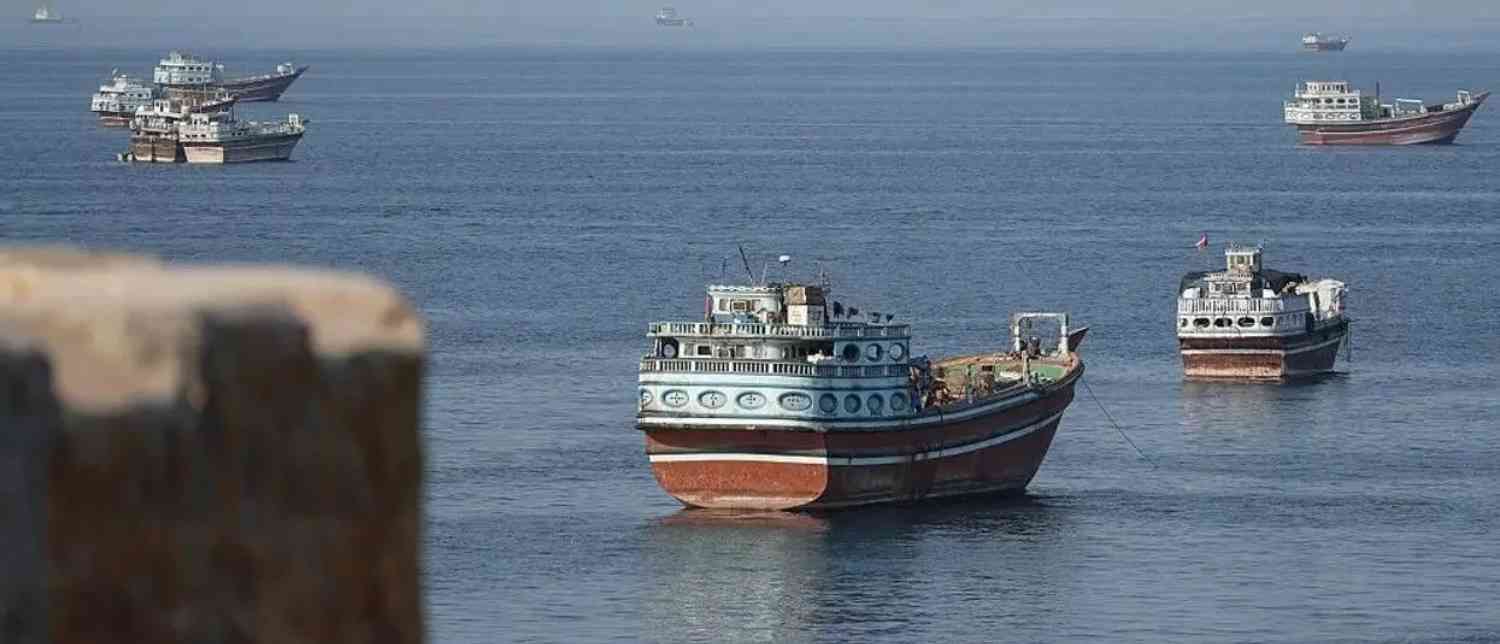
In a significant development amid escalating tensions in West Asia, Iran has exempted merchant vessels from India, China, Iraq and Qatar from restrictions imposed on shipping through the Strait of Hormuz. The announcement offers some relief to these countries at a time when disruptions in one of the world's most important maritime trade routes have raised concerns over global energy supplies, international commerce and economic stability.
The decision was disclosed by Iranian parliamentary official Ahmad Hayat-Moghaddam, who said that ships belonging to the four countries were permitted to transit through the strategic waterway. He described the exemptions as being based on mutual interests between Tehran and the respective nations.
However, the move does not signal a complete reopening of the Strait of Hormuz. Iran appears to be following a selective approach, allowing vessels from certain countries to pass while maintaining restrictions on others amid its continuing confrontation with the United States and its regional allies.
For India, the exemption carries particular significance because of its dependence on Gulf energy supplies, pharmaceutical trade and critical maritime shipping routes.
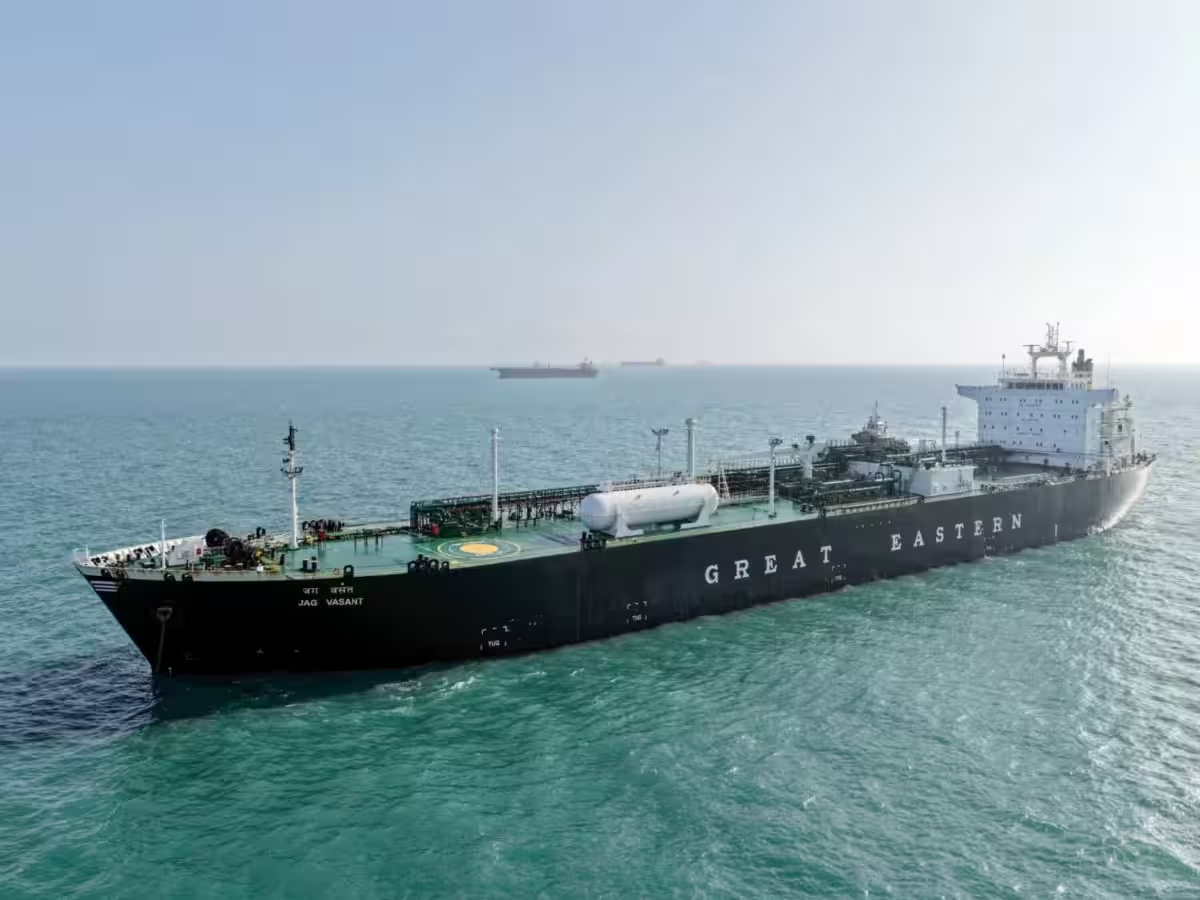
Why Has Iran Exempted India, China, Iraq and Qatar From Hormuz Restrictions?
Iran's decision appears to be driven by a combination of economic necessities, diplomatic relationships and strategic considerations.
According to Hayat-Moghaddam, the exemptions have been granted to protect Tehran's mutual interests with the four countries. However, the reasoning differs depending on the country.
India's exemption is reportedly connected to the movement of pharmaceutical supplies. Iran wants to facilitate the import of medicines from India, making continued maritime access particularly important amid regional disruptions.
China's inclusion, meanwhile, reflects its longstanding economic and political relationship with Tehran. Beijing remains an important buyer of Iranian oil and a significant source of diplomatic and economic support for the Iranian government. Allowing Chinese vessels to transit through the Strait of Hormuz helps Iran preserve this important partnership during a period of heightened international pressure.
Iraq's inclusion is linked to its geographical proximity, economic connections and longstanding political relationship with Iran. The country relies on Gulf maritime routes for several important trade and energy-related activities.
Qatar also holds considerable strategic importance. As one of the world's leading exporters of liquefied natural gas (LNG), Qatar has a substantial interest in maintaining access to international shipping routes. Allowing Qatari vessels to pass could help Tehran preserve an important regional relationship.
Taken together, these exemptions suggest that Iran is using access to the Strait of Hormuz as a diplomatic and economic instrument rather than applying identical restrictions to every country.
India Gets Special Passage: Why Is the Exemption Important for New Delhi?
Among the four countries receiving exemptions, India has particularly significant economic and strategic interests at stake.
India imports nearly 90% of its crude oil requirements, although its dependence on the Strait of Hormuz for crude supplies has declined as New Delhi has diversified its energy sourcing. Currently, approximately 30% of India's crude oil imports pass through the waterway.
However, India's dependence remains considerably higher in other energy categories.
Around 90% of India's liquefied petroleum gas (LPG) imports transit through the Strait of Hormuz. Additionally, more than half of India's LNG imports from Qatar and the UAE are transported through this maritime corridor.
The waterway is also important for India's fertiliser imports and broader trade with Gulf countries.
Any prolonged disruption can therefore create serious challenges for India's energy security, industrial activity and domestic consumption.
The exemption is also important from a pharmaceutical perspective. India's pharmaceutical industry is a major international supplier of affordable medicines, and Iran's reported decision to facilitate the movement of Indian vessels is intended to maintain access to these essential supplies.
For New Delhi, the development could help protect important trade interests while reducing some of the uncertainty surrounding maritime transportation in the region.
Nevertheless, the exemption should not be interpreted as a guarantee that all Indian shipments will face no restrictions or additional costs.
Strait of Hormuz Transit Charges: Will Indian Ships Have to Pay Iran?
One of the most important aspects of Iran's announcement concerns the possibility of transit charges.
Although Iranian officials have described the four countries as exempt from restrictions, the arrangement does not necessarily mean that every vessel can cross the Strait of Hormuz free of charge.
Hayat-Moghaddam indicated that Iran collects transit fees from Indian and Chinese vessels despite allowing them to pass through the waterway.
Qatari ships, on the other hand, have reportedly been permitted to transit without paying such charges.
The position regarding Iraqi vessels remains unclear, with Iranian officials yet to specify whether they will be subject to transit fees.
The distinction is important because permission to cross and cost-free passage are two different things.
For shipping companies, additional transit charges could increase transportation expenses, particularly when combined with higher insurance premiums, security-related costs and other operational challenges arising from the regional conflict.
The precise fee structure, payment mechanism and legal framework governing these arrangements have not been publicly established.
Consequently, the exemptions provide an important diplomatic advantage to the four countries, but their actual economic benefits will depend on the conditions attached to individual shipments.
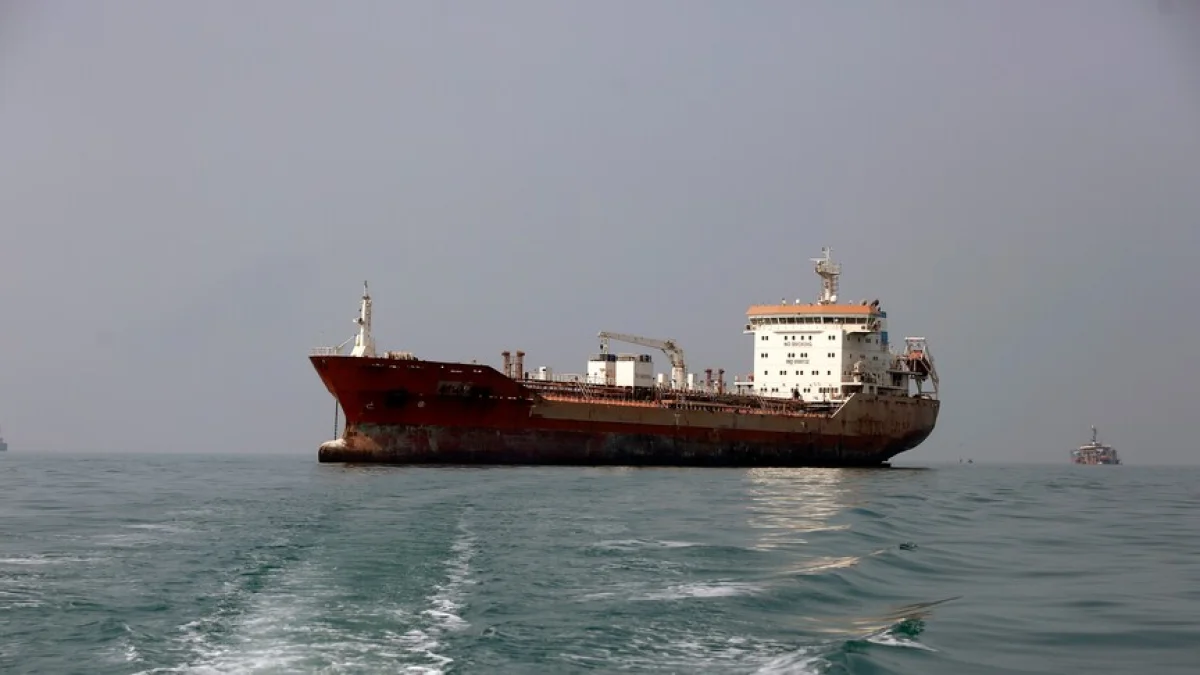
Why Is the Strait of Hormuz So Important to the Global Economy?
The Strait of Hormuz is among the world's most strategically important maritime chokepoints.
Located between Iran and Oman, it connects the Persian Gulf with the Gulf of Oman and the Arabian Sea. Its geographical position makes it an essential shipping route for energy-producing countries in the Middle East.
Nearly a quarter of global seaborne oil supplies originating in West Asia pass through the strait. It also carries substantial quantities of liquefied natural gas, particularly exports from Qatar.
This makes the waterway critical for major energy-importing economies across Asia, including India and China.
Any military confrontation, shipping restrictions or prolonged disruption can have consequences extending far beyond the Middle East.
Reduced tanker movements can tighten global energy supplies, push up crude oil prices and increase transportation costs. Higher freight and insurance expenses can subsequently affect fuel prices, manufacturing, electricity generation and the cost of everyday goods.
For countries heavily dependent on imported energy, the situation creates an additional economic vulnerability.
This explains why Iran's decision to grant selective passage exemptions has attracted considerable attention. The ability to determine which vessels can access such an important shipping route gives Tehran considerable diplomatic leverage.
US-Iran Tensions Continue as Diplomatic Efforts Gather Momentum
Iran's decision comes against the backdrop of continuing tensions with the United States and uncertainty over the possibility of renewed military confrontation.
While Tehran has offered passage exemptions to four countries, restrictions on other shipping remain an important element of the broader geopolitical situation.
The latest developments also indicate that diplomatic efforts to prevent another escalation are continuing.
Senior Iranian political leaders, including President Masoud Pezeshkian, Parliament Speaker Mohammad Bagher Ghalibaf and Foreign Minister Abbas Araghchi, have reportedly encouraged the country's military leadership to consider a proposal facilitated by Qatar to prevent a renewed conflict with Washington.
Qatari envoys have also travelled to Tehran with a limited mandate to obtain Iran's official response to the proposed framework.
However, the prospects for a lasting agreement remain uncertain. Assessments within Iran reportedly suggest that renewed confrontation with the United States remains a significant possibility, while military strategists remain sceptical about the chances of maintaining peace.
This creates a complicated diplomatic environment in which Iran is simultaneously attempting to protect important economic relationships, negotiate with regional partners and maintain its strategic position against Washington.
The inclusion of Qatar among the countries receiving special passage exemptions is particularly noteworthy in this context, given Doha's role in facilitating diplomatic communication.
What Does Iran's Decision Mean for India, Oil Prices and Global Trade?
For India, the exemption represents a potentially important development in protecting its economic interests during a period of regional instability.
Maintaining access to the Strait of Hormuz could help Indian vessels transport essential commodities, including petroleum products, natural gas-related supplies and pharmaceutical goods.
It may also provide greater confidence to shipping operators and businesses involved in India-Gulf trade.
However, the broader impact on oil prices will depend on whether maritime restrictions are eventually eased and normal shipping activity resumes.
The exemption for Indian vessels does not automatically restore unrestricted international navigation. Ships from other countries may continue to face delays, restrictions and additional costs.
Furthermore, the possibility of transit fees means that even permitted shipments could become more expensive.
For global energy markets, the most important question is whether Iran's selective exemptions represent the beginning of a wider diplomatic understanding or merely a temporary arrangement designed to protect specific economic relationships.
Until there is greater clarity, uncertainty surrounding the Strait of Hormuz is likely to remain an important factor influencing international shipping, energy security and geopolitical risk.
A Strategic Opportunity for India, but Uncertainty Remains
Iran's decision to exempt India, China, Iraq and Qatar from Strait of Hormuz restrictions highlights the growing importance of diplomacy in controlling access to critical international shipping routes.
For India, the development is particularly relevant because of its energy requirements, pharmaceutical exports and extensive economic connections with the Gulf region.
Nevertheless, the arrangement comes with important qualifications. Transit charges may still apply to Indian and Chinese vessels, the terms governing Iraqi shipping remain unclear, and restrictions on other countries have not been lifted.
More importantly, the continuing confrontation between Iran and the United States means that the wider security situation remains unpredictable.
The exemptions may offer temporary relief to four strategically important countries, but they do not resolve the underlying crisis affecting the Strait of Hormuz.
For now, India's challenge will be to make the most of the diplomatic opening while continuing to diversify its energy supplies, safeguard maritime trade and protect its economic interests in an increasingly uncertain geopolitical environment.
© Copyright 2026. All Rights Reserved. Powered by Vygr Media.