 By

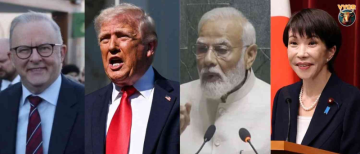
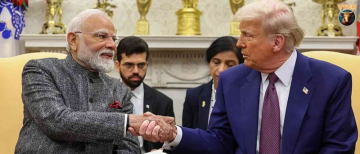
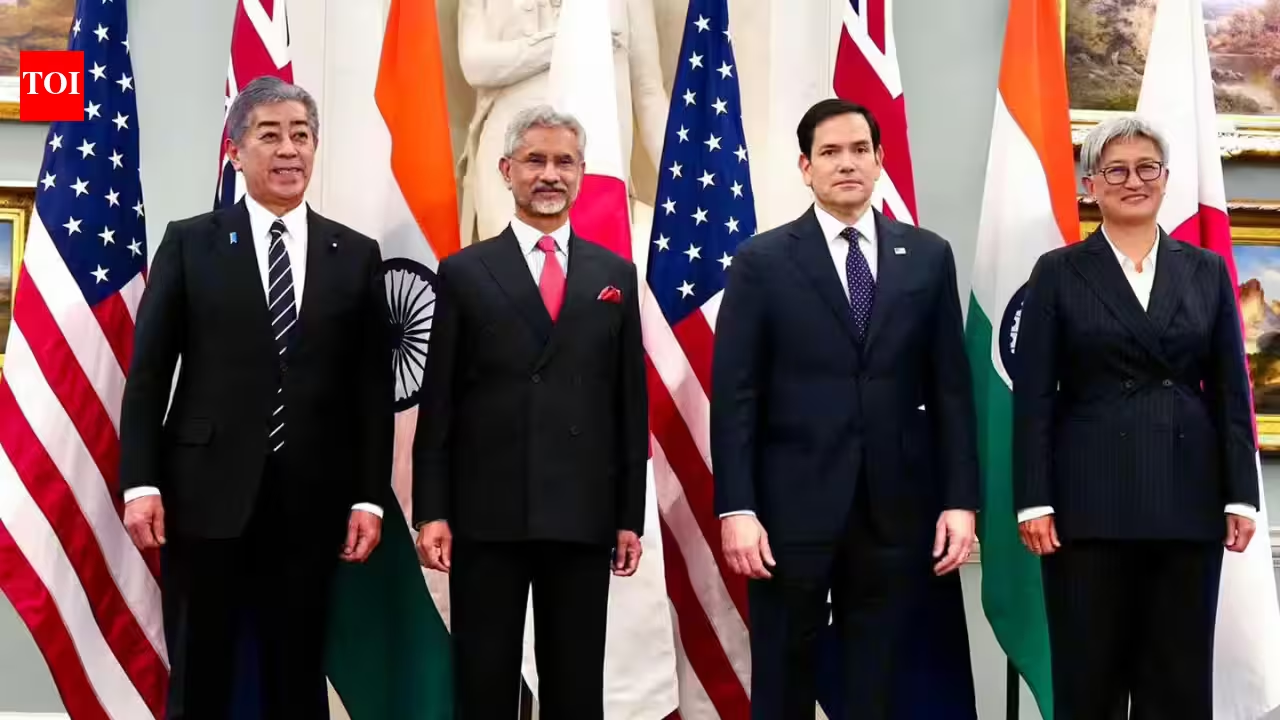
A Quad meeting in Manila lasted just 55 minutes, and its brevity has drawn attention for its timing. The meeting comes as US President Donald Trump prepares for high-stakes engagements with China's Xi Jinping and Russia's Vladimir Putin, which has raised questions about Washington's strategic priorities.
With Trump recalibrating ties with China and Russia, the question for New Delhi and the other Quad partners is simple: how much room will they have in his Indo-Pacific strategy?
This article looks at what is known about the Manila meeting, why the timing matters, and the different ways the shift in US diplomacy could affect India and the Quad.
A 55-Minute Quad Meeting in Manila: What Happened
The Quad, a grouping of the United States, India, Japan and Australia, met in Manila for a session that ran only 55 minutes. A meeting that short leaves little room for extended discussion, so the focus falls on what was said, what was left unsaid and how the meeting fits into the wider diplomatic calendar.
The length has become part of the story because of what surrounds it. The meeting sits alongside Trump's preparations for talks with Xi and Putin, two leaders whose relationships with Washington are central to how the Quad is viewed.
Quad Manila Meeting: Key Points
- The meeting: a Quad meeting in Manila that lasted 55 minutes.
- The backdrop: Trump is preparing for high-stakes engagements with Xi Jinping and Vladimir Putin.
- The concern: questions about Washington's strategic priorities and where the Quad fits.
- The big question: how much room India and the Quad will have in Trump's Indo-Pacific strategy.
Trump's Planned Engagements with Xi Jinping and Putin
Trump is preparing for important meetings with China's president and Russia's president. Early reports have suggested these could take place in China, with a possible three-way format discussed. The exact arrangements and agenda may change, so readers should check for the latest confirmed details.
Both relationships carry weight for the Quad. China is the country most often seen as the reason the Quad exists, even though the partners say the grouping is not directed against any one country. Russia is a long-standing partner of India, and any shift in US-Russia ties affects how India balances its own relationships.
What Is the Quad and Why It Matters to India
The Quad brings together the US, India, Japan and Australia to cooperate on a free and open Indo-Pacific. Its work covers areas such as maritime security, critical technologies, supply chains, health and infrastructure.
For India, the Quad is one of several partnerships. It gives New Delhi a platform to work with like-minded democracies in the Indo-Pacific while keeping its own independent foreign policy. A leaders' summit, which India was expected to host, has been difficult to schedule, a point that adds to the uncertainty about the grouping's momentum.
What Trump's China-Russia Tilt Could Mean for the Quad
There is no single reading of Washington's recalibration, and the likely effects on India and the Quad depend on which one proves right.
|
Reading |
What it suggests |
What it could mean for India and the Quad |
|---|---|---|
|
Tactical outreach |
Talks with Xi and Putin are aimed at specific deals, while the Indo-Pacific commitment stays in place |
The Quad continues, with less public emphasis during the talks |
|
Reordered priorities |
The US puts big-power deals ahead of coalition-building |
The Quad could receive less attention and fewer high-level engagements |
|
Transactional approach |
Alliances and partnerships are judged case by case on trade and burden-sharing |
India and other partners may need to show tangible gains from cooperation |
Which reading fits best will become clearer after the engagements with Xi and Putin take place.
India's Options and Balancing Act
India has long followed a policy of strategic autonomy, working with several partners at once. It is part of the Quad, maintains ties with Russia, and has its own complex relationship with China.
If Washington warms to Beijing or Moscow, New Delhi is likely to weigh several steps:
- Deepen ties with other Quad partners: closer cooperation with Japan and Australia can keep the grouping's work moving.
- Keep the US relationship steady: continued engagement on trade, technology and defence helps protect India's interests.
- Maintain its own channels: direct talks with Beijing and Moscow give India room to manage its own security concerns.
- Work with regional partners: cooperation with Southeast Asian countries supports India's Indo-Pacific role.
Questions About Washington's Strategic Priorities
The brevity of the Manila meeting, set against Trump's planned talks with Xi and Putin, has led observers to ask whether the Indo-Pacific partnerships remain at the centre of US strategy. Supporters of the administration's approach argue that direct talks with rival powers can reduce tensions and open the way to agreements. Sceptics worry that they may leave partners uncertain about American commitments.
Both views are being debated, and the outcome will depend on what the engagements actually deliver.
How Much Room Will India and the Quad Have?
The answer depends on three things:
- What Trump agrees with Xi and Putin, and whether those agreements touch Indo-Pacific security or trade.
- How the US talks about the Quad after those meetings, including whether a leaders' summit is scheduled.
- What India and the other partners bring to the table, such as supply-chain cooperation, technology and maritime security.
If the Quad shows clear, practical results, it is likely to keep its place in the strategy. If it appears to be only symbolic, it may receive less attention.
What to Watch Next
- The outcome and tone of Trump's engagements with Xi and Putin.
- Any announcement of a Quad leaders' summit and its date.
- US statements on the Quad and the Indo-Pacific after those meetings.
- India's response and any adjustments to its own diplomacy.
- Progress on trade and technology cooperation between India and the US.
Frequently Asked Questions
What is the Quad? The Quad is a grouping of the United States, India, Japan, and Australia that cooperates on a free and open Indo-Pacific.
How long was the Quad meeting in Manila? It lasted 55 minutes.
Why does the timing matter? It comes as Trump prepares for high-stakes engagements with Xi Jinping and Vladimir Putin, which raises questions about US strategic priorities.
What does this mean for India? India may have less room in US strategy if Washington prioritises deals with China and Russia, but it also has options such as deepening ties with Japan and Australia and keeping its own diplomatic channels open.
Is the Quad in danger? There is no confirmation that it is. The effect will depend on what comes out of the engagements with Xi and Putin and on how Washington speaks about the grouping afterwards.
© Copyright 2026. All Rights Reserved. Powered by Vygr Media.