 By
By 
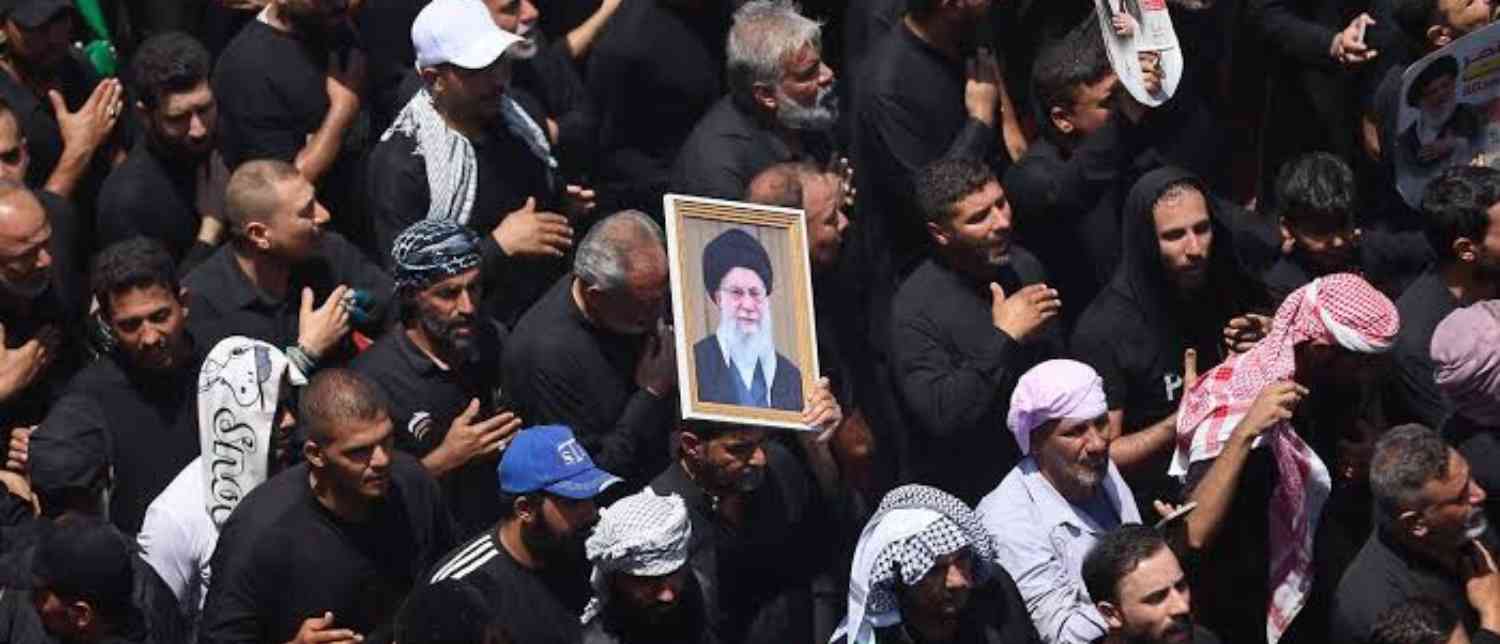
Tehran: More than four months after the death of Iran's former Supreme Leader Ayatollah Ali Khamenei in a US-Israeli military strike, the Islamic Republic is finally preparing to bid farewell to one of its most influential leaders. The state funeral, scheduled to begin on July 4, is expected to be one of the largest public gatherings in Iran's modern history, with millions of mourners, foreign dignitaries, and political leaders from across the world expected to attend.
The unusually long delay between Khamenei's death in February and his funeral has sparked widespread speculation, with rumours ranging from secret burials to political disagreements within Iran's leadership. Iranian authorities, however, have consistently maintained that the postponement was driven entirely by security concerns and the country's ongoing conflict with the United States and Israel.
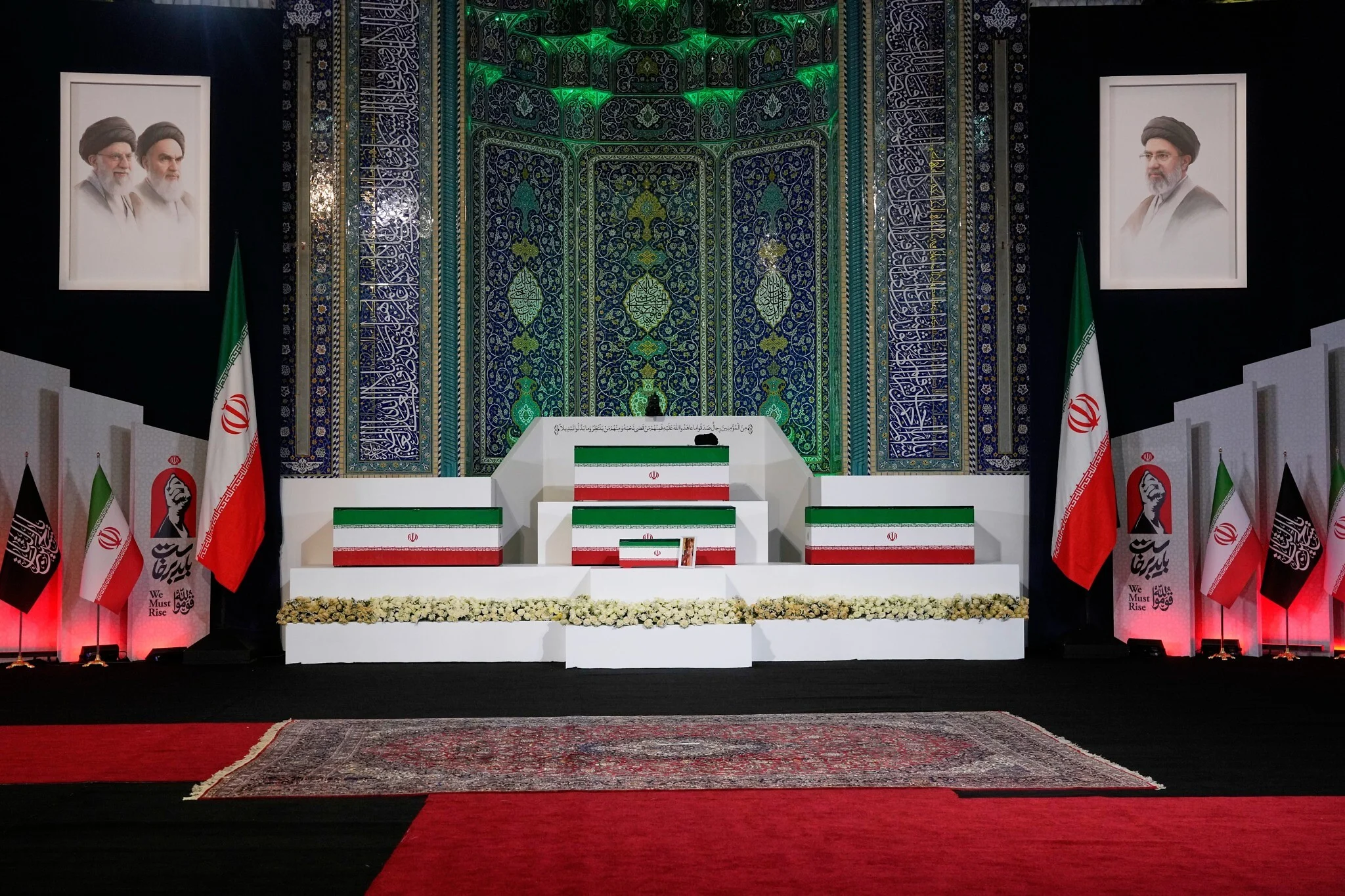
Why was Khamenei's funeral delayed?
Ayatollah Ali Khamenei was killed on February 28 during coordinated US-Israeli strikes targeting key Iranian installations, an attack that dramatically escalated tensions across the Middle East. His death marked the end of a leadership that had shaped Iranian politics, foreign policy, and regional strategy for more than three decades.
Unlike previous Iranian leaders who were buried within days of their deaths, Khamenei's funeral has been delayed by over four months. According to Iranian officials, active military operations, fears of further airstrikes, and the absence of a secure environment made it impossible to organise a mass public funeral immediately after his death. Authorities reportedly waited until a 60-day ceasefire created conditions they considered safe enough for such a high-profile event.
The delay also allowed Iran to plan an elaborate multi-day state ceremony designed not only to honour Khamenei but also to project national unity during a politically sensitive transition.
Where was Khamenei's body kept?
One of the biggest questions surrounding the delayed funeral concerned the whereabouts of Khamenei's remains.
Iranian officials have clarified that his body was preserved in a specially secured cold-storage facility since February. Religious scholars reportedly approved this arrangement, arguing that extraordinary wartime conditions justified postponing burial until a safe and dignified funeral could be conducted.
Social media speculation had suggested that Khamenei had already been secretly buried or temporarily interred. Iranian authorities have rejected these claims, insisting that his body remained under strict protection while funeral arrangements were finalised.
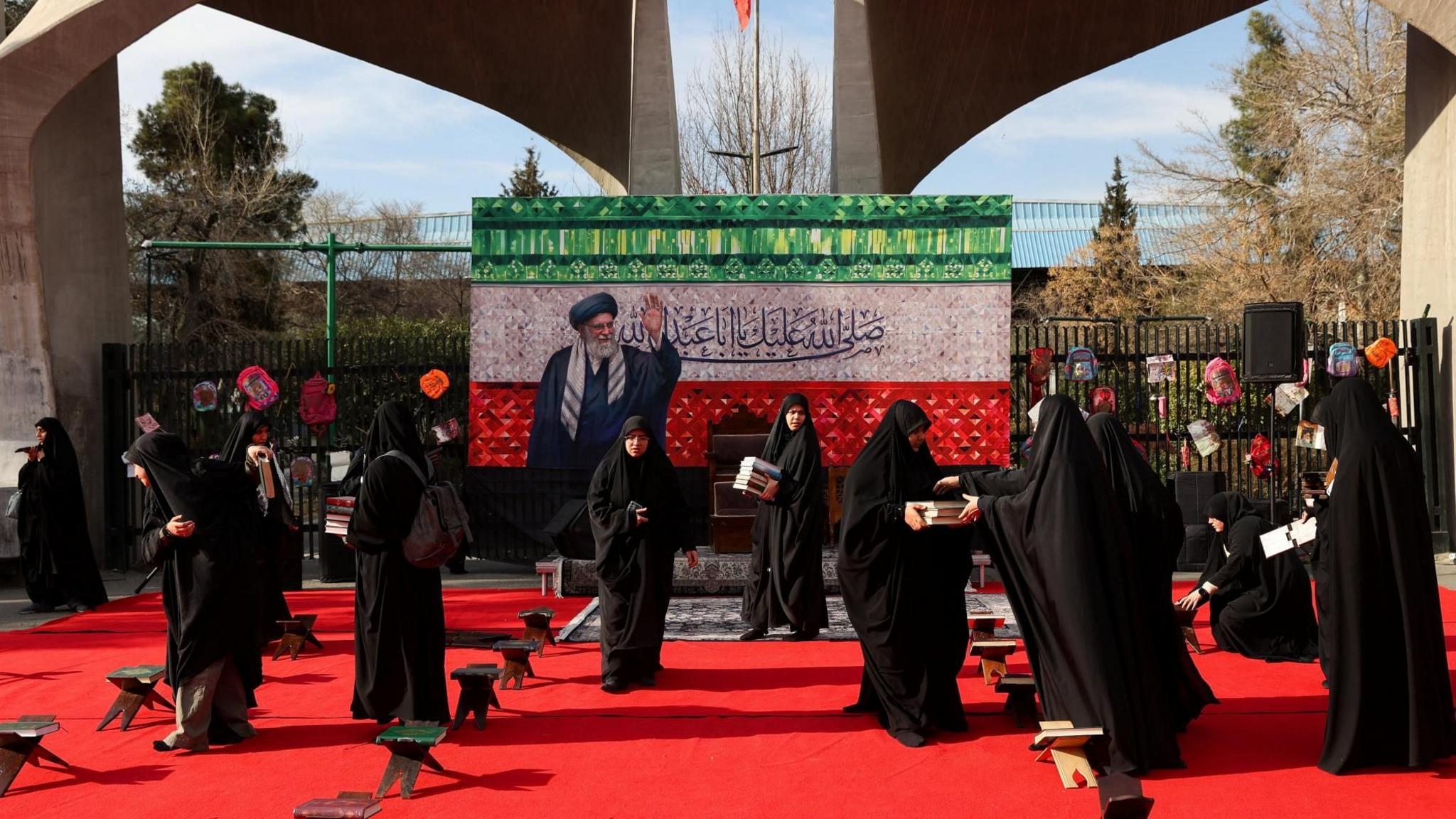
Six-day funeral planned across Iran and Iraq
Iran has organised an unprecedented six-day funeral programme that stretches beyond Tehran into several cities of deep religious significance.
The ceremonies will begin at Tehran's Grand Mosalla Mosque before moving through major Shia religious centres including Qom. Processions are also expected to extend into the Iraqi holy cities of Karbala and Najaf before concluding in Mashhad, Khamenei's birthplace, where he will be laid to rest near the revered Imam Reza shrine.
Iranian authorities expect tens of millions of mourners to participate across the various stages of the funeral, making it potentially one of the largest state funerals since the 1979 Islamic Revolution.
Security arrangements remain exceptionally tight. Officials fear that the funeral itself could become a target for hostile attacks, prompting one of the largest security deployments in recent Iranian history.
Global leaders expected to attend
The funeral is expected to attract delegations from numerous countries across Asia, Africa, Latin America and the Middle East.
Representatives from Iran's regional allies, including Iraq, Lebanon and several other nations maintaining diplomatic ties with Tehran, are expected to participate in the ceremonies. Western governments have largely stayed away from the event amid continuing geopolitical tensions.
The gathering is being viewed as both a religious ceremony and a diplomatic event, reflecting Khamenei's long-standing influence on regional politics and Iran's international alliances.
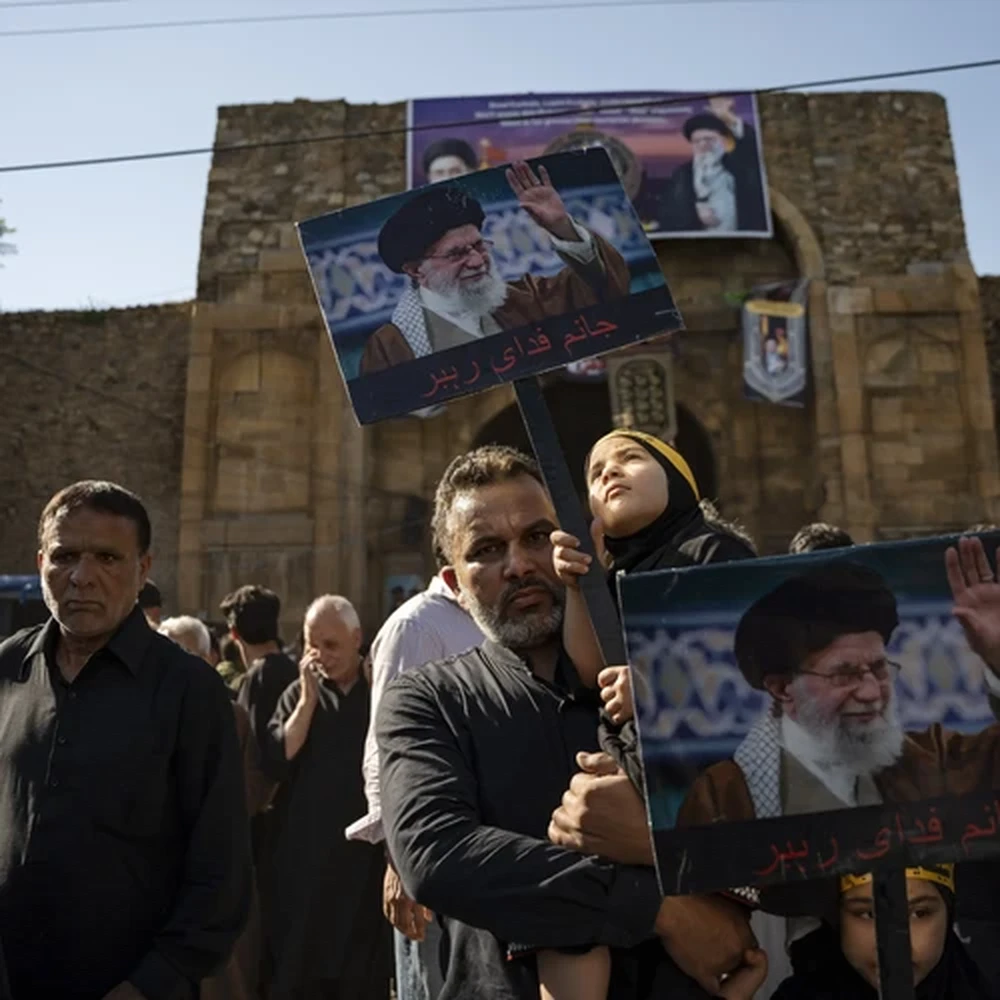
India sends political delegation
India will also be represented at the funeral, underscoring its long-standing diplomatic relationship with Iran despite complex geopolitical realities.
According to reports, the Indian delegation includes Union Minister of State for External Affairs Pabitra Margherita and Bihar Governor Syed Ata Hasnain as official representatives of the Government of India. Alongside the official delegation, several political leaders have also travelled to Tehran, including PDP chief Mehbooba Mufti and senior Congress leader Salman Khurshid.
Photographs released by the Iranian Embassy in New Delhi showed Indian dignitaries paying tribute before departing for Tehran. Mehbooba Mufti is expected to participate in funeral events beginning July 4, while Salman Khurshid is attending as part of the broader Indian delegation invited by Iranian authorities.
India's participation reflects the strategic importance of its relationship with Iran, particularly in areas such as energy cooperation, regional connectivity and the Chabahar Port project.
More than a funeral: A political message
Analysts believe the elaborate funeral serves purposes extending well beyond paying tribute to the late Supreme Leader.
The ceremony comes at a time when Iran is navigating leadership changes, recovering from months of conflict and attempting to reassure both domestic audiences and international partners about political stability.
The carefully choreographed public mourning is expected to reinforce the legitimacy of Iran's leadership following Khamenei's death while demonstrating that state institutions remain firmly in control despite external military pressure.
Mass participation is also likely to be presented as evidence of continued public support for the Islamic Republic, even as the country faces significant economic challenges and ongoing regional tensions.
A defining moment for Iran
Ayatollah Ali Khamenei served as Iran's Supreme Leader for nearly 36 years, becoming one of the most influential political and religious figures in the Middle East. His leadership shaped Iran's domestic governance, military strategy, nuclear policy and relations with both regional allies and Western powers.
His delayed funeral now marks not only the end of an era but also the beginning of a new chapter for the Islamic Republic.
As millions prepare to gather in Tehran and other holy cities over the coming days, the ceremonies are expected to become a defining national event—combining religious devotion, political symbolism and international diplomacy.
For Iran, the funeral represents an opportunity to honour a leader whose influence extended far beyond its borders while signalling continuity at a time of profound geopolitical uncertainty.
With inputs from agencies
Image Source: Multiple agencies
© Copyright 2026. All Rights Reserved. Powered by Vygr Media.