 By
By 
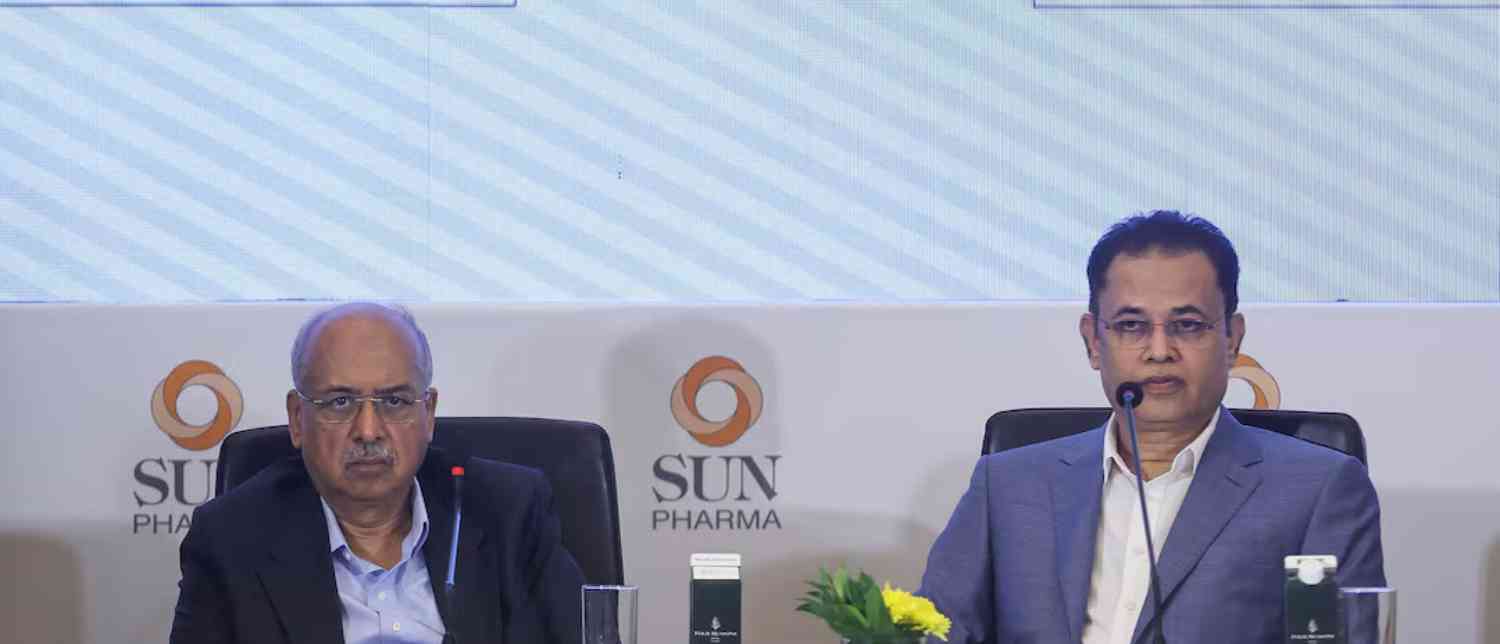
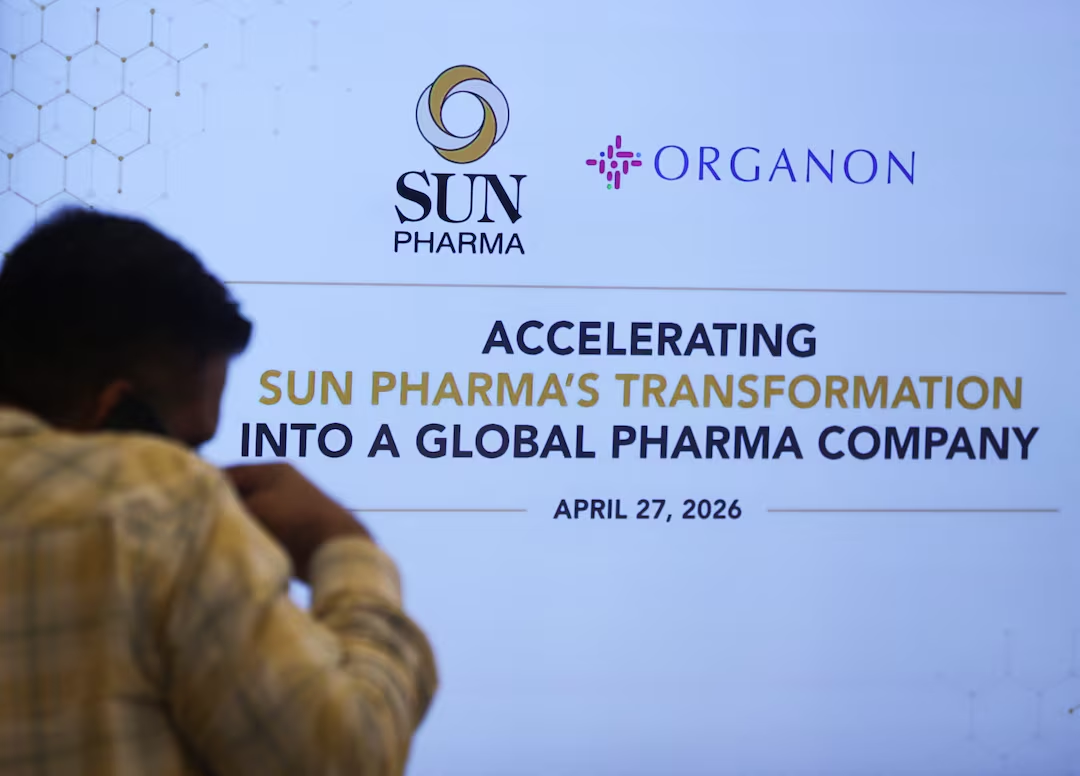
In one of the most consequential global pharmaceutical deals in recent years, India’s largest drugmaker, Sun Pharmaceutical Industries, has announced a sweeping $11.75 billion acquisition of U.S.-based healthcare firm Organon & Co.—a move that is not only reshaping the company’s global ambitions but also signaling a new era for India Inc.’s cross-border dealmaking.
The all-cash transaction, priced at $14 per share, will see Sun Pharma acquire 100% of Organon’s outstanding shares, valuing the company at an enterprise value of $11.75 billion, including debt. The deal, approved by the boards of both companies, is expected to close by early 2027, subject to regulatory and shareholder approvals.
A Transformational Bet on Scale and Strategy
At its core, the acquisition is about scale—and speed. Sun Pharma, long known for its dominance in generics, is making a decisive pivot toward specialty therapies, biosimilars, and women’s health. With Organon under its umbrella, the combined entity is expected to generate approximately $12.4 billion in annual revenue—almost double Sun Pharma’s standalone revenue of $6.2 billion. EBITDA is projected to rise to about $3.7 billion, underscoring the financial heft of the merger.
Organon, which was spun off from Merck & Co. in 2021, brings with it a portfolio of over 70 products spanning women’s health, biosimilars, and established medicines. These products are marketed across approximately 140 countries, with significant presence in major markets such as the United States, Europe, China, Brazil, and Canada.
The acquisition instantly expands Sun Pharma’s global footprint, giving it access to a broad international distribution network and a diversified therapeutic portfolio. More importantly, it accelerates the company’s entry into biosimilars—a fast-growing segment that is increasingly seen as the future of affordable biologic therapies.
Understanding Biosimilars—and Why They Matter
Biosimilars are essentially near-identical versions of complex biologic drugs whose patents have expired. Unlike traditional generics, which replicate chemically synthesized drugs, biosimilars are derived from living organisms, making them significantly more complex and cost-intensive to develop. However, they offer a critical advantage: lower-cost alternatives to expensive biologic treatments used in conditions like cancer, autoimmune disorders, and hormonal therapies.
The global biosimilars market has been expanding rapidly, driven by rising healthcare costs and the expiration of patents on blockbuster biologics. By acquiring Organon, Sun Pharma is poised to become one of the top 10 players globally in this segment, a leap that would have taken years to achieve organically.
A Strategic Push into Women’s Health
Another cornerstone of the deal is Organon’s strong positioning in women’s health—a segment often underserved but increasingly recognized as a major growth opportunity. Organon’s portfolio includes treatments for reproductive health, contraception, and fertility, placing Sun Pharma among the top three global players in women’s health post-acquisition.
This strategic shift aligns with broader global healthcare trends, where demand for specialized therapies tailored to women’s needs is growing rapidly. For Sun Pharma, it represents both a diversification play and a chance to build a leadership position in a high-margin, innovation-driven segment.
Financing the Mega Deal
The acquisition will be funded through a mix of internal accruals and committed financing from major global banks, including Citigroup, JPMorgan Chase, and MUFG Bank.
While the deal significantly increases Sun Pharma’s leverage in the short term, analysts expect the company’s strong cash flows and the combined entity’s enhanced earnings to ease debt concerns within a few years. In fact, the transaction is projected to be 30–40% accretive to earnings per share by FY2028, reflecting the long-term financial upside.
Organon itself brings a mixed financial profile: it reported $6.2 billion in revenue and $1.9 billion in adjusted EBITDA for 2025 but also carries net debt of about $8.6 billion. The integration challenge will therefore be as much about financial discipline as it is about operational synergy.
Market Reaction: A Vote of Confidence
Investors responded swiftly and positively to the announcement. Shares of Sun Pharma surged between 7% and 9% following the news, adding billions to its market capitalization.
Organon’s stock also rallied sharply, reflecting confidence in the deal’s valuation and future prospects. The offer price represents a significant premium over its previous closing levels, underscoring Sun Pharma’s aggressive bid to secure the acquisition amid potential competing interest.
India Inc.’s Global M&A Moment
Beyond the immediate financial and strategic implications, the deal carries broader significance for India’s corporate landscape. It ranks among the largest overseas acquisitions by an Indian company and is the biggest ever in the pharmaceutical sector.
The transaction underscores a growing trend: Indian companies are no longer just cost-efficient manufacturers but are increasingly positioning themselves as global leaders through bold acquisitions. For Sun Pharma, this deal is not just about growth—it is about transformation.
The move also comes at a time when global pharmaceutical companies are racing to strengthen their pipelines through mergers and acquisitions. With increasing competition, patent cliffs, and the need for innovation, scale has become a critical advantage.
Integration and Execution: The Real Test Ahead
While the strategic logic of the deal is compelling, execution will be key. Integrating a global company with operations across 140 countries is no small task. Sun Pharma will need to ensure business continuity, manage cultural differences, and extract synergies without disrupting existing operations.
The company has indicated that its immediate priorities will include disciplined integration, leveraging Organon’s talent pool, and unlocking revenue synergies over time. The combined entity is also expected to have a stronger cash flow profile, enabling faster deleveraging despite the initial debt burden.
A New Global Contender Emerges
Post-acquisition, Sun Pharma is expected to rank among the top 25 pharmaceutical companies globally. It will also strengthen its position in branded generics, expand its innovative medicines business, and establish a meaningful presence in biosimilars and women’s health.
In many ways, the deal marks a turning point—not just for Sun Pharma but for the Indian pharmaceutical industry as a whole. It reflects a shift from volume-driven growth to value-driven expansion, from generics to innovation, and from domestic dominance to global leadership.
As the dust settles, one thing is clear: this is more than just a merger. It is a statement of intent. Sun Pharma is no longer content with being India’s largest drugmaker—it is aiming to become a formidable global force in healthcare.
And with the Organon acquisition, it has taken a decisive step in that direction.
With inputs from agencies
Image Source: Multiple agencies
© Copyright 2026. All Rights Reserved. Powered by Vygr Media.