

 By
By 
There is a peculiar blindness in India’s urban imagination: we build cities for speed, scale and spectacle, but remain indifferent to the soundscape that engulfs them. Noise—relentless, invasive, and often unbearable—has become the defining background of modern Indian life. Yet, unlike air pollution, which now commands headlines and policy urgency, noise pollution continues to be dismissed as an irritant rather than recognised as a full-blown public health emergency.
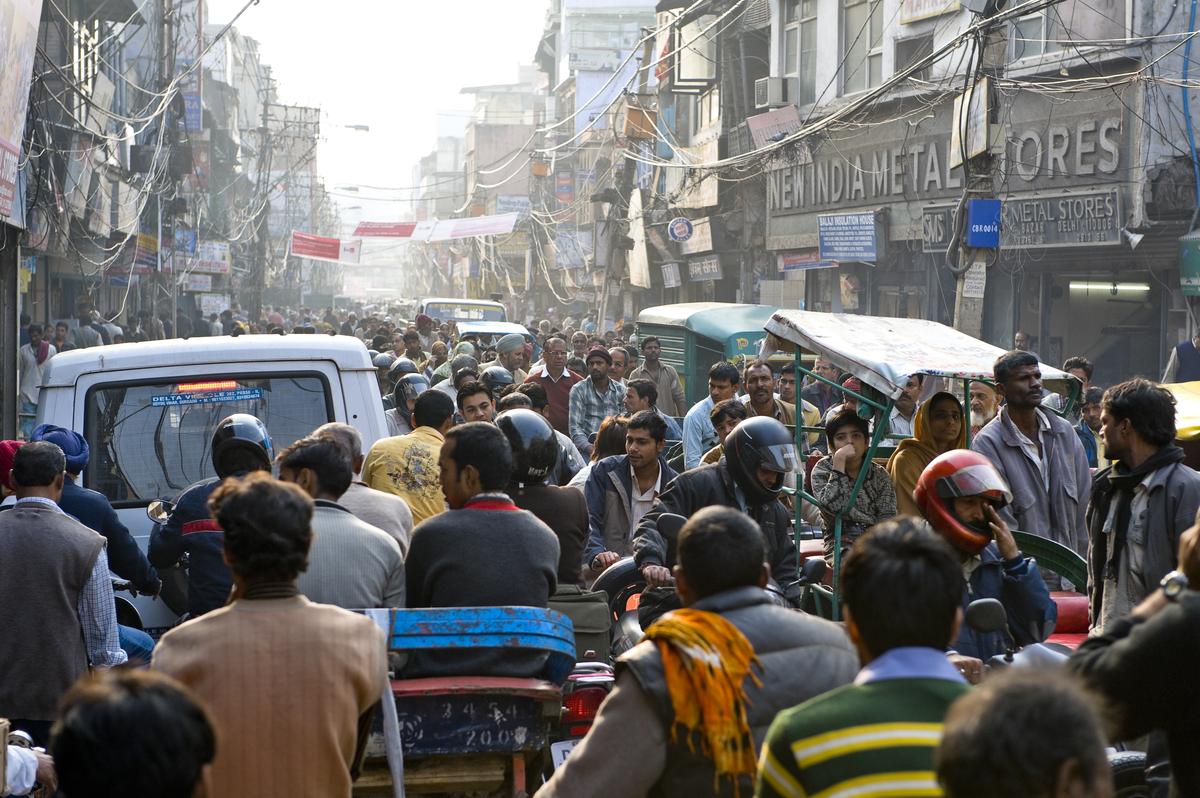
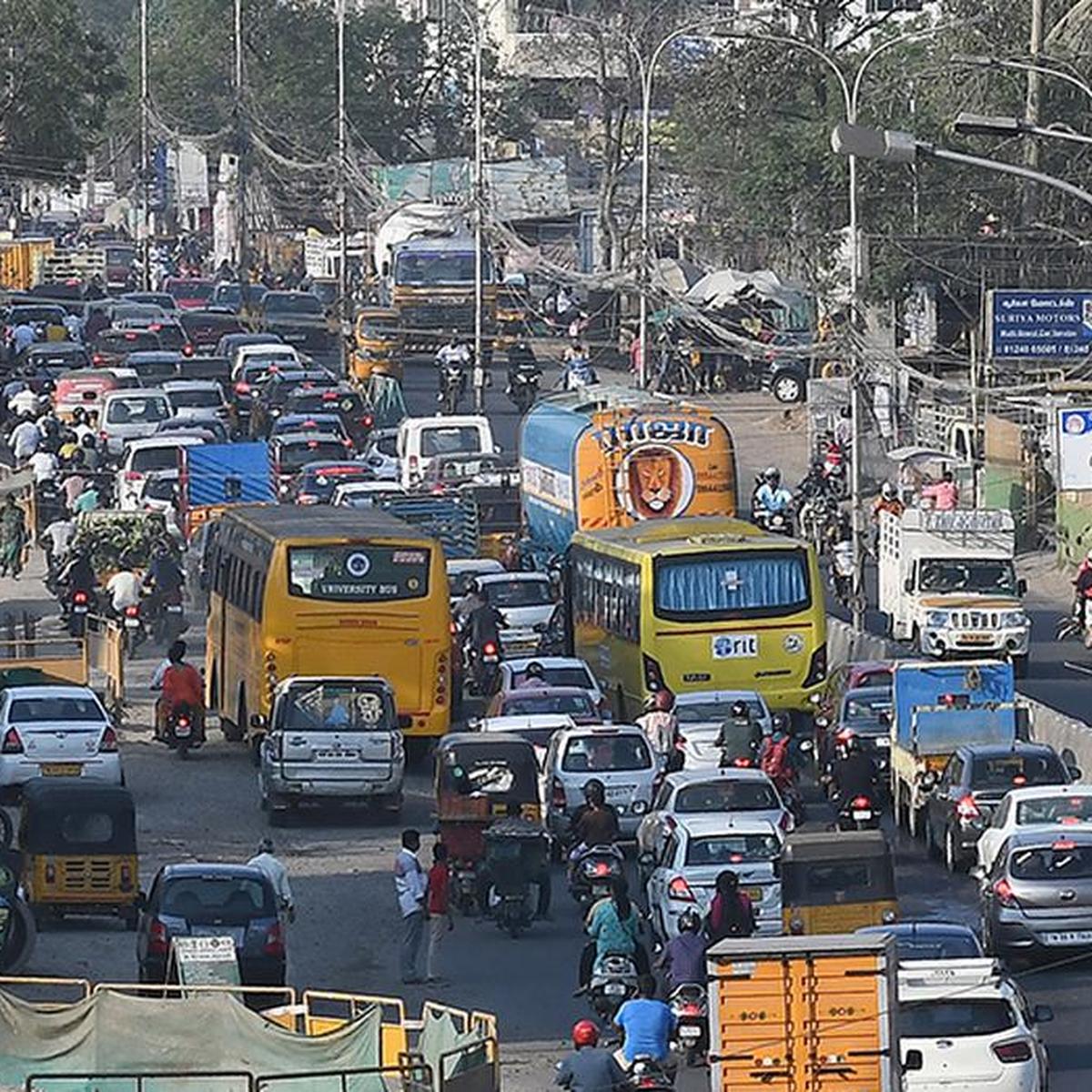
This denial persists despite mounting scientific evidence that what we casually label as “background noise” is, in fact, biologically harmful. Across Indian cities, average traffic noise routinely hovers between 80 and 100 decibels—well above the World Health Organization’s recommended limit of 70 dB. At such levels, the risk of hearing loss is not hypothetical; it is inevitable.
But the damage does not stop at the ear.
Noise is not merely heard—it is absorbed by the body. Chronic exposure activates the hypothalamic-pituitary-adrenal axis, a critical hormonal system that regulates stress response, energy balance, immunity, mood and sleep cycles. This activation triggers a cascade of physiological effects: elevated cortisol, rising blood pressure, and sustained cardiovascular strain. Night-time noise fragments sleep, disrupting deep and REM cycles, impairing cognition, and quietly eroding mental health. International research has already linked prolonged environmental noise exposure to cardiovascular and metabolic diseases. India, despite limited biomarker data, shows every sign of following the same trajectory.
Yet, policy and public consciousness lag far behind science.
An Invisible Epidemic
Noise-induced hearing loss (NIHL) has long been associated with industrial settings—factories, mines, and heavy machinery. That assumption is now outdated. Scientific studies increasingly show that chronic environmental noise, particularly from traffic, can cause measurable auditory damage even without occupational exposure.
Research led by environmental engineers and scientists has identified a consistent pattern: hearing damage often begins at around 4 kHz frequency, a critical range for speech perception. Studies of firecracker noise and urban traffic reveal repeated exposure to sound levels exceeding 85 dB, producing what experts describe as “accumulated auditory stress.” Initially, this manifests as a temporary threshold shift—essentially a reversible dip in hearing sensitivity. But with sustained exposure, the damage becomes permanent.
Urban sound environments are particularly insidious because they combine continuous moderate noise with sudden, high-intensity bursts—honking, construction drilling, sirens. In road tunnels, for instance, sound levels have been measured between 78.9 and 86.5 dB(A), again concentrated around the vulnerable 4 kHz range. These are not extreme, one-off exposures; they are the everyday acoustic reality of Indian cities.
And yet, this reality is poorly measured.
Most urban noise monitoring in India relies on fixed-location decibel readings taken at select intersections or during limited time windows. These snapshot measurements capture momentary intensity but fail to account for duration—how long people are exposed—or cumulative burden over time. This is a critical flaw. As experts point out, permissible exposure duration decreases logarithmically as decibel levels rise. A noise level that may be “safe” for a few minutes becomes dangerous over hours, days, and years.
In other words, noise risk is not just about how loud it is, but how long it lasts.
India’s monitoring systems, however, are not designed to capture this cumulative exposure. Metrics such as Leq (equivalent continuous sound level) and Ldn (day-night average) smooth out variations, ignoring sharp peaks like honking that significantly increase auditory strain. The result is a systemic underestimation of risk—a quiet crisis hidden behind averaged numbers.
Law Without Enforcement
India is not without regulation. The Noise Pollution (Regulation and Control) Rules, 2000, recognise noise as an environmental pollutant and prescribe limits for residential, commercial and silence zones. They restrict the use of loudspeakers, especially at night, and prohibit honking near hospitals.
On paper, the framework appears robust. In practice, it is largely symbolic.
Monitoring remains episodic, often triggered by festivals or public complaints rather than continuous assessment. Enforcement is weak, penalties are rarely imposed, and violations are routine. Loudspeakers blare through the night during religious festivals; construction continues beyond permissible hours; traffic honking remains ubiquitous; and sirens from official convoys cut through urban soundscapes with impunity.
The contradiction is stark: laws exist, but the will to implement them does not.
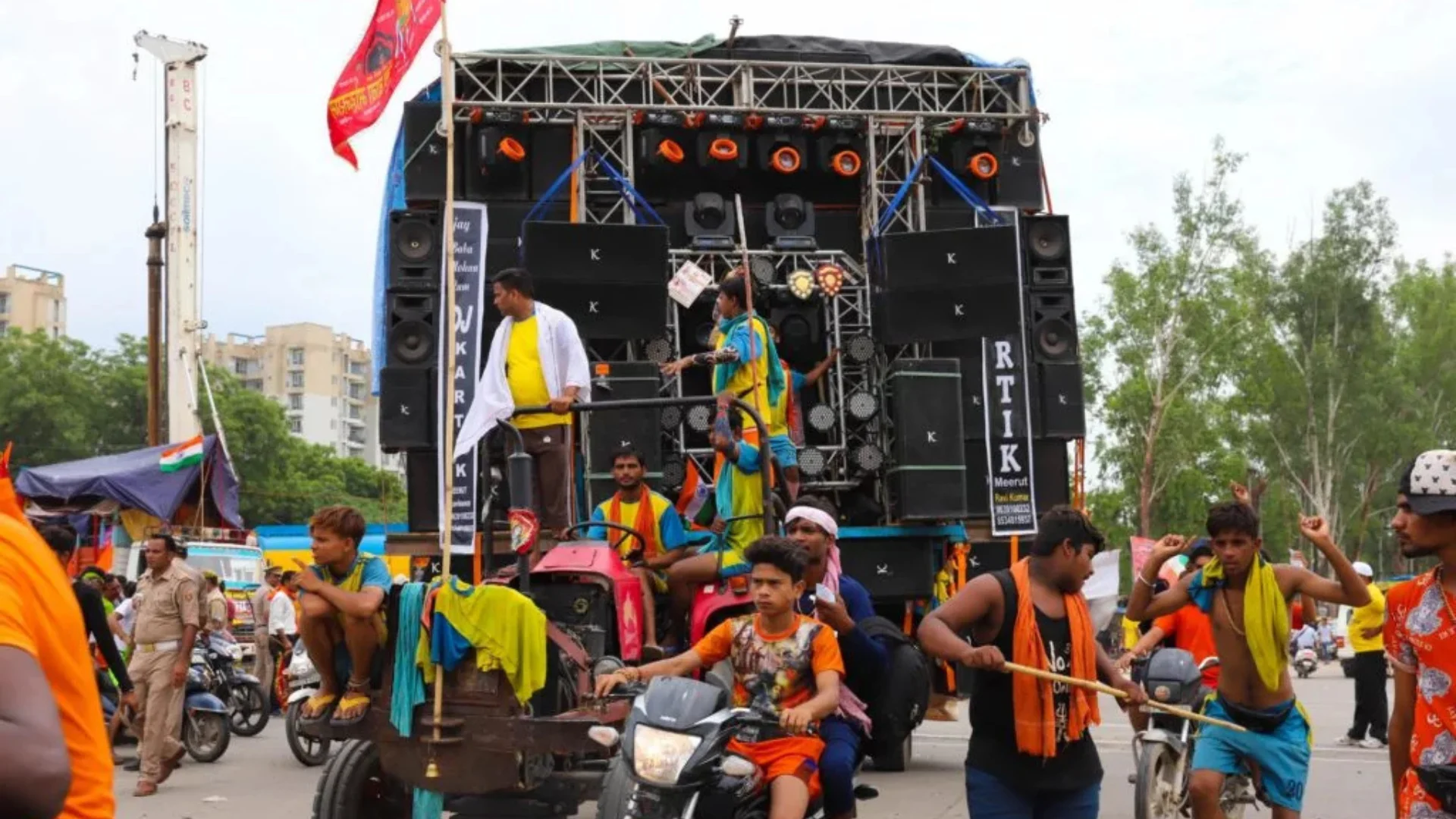
Consider the everyday experience of urban residents. In many neighbourhoods, loudspeakers from religious institutions, political events, and social gatherings operate well beyond legal limits. Festivals such as Ganesh Chaturthi and Durga Puja often feature high-decibel music systems mounted on vehicles, continuing late into the night. Devotional processions and events like Kanwar Yatras add to the cacophony.
Even routine practices—such as the amplified call to prayer in densely populated areas—have evolved into persistent sources of noise, extending beyond designated times. The question is not about faith or tradition, but about balance: in an age of mobile phones and personal alarms, does public amplification at high decibel levels remain necessary?
Meanwhile, construction noise—drills, cranes, concrete mixers—has become a constant companion in rapidly urbanising cities. Infrastructure growth, while essential, often proceeds without adequate noise control measures or adherence to time restrictions.
The result is a soundscape where silence has become the exception rather than the norm.
The Human Cost
The consequences of this unchecked noise are profound and far-reaching.
In healthcare, noise-induced hearing loss often goes undiagnosed or misattributed to ageing or lifestyle factors. High-risk groups—traffic police, drivers, roadside vendors—rarely undergo systematic screening. Yet evidence suggests they are among the most vulnerable.
A hearing screening of traffic personnel in Ahmedabad revealed alarming results: average hearing thresholds of over 40 dB in a majority of participants, indicating significant impairment. Though not peer-reviewed, such field studies underscore the scale of occupational risk.
Medical experts note that early-stage hearing loss can be detected through audiometry, often presenting as a characteristic dip at 4 kHz. Advanced tests like distortion product otoacoustic emissions (DPOAE) can identify damage even earlier. Yet, routine screening is not standard practice, leaving many cases undetected until irreversible.
Beyond hearing, the broader health impacts are equally concerning. Noise pollution contributes to stress, anxiety, sleep disorders, and reduced concentration. It elevates blood pressure and increases the risk of cardiovascular and cerebrovascular diseases. For hospital patients, noise delays recovery; for the elderly, it exacerbates vulnerability; for children, it disrupts learning and cognitive development.
Perhaps most troubling is the effect on education. In many urban neighbourhoods, sustained noise from traffic and loudspeakers makes focused study nearly impossible. Students struggle to concentrate, read, or retain information in environments that are fundamentally unconducive to learning. The long-term implications for human capital are difficult to quantify—but impossible to ignore.
A Cultural Problem
There is also an uncomfortable truth: noise in India is not just a regulatory failure; it is a cultural one.
From blaring mobile phones in public spaces to loud conversations in confined environments, there is a pervasive disregard for shared acoustic space. Even in airplanes, passengers are often reminded to use earphones—a directive that would be unnecessary in more sound-conscious societies.
The “noisy Indian” stereotype is not merely anecdotal; it reflects a broader social tolerance for high-decibel behaviour. This tolerance undermines regulation, normalises violations, and perpetuates the problem.
When ministers travel with siren-blaring escorts, what message does it send about noise discipline? When authorities themselves disregard rules, enforcement becomes a farce.
An Underestimated Burden
Experts warn that India’s urban planning fundamentally underestimates the burden of noise. There are no truly enforced quiet zones; honking rules are widely ignored; and cumulative exposure is rarely considered.
This gap between evidence and action is perhaps the most damning aspect of the crisis. As one expert succinctly put it: “We have the evidence. What we lack is the mechanism to act on it.”
The consequences extend beyond human health. Noise pollution disrupts ecosystems, affecting animal communication, migration, and reproduction. Birds alter their calls; aquatic life is disturbed by industrial and transport noise. These impacts, though less visible, contribute to broader ecological imbalance.
Economically, the costs are significant—reduced productivity, increased healthcare expenditure, and declining quality of life. Socially, persistent noise breeds conflict, dissatisfaction, and mental fatigue, making urban living increasingly stressful and unsustainable.
The Way Forward
Addressing noise pollution requires more than incremental fixes; it demands a shift in both policy and culture.
First, monitoring systems must evolve from snapshot measurements to comprehensive assessments that capture cumulative exposure. Integrating environmental noise data with routine hearing assessments could enable early detection and more accurate risk estimation.
Second, enforcement must become credible. This means strict penalties for violations, consistent monitoring, and accountability for authorities who fail to act. Silence zones—especially around hospitals and schools—must be protected in practice, not just in law.
Third, targeted interventions can yield immediate benefits: low-noise zones in high-exposure areas, restrictions on the noisiest vehicle categories, and rerouting of traffic away from sensitive locations. Technological solutions—noise barriers, quieter machinery, improved road design—should be integrated into urban planning.
Fourth, public awareness is crucial. Citizens must understand that noise is not harmless. Responsible behaviour—avoiding unnecessary honking, respecting time restrictions, using sound equipment judiciously—can significantly reduce overall noise levels.
Finally, there is a case for bold measures: banning loudspeakers in public and residential areas, restricting their use during festivals, and eliminating unnecessary sirens from official vehicles. These steps may seem drastic, but they reflect the scale of the problem.
A Question of Urban Civility
Urbanisation is not merely about infrastructure; it is about the quality of life it enables. A city that cannot offer moments of quiet reflection, uninterrupted sleep, or a conducive environment for learning is fundamentally failing its residents.
India’s noise crisis is not silent—it is deafening. What remains silent is our response.
Until noise pollution is treated with the urgency it deserves—as a public health emergency, an environmental hazard, and a question of urban civility—the damage will continue to accumulate, one decibel at a time.
The question is no longer whether India can hear the problem. It is whether it is willing to listen.
*Views expressed in the above piece are personal and solely those of the author. They do not necessarily reflect Vygr’s views.
With inputs from agencies
Image Source: Multiple agencies
© Copyright 2025. All Rights Reserved. Powered by Vygr Media.