 By
By 
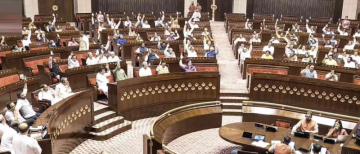
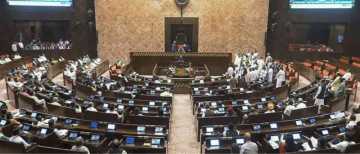
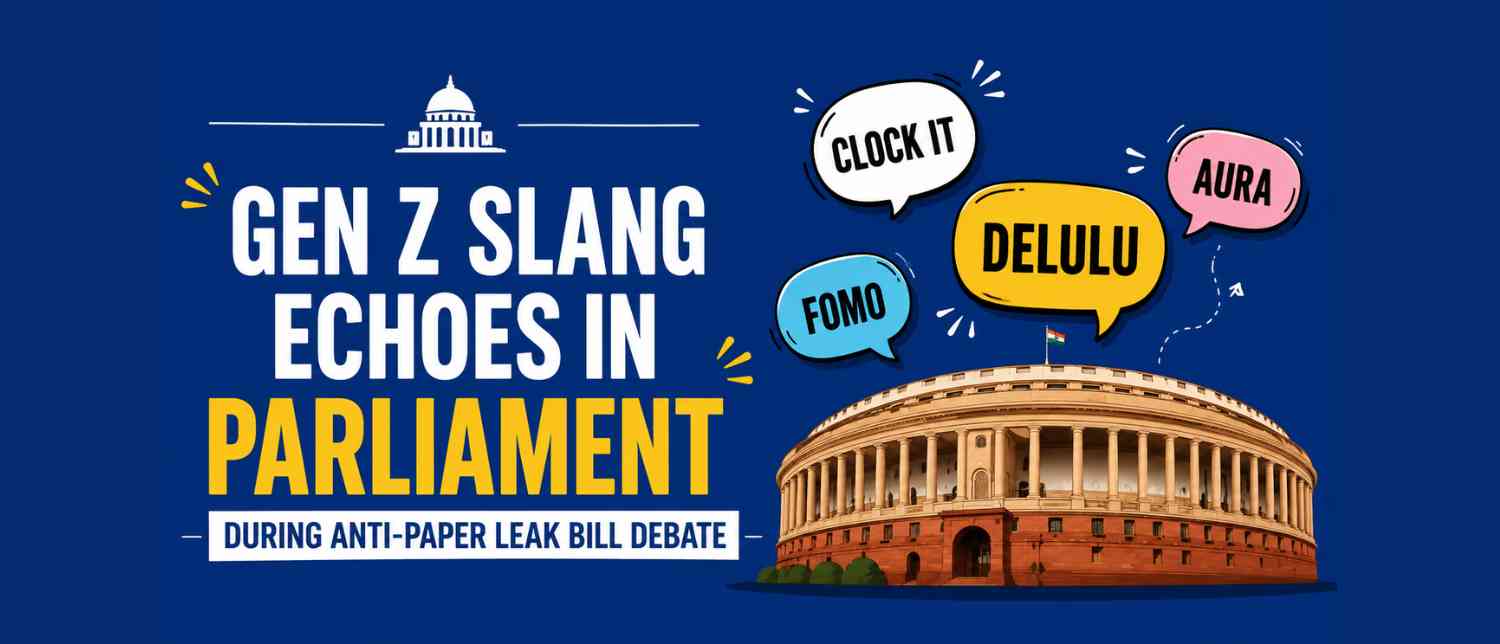
New Delhi: India's Parliament witnessed an unusual blend of politics and internet culture this week as lawmakers debating the Public Examinations (Prevention of Unfair Means) Amendment Bill, 2026 sprinkled their speeches with Gen Z expressions such as "delulu," "clock it," "FOMO," and "aura." The unexpected use of youth slang transformed what could have been a routine legislative debate into one of the most talked-about parliamentary exchanges in recent years, with clips rapidly going viral across social media.
The debate, centred on strengthening India's legal framework against examination paper leaks, came amid heightened public concern over the integrity of competitive examinations. Yet, beyond the politics of the Bill, it was the language adopted by Members of Parliament that captured the imagination of younger audiences, bridging the gap between Parliament and a generation more accustomed to Instagram Reels and memes than parliamentary proceedings.
Parliament Speaks Gen Z
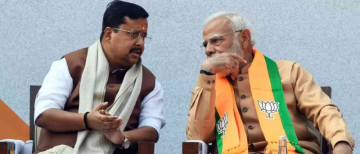
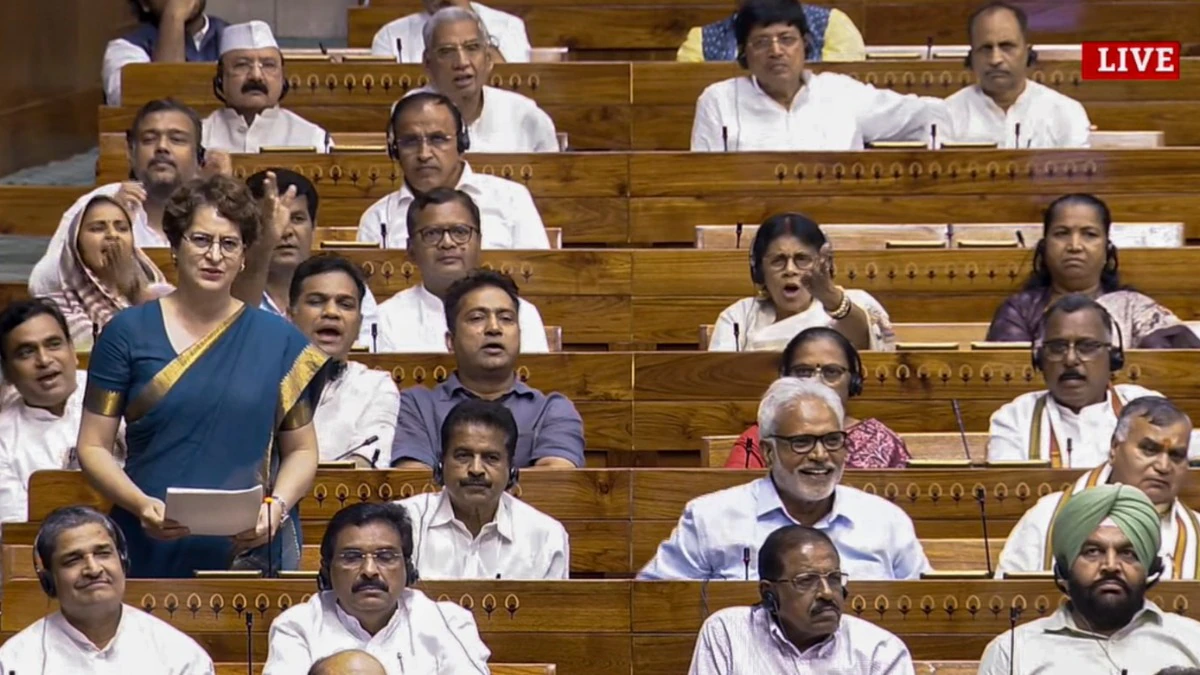
The trend began when BJP MP Bansuri Swaraj, while supporting the Bill, borrowed a popular Gen Z expression to praise the government's response to the examination paper leak crisis.
"Borrowing Gen Z's language, I would have to say that Modiji clocked it," she remarked, using the phrase "clocked it"—popular online slang meaning to correctly identify, understand or address a situation. The comment immediately drew attention inside and outside Parliament, with social media users praising the unexpected crossover between legislative debate and internet vocabulary.
As the discussion progressed, MPs across party lines embraced similar expressions, turning the House into an unlikely showcase of contemporary youth slang.
'Delulu' Becomes the Word of the Day
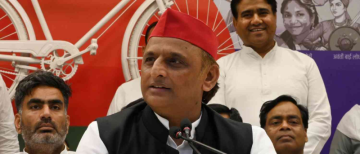
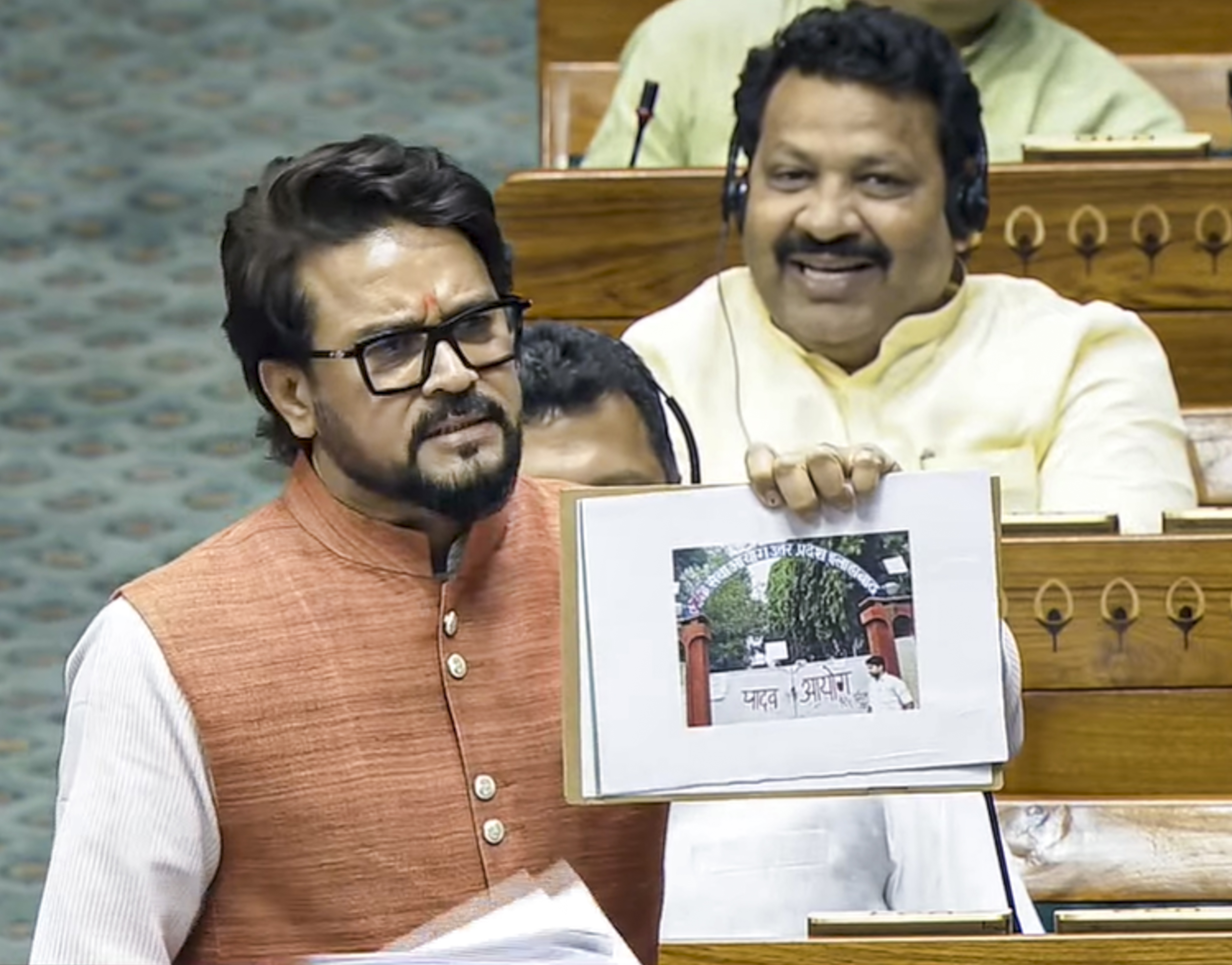
One of the most widely discussed moments came when Samajwadi Party chief Akhilesh Yadav used the term "delulu"—short for "delusional"—to criticise the government's approach to the examination crisis. The phrase, commonly used by Gen Z to describe unrealistic beliefs or wishful thinking, quickly became the defining buzzword of the debate.
The exchange highlighted how internet culture has seeped into mainstream political discourse. Words that originated on social media platforms such as TikTok, Instagram and X are now finding their way into India's highest legislative institution.
Several MPs also employed expressions like "FOMO" (Fear of Missing Out), "aura", and other internet-native terms to connect with younger audiences while making political arguments about education reforms and examination integrity.
Observers noted that such language not only lightened the tone of an otherwise intense discussion but also reflected an evolving communication style among elected representatives seeking to engage digitally connected voters.
Debate Rooted in a Serious Issue
Despite the viral moments, the debate itself addressed one of the country's most pressing concerns—the growing menace of examination paper leaks.
The Public Examinations (Prevention of Unfair Means) Amendment Bill, 2026 seeks to significantly tighten penalties against individuals and organised networks involved in leaking question papers or facilitating unfair practices during public examinations.
The proposed amendments include harsher prison terms, steeper financial penalties, stronger investigative powers and faster trial mechanisms aimed at dismantling organised examination fraud. The legislation follows widespread outrage over recent examination irregularities, particularly those involving NEET and other competitive recruitment tests, which triggered nationwide student protests and intense political scrutiny.
The government has maintained that stronger legal provisions are essential to restore public confidence in India's examination system and protect the future of millions of students.
Political Divide Continues
While the government described the Bill as a decisive step against paper leak mafias, the Opposition argued that legislative changes alone would not solve systemic failures.
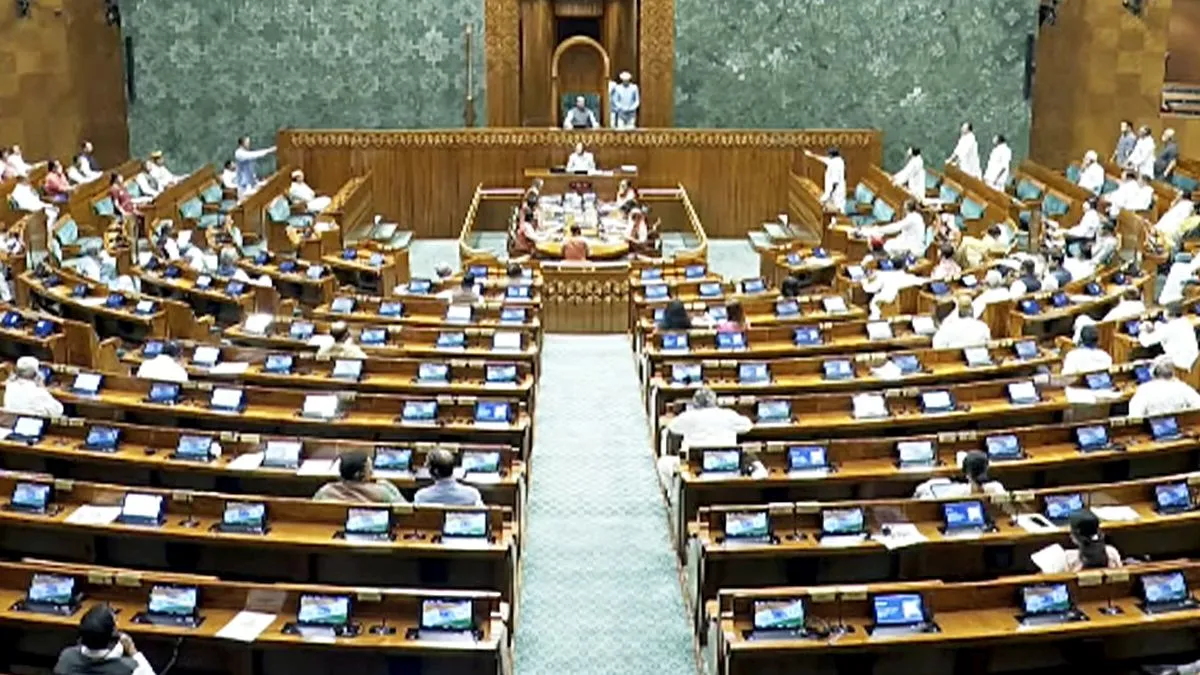
Opposition MPs repeatedly questioned the government's handling of recent paper leak incidents and demanded accountability for alleged police action against protesting students. The issue led to disruptions in Parliament before the debate eventually proceeded, reflecting the broader political contest over education governance and student welfare.
The debate therefore combined two parallel narratives: one focused on legislative reform and another centred on political accountability.
Why Gen Z Slang Matters
Linguists and political observers believe the episode signals a broader shift in political communication.
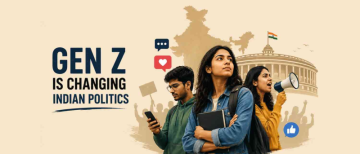
Terms like "clock it", "delulu", "FOMO", and "aura" are no longer confined to memes or social media conversations. Their appearance in Parliament suggests that politicians increasingly recognise the importance of speaking in a language that resonates with younger voters, many of whom consume political content through short-form videos rather than traditional news broadcasts.
Political messaging has steadily evolved alongside digital culture. From catchy hashtags during election campaigns to meme-based outreach on social media, parties have experimented with new communication styles to remain relevant among first-time voters. The latest parliamentary debate demonstrated that this evolution has now entered legislative speeches themselves.
The use of youth slang also sparked conversations online about whether such language makes parliamentary proceedings more accessible or risks trivialising serious issues. Many social media users welcomed the change, arguing that relatable language encourages younger citizens to pay attention to debates they might otherwise ignore. Others cautioned that while humour and internet references can improve engagement, they should not overshadow the gravity of policy discussions.
Social Media Reacts
Clips from the Lok Sabha debate quickly spread across X, Instagram and YouTube, with users sharing compilations of MPs using Gen Z terminology. Memes comparing Parliament to a college debate competition flooded timelines, while many users joked that lawmakers had finally "understood the assignment."
Others appreciated the symbolic value of Parliament acknowledging youth culture, especially during a discussion concerning examinations—an issue that directly affects millions of students and young job aspirants.
Communication experts observed that such moments have the potential to increase public interest in parliamentary proceedings, particularly among younger demographics who rarely follow live legislative debates.
Beyond the Buzzwords
Although the internet has largely celebrated the humorous exchanges, the core issue remains deeply significant.
India has witnessed repeated controversies over leaked examination papers, affecting competitive exams for admissions and government recruitment. Such incidents have disrupted academic calendars, forced re-examinations, and shaken public trust in institutions responsible for conducting high-stakes tests.
The Amendment Bill aims to address these concerns by strengthening deterrence against organised cheating networks and ensuring quicker prosecution of offenders. The government argues that tougher laws will help safeguard merit-based selection, while critics insist that legal reforms must be accompanied by improvements in examination administration, transparency and institutional accountability.
A Debate That Broke the Internet
The anti-paper leak Bill debate will likely be remembered not only for its legislative significance but also for demonstrating how India's political vocabulary is evolving.
As lawmakers borrowed expressions from internet culture, Parliament briefly mirrored the language of the generation whose future was at the centre of the discussion. Whether it was "clock it," "delulu," or "FOMO," the viral phrases helped bring unprecedented online attention to a debate about educational integrity.
In doing so, the proceedings illustrated an emerging reality of modern politics: effective communication increasingly requires speaking the language of digital-native citizens. And for at least one day, Parliament proved it could do exactly that—without losing sight of the serious challenge posed by examination paper leaks.
With input from agencies
Image Source: Multiple agencies
© Copyright 2026. All Rights Reserved. Powered by Vygr Media.