 By

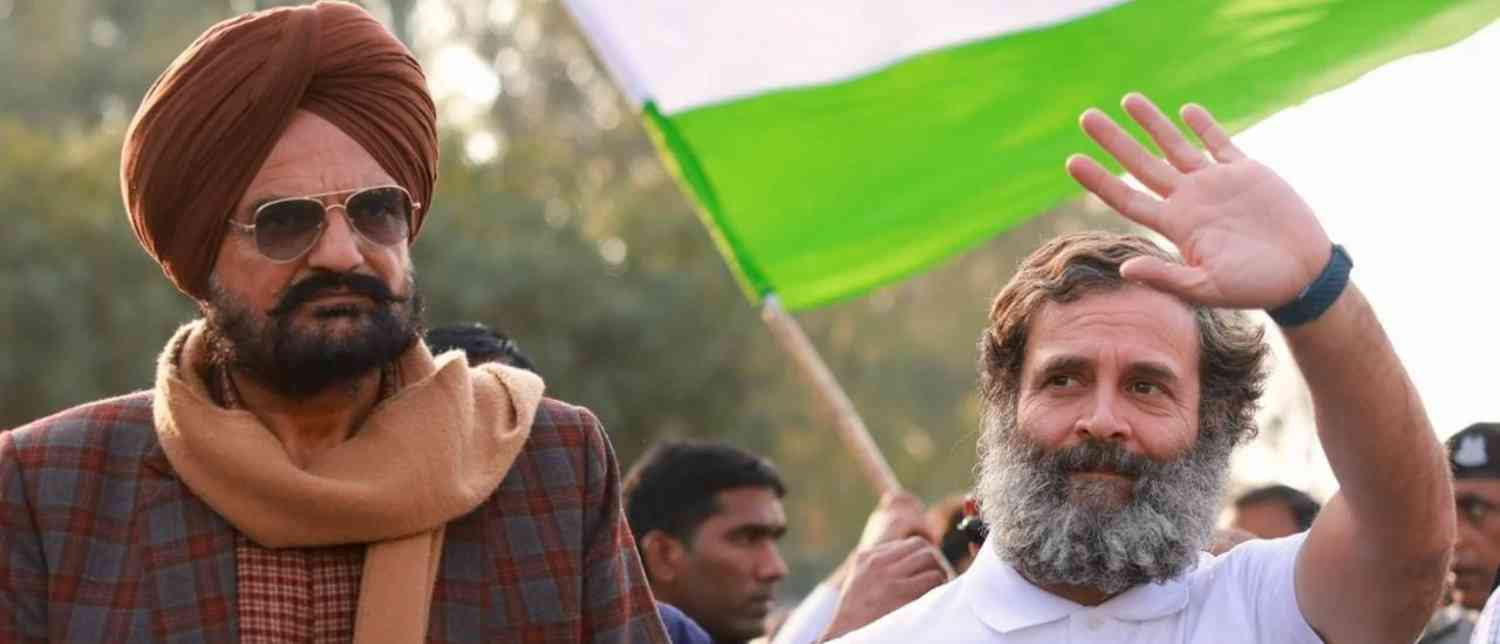
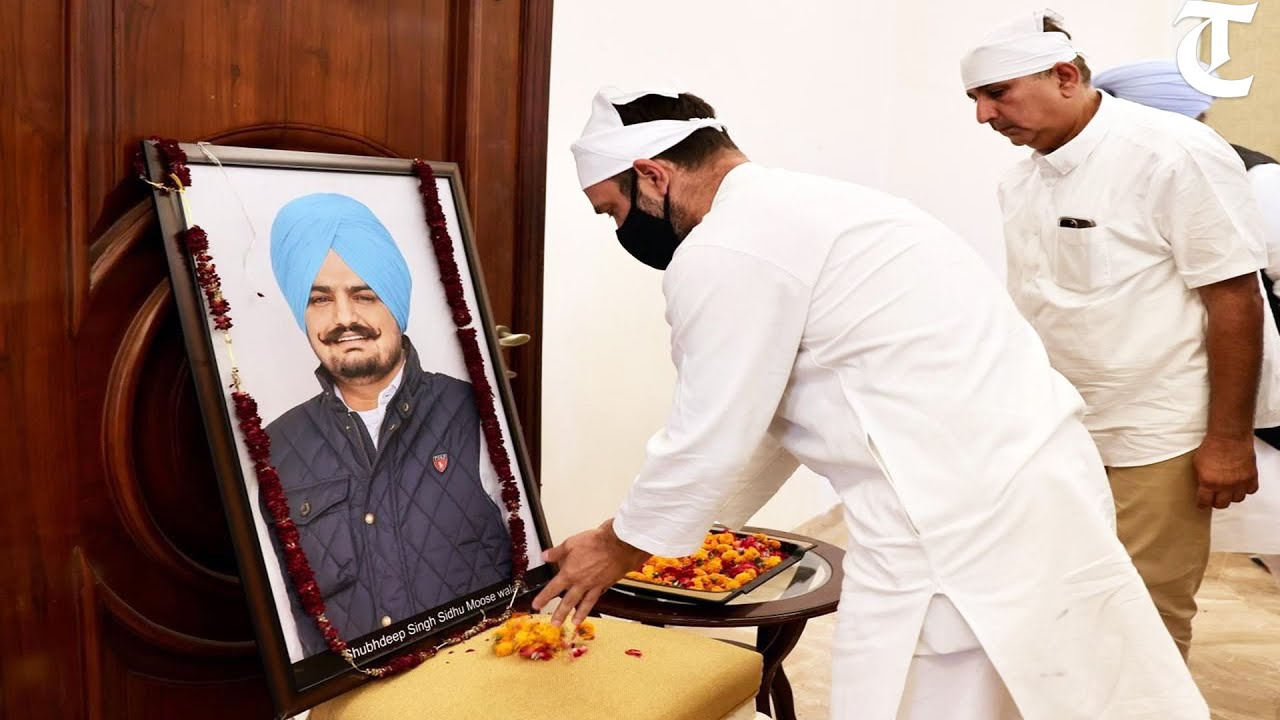
Rahul Gandhi's recent tribute to late Punjabi singer Sidhu Moose Wala has brought his music, political journey and controversial legacy back into the spotlight. Addressing the Congress Insaaf Rally in Sangrur, Punjab, Gandhi remembered the singer as an exceptionally talented young man who had the potential to make a mark in politics. He also recalled their first meeting and raised questions about the circumstances surrounding Moose Wala's murder in May 2022.
However, the tribute has opened up a larger political debate. While Sidhu Moose Wala remains one of the most influential Punjabi singers of his generation, his musical career was never free from controversy. From songs accused of glorifying gun culture and gangster imagery to tracks addressing Sikh identity, Punjab's political history and contentious territorial issues, his work represented several competing ideas.
For the Congress, which is preparing for the 2027 Punjab Assembly elections, celebrating Moose Wala's popularity may offer a powerful political connection with younger voters. But embracing his entire musical legacy is considerably more complicated. The singer's songs touched upon issues that extend beyond conventional party politics, raising questions about freedom of expression, religious identity, federalism and Punjab's relationship with the Centre.
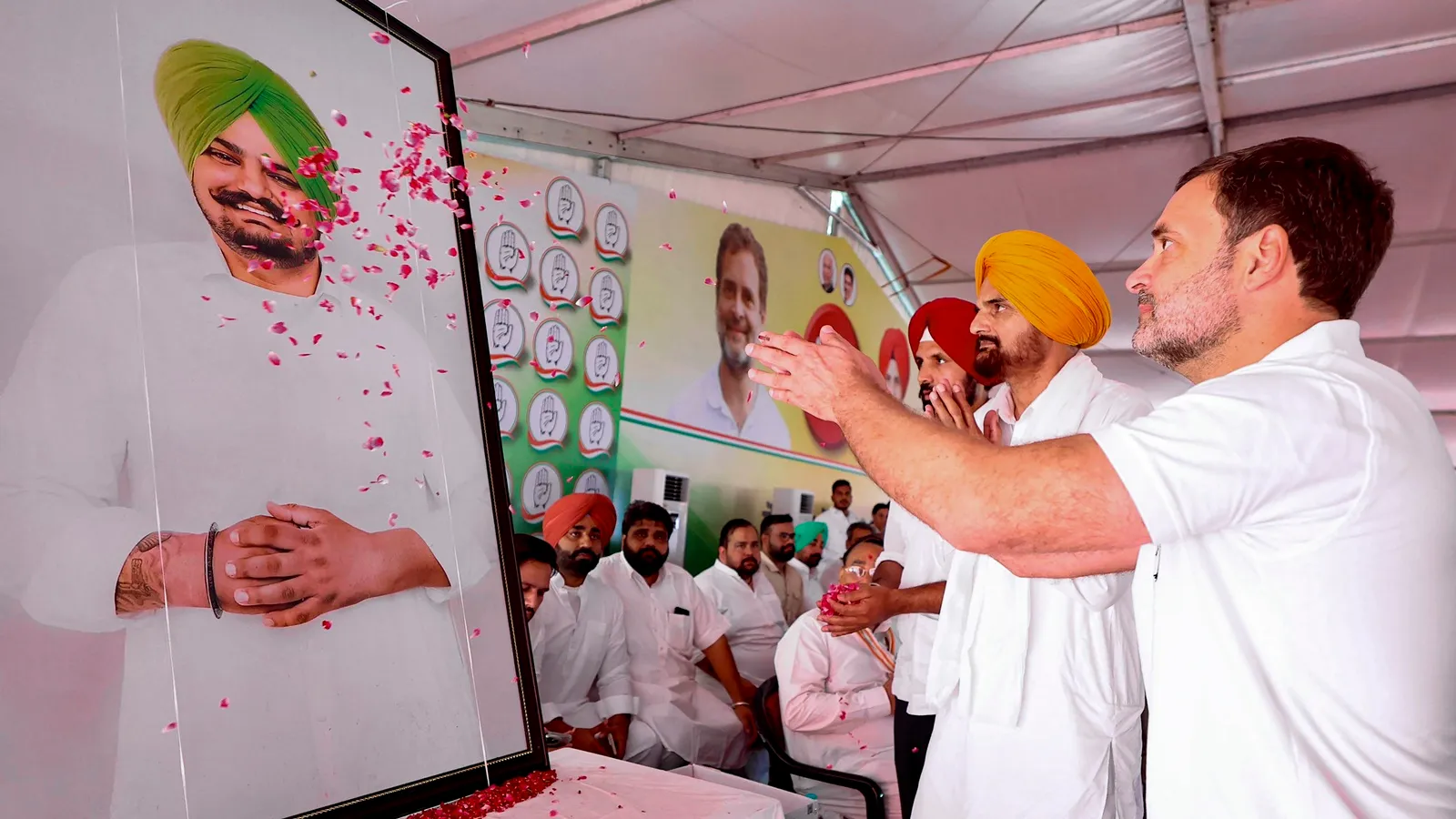
Rahul Gandhi's Tribute to Sidhu Moose Wala at Sangrur Rally
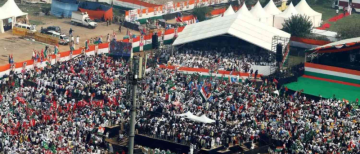
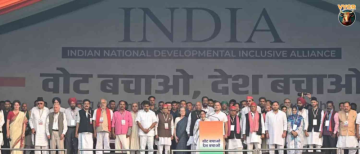
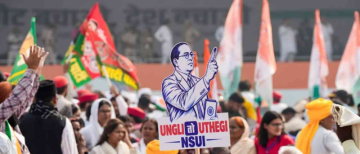
During the Congress Insaaf Rally in Sangrur on November 4, 2026, Rahul Gandhi recalled his first meeting with Sidhu Moose Wala, who joined the Congress in December 2021. Gandhi described him as a dynamic and talented young man, adding that the singer could potentially have built a successful political career.
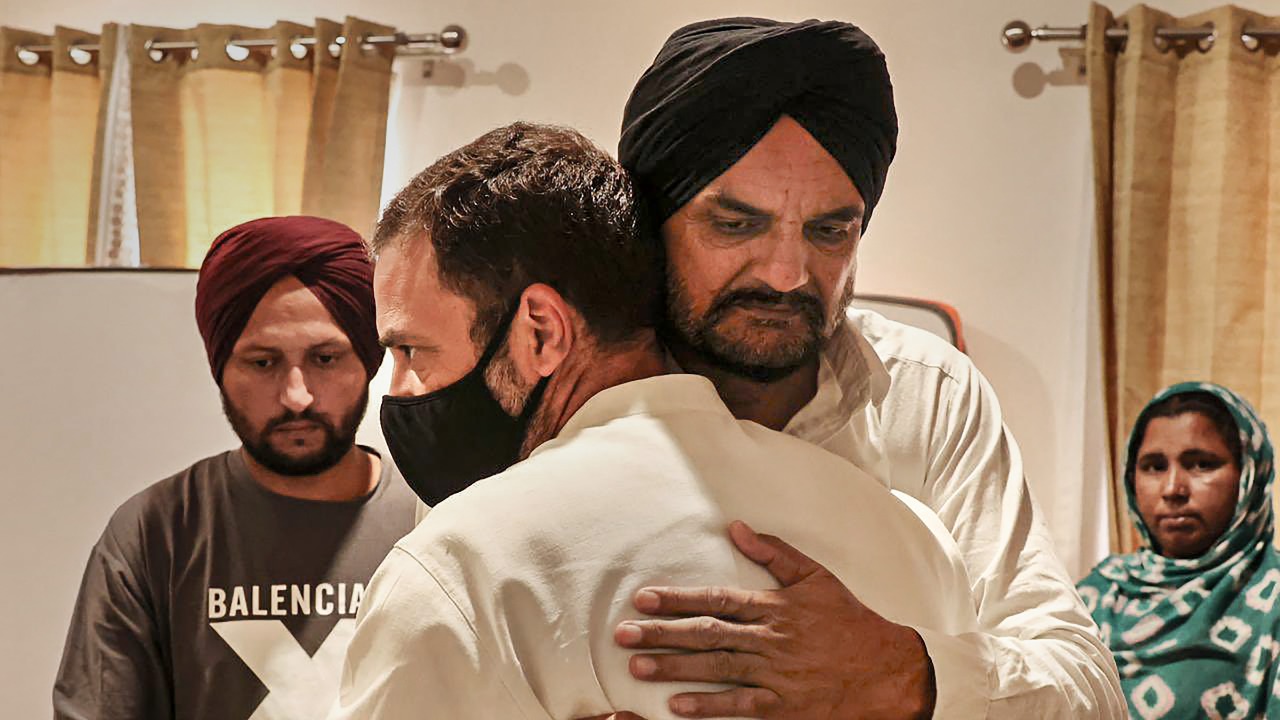
The Congress leader also invited Moose Wala's father, Balkaur Singh, onto the stage and spoke about the singer's murder. The incident became an important part of Gandhi's criticism of Punjab's law-and-order situation and the Aam Aadmi Party government led by Bhagwant Mann.
Moose Wala was shot dead in May 2022 in Jawaharke village in Mansa district, just days after his security cover was reduced. His killing triggered widespread outrage and raised serious questions about public safety, gangster networks and the state's handling of organised crime.
Gandhi argued that the circumstances surrounding the murder reflected a wider atmosphere of fear in Punjab. He also referred to the singer's music, particularly his song '295', acknowledging the deeper message behind his lyrics.
The timing of the tribute is politically significant. With Punjab heading towards Assembly elections in 2027, Congress is attempting to strengthen its position in a state where it lost power to the Aam Aadmi Party in 2022. Remembering a popular singer who had previously contested an election on a Congress ticket allows the party to connect its political campaign with a figure who continues to command considerable public attention.
However, Moose Wala's popularity was never limited to his association with one political party. His music reflected a much wider set of cultural, social and political concerns.
Sidhu Moose Wala's Music and the Controversy Over Gun Culture
One of the most debated aspects of Sidhu Moose Wala's career was his frequent use of guns, gangster imagery, aggressive masculinity and personal rivalries in his songs.
His breakthrough track 'So High', released in 2017, established a distinctive musical identity built around confidence, status, wealth and an intimidating public persona. Subsequent songs, including 'Warning Shots' and 'Jatt Da Muqabala', continued to explore themes of power, enemies, weapons and personal dominance.
For many fans, these songs represented confidence, resistance and the ability to stand up against powerful opponents. His music also resonated with young listeners who identified with its unapologetic attitude and references to rural Punjabi life.
However, critics argued that repeatedly presenting weapons and violent confrontations as symbols of strength could normalise gun culture among impressionable young audiences.
The controversy became more serious in February 2020, when Punjab Police registered a case against Moose Wala and another Punjabi singer over allegations of promoting violence and gun culture through a song. He also faced legal trouble after videos showing him handling firearms, including an AK-47, circulated on social media.
Instead of distancing himself entirely from the controversy, Moose Wala incorporated the criticism into his public image. His song 'Sanju', for instance, drew parallels between the legal cases against him and the criticism faced by public figures.
This contradiction became an important part of his identity. While he was criticised for glorifying weapons, he also used his music to express frustration with injustice, social inequality and the political establishment.
The debate surrounding Moose Wala therefore raises a larger question about Punjabi music: where should the boundary between artistic freedom and the glorification of violence be drawn?
Punjabi music has a long history of celebrating bravery, resistance and warrior traditions. However, the increasing popularity of songs featuring firearms, gang rivalries and criminal imagery has generated concerns about the influence of commercial music on youth culture.
Moose Wala became one of the most visible faces of this debate, making it difficult to separate his artistic achievements from the controversies surrounding his lyrics.
'295': Sidhu Moose Wala's Song About Freedom of Expression
Among the many songs in Moose Wala's catalogue, '295' occupies a particularly important position because of its social and political message.
The title refers to Section 295 of the Indian Penal Code, which dealt with acts involving the destruction or defilement of places of worship or sacred objects with the intention of insulting a religion. The broader discussion surrounding religious offence, public outrage and freedom of expression forms the foundation of the song.
Through '295', Moose Wala addressed the difficulties faced by artists and individuals who express opinions that challenge established religious, political or social positions.
The song questioned the growing pressure on public figures to conform to popular expectations and highlighted the consequences of expressing controversial views.
Its message made it particularly relevant to discussions about artistic freedom in India, where musicians, writers, filmmakers and other public personalities have frequently faced criticism over their creative expression.
This is also why Rahul Gandhi's reference to '295' at the Sangrur rally is politically significant. The song can be interpreted through a broader national conversation about freedom of speech, intolerance and the pressure exerted on individuals who challenge influential institutions.
However, '295' represents only one part of Moose Wala's musical identity. His other politically charged songs explored issues that are considerably more difficult to accommodate within the messaging of a mainstream national political party.
'Panjab' and 'SYL': The Politics Behind Sidhu Moose Wala's Songs
Sidhu Moose Wala's music gradually developed beyond personal rivalries and gangster-inspired imagery. His later work increasingly addressed Punjab's history, Sikh identity, agricultural concerns and the state's complicated relationship with the Centre.
Two particularly important examples are 'Panjab' and 'SYL'.
His song 'Panjab' contained references to Sikh history and influential figures, including Jarnail Singh Bhindranwale. These references attracted attention because of their connection with Punjab's turbulent political history and the continuing debates surrounding Sikh identity and political representation.
The song resonated with listeners who viewed it as an expression of Punjabi pride and resistance. However, its political and historical references also made it controversial.
For the Congress, such themes present a challenge. The party can speak about Punjab's rights, federalism and the state's historical grievances. However, the political symbolism surrounding certain figures and movements carries a much more complicated history that cannot easily be converted into a conventional election message.
The controversy surrounding 'SYL' is even more significant.
Released posthumously in June 2022, the song addressed the long-running Sutlej-Yamuna Link canal dispute between Punjab and Haryana. The disagreement over the sharing of river waters has remained one of the most sensitive political issues in the region.
The song went beyond water-sharing concerns. It referred to Chandigarh, the territorial reorganisation of Punjab, the events of 1984, Sikh prisoners and the farmers' agitation.
Its lyrics also invoked historical territorial claims associated with undivided Punjab, making it a politically sensitive release.
The song was subsequently removed from YouTube in India, generating further debate about censorship, political sensitivities and freedom of expression.
For many listeners, 'SYL' represented frustration over unresolved questions concerning Punjab's rights and political identity. For others, its references raised concerns about the implications of using popular music to advance contentious political positions.
Regardless of the differing interpretations, the song demonstrated how Moose Wala had developed into an artist willing to address subjects extending far beyond commercial entertainment.
Farmers' Protest Changed the Political Direction of His Music
The farmers' agitation against the three contentious agricultural laws introduced by the Centre became a significant turning point in Sidhu Moose Wala's public life.
Punjab's agricultural community played a central role in the nationwide protests, with thousands of farmers travelling to Delhi's borders to oppose the legislation. Moose Wala openly supported the movement and participated in activities organised in support of protesting farmers.
His song 'Panjab' became closely associated with the movement, with its powerful lyrics and references to Punjabi identity finding an audience among protesters.
His support was not limited to social media statements. He attended farmers' events and used his popularity to draw attention to the concerns of the agricultural community.
His connection with rural Punjab was also central to his appeal. Unlike artists who primarily presented an urban or international lifestyle, Moose Wala frequently celebrated village life, farming traditions and the identity of people from agricultural backgrounds.
His songs reflected the aspirations and frustrations of young people dealing with unemployment, migration, social inequality and the difficulties of sustaining an agricultural livelihood.
Punjab has long experienced the outward migration of young people searching for employment and better economic opportunities abroad. Moose Wala's music acknowledged these realities while encouraging listeners to take pride in their villages, language and cultural roots.
This connection with rural society helped him build an audience far beyond conventional music markets. His songs became particularly meaningful to Punjabi communities living overseas, who found familiar cultural references and emotions in his lyrics.
Nevertheless, his support for farmers and his celebration of rural identity existed alongside his controversial references to weapons, caste and masculine dominance. His music did not represent a single political ideology or a uniform social message.
Sidhu Moose Wala's Political Journey: From Congress Membership to Electoral Defeat
Moose Wala's entry into active politics added another dimension to his public personality.
In December 2021, he formally joined the Indian National Congress in the presence of senior party leaders, including then Chief Minister Charanjit Singh Channi and Punjab Congress president Navjot Singh Sidhu.
At the time, his decision attracted considerable attention because of his enormous popularity among Punjabi youth. He said that he wanted to enter politics to raise people's voices and contribute towards changing the system.
Congress projected him as a young public figure who understood the aspirations of a new generation.
He contested the 2022 Punjab Assembly elections from the Mansa constituency on a Congress ticket. However, he lost to Aam Aadmi Party candidate Vijay Singla.
Following his defeat, Moose Wala released 'Scapegoat', a song reflecting his frustration with the electoral outcome and the political circumstances surrounding his campaign.
His political journey, however, did not remain confined to his Congress membership. He was also associated with support for Simranjit Singh Mann during the Sangrur Lok Sabha by-election in 2022.
This suggested that his political interests and public positions were not necessarily restricted to the party through which he entered electoral politics.
For Congress, this distinction matters. Moose Wala was a former party candidate, but his wider appeal came from his music, personality and connection with Punjabi society rather than simply his political affiliation.
His legacy cannot therefore be treated as the exclusive property of any political organisation.
Sidhu Moose Wala's Murder and Punjab's Law-and-Order Debate
The murder of Sidhu Moose Wala on May 29, 2022, shocked the music industry and his millions of followers.
The singer was travelling in a vehicle in Mansa district when armed attackers opened fire. His killing was subsequently linked to organised criminal networks, bringing renewed attention to gangsterism and public security in Punjab.
The withdrawal of his security cover shortly before the murder became a major political controversy. Questions were raised about how information regarding the reduction in security had become public and whether adequate precautions had been taken.
The incident also became part of the political confrontation between Congress and the Aam Aadmi Party government.
Congress repeatedly questioned the state government's handling of law and order, while the killing remained a deeply emotional issue for Moose Wala's family and supporters.
Rahul Gandhi's decision to invoke the murder at the November 2026 rally shows that the incident continues to carry political significance.
The wider concerns surrounding gangster networks, extortion, drug abuse and threats to public safety have remained important issues in Punjab's political debate.
During the Sangrur rally, Gandhi also attacked the AAP government over the drug problem, particularly the spread of 'chitta', a term commonly used for adulterated heroin.
By connecting Moose Wala's murder with the state's law-and-order challenges, Congress attempted to make the singer's death part of a larger argument about governance and public security ahead of the 2027 elections.
Can Congress Embrace Sidhu Moose Wala's Entire Legacy?
The central question surrounding Rahul Gandhi's tribute is not whether Congress should remember Sidhu Moose Wala. His contribution to Punjabi music and his influence on popular culture are difficult to overlook.
The more complicated question is whether the party can embrace his complete musical and political identity without addressing the controversies associated with it.
'295' offers a relatively straightforward message for a national political audience. Its themes of freedom of expression, public outrage and the treatment of artists can be connected with wider political discussions.
However, 'Panjab' and 'SYL' involve more sensitive questions about Sikh identity, Punjab's history, territorial claims, federal relations and political grievances.
Similarly, his early songs celebrating guns, gangster imagery and aggressive masculinity cannot simply be ignored when discussing his artistic journey.
Moose Wala was a singer of contradictions. He could celebrate weapons and personal dominance in one song, express affection for his family in another, and address farmers' concerns or questions of political justice in a subsequent release.
These different dimensions were not separate from his popularity. They were part of what made his music distinctive and helped him connect with audiences across generations and geographical boundaries.
Congress may find it politically convenient to remember the former party candidate, highlight his murder and invoke his most widely relatable lyrics. But selectively celebrating his music risks overlooking the broader social and political questions that made him such an influential figure.
Ultimately, Sidhu Moose Wala's legacy belongs to his listeners, his family and the cultural history of Punjab, not to a political party.
As Punjab moves towards the 2027 Assembly elections, Rahul Gandhi's tribute may help Congress reconnect with an influential cultural symbol. But the singer's complete body of work presents a much larger challenge: understanding a public figure whose music reflected the aspirations, frustrations, contradictions and unresolved political questions of Punjab itself.
© Copyright 2026. All Rights Reserved. Powered by Vygr Media.