
 By
By 
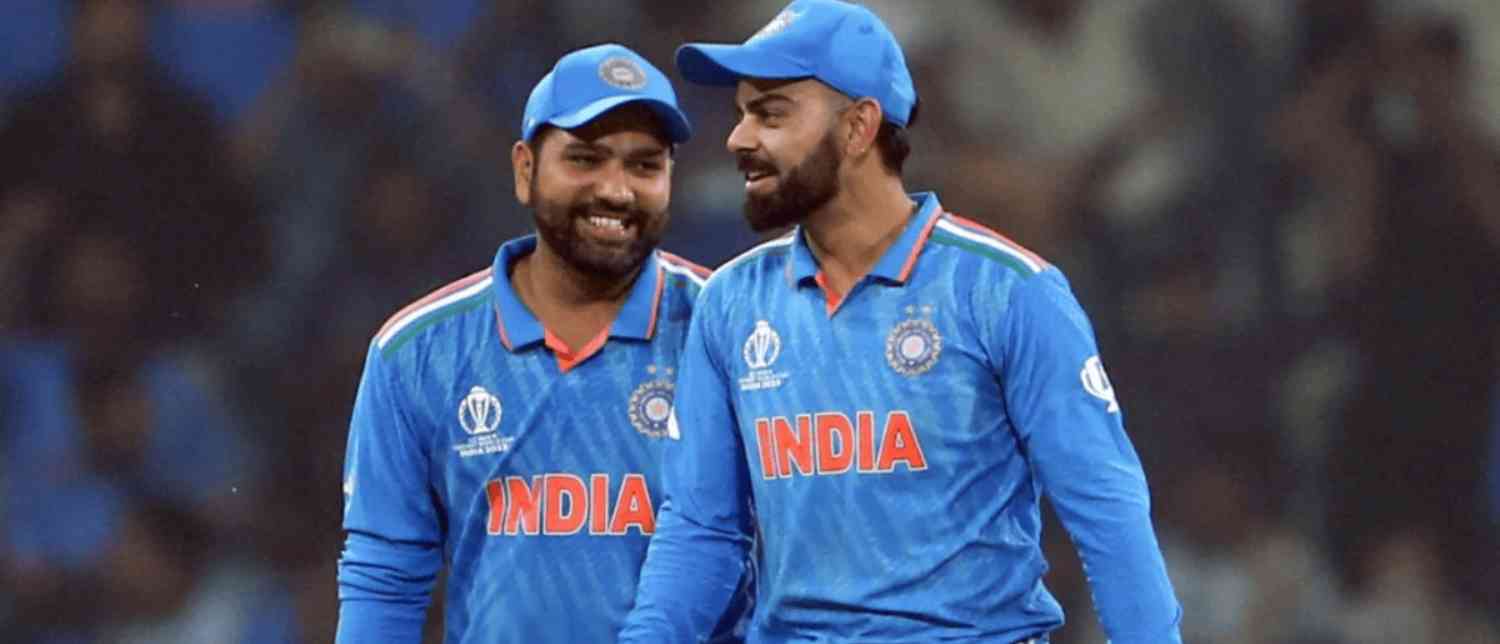
The Board of Control for Cricket in India (BCCI) is preparing to introduce one of the most significant changes to its annual central contract system in recent years—a move that could dramatically reshape how Indian cricket’s biggest stars are categorised and compensated. At the heart of the proposed overhaul is the likely removal of the prestigious Grade A+ category, a decision that could see senior stalwarts Virat Kohli and Rohit Sharma demoted to a lower contract bracket.
According to multiple reports citing sources within the BCCI and ANI, the Ajit Agarkar-led selection committee has formally recommended restructuring the central contracts into a three-tier system—Grade A, B and C—by scrapping the exclusive A+ tier altogether. If approved by the BCCI’s apex council, the move would alter the hierarchy that has governed player retainers for years and potentially reduce the salaries of some of Indian cricket’s most recognisable names.
Why the BCCI Is Considering a Structural Reset
The central contract system is evaluated annually and is designed to provide financial security to India’s top cricketers while reflecting their importance to the national setup. Traditionally, players have been divided into four grades—A+, A, B and C—with retainers paid independently of match fees.
Under the current structure:
-
Grade A+ players earn ₹7 crore annually
-
Grade A players earn ₹5 crore
-
Grade B players earn ₹3 crore
-
Grade C players earn ₹1 crore
These retainers are paid in addition to match fees, which vary by format.
However, the BCCI is now keen to align contracts more closely with workload, formats played, and future planning, rather than reputation or legacy alone. A senior board official, quoted anonymously by ANI, indicated that the new framework would focus on “current format involvement rather than stature.”
This philosophy has driven the proposal to eliminate Grade A+, which has long functioned as the board’s premium bracket for all-format regulars.
What the Proposed New Contract Model Looks Like
If the selection committee’s recommendation is approved, the revised structure would retain only three categories—A, B and C—effectively absorbing or redistributing players currently in the A+ bracket.
While final clarity on revised monetary slabs is still awaited, the most immediate consequence would be the redistribution of the four players currently placed in Grade A+ during the 2024–25 cycle:
-
Virat Kohli
-
Rohit Sharma
-
Jasprit Bumrah
-
Ravindra Jadeja
Under the proposed model:
-
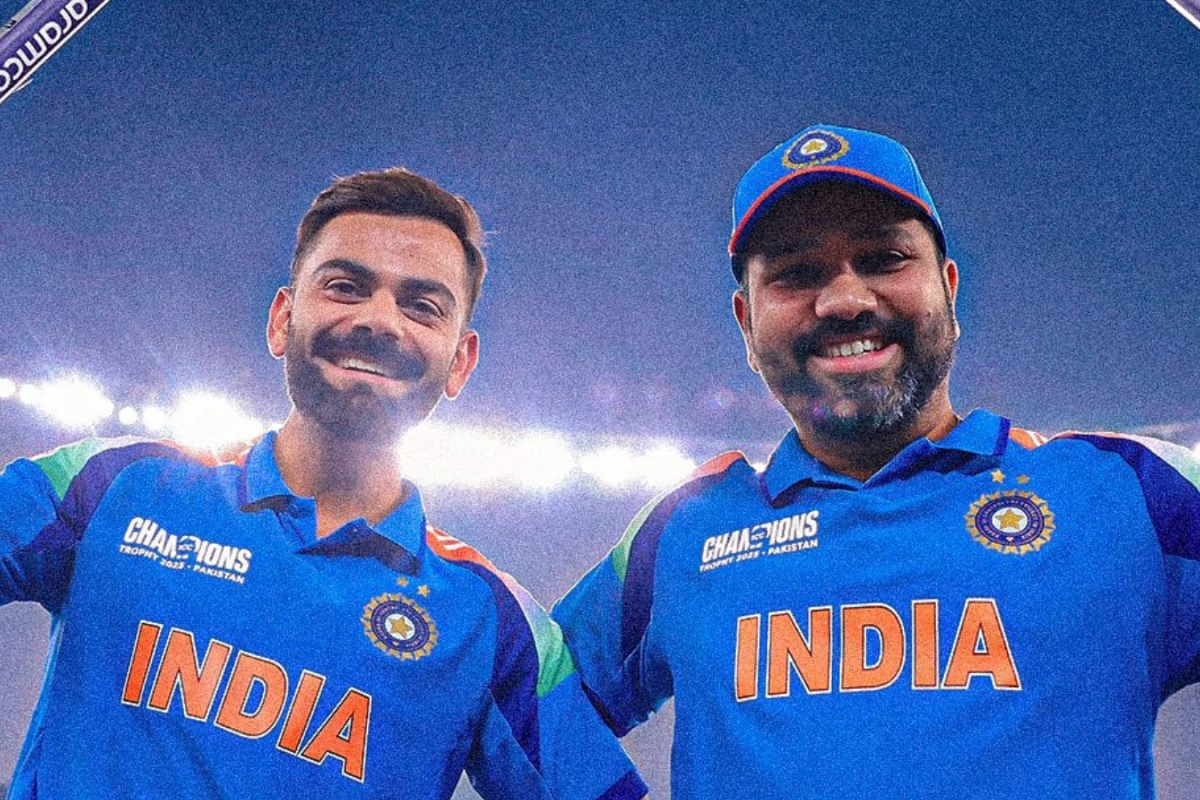
Virat Kohli and Rohit Sharma, who now play only ODIs, are expected to be placed in Grade B
-
Jasprit Bumrah and Ravindra Jadeja, both active across formats, are likely to move into Grade A
This would mark a notable shift in how seniority and experience are rewarded under the BCCI system.
BELIEVE! 🇮🇳#TeamIndia #INDvNZ #3rdODI @IDFCfirstbank pic.twitter.com/iDhHO2Bg7z— BCCI (@BCCI) January 18, 2026
Why Kohli and Rohit Are Facing a Possible Demotion
Virat Kohli and Rohit Sharma’s potential demotion is not linked to performance but rather to format participation. Both players have retired from Test cricket and T20 Internationals and are now exclusively available for One-Day Internationals.
Under the proposed system, players’ contract grades would reflect their availability across formats and workload commitments, rather than their historical stature. Since Kohli and Rohit are no longer three-format players, they would no longer qualify for the top tier under the revised framework.
Despite being listed in Grade A+ as recently as April 2025, their current limited-format status places them firmly in contention for a move to Grade B, which presently carries a retainer of ₹3 crore.
Current Central Contract Breakdown (2024–25)
The most recent BCCI central contracts list, announced in April 2025, categorised 34 Indian cricketers across four grades.
Grade A+ (₹7 crore)
-
Rohit Sharma
-
Virat Kohli
-
Jasprit Bumrah
-
Ravindra Jadeja
Grade A (₹5 crore)
-
Mohammed Siraj
-
KL Rahul
-
Shubman Gill (India Men’s ODI and Test captain)
-
Hardik Pandya
-
Mohammed Shami
-
Rishabh Pant
Grade B (₹3 crore)
-
Suryakumar Yadav (T20I captain)
-
Axar Patel
-
Kuldeep Yadav
-
Yashasvi Jaiswal
-
Shreyas Iyer
Grade C (₹1 crore)
-
Rinku Singh
-
Tilak Verma
-
Ruturaj Gaikwad
-
Shivam Dube
-
Ravi Bishnoi
-
Washington Sundar
-
Mukesh Kumar
-
Sanju Samson
-
Arshdeep Singh
-
Prasidh Krishna
-
Rajat Patidar
-
Dhruv Jurel
-
Sarfaraz Khan
-
Nitish Kumar Reddy
-
Ishan Kishan
-
Abhishek Sharma
-
Akash Deep
-
Varun Chakaravarthy
-
Harshit Rana
If Grade A+ is scrapped, this entire structure would be recalibrated.
𝙎𝙢𝙖𝙘𝙠𝙚𝙙 𝙛𝙤𝙧 𝙖 𝙢𝙖𝙭𝙞𝙢𝙪𝙢 💥
That's a cracking shot from Virat Kohli 🔥
Updates ▶️ https://t.co/KR2ertVUf5#TeamIndia | #INDvNZ | @IDFCFIRSTBank pic.twitter.com/7DbnPNDQYd— BCCI (@BCCI) January 18, 2026
Apex Council Meeting to Decide the Future
The final decision on the proposed overhaul will be taken at the next BCCI apex council meeting, where board members are expected to deliberate not only on the structural changes but also on potential revisions to contract values across grades.
The last apex council meeting was held online on 22 December 2025, during which discussions reportedly included:
-
Possible changes to central contracts for Kohli and Rohit
-
Higher pay for domestic women cricketers
-
Reviews of umpire fees and match officials
-
Digital platform restructuring across departments
Any reorganisation of central contracts would rank among the most consequential reforms since the introduction of the A+ grade.
How Much Kohli and Rohit Earn Beyond Contracts
While a demotion may appear symbolic, the financial impact on Kohli and Rohit is relatively limited given their broader earnings.
Match Fees (When Active in All Formats)
-
₹15 lakh per Test match
-
₹6 lakh per ODI
-
₹3 lakh per T20I
Their retirement from Tests and T20Is has already reduced their match-fee earnings.
IPL Earnings
Virat Kohli remains one of the highest-paid players in IPL history. Since debuting in 2008, he has earned approximately ₹212.44 crore from IPL contracts alone, with his salary rising steadily to ₹21 crore in 2025.
Rohit Sharma is close behind, having earned over ₹194 crore from the IPL. For the 2025 season, Mumbai Indians retained him for ₹16.3 crore.
These figures underline that while BCCI contracts carry prestige, they form only one component of elite players’ income.
What This Means for Indian Cricket Going Forward
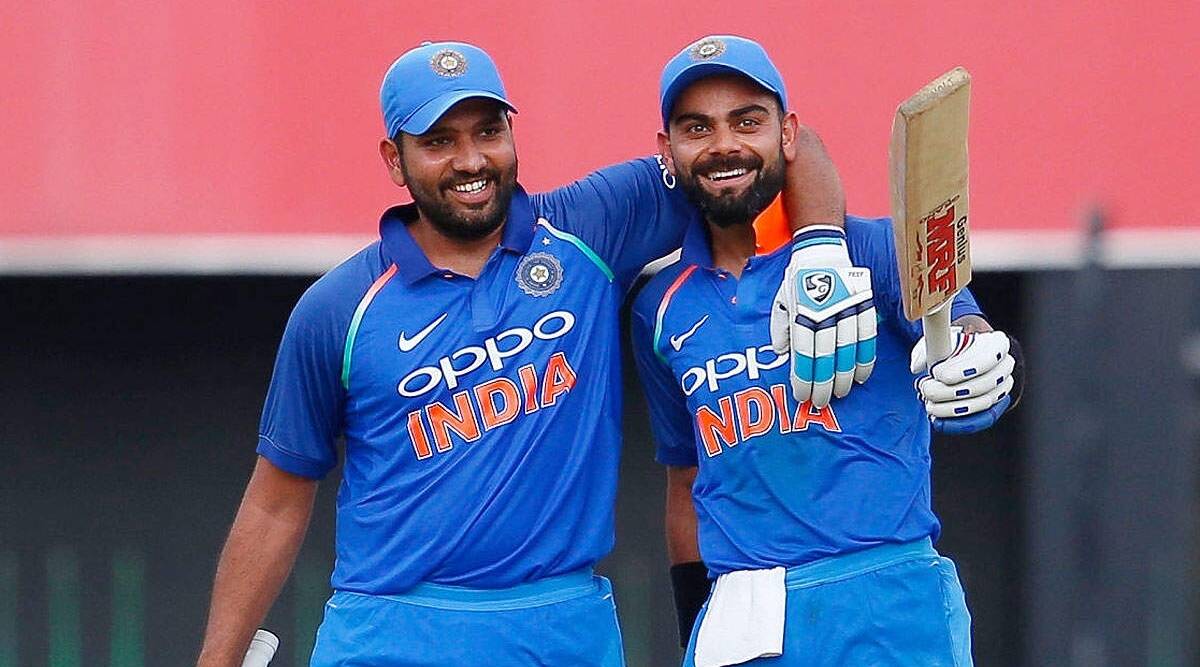
The proposed overhaul reflects a broader shift in Indian cricket administration toward performance-based, workload-driven planning. By moving away from legacy-based categories, the BCCI aims to incentivise multi-format availability and long-term squad balance.
For younger players, the changes could create clearer pathways to higher grades based on consistent selection and format versatility. For veterans, it signals that contract status will increasingly mirror present-day involvement rather than past achievements.
As the apex council prepares to make its decision, all eyes will be on how the BCCI balances respect for its legends with the practical realities of modern international cricket.
If approved, the revamped central contracts system could redefine not just salaries, but the very criteria by which India’s cricketers are valued.
With inputs from agencies
Image Source: Multiple agencies
© Copyright 2025. All Rights Reserved. Powered by Vygr Media.