 By

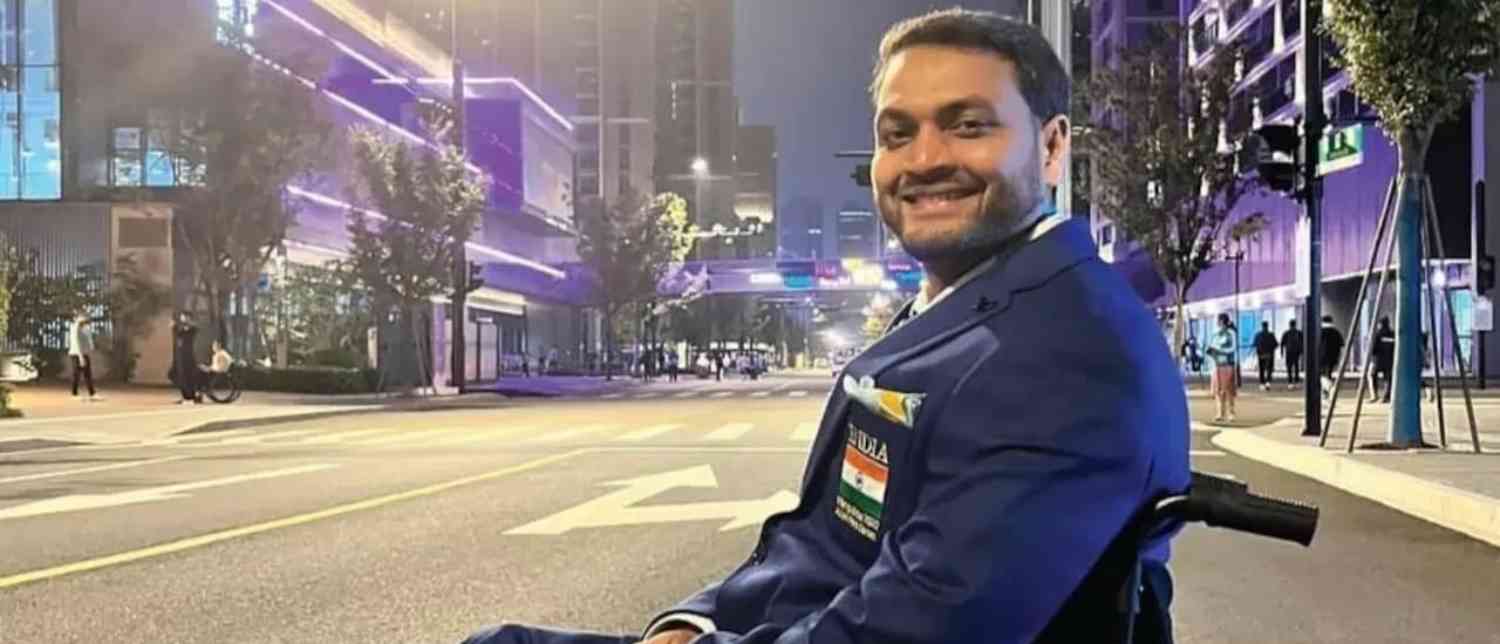
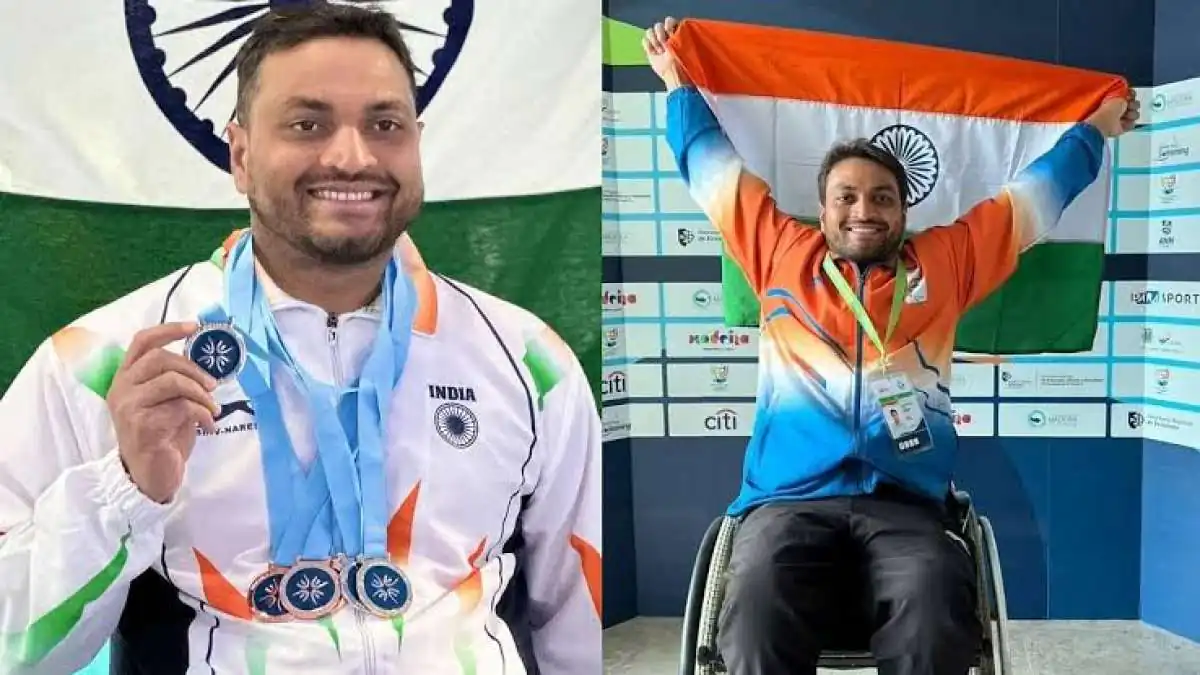
India’s campaign at the Asian Para Games 2026 in Nagoya, Japan, has been overshadowed by a serious controversy after Indian para swimmer Mohammad Shams Aalam Shaikh was detained by Japanese police following allegations of sexual harassment and molestation involving a female hotel employee. The 40-year-old athlete was sent back to India on Tuesday, October 20, a day after the alleged incident, and now faces the possibility of a lifetime ban from the Paralympic Committee of India (PCI).
The incident has raised questions about athlete conduct, disciplinary accountability and the responsibilities of officials representing India at international sporting events. While the PCI is considering stringent action, the allegations have not been established as proven facts, and a final disciplinary decision remains pending.
Shaikh, a former world No. 1 para swimmer who has represented India at major international competitions, was scheduled to compete at the Asian Para Games 2026. However, the controversy brought his participation to an abrupt end before he could take part in his scheduled events.
What Happened in Nagoya? Details of the Alleged Incident
According to accounts from officials accompanying the Indian contingent, the alleged incident took place on Monday, October 19, at the Four Points by Sheraton hotel in Nagoya, where members of India's para swimming team were staying.
A female housekeeping employee was reportedly carrying out her duties in Shaikh's hotel room when the alleged misconduct occurred. Information subsequently reached the hotel management and the local organising committee, prompting intervention by Japanese police.
According to the account provided by Indian delegation officials, the employee alleged that Shaikh had touched her inappropriately, made sexually suggestive gestures, attempted to grope her and made unwanted sexual advances. She reportedly left the room and informed her superiors.
These details have emerged through accounts attributed to officials involved in handling the incident. They describe the allegations and should not be interpreted as a judicial finding of guilt.
By the time representatives of the Indian delegation reached the hotel, police personnel and senior hotel managers were reportedly already present. The matter quickly escalated beyond a routine disciplinary issue, drawing the attention of the local organising committee and senior officials responsible for India's participation in the Asian Para Games.
Japanese Police Detain Indian Para Swimmer
Following the complaint, Japanese police detained Shaikh and took him to a local police station for questioning. According to an official involved in managing the situation, authorities initially sought his arrest and wanted him to be formally presented before a court.
The intervention of the local organising committee subsequently became a key development in the case. Indian delegation officials were reportedly asked to submit a written apology to the employee and arrange for the swimmer to leave Japan.
Shaikh was moved to another hotel for the night before being booked on the first available flight out of Nagoya. His flight reportedly departed at approximately 2 pm local time on Tuesday, October 20.
According to the account provided by an Indian delegation official, Shaikh was released after the written apology had been submitted. The official also stated that the police documentation referred to the sexual offence allegations.
The precise legal status of the case and any further proceedings in Japan remain important questions. Being sent home does not, by itself, establish criminal guilt, and the reported circumstances of his departure should not be confused with a final legal determination.
The incident nevertheless prompted a swift response from officials managing India's contingent, with the possibility of additional disciplinary proceedings in India now under consideration.
PCI Considers Lifetime Ban After Controversy
The Paralympic Committee of India is reportedly considering severe disciplinary action against Shaikh, including a possible lifetime ban from para swimming and related sporting activities under its jurisdiction.
Officials accompanying the Indian delegation have indicated that the matter could be reviewed after the conclusion of the Games. A formal hearing is expected to give Shaikh an opportunity to present his account before the committee determines what action, if any, should follow.
A senior official involved in handling the incident described the alleged behaviour as unacceptable for an athlete representing the country on an international platform. The delegation's chef-de-mission has reportedly recommended a lifetime ban, citing concerns about the reputation of the Indian contingent and the seriousness of the allegations.
However, a recommendation is not the same as an imposed sanction. As of October 22, 2026, reports indicate that a final disciplinary decision has not been formally announced.
The case may also require coordination among the PCI, para swimming administrators, the Sports Authority of India and the relevant government authorities. Any eventual sanction will depend on the applicable rules, the committee's review and the outcome of the disciplinary process.
The prospect of a lifetime ban makes this one of the most consequential disciplinary controversies involving India's para-sport contingent at the ongoing Asian Para Games.
Indian Delegation Apologises as Organisers Seek Accountability
The controversy reportedly diverted senior members of India's delegation from their sporting responsibilities for several hours. Officials were required to attend the police station, communicate with hotel management and work with the local organising committee to address the situation.
According to the accounts published after the incident, Indian representatives apologised to the hotel employee and hotel authorities. The organising committee and hotel management also reportedly sought clarification on the steps India intended to take in response.
Officials were warned that formal legal proceedings could follow if the response was considered inadequate, according to the reported account of the incident.
The episode has therefore developed into more than an individual athlete's disciplinary problem. It has also placed the Indian contingent under scrutiny during an important international competition.
International sporting delegations are expected to follow local laws, respect the rights of people working at event venues and accommodation facilities, and maintain standards of professional conduct. When allegations of misconduct arise, the response must address the immediate complaint while ensuring that the relevant legal and disciplinary procedures are followed.
For India, the challenge is to establish the facts, cooperate appropriately with the authorities and ensure that any action taken is consistent with established procedures.
Who Is Mohammad Shams Aalam Shaikh?
Mohammad Shams Aalam Shaikh is a 40-year-old Indian para swimmer from Bihar who has represented the country at international competitions and previously achieved the world No. 1 ranking in two para-swimming categories.
His sporting achievements include performances in the men's 100m butterfly S5 and 50m breaststroke SB4 events. These classifications are used in para swimming to group athletes according to their eligible impairments and the impact those impairments have on competition.
Shaikh competed at the 2018 Asian Para Games in Jakarta, where he won gold medals in the 200m and 50m breaststroke events. He also secured gold in the 200m breaststroke at the Reykjavik International Games in 2025, setting Indian and Asian records, according to published reports.
The 2026 Asian Para Games in Nagoya was expected to mark his third consecutive appearance at the continental competition. His previous success had made him an established name in Indian para swimming, adding to the significance of his sudden departure from the event.
The allegations have now placed his sporting career under serious scrutiny. If the PCI ultimately imposes a lifetime ban, it could have lasting consequences for his participation in organised para swimming. For now, however, his achievements and the allegations against him remain separate aspects of a developing story, and the disciplinary process has yet to reach its conclusion.
Asian Para Games 2026 Controversy Puts Athlete Conduct Under the Spotlight
The Asian Para Games provide a major platform for athletes with disabilities to compete at the highest level across a wide range of sports. For participating nations, the event represents not only an opportunity to win medals but also a chance to demonstrate sporting excellence, professionalism and respect for the host country.
Against this backdrop, allegations involving a member of a national contingent can have repercussions beyond the individual concerned. The incident in Nagoya has raised questions about how sporting bodies respond when an athlete is accused of misconduct while representing the country abroad.
The reported involvement of Japanese police, hotel management and the local organising committee underlines the seriousness with which the complaint was handled. It also highlights the importance of cooperation between visiting delegations and host-country authorities when an incident occurs during an international competition.
At the same time, accountability must be accompanied by due process. Sports organisations need to examine the available evidence, hear the athlete's response and apply their rules consistently. A disciplinary decision should be based on the findings of that process rather than public reaction alone.
The PCI's next steps will therefore be closely watched, particularly given the reported recommendation for a lifetime ban and the potential impact on Shaikh's future in competitive sport.
What Happens Next in the Mohammad Shams Aalam Shaikh Case?
The immediate priority is the review of the allegations and the determination of any appropriate disciplinary action. Reports indicate that the PCI intends to hear Shaikh before reaching a final decision.
The committee may also consult para swimming administrators and other relevant authorities as it assesses the case. The involvement of the Sports Authority of India and government officials has been reported as part of the broader consideration of possible sanctions.
Several questions remain unanswered: whether further legal proceedings will take place in Japan, what account Shaikh will provide during the disciplinary hearing, and whether the PCI will ultimately impose the proposed lifetime ban.
The distinction between a reported recommendation and a final decision is particularly important. Until the relevant authorities announce their findings, the case remains an evolving matter involving allegations rather than an established finding of guilt.
Any final outcome could have implications for athlete discipline and the standards expected of members of India's international sporting delegations. It may also renew attention on the procedures national sports bodies use to respond to complaints and safeguard the rights of people who interact with athletes during overseas competitions.
What lies ahead
The Mohammad Shams Aalam Shaikh controversy has become a major talking point at the Asian Para Games 2026 after the Indian swimmer was detained by Japanese police and sent back to India following allegations of sexual misconduct involving a hotel employee in Nagoya.
The reported recommendation for a lifetime ban by the Paralympic Committee of India has added another dimension to the case, placing the swimmer's sporting future in doubt. His previous achievements, including international medals and former world No. 1 rankings, have brought additional attention to the controversy.
Yet the next stage will be determined by the evidence, the athlete's opportunity to respond and the decisions of the relevant authorities. As the PCI considers its options, the case highlights the importance of professional conduct, accountability and fair disciplinary procedures in international sport.
For now, the central questions concern the outcome of the investigation, the committee's eventual decision and the possibility of further legal action. Until those questions are resolved, the allegations must be treated with due seriousness without being presented as proven facts.
© Copyright 2026. All Rights Reserved. Powered by Vygr Media.