 By

The International Cricket Council (ICC) has officially reappointed Jay Shah as its Chairman for a second consecutive term, marking another significant milestone in his cricket administration career. The decision, announced on November 16, 2026, reinforces the governing body's confidence in his leadership as international cricket prepares to enter a transformative phase.
Selected unopposed for another two-year term, Jay Shah will continue leading world cricket until November 2028. His second tenure comes at a crucial time, with the sport preparing for its much-anticipated return to the Olympic Games at Los Angeles 2028 (LA28), alongside ambitions to expand its global audience, strengthen international competitions and create new commercial opportunities.
At just 38, Shah has already established himself as one of the youngest and most influential administrators in international cricket. His reappointment is expected to bring continuity to the ICC's long-term plans while placing greater emphasis on making cricket a truly global sport.
But what does his second term mean for international cricket? What are his major achievements, and what challenges lie ahead? Here's everything to know about Jay Shah's reappointment, career, leadership and future priorities.
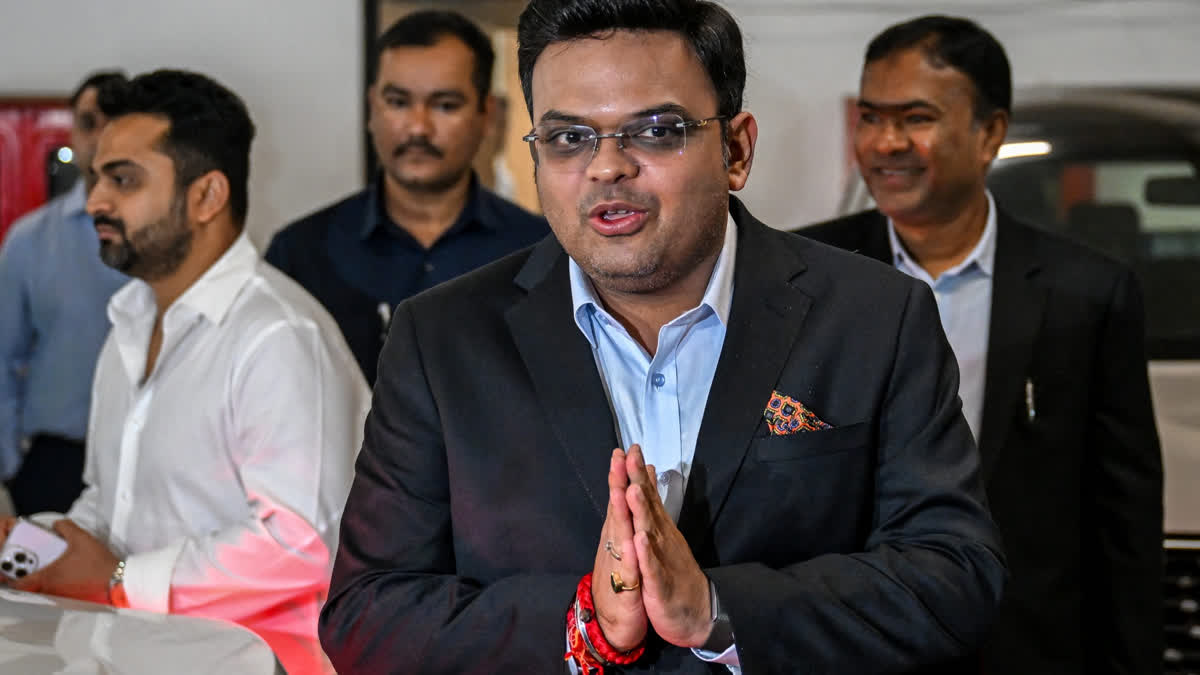
Jay Shah Reappointed as ICC Chairman for Second Term
The ICC Board confirmed Jay Shah's unopposed reappointment following its Board and Committee meetings in Bali, Indonesia. The decision was announced on November 16, 2026, after ICC directors proposed his continuation as the organisation's chairman.
Being reappointed unopposed means that no competing candidate was nominated for the position, allowing Shah to secure another term without a contested election.
The ICC described the decision as a reflection of the Board's confidence in his leadership. It also highlighted the importance of maintaining stability at a defining moment for international cricket, particularly as the sport focuses on global expansion, growing fan engagement and commercial development.
Shah initially assumed the ICC Chairmanship in December 2024, succeeding New Zealand's Greg Barclay, who decided against seeking a third term. His latest appointment gives him another two years to oversee the organisation's strategic priorities and major developments in world cricket.
The reappointment is particularly significant because the next two years will involve preparations for several important international tournaments and cricket's Olympic comeback.
How Long Will Jay Shah's Second Term as ICC Chairman Last?
Jay Shah's second term as ICC Chairman will last for another two years, extending his leadership until November 2028.
His first term began in December 2024, making him the youngest person to occupy the position in the history of the International Cricket Council.
The second term will provide continuity as the ICC works towards several long-term objectives, including strengthening international cricket, supporting emerging cricketing nations and preparing for the sport's return to the Olympics.
With the Los Angeles 2028 Olympic Games approaching, Shah's leadership will be particularly important in coordinating international stakeholders and ensuring cricket makes a successful return to one of the world's biggest sporting platforms.
His extended tenure also provides an opportunity to build on initiatives introduced during his earlier administrative roles and first stint as ICC Chairman.
Jay Shah's Statement on His Reappointment
Following the announcement, Jay Shah expressed his gratitude to the ICC Board and its directors for continuing to place their trust in his leadership.
He described the position as both a privilege and a responsibility, emphasising his commitment to working alongside ICC members to advance cricket's interests worldwide.
Shah also highlighted the importance of the upcoming Olympic Games, calling cricket's return to the Los Angeles 2028 Olympics an extraordinary opportunity to introduce the sport to new audiences and inspire a new generation of players and supporters.
He stressed that the ICC's responsibilities extend beyond organising successful tournaments. According to him, the organisation must focus on building a stronger and more sustainable cricketing ecosystem that benefits players, fans, commercial partners and other stakeholders.
His statement also underlined the importance of collective decision-making, suggesting that the future of international cricket will depend on cooperation between the ICC and its member boards.
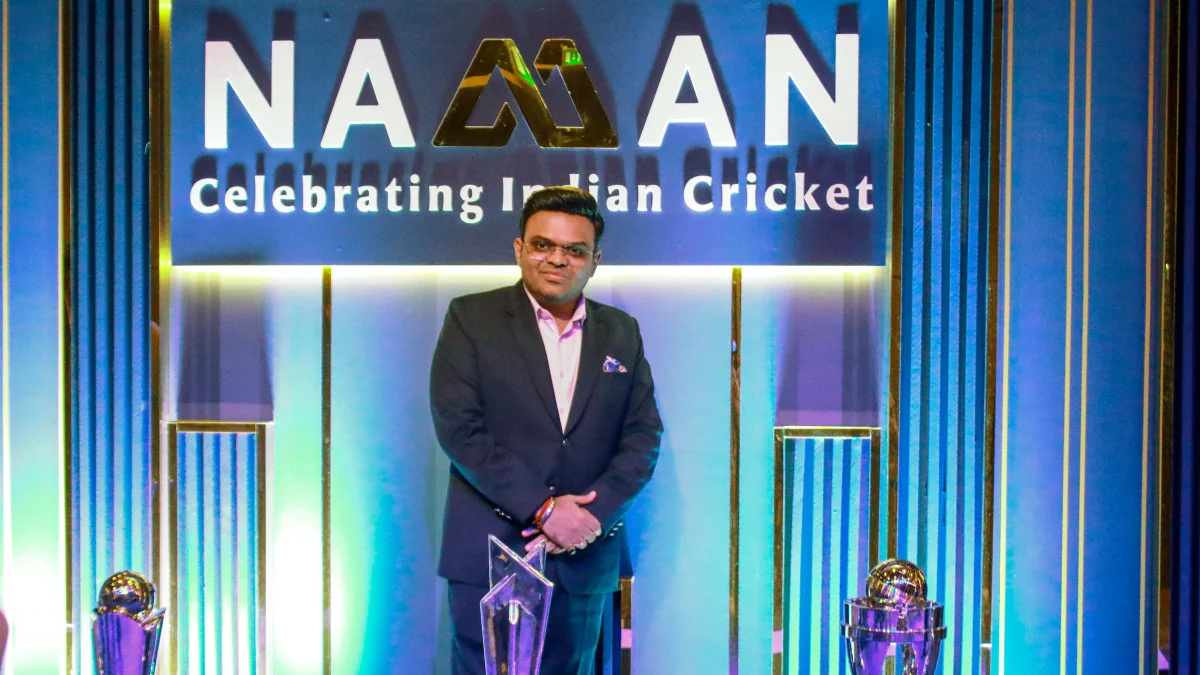
Jay Shah's Major Achievements in Cricket Administration
Jay Shah's reappointment comes after several significant developments during his years in cricket administration. Before taking charge of the ICC, he held important positions in Indian and Asian cricket, where he contributed to commercial growth, infrastructure development and the expansion of the game.
Here are some of his notable achievements.
1. Becoming the Youngest ICC Chairman
One of Shah's biggest milestones came in August 2024, when he was elected unopposed as the ICC Chairman. He officially assumed office in December 2024, becoming the youngest chairman in the governing body's history.
He also became the fifth Indian to lead the ICC, following Jagmohan Dalmiya, Sharad Pawar, N. Srinivasan and Shashank Manohar.
His appointment represented a significant moment for Indian cricket administration, given India's growing influence in international cricket.
2. Playing a Key Role in the IPL's Commercial Growth
During his tenure as BCCI secretary, Shah was associated with the Indian Premier League's (IPL) remarkable commercial expansion.
The IPL secured a record-breaking media rights deal for the 2023–2027 cycle, significantly increasing the tournament's financial value and strengthening its position among the world's leading sporting leagues.
The league's growing commercial appeal has helped attract major broadcasters, sponsors and international audiences, making it one of cricket's most valuable properties.
This commercial success has also created greater financial opportunities for Indian cricket and contributed to the sport's wider global popularity.
3. Establishment of the Women's Premier League (WPL)
Another major development during Shah's BCCI tenure was the launch of the Women's Premier League (WPL) in 2023.
The tournament created a major platform for women cricketers, providing them with increased professional opportunities, international exposure and financial recognition.
The WPL has also helped attract new audiences to women's cricket while encouraging young girls to consider the sport as a professional career.
Its emergence as a prominent women's cricket competition represents an important step towards strengthening the women's game.
4. Promoting Pay Parity in Cricket
Shah also supported initiatives aimed at reducing the financial gap between men's and women's cricket.
Under his leadership at the BCCI, India introduced equal match fees for centrally contracted male and female international cricketers in 2022.
The move was widely viewed as an important step towards recognising women's contributions to Indian cricket and promoting greater equality within the sport.
His broader administrative period also saw support for equal prize money across men's and women's competitions at the international level.
5. Development of Cricket Infrastructure
Infrastructure development has also been an important part of Shah's administrative journey.
He played a role in the development of the Narendra Modi Stadium in Ahmedabad, which has become the world's largest cricket stadium in terms of seating capacity.
The stadium has hosted several major international matches and large-scale cricketing events, further strengthening India's ability to organise high-profile tournaments.
Additionally, the establishment of the BCCI Centre of Excellence has provided an advanced training and development environment for emerging cricketers.
6. Strengthening Test Cricket and Domestic Cricket
Despite the increasing popularity of limited-overs formats and franchise-based competitions, Shah's BCCI tenure also included initiatives to support traditional cricket.
The introduction of the Test Cricket Incentive Scheme encouraged Indian players to prioritise the longest format of the game by providing additional financial incentives.
The BCCI also increased prize money and match fees across several domestic competitions, recognising the importance of domestic cricket in developing future international players.
These initiatives aimed to strengthen India's cricketing structure beyond the international stage.
7. Successfully Organising the IPL During the COVID-19 Pandemic
The successful organisation of the 2020 IPL in the United Arab Emirates was another important achievement associated with Shah's administrative period.
At a time when sporting events worldwide were disrupted by the COVID-19 pandemic, the tournament was conducted under strict biosecurity arrangements.
Its successful completion demonstrated the ability of cricket administrators to organise major sporting competitions despite extraordinary logistical and public health challenges.
What Are Jay Shah's Priorities During His Second ICC Term?
While his previous administrative roles focused significantly on strengthening Indian cricket, Shah's second term as ICC Chairman will require a broader approach to developing the sport internationally.
The ICC has identified several important priorities for the coming years.
1. Cricket's Return to the Olympics at LA28
One of the biggest priorities will be preparing for cricket's return to the Olympic Games at Los Angeles 2028.
Cricket last featured in the Olympics in 1900, making its inclusion at LA28 a historic opportunity for the sport.
The Olympic platform could introduce cricket to millions of people who may not traditionally follow the game, particularly in markets where cricket has limited popularity.
The ICC will need to ensure that the event attracts strong international participation and creates lasting interest beyond the Olympic competition itself.
2. Expanding Cricket's Global Reach
Another major objective will be expanding cricket beyond its traditional strongholds.
While countries such as India, Australia, England and Pakistan have established cricketing audiences, several other regions offer significant opportunities for growth.
The ICC aims to create more opportunities for Associate Members, improve access to international competitions and strengthen development pathways for emerging cricketing nations.
Expanding the sport's geographical reach will be essential to making cricket a genuinely global game.
3. Strengthening Women's Cricket
Women's cricket is experiencing growing popularity, supported by professional leagues, international tournaments and increasing commercial investment.
Under Shah's continued leadership, the ICC has reiterated its commitment to developing the women's game and creating more opportunities for female cricketers across different countries.
This includes strengthening development programmes, improving competitive pathways and supporting players whose opportunities to participate in cricket have been disrupted.
Ensuring that women's cricket receives sustained attention and investment will remain an important part of the ICC's long-term vision.
4. Protecting the Future of International Cricket
Balancing the international cricket calendar will also be a significant challenge.
The increasing popularity of franchise leagues has created new commercial opportunities but has also raised questions about scheduling, player availability and the relevance of bilateral international cricket.
England and Wales Cricket Board Chairman Richard Thompson highlighted the importance of protecting the competitiveness of bilateral cricket while balancing traditional formats with new commercial opportunities.
The ICC will therefore need to work closely with member boards to maintain a sustainable international cricket structure that benefits players, fans and administrators.
5. Creating Sustainable Commercial Opportunities
Commercial development will remain another central focus during Shah's second term.
The ICC will need to explore new broadcasting partnerships, sponsorship opportunities and ways to increase fan engagement across different markets.
However, commercial expansion must also support the development of cricket at every level.
Creating a sustainable financial model will be particularly important for smaller cricketing nations that depend on international funding and development assistance.
How Have Cricket Administrators Reacted to Jay Shah's Reappointment?
Shah's reappointment has received positive responses from several prominent cricket administrators.
Richard Thompson, Chairman of the England and Wales Cricket Board, congratulated him and acknowledged the importance of continued leadership during a period of significant change in international cricket.
He also emphasised the need to strengthen the international calendar and protect the relevance of bilateral cricket.
ICC Deputy Chairman and Zimbabwe Cricket Chairman Tavengwa Mukuhlani praised Shah's approach towards bringing member nations together around a shared vision for the sport.
New Zealand Cricket Director Roger Twose also welcomed the decision, highlighting the importance of maintaining continuity while international cricket navigates new opportunities and challenges.
Meanwhile, ICC Independent Director Dr Ros Rivaz highlighted the importance of continuing to invest in women's cricket and creating stronger opportunities for female players worldwide.
These responses reflect the broader expectations surrounding Shah's second term, particularly the need to ensure that cricket's development benefits established and emerging cricketing nations alike.
What Does Jay Shah's Reappointment Mean for the Future of World Cricket?
Jay Shah's reappointment as ICC Chairman is more than just a continuation of leadership. It comes at a time when international cricket is undergoing significant changes in its commercial structure, competitive formats and global reach.
The next two years will present several opportunities, particularly with the return of cricket to the Olympic Games in 2028.
However, the ICC will also face important challenges, including balancing franchise cricket with international commitments, improving opportunities for emerging nations, strengthening women's cricket and maintaining the competitiveness of traditional formats.
Shah's experience with the BCCI, Asian Cricket Council and ICC could prove valuable in navigating these developments.
Ultimately, the success of his second term will depend on how effectively the organisation translates its ambitious plans into meaningful progress across the global cricketing community.
For now, his unopposed reappointment signals the ICC Board's confidence in his leadership and provides the organisation with continuity as it prepares for one of the most important periods in cricket's modern history.
© Copyright 2026. All Rights Reserved. Powered by Vygr Media.