 By
By 
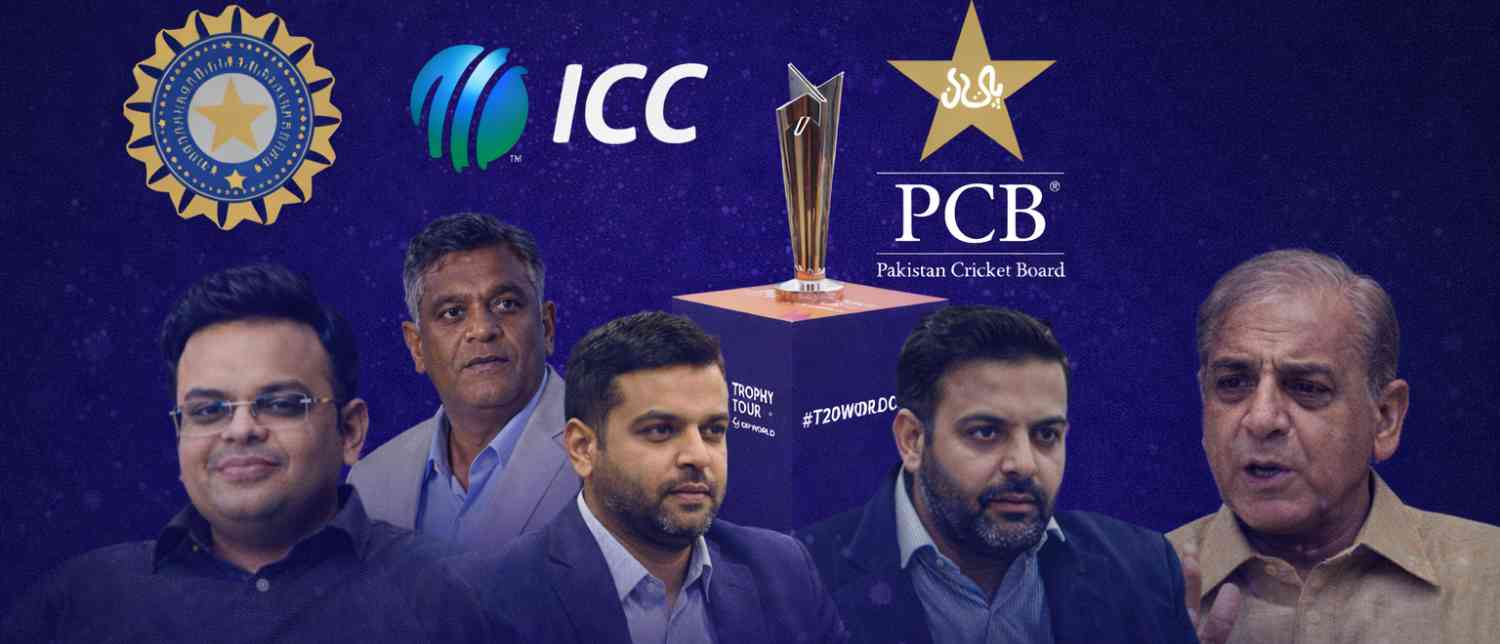
The standoff over the high-voltage India vs Pakistan clash at the ICC Men’s T20 World Cup 2026 has reached a decisive phase, with cricket’s global administrators, two national boards, and the Pakistan government now deeply entangled in a political and sporting impasse. As uncertainty looms over the February 15 match in Colombo, behind-the-scenes negotiations have intensified, with the International Cricket Council (ICC) scrambling to prevent a commercial and governance crisis.
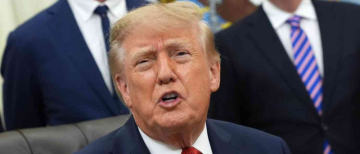
At the centre of the controversy is the Pakistan Cricket Board’s (PCB) proposal to boycott the India match in solidarity with Bangladesh, following the latter’s removal from the tournament. The issue has escalated beyond cricket, placing the final decision squarely in the hands of Pakistan Prime Minister Shehbaz Sharif.
Crucial Lahore Meeting: ICC, PCB, and BCB Sit Across the Table
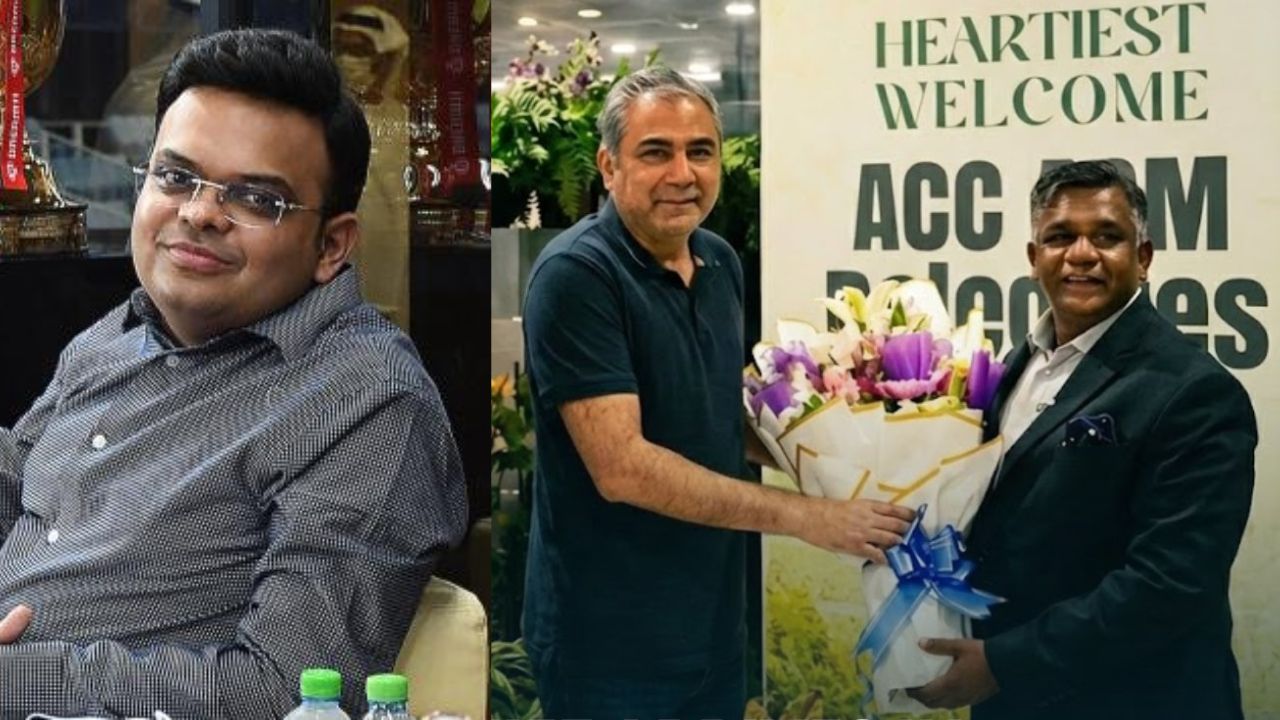
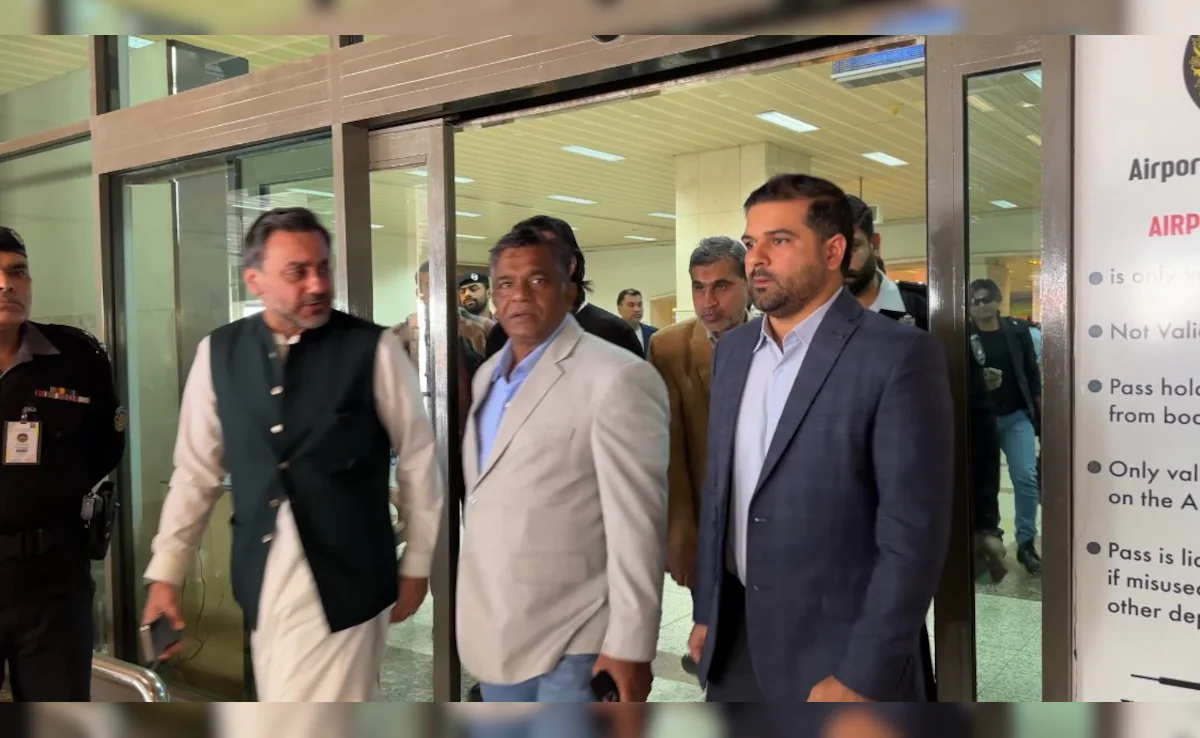
On Sunday evening, PCB chairman Mohsin Naqvi hosted a high-profile meeting in Lahore with Bangladesh Cricket Board (BCB) president Aminul Islam and ICC deputy chairman Imran Khwaja. The meeting, held at the Gaddafi Stadium, stretched for over four to five hours and focused on resolving the deadlock over Pakistan’s refusal to face India.
Despite the intensity of discussions, no joint statement was issued at the conclusion of the meeting. Sources within the PCB indicated that any formal announcement would only follow consultations with the Pakistan government.
Imran Khwaja, an influential ICC board member representing the Singapore Cricket Association with voting rights as an associate member director, later returned to the ICC headquarters in Dubai. However, the dialogue was far from over, as Khwaja and Aminul Islam were also scheduled to hold virtual discussions with other ICC governing board members later that night.
Why Pakistan Is Threatening to Boycott the India Match
The PCB formally informed the ICC earlier this week that it would not take the field against India due to directives issued by the Government of Pakistan. The board invoked the “Force Majeure” clause, citing extraordinary circumstances beyond its control.
However, the ICC was unconvinced. The world body questioned how Force Majeure could apply to a single match rather than the entire tournament and asked the PCB to provide a logical and evidentiary explanation. The ICC also demanded details on what steps Pakistan had taken to mitigate the alleged Force Majeure event, as required under the Members Participation Agreement (MPA).
The ICC reportedly warned the PCB that failure to justify its stance could invite sanctions, including financial penalties or even suspension under the ICC constitution in the event of a massive breach of obligations.
Solidarity With Bangladesh: The Trigger Point
Pakistan’s decision was framed as an act of solidarity with Bangladesh, who were replaced by Scotland in the T20 World Cup after refusing to travel to India citing security concerns. Bangladesh had requested that all their matches be played outside India—a request the ICC declined.
The ICC reassured the BCB that there was no threat to their players, officials, or fans. Despite this, Bangladesh stuck to its stance, prompting the ICC to remove them from the tournament.
Adding another layer to the controversy, Bangladesh’s concerns were reportedly linked to political tensions back home, including issues surrounding Kolkata Knight Riders pacer Mustafizur Rahman, who was removed from the squad following instructions from the BCCI amid concerns related to atrocities against minorities in Bangladesh.
PCB’s Three Core Demands From the ICC
During discussions with the ICC delegation, Mohsin Naqvi laid out a set of demands that Pakistan believes must be addressed for the boycott threat to be withdrawn. These include:
-
Increased compensation for the Bangladesh Cricket Board
-
Participation fees for Bangladesh despite not being part of the World Cup
-
Future hosting rights for an ICC event
Separately, reports also claimed that Naqvi demanded a higher revenue share for the PCB, the resumption of bilateral cricket ties with India, and even insisted that Indian players shake hands with Pakistan players during the tournament as part of enforcing on-field protocols.
Bangladesh’s Stand: Compensation and Hosting Rights
The Bangladesh Cricket Board also presented its own demands. According to multiple reports, BCB president Aminul Islam sought monetary compensation along with hosting rights for an ICC event, most likely the 2028 Under-19 World Cup.
However, the ICC’s response was stern. According to Dawn, the ICC delegation informed Bangladesh that it had “nothing to offer” in terms of compensation beyond ensuring that the board would receive its full share of ICC earnings.
Naqvi Raises the Asia Cup Trophy Question
In a pointed moment during discussions, Mohsin Naqvi reportedly questioned ICC deputy chair Imran Khwaja on whether the governing body would have remained silent if Pakistan had refused to accept the Asia Cup trophy from an Indian official.
The remark, quoted by PTI sources, underscored the PCB’s belief that double standards were being applied and that Pakistan was being unfairly pressured.
Final Call Lies With Prime Minister Shehbaz Sharif
Despite the PCB outlining its demands and engaging in prolonged talks, the board has made it clear that the final decision will rest with the Pakistan government.
Mohsin Naqvi, who also serves as Pakistan’s Interior Minister, is scheduled to meet Prime Minister Shehbaz Sharif, with sources indicating that a verdict is expected within 24–48 hours. Naqvi is expected to brief the Prime Minister on the Lahore meeting, the ICC’s position, and the potential consequences of a continued boycott.
For now, there is a noticeable radio silence from both the PCB and the ICC, described by many as the “calm before the storm.”
ICC’s Warning: Financial and Governance Fallout
The stakes are enormous. The February 15 India vs Pakistan match is valued at USD 30–35 million, nearly equivalent to the PCB’s entire share of ICC revenue.
If Pakistan refuses to play, the ICC could recover losses by withholding payments to the PCB. The ICC has also flagged the potential material damage the global body would incur if the match does not take place.
While the ICC is keen to avoid confrontation, its constitution allows for suspension or termination of membership in cases of severe non-compliance.
The Force Majeure Debate Explained
Force Majeure is a contractual clause that allows parties to suspend or terminate obligations due to extraordinary and uncontrollable events such as war, riots, pandemics, or natural disasters.
In this case, the ICC has questioned whether Pakistan’s reliance on government orders meets the evidentiary threshold required under ICC regulations. The governing body has detailed conditions under which Force Majeure can be invoked legitimately, along with the sporting, commercial, and governance implications of such a move.
PCB’s Legal Confidence: Old India-Pakistan Dispute
Interestingly, the PCB believes it has a defensible case should the matter escalate. Officials have referenced an old dispute involving a 2014 Memorandum of Understanding (MoU) between the PCB and BCCI, which required six bilateral series between 2013 and 2015.
The PCB previously lost a damages claim when the BCCI failed to honour the agreement, citing lack of permission from the Indian government. Pakistan now views this as a precedent, arguing that government intervention has been accepted as a legitimate constraint in the past.
India’s Position: “We Will Follow the ICC”
The Board of Control for Cricket in India (BCCI) has distanced itself from the controversy. Vice-president Rajeev Shukla stated clearly that India would follow whatever decision the ICC takes.
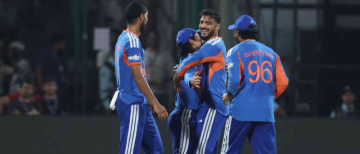
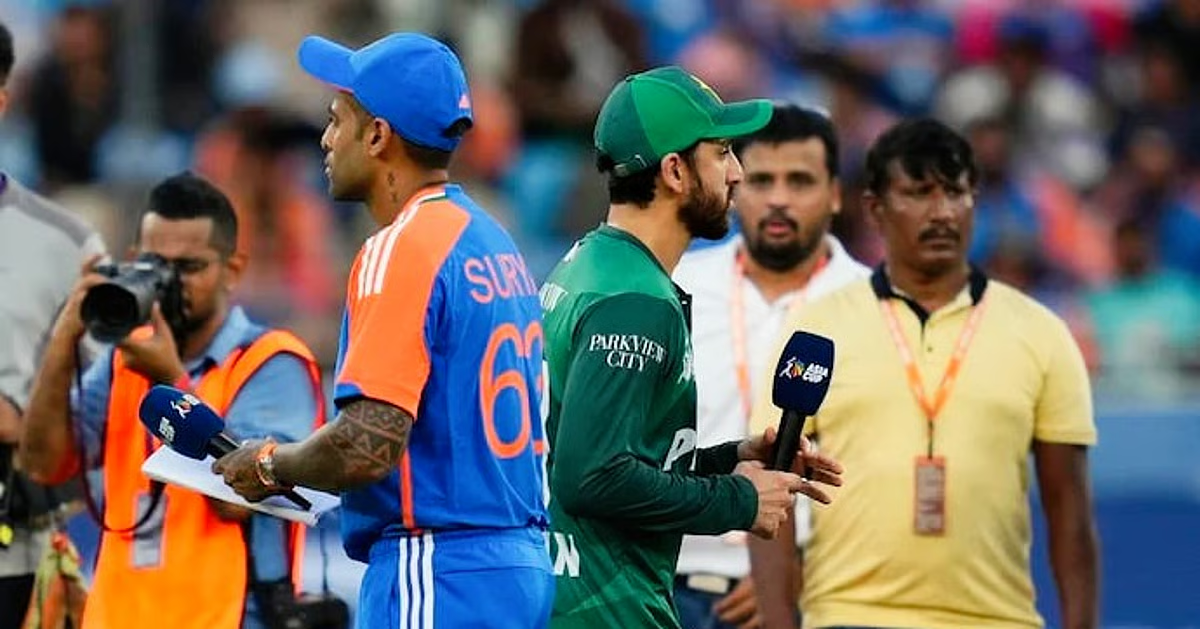
Indian batter Suryakumar Yadav confirmed that the team would travel to Colombo as scheduled. “Their decision is not in my control. We have been told that we have to play a game on the 15th,” he said, adding that India would be ready if the fixture goes ahead.
On the Field: Pakistan’s Campaign Continues
While negotiations rage off the field, the T20 World Cup has already begun. Pakistan kicked off their campaign with a narrow three-wicket win over the Netherlands and are placed in Group A alongside India, Namibia, the USA, and the Netherlands.
Pakistan are set to face the USA next, a matchup loaded with intrigue given that the Americans defeated Pakistan in the previous edition of the World Cup.
Pressure Mounts: Regional Boards Step In
The pressure on Pakistan continues to build. Following Sri Lanka Cricket, the Emirates Cricket Board has also written to the PCB, urging them to reconsider their stance. With multiple boards involved and the ICC pushing hard for resolution, signs increasingly point toward Pakistan eventually taking the field on February 15.
A Decision That Will Shape the Tournament
As things stand, the fate of the most-watched match in world cricket lies in political hands. Just like the on-field rivalry between India and Pakistan, this off-field battle has gone down to the wire.
Whether Pakistan chooses to play, negotiate further, or escalate the matter legally, the decision will not only impact the 2026 T20 World Cup—but could also reshape ICC governance, member relations, and the future of international cricket diplomacy.
With inputs from agencies
Image Source: Multiple agencies
© Copyright 2025. All Rights Reserved. Powered by Vygr Media.