 By
By 
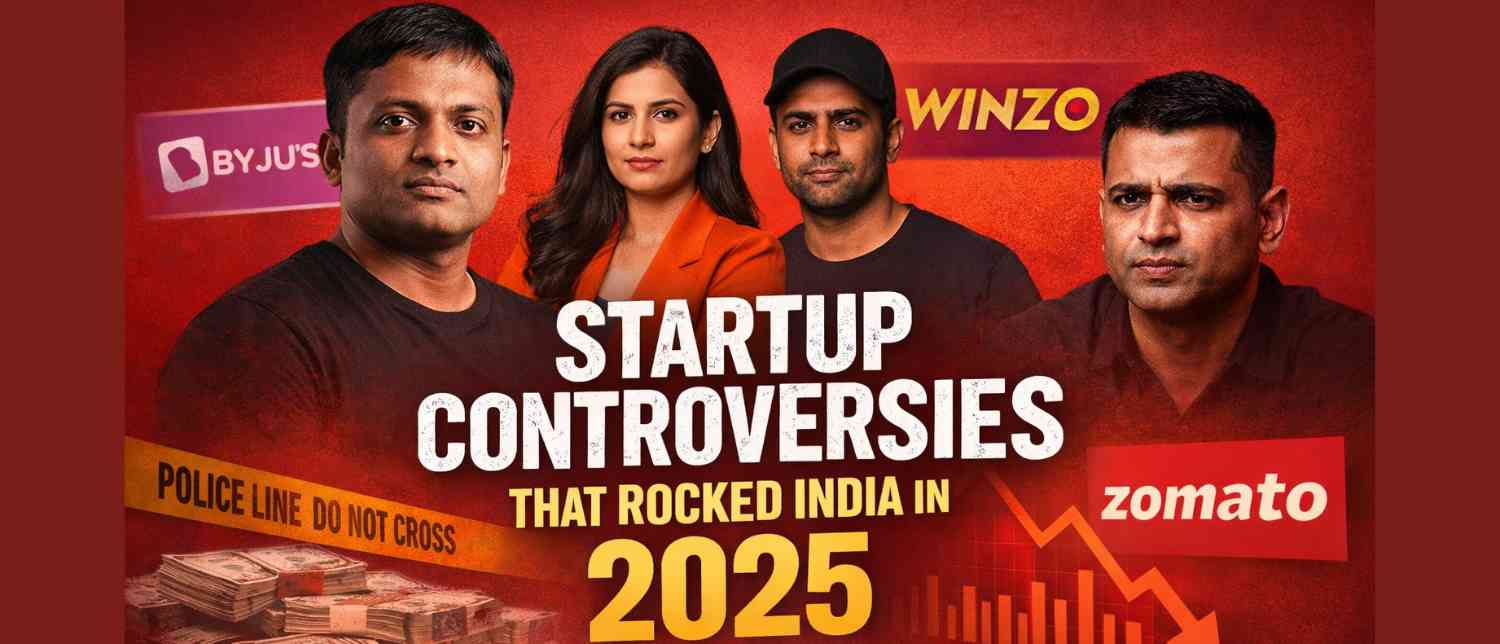
If there was one defining characteristic of India’s startup ecosystem in 2025, it was not innovation, scale, or funding milestones—it was visibility. This was the year when disputes that once simmered behind closed doors spilled into public view, playing out across courtrooms, stock exchanges, social media timelines, and prime-time debates. Founders, regulators, platforms, investors, and consumers collided in real time, often with irreversible consequences.
Unlike 2023, which exposed cracks in governance, or 2024, marked by FIRs, financial frauds, and investor-founder slugfests, 2025 represented an escalation. This was the year of public meltdowns and regulatory flashpoints—where controversies moved at internet speed and consequences followed swiftly. Arrests, asset freezes, market bans, leadership exits, and forced apologies became recurring motifs.
What unfolded over the year was not a series of isolated incidents but a revealing pattern—one that exposed persistent structural weaknesses in India’s startup ecosystem, from governance and compliance to ethics, transparency, and accountability. As 2026 approaches, revisiting these moments is less about gossip and more about reckoning.

When Food Safety Turned Viral: The Eggoz Controversy
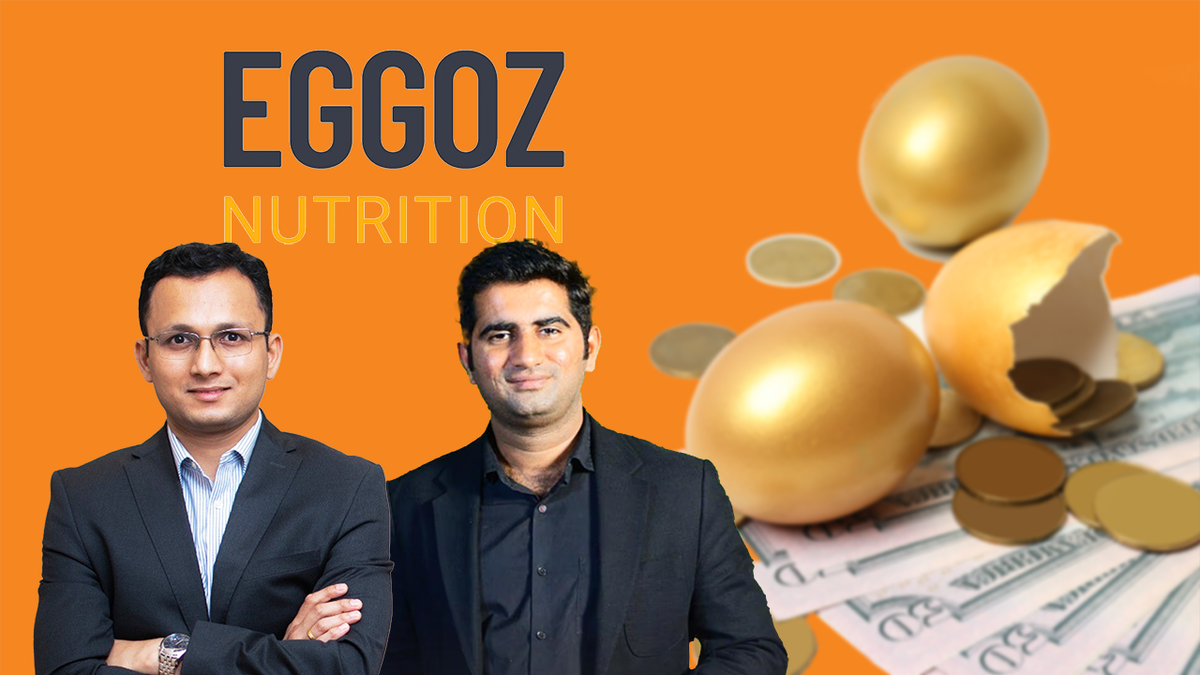
The year’s first major consumer-facing storm erupted in an unexpected place—eggs. A YouTube channel called Trustified, known for independently testing food products, released a video alleging that eggs sold by Eggoz contained traces of nitrofurans, antibiotics banned in India due to their potential carcinogenic effects. The video spread rapidly, triggering anxiety among consumers and igniting a broader conversation about food safety in India’s D2C ecosystem.
Eggoz founder Abhishek Negi swiftly rejected the claims, asserting that the eggs were safe and that the company conducts regular lab testing. He acknowledged that trace amounts of antibiotics were detected in internal tests but maintained they were well within permissible limits set by Indian regulators. Eggoz promised to release an independent test report to counter the allegations, but the damage—at least reputational—had already been done.
The episode underscored how quickly trust can erode in consumer startups, particularly when scientific claims collide with viral content and public fear.
Gaming’s Biggest Legal Crisis: WinZO’s Reckoning
Few controversies shook investors as deeply as the arrest of WinZO’s founders. In late November, Enforcement Directorate officials arrested Saumya Singh Rathore and Paavan Nanda in Bengaluru after hours of questioning, accusing them of money laundering under the Prevention of Money Laundering Act.
According to the ED, WinZO allegedly withheld INR 43 Cr belonging to gamers after real-money gaming was banned in India in August 2025. Investigators claimed that while withdrawals were restricted domestically, the platform continued operating real-money games abroad—in markets like Brazil, the US, and Germany—using the same infrastructure.
Even more damaging were allegations that WinZO deployed algorithms that pitted users against software instead of real players without disclosure, generating what the ED termed illegal betting proceeds. Authorities froze assets worth INR 505 Cr across bonds, fixed deposits, and mutual funds.
WinZO denied all allegations, reiterating its commitment to transparency and compliance. Yet with its founders in custody, customer funds frozen, and its core business model under scrutiny, the episode became one of India’s most serious legal crises in the gaming sector.

A Tarmac Arrest That Shook Edtech: Dataisgood
One of 2025’s most dramatic images came not from a courtroom but from Delhi International Airport. Dataisgood founder Ankit Maheshwari was detained immediately upon landing from an international flight and flown overnight to Kolkata, culminating months of escalating legal pressure.
The trouble began in May when Kantika Mukherjee of LawSikho—part of Skill Arbitrage, which acquired Dataisgood in 2023—filed an FIR accusing Maheshwari, cofounder Shishir Singh, and others of cheating, criminal conspiracy, misuse of investor funds, and data theft. Courts rejected multiple anticipatory bail pleas, and the Supreme Court eventually directed Maheshwari to surrender.
As investigations progressed, Skill Arbitrage claimed it uncovered issues far beyond those disclosed during due diligence—ranging from fake job guarantees and refund disputes to fabricated alumni success stories. Verification checks painted a picture of systemic misrepresentation, turning Dataisgood into one of edtech’s most cautionary tales.
BluSmart and the Collapse of a Clean Mobility Dream
For years, BluSmart and founders Anmol and Puneet Jaggi were hailed as disruptors who dared to build an EV ride-hailing platform in a market dominated by asset-light giants. That narrative unravelled in 2025.
Trouble surfaced when BluSmart defaulted on non-convertible debentures, triggering scrutiny of Gensol, the Jaggi brothers’ listed company that financed BluSmart’s fleet. While Gensol initially downplayed concerns, SEBI’s investigation revealed loan defaults, alleged siphoning of funds for personal purchases—including a luxury apartment at DLF’s The Camellias—and investments routed into private promoter entities.
More than INR 260 Cr from an EV financing deal was found unaccounted for. BluSmart’s role as a related-party dependent on Gensol capital exposed how tightly intertwined the two companies were, turning a default into a full-blown regulatory probe.

Medikabazaar’s Governance War
Medikabazaar’s controversy exemplified how whistleblower complaints can spiral into boardroom warfare. An anonymous tip alleging financial irregularities led the board to appoint external investigators, sideline cofounder-CEO Vivek Tiwari, and eventually terminate him—declaring an “Event of Default” and revoking his promoter rights.
Tiwari accused investors HealthQuad, Creaegis, and AvH of orchestrating a coup, alleging coercion and procedural lapses. The board countered with claims of inflated GMV, circular sales, and financial misreporting, reportedly supported by PwC findings. These allegations culminated in an INR 278 Cr indemnity claim, cementing the episode as one of the year’s ugliest founder-investor battles.
Inflated Numbers, Real Consequences: DroneAcharya
SEBI’s investigation into DroneAcharya delivered a sobering reminder of public market accountability. Regulators found that roughly one-third of the company’s FY24 revenue never existed, booked against two clients who never received drones or services.
Customer addresses turned out to be residential homes and small shops. Once inflated sales were removed, DroneAcharya would have posted a loss instead of the reported profit. SEBI also flagged misuse of IPO proceeds, with funds diverted into fixed deposits, dubious software purchases, and related-party payments instead of drone procurement.
Promoters were barred from the securities market for up to two years, and penalties followed—marking one of the strictest regulatory actions against a newly listed startup.

Nationalism, Data, and Corporate Warfare: EaseMyTrip vs MakeMyTrip
During heightened geopolitical tensions following Operation Sindoor, EaseMyTrip cofounder Nishant Pitti accused MakeMyTrip of being under Chinese influence, citing Trip.com’s 45.95% stake and alleged board-level connections.
Pitti warned that sensitive travel data of Indian armed forces personnel could be compromised. MakeMyTrip rejected the claims as malicious, emphasising its Indian roots, data compliance, and independent governance. The spat intensified until MakeMyTrip raised $3 Bn to buy back shares from Trip.com, reshaping its ownership structure.
Crypto’s Continuing Vulnerability: CoinDCX
After blockchain investigator ZachXBT flagged suspicious fund movements, CoinDCX CEO Sumit Gupta admitted the exchange had suffered a security breach, losing $44.2 Mn (INR 380 Cr) in crypto assets. The funds belonged to operational treasury wallets, not users, but the incident triggered scrutiny following the previous year’s WazirX hack.
CoinDCX responded by launching India’s largest Web3 recovery bounty, offering up to 25% of recovered funds to ethical hackers.
OTT Platforms and State Power
The government banned 25 OTT platforms for hosting obscene and pornographic content, citing repeated violations of the IT Act, Bharatiya Nyaya Sanhita, and the Indecent Representation of Women Act. Authorities said the platforms ignored prior warnings and failed to implement age verification or filters under IT Rules, 2021.
Deepinder Goyal’s Gravity Hypothesis
Zomato CEO Deepinder Goyal’s Continue Research ignited debate with its “Gravity Ageing” hypothesis, suggesting gravity-induced blood flow reduction contributes to ageing. The launch of a cerebral blood flow device called Temple intensified criticism from medical professionals, who accused the company of promoting speculative science.
Facing backlash, Goyal issued a public apology while maintaining gravity could be one contributing factor to ageing.
Bira 91’s Governance Collapse
Once a symbol of India’s craft beer revolution, Bira 91 faced allegations that founder Ankur Jain and family members waived recovery of excess remuneration in violation of the Companies Act. As investors moved to seize assets, including The Beer Cafe, legal battles erupted amid employee complaints of unpaid dues and halted operations.
BYJU’S: A Saga Without Closure
BYJU’S entered 2025 already battered, but fresh whistleblower allegations accused insolvency professionals and EY India of conflicts of interest. Founder Byju Raveendran claimed evidence of criminal collusion as assets were put up for sale, US subsidiaries were divested, and Aakash slipped out of control. Though a US court reversed a $1 Bn default ruling, the edtech giant’s downfall continued.
Dark Patterns and the Cost of Convenience
Quick commerce platforms like Zepto, Blinkit, and Swiggy Instamart faced accusations of algorithmic manipulation—differential pricing, hidden fees, default tipping, and misleading discounts. What was marketed as speed and convenience increasingly appeared to users as opacity by design.
Urban Company’s Gig Economy Flashpoint
Urban Company’s “Insta Maids” launch triggered outrage over language and pay. Critics called the term demeaning and the INR 49-per-hour base pay exploitative. The company rebranded to “Insta Help,” but labour groups argued optics had changed—not economics.
Lenskart and the IPO Valuation Debate
Lenskart’s $821 Mn IPO reignited concerns about inflated valuations. Despite full subscription, critics questioned whether public investors were overpaying for growth narratives. DSP Asset Managers defended its investment while admitting the IPO was expensive, reopening memories of the 2021–22 listing excesses.
2025 did not just test India’s startup ecosystem—it exposed it. What comes next will depend on whether founders, regulators, and investors treat this year as an anomaly or as a warning.
With inputs from agencies
Image Source: Multiple agencies
© Copyright 2025. All Rights Reserved. Powered by Vygr Media.