 By
By 
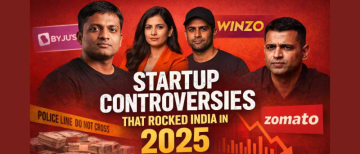
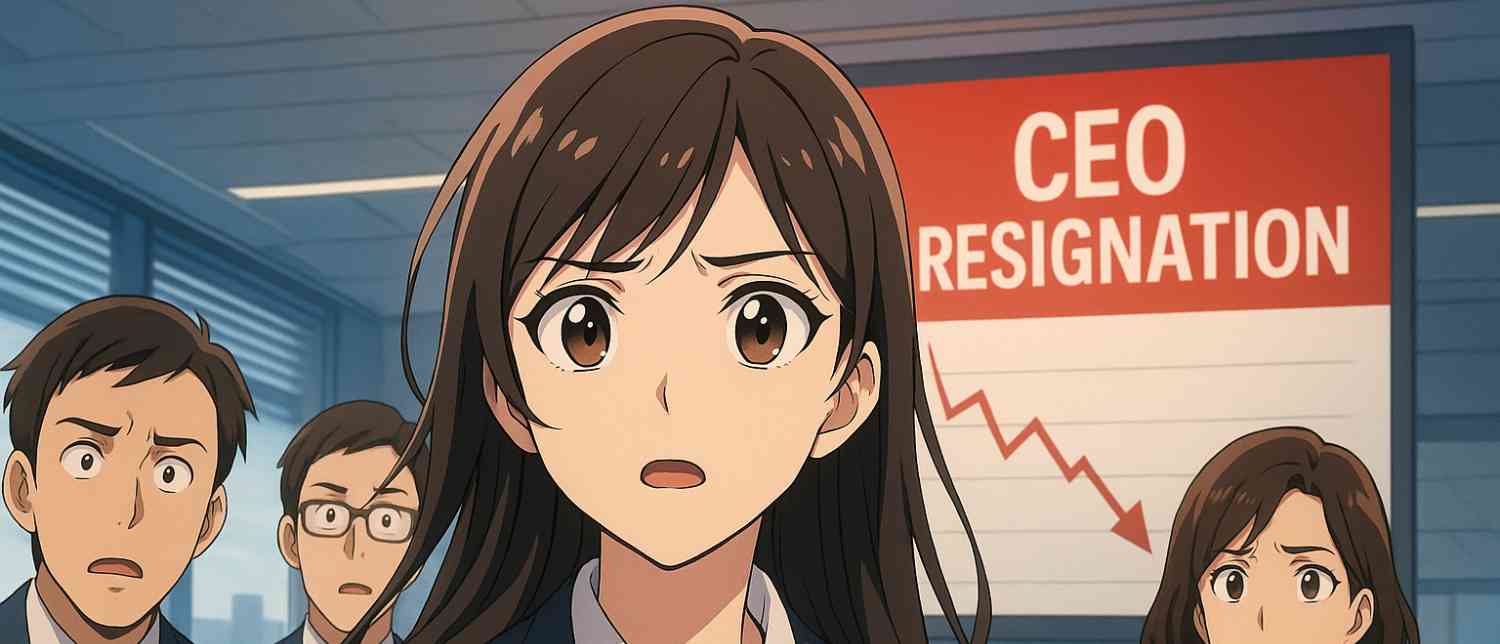
The year 2025 has emerged as one of the most transformative—and turbulent—periods in the history of the Indian startup ecosystem. Amid geopolitical instability, tightening domestic regulations, macroeconomic volatility, and the sweeping impact of AI-led disruptions, companies have found themselves forced to evolve, restructure, or in some cases, shut down altogether. But alongside the shutdowns, layoffs, and strategy resets, a quieter yet more telling phenomenon has unfolded: a wave of founders and CEOs stepping down.
Leadership exits are not uncommon in maturing markets. Yet, the scale and frequency with which cofounders and chief executives have moved aside this year have signaled a broader shift—one that reflects not just business pressures but personal choices, investor strategies, and the changing DNA of modern startups. For many founders, 2025 became the year of passing the baton.
According to industry experts like 3one4 Capital’s founder Pranav Pai, burnout remains one of the most persistent and underestimated reasons behind these departures. The relentless pace of startup building, especially for solo founders scaling companies to the next level, often results in emotional and operational overload. Pai notes that in such cases, investors rarely interfere: if a founder feels misaligned with the company's expanding needs, stepping down often serves both personal well-being and organisational interests.
Alongside burnout, a notable trigger for many resignations in 2025 was the dramatic shift in market strategy. With investor attention pivoting sharply toward profitability, efficiency, and AI integration, boards increasingly initiated leadership transitions to bring in new directions and capabilities. As Pai explained, when companies undergo strategic rewiring, it is frequently the board that decides the leadership must change—and founders are often the first to move aside.
But not all exits signaled complete departures. Some founders, like EaseMyTrip’s Nishant Pitti, merely stepped back from operational control while continuing to serve at board or management levels. Others embraced entirely new entrepreneurial journeys, as seen with PharmEasy’s trio of departing cofounders preparing to launch their next venture. Meanwhile, the growing appetite for secondary deals—preferred by nearly 41% of Indian investors in 2025, according to Inc42 data—allowed many founders to de-risk financially, creating opportunities for clean exits or new endeavours.
What ultimately emerged from these shifts was an unmistakable trend: 2025 became the year of leadership reconfiguration—reshaping not only individual companies but also the broader ecosystem.

What’s Driving the Exit Wave? Key Themes of 2025
The motivations behind the high-profile exits this year were far from uniform. Instead, a complex mix of business realities and personal transitions shaped the departures. A closer look reveals several dominant trends:
-
Burnout:
Founders, especially those leading solo or operationally stretched companies, reached their limits. The constant push for scale, the pressure to deliver profitability, and the demands of navigating economic uncertainty created environments where stepping down felt inevitable.
-
Strategic Pivots and AI Disruptions:
As companies recalibrated their models to incorporate AI or chase profitability, leadership requirements changed. Boards increasingly initiated founder transitions to align the organisation with new technology-driven priorities.
-
Financial Stress:
Cash crunches, funding challenges, and pre-acquisition restructuring often forced founders to relinquish operational control—sometimes even before deals were finalized.
-
Personal Circumstances:
Several founders cited personal or undisclosed reasons, which, while private, highlight the emotional weight of entrepreneurial leadership.
-
New Ventures or Career Transitions:
Some leaders left to build new startups, launch incubators, or shift into senior roles at other companies. For seasoned founders, closing one chapter often opened the door to another.
Major Leadership Exits That Defined 2025
Below is a comprehensive overview of the most significant founder and CEO exits across the Indian startup landscape this year—each reflecting a unique mix of challenges, choices, and new beginnings.
-
Abha Maheshwari Steps Down as CEO of Allen Digital
After two years at the helm of Allen Digital, Abha Maheshwari resigned in August 2025. Her departure marked the end of a chapter defined by growth and transformation. While she did not disclose future plans, Maheshwari shared that she intended to take a pause before her next professional step.
Maheshwari brought with her extensive experience from Meta, where she spent a decade leading product, payments, and major initiatives across Facebook and Instagram. Before that, she worked with Cadence Design Systems and Magma Design Automation—giving her a rare blend of engineering, product, and leadership expertise.
-
Clensta Cofounder Ashish Mishra Exits During Cash Crisis
D2C skincare brand Clensta faced financial turbulence and was struggling to raise new capital when its cofounder and chief business officer Ashish Mishra officially resigned in January 2025. Although he had indicated his intention to step down in 2024, the formal exit came amid worsening financial pressures.
Mishra, formerly a senior vice president at Honasa, joined Clensta in 2023 and was instrumental in driving its retail-first strategy. Upon resigning, he revealed plans to launch a new beauty and personal care venture in collaboration with other founders and HNIs.
Clensta was later acquired by Florida Beauty Labs, the parent company behind Keywest and Co.Co. Walk—an acquisition that also led to founder Puneet Gupta’s exit.
-
DriveU Cofounder Ashok Shastry Steps Aside for Personal Reasons
DriveU’s cofounder, Ashok Shastry, announced his departure from day-to-day operations while continuing to serve on the company’s board. Founded in 2015 with his father Ramprasad Shastry, DriveU grew into a leading platform offering on-demand drivers and chauffeurs, logging more than 5 million rides for over 6.5 lakh customers.
Shastry expressed pride in building a robust, culturally strong organisation that achieved two consecutive EBITDA-positive years—even weathering the challenges of the pandemic.
-
Dunzo Cofounder Kabeer Biswas Ends His Chapter
Once a hyperlocal delivery pioneer backed by Reliance, Dunzo’s downfall was one of the year’s most dramatic episodes. In early 2025, cofounder Kabeer Biswas stepped down from his role amid legal challenges related to unpaid dues to employees and vendors.
Despite Reliance once considering acquiring Dunzo, Biswas reportedly did not agree to exit at that time. It was only after the company shut down operations that he finally left, later joining and then preparing to move on from Flipkart Minutes, where Kunal Gupta has since taken over his responsibilities.

-
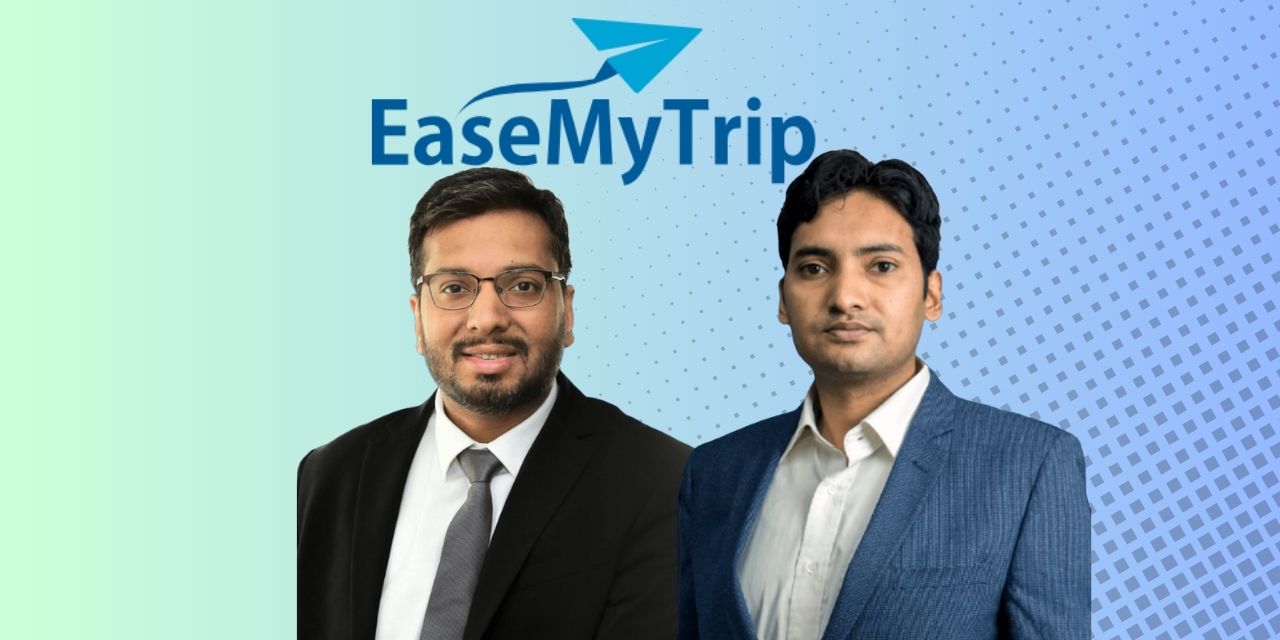
EaseMyTrip CEO Nishant Pitti Resigns Amid Rumors and Restructuring
The listed travel-tech major witnessed a significant leadership shuffle when CEO Nishant Pitti stepped down. While speculation circulated around his alleged involvement in the Mahadev betting case, EaseMyTrip firmly denied any such connections.
Pitti, who had been steadily reducing his ownership, sold nearly 5 crore shares for INR 78.3 Cr at the end of 2024 and later pledged 9 crore shares worth INR 94.5 Cr for personal use. Despite stepping down as CEO, he continues to remain influential within the company as chairman and managing director.
-
Eduvanz Cofounder Raheel Shah Steps Down
Eduvanz, an edtech-focused NBFC, saw its cofounder and chief business officer Raheel Shah exit during a broader restructuring effort. Sources revealed that Shah plans to launch an incubator to mentor emerging startups. The company also witnessed other leadership exits and raised a $2.9 Mn bridge round from Juvo Ventures and Capria Fund.
-
Exotel Cofounder Ishwar Sridharan Leaves To Take a Break
Exotel’s leadership saw multiple changes this year, including the resignation of cofounder and COO Ishwar Sridharan in September. His LinkedIn bio now simply reads: “On a break.” Several other executives, including the India head and senior directors, also stepped down from the AI-based customer engagement platform.
-
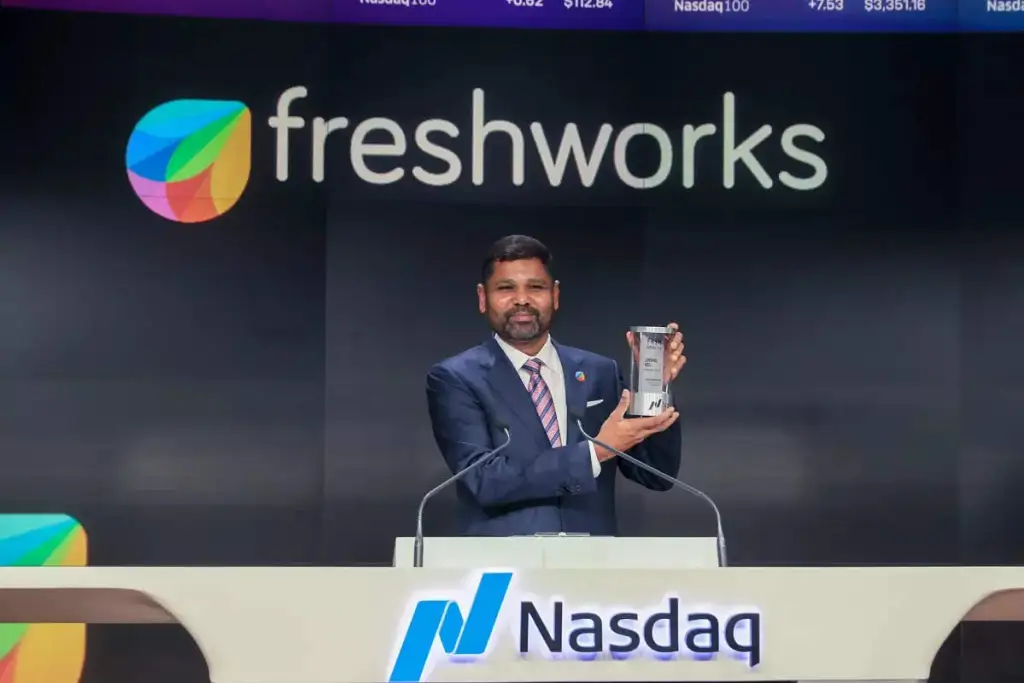
Freshworks Cofounder Girish Mathrubootham Steps Down
In September, Girish Mathrubootham—the iconic cofounder of Freshworks—announced he would step down as executive chairman by December 1 to focus on Together Fund, the VC firm he cofounded.
Freshworks, which went public in the US, has undergone significant strategic and leadership transformation in recent years, with AI becoming central to its product roadmap. Notably, Mathrubootham’s cofounder Shanmugam Krishnasamy had also exited earlier, in 2022.
-
GlobalBees CEO Nitin Agarwal Resigns Citing Personal and Health Reasons
Nitin Agarwal, who cofounded GlobalBees alongside FirstCry’s Supam Maheshwari, exited the unicorn startup due to personal and reportedly health-related reasons. The company’s former CBO, Anuj Jain, stepped into the CEO role, while senior vice president Mohit Saxena also left earlier in the year.
-
Good Glamm Group Founder Darpan Sanghvi Steps Down Amid Collapse
Good Glamm Group—owner of brands like MyGlamm, Moms Co, and Organic Harvest—faced a dramatic collapse as investors moved to sell off assets and settle mounting debt. Founder Darpan Sanghvi resigned, taking responsibility for the company’s downfall. The group is now undergoing insolvency proceedings. In September, Sanghvi launched a new platform, CoFounder Circle.
-
Haptik Cofounder Aakrit Vaish Hands Over Leadership
Aakrit Vaish, cofounder and CEO of Reliance-owned Haptik, stepped down last year but formalized the announcement in 2025. He handed over the reins to long-time team member Ahshad Jussawalla while continuing to serve on the company’s board. Vaish is now working on a SaaS-based marketing product.
-
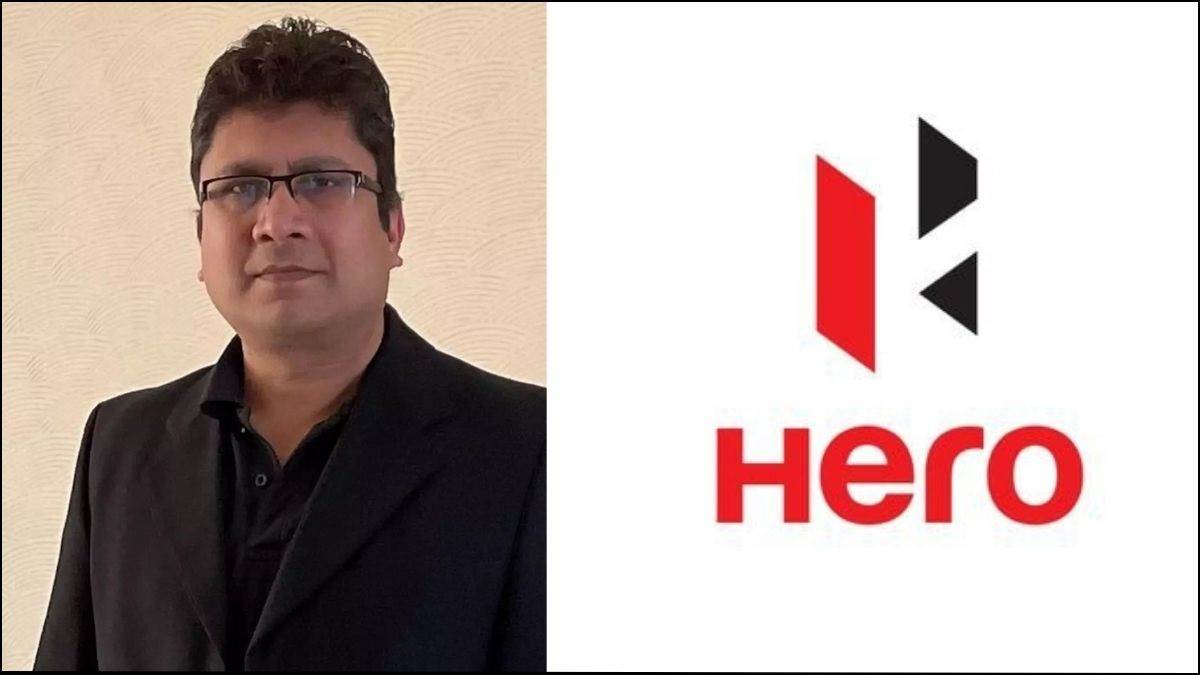
Hero MotoCorp CEO Niranjan Gupta Moves to HUL
In a major corporate shift, Hero MotoCorp’s CEO Niranjan Gupta resigned in February, leaving the company on April 30. He later joined Hindustan Unilever Limited (HUL) as CFO and executive director. Gupta, originally Hero’s CFO for six years before becoming CEO, brings deep financial expertise to his new role.
-
MensXP Founder Angad Bhatia Exits After ILN Acquisition
Angad Bhatia stepped down as founder of India Lifestyle Network (ILN), the parent entity behind MensXP, iDiva, and Hypp. He later joined Network18 as the CEO for Firstport and Creator18. Although earlier reports suggested he might launch a creator-focused investment fund, Bhatia opted instead for leadership roles in established media.
-
Navi’s Sachin Bansal Passes the CEO Baton
Fintech major Navi underwent restructuring in February, during which founder Sachin Bansal stepped down as CEO of both Navi Technologies and Navi Finserv. He remains executive chairman, focusing on long-term strategy, expansion, fundraising, mergers and acquisitions, and strengthening compliance.
The company appointed legal head Rajiv Naresh as CEO of Navi Technologies and business operations head Abhishek Dwivedi as CEO of Navi Finserv.
-
PharmEasy Faces Multiple Cofounder Exits
PharmEasy witnessed one of the most dramatic leadership turnovers of the year. In January, four cofounders—Dharmil Sheth, Dhaval Shah, Hardik Dedhia, and Harsh Parekh—stepped down from executive roles. Sheth, Shah, and Dedhia plan to launch a new venture together.
Although Siddharth Shah initially continued as CEO and managing director, he also stepped down in August, transitioning to director and vice chairman at API Holdings. Rahul Guha, MD and CEO of Thyrocare, has since taken over.
-
SwiffyLabs Cofounder Lizzie Chapman Exits Within a Year
Lizzie Chapman, who cofounded SwiffyLabs in 2024 with Ashish Anantharaman, left the startup within a year of its launch. Chapman previously cofounded ZestMoney, which was acquired by DMI in a distress sale in 2023. She continues with SwiffyLabs in an advisory capacity.
-
Tata Digital CEO Naveen Tahilyani Resigns Amid Neu Scale Challenges
Naveen Tahilyani stepped down in May after less than a year as CEO of Tata Digital. He subsequently joined Prudential Plc as regional CEO for India, Africa, and Southeast Asia. His exit came as Tata Digital struggled to scale its super app, Tata Neu. In September, the company appointed Sajith Sivanandan, former head of Jio Digital Services, as the new MD and CEO.
-
Zoho CEO Sridhar Vembu Transitions to Chief Scientist Role
After three decades, Zoho’s iconic leader Sridhar Vembu resigned as group CEO to focus on deep research initiatives as the company’s Chief Scientist. Vembu has become increasingly vocal about India’s need for sovereign AI—and will now lead Zoho’s long-term R&D efforts. Cofounder Shailesh Davey has taken over as CEO.
Investor Shifts and Evolving Exit Strategies
Beyond individual resignations, 2025 also marked a meaningful shift in how founders approach exits. Nearly 41% of Indian investors now prefer secondary deals as a clean, efficient exit path. This trend allowed many founders to cash out partially—mitigating personal financial risks while enabling smoother leadership transitions.
Departing leaders often remain on company boards, offering continuity while stepping away from daily operations. The ecosystem also saw renewed entrepreneurial energy, with several founders—such as those from PharmEasy—preparing new ventures and incubators.
Why These Exits Matter: Impact on India’s Startup Ecosystem
The wave of leadership changes carries several implications:
-
A Sign of Maturity
Founder transitions echo patterns seen in global startup markets, indicating that Indian startups are maturing into professionally managed institutions.
-
Shifts in Investor Confidence
While abrupt exits can shake stakeholders, they also show investors' growing role in governance and accountability.
-
Workforce & Market Impact
Leadership churn inevitably affects morale, strategic clarity, and execution—but also creates space for innovation and renewed focus.
The Road Ahead: What to Expect
The remainder of the decade may see even more leadership transitions as companies scale, markets shift, and professional CEOs take precedence. Governance, profitability, and AI readiness will dominate the decision-making framework.
Despite short-term turbulence, the long-term outcome looks promising: a more robust, professionally governed, innovation-driven startup ecosystem.
With inputs from agencies
Image Source: Multiple agencies
© Copyright 2025. All Rights Reserved. Powered by Vygr Media.