 By
By 
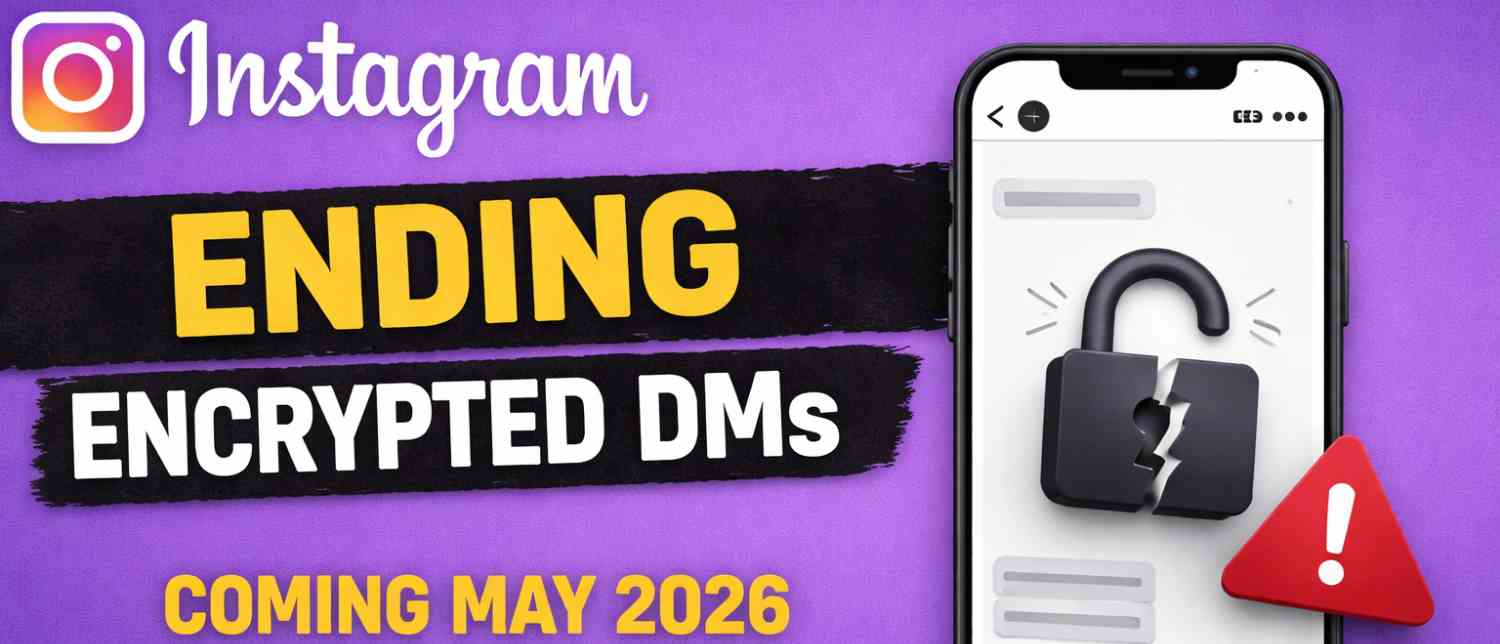
In a move that has ignited debate over digital privacy and platform accountability, Meta Platforms has announced it will discontinue support for end-to-end encrypted (E2EE) messaging on Instagram beginning May 8, 2026. The decision marks a significant policy reversal for the company, which had previously promoted encryption as a cornerstone of secure online communication.
The change will directly affect how millions of users interact on Instagram’s direct messaging (DM) feature, raising questions about privacy, data access, and the future of secure messaging within social media platforms.
A Feature Rolled Back
End-to-end encryption ensures that only the sender and recipient can read the contents of a message, preventing even the platform provider from accessing it. Instagram introduced this feature in 2023 as an optional setting, allowing users to enable encryption for individual chats.
However, from May 2026, the feature will be completely removed. This means all messages sent via Instagram DMs will no longer be protected by end-to-end encryption, regardless of user preference. Meta has confirmed that existing encrypted chats will not continue under the same protection, and users will be required to take action if they wish to preserve their conversations.
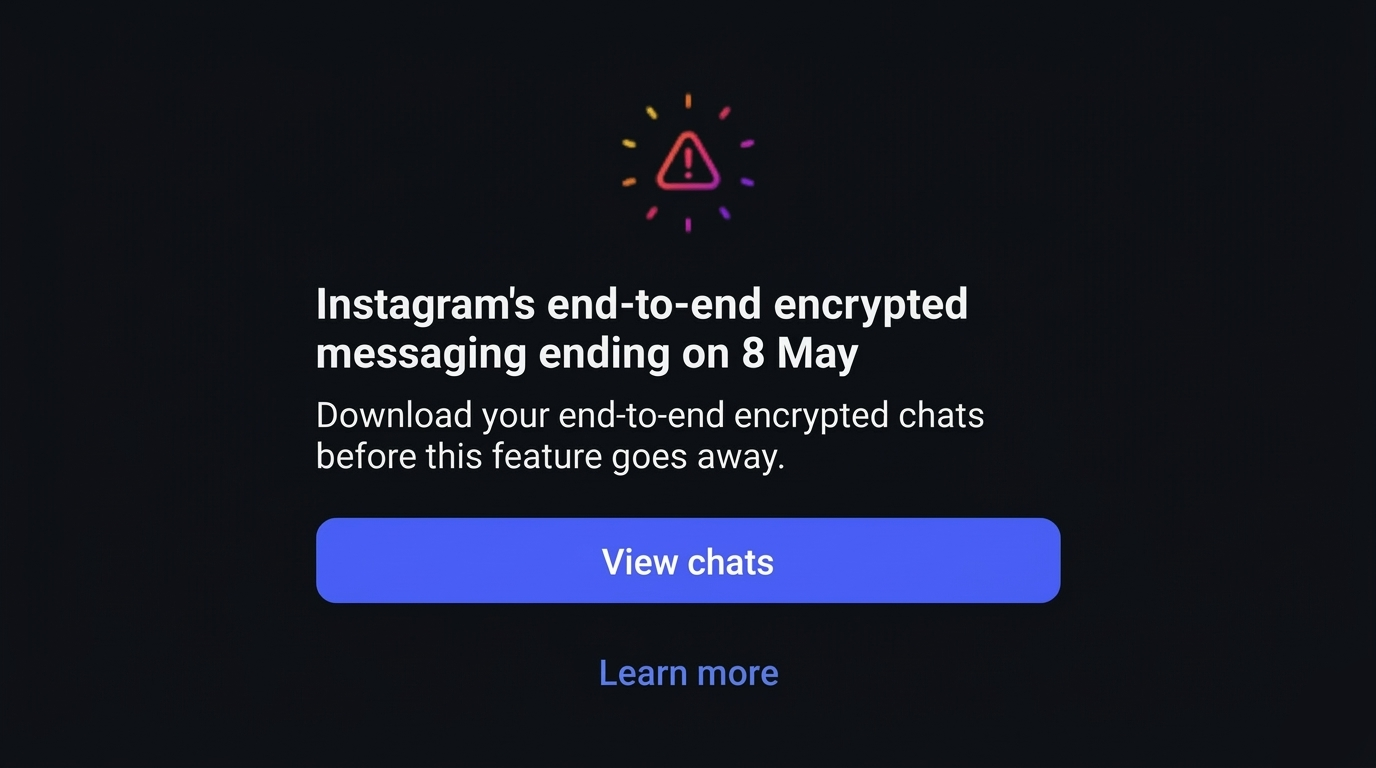
The company has begun notifying users with encrypted chats, urging them to download their messages, photos, and other shared content before the deadline. Once encryption support is withdrawn, those conversations may not be accessible in the same format.
Why Meta Is Making This Change
Meta has not issued a single detailed explanation consolidating all reasons behind the decision, but information emerging from multiple reports points to a combination of technical, strategic, and regulatory factors.
One of the most prominent reasons cited is the low adoption rate of encrypted messaging on Instagram. Unlike WhatsApp, where encryption is enabled by default, Instagram required users to manually activate E2EE for specific chats. As a result, only a small percentage of users reportedly utilized the feature.
Another major factor is increasing pressure from governments and law enforcement agencies across the globe. Authorities have repeatedly raised concerns that strong encryption can hinder efforts to detect and prevent serious crimes, including child exploitation, terrorism, and organized illegal activities. Without access to message content, investigators often face challenges in gathering digital evidence.
Meta’s decision appears to reflect a broader balancing act between user privacy and regulatory compliance. By removing encryption from Instagram, the company may be attempting to align more closely with evolving legal expectations in multiple jurisdictions.
What Happens to Your Messages Now
The removal of end-to-end encryption does not mean that Instagram messages will become publicly visible or instantly accessible to hackers. However, it does fundamentally change how messages are stored and protected.
Without E2EE, messages are no longer locked using device-specific encryption keys. Instead, they may be processed and stored in ways that allow platform-level access. This could enable Meta’s systems to analyze content for purposes such as moderation, safety enforcement, and potentially even service improvements.
From a security standpoint, this shift increases reliance on Meta’s internal safeguards rather than cryptographic protections. While the company maintains that it employs robust security measures, experts note that any system without end-to-end encryption inherently presents a larger attack surface.
In simpler terms, while users should not assume their chats are being actively monitored or easily hacked, they should understand that their messages are no longer protected by the highest standard of privacy technology available.
User Action Required Before May 8
Meta has advised users to update their Instagram apps to the latest version to ensure they receive proper notifications and tools related to the transition. Those who have used encrypted chats are encouraged to download their data, including text messages, images, and other media files.
Failure to back up this data before the deadline could result in permanent loss of access to encrypted conversation histories. The company has emphasized that older versions of the app may not support the necessary export features, making updates essential.
A Shift in Meta’s Messaging Strategy
The decision to remove encryption from Instagram also signals a shift in Meta’s broader messaging ecosystem strategy. While Instagram steps away from E2EE, platforms like WhatsApp continue to offer encryption by default, positioning themselves as more secure alternatives for private communication.
This divergence suggests that Meta may be redefining the role of Instagram as primarily a social networking and content-sharing platform rather than a secure messaging service. Users seeking confidential communication may increasingly be directed toward dedicated messaging apps within the company’s portfolio.
At the same time, the removal of encryption could allow Meta to integrate advanced technologies, including artificial intelligence, more effectively into Instagram’s messaging system. Access to message content can enhance moderation capabilities and enable features that rely on data analysis, although this also raises concerns about user data usage.
Mixed Reactions from Stakeholders
The announcement has triggered varied responses from different sections of society.
Privacy advocates have expressed concern that removing end-to-end encryption weakens user protection and sets a concerning precedent. They argue that once a platform steps back from encryption, it becomes easier for similar decisions to follow elsewhere, potentially eroding digital privacy standards globally.
On the other hand, safety advocates and some policymakers have welcomed the move. They believe it could improve the detection and prevention of harmful activities online by allowing platforms to monitor and intervene in suspicious communications.
For everyday users, the reaction has largely been one of confusion and uncertainty. Many are questioning whether Instagram messages can still be considered private and whether they should continue using the platform for personal or sensitive conversations.
Privacy vs Safety: An Ongoing Debate
At the heart of this development lies a broader global debate between privacy and safety. End-to-end encryption has long been praised for protecting individual rights and securing personal data. However, it has also been criticized for creating “blind spots” where illegal activities can occur undetected.
Meta’s decision illustrates the complexity of navigating this balance. By removing encryption from Instagram, the company appears to be prioritizing oversight and compliance over maximum privacy protection, at least within this specific platform.
Implications for the Future
The move could have far-reaching implications for the digital landscape. It may signal a trend where social media platforms limit encryption features while reserving them for specialized messaging services. This could lead to a clearer distinction between platforms designed for open interaction and those intended for private communication.
For users, the change serves as a reminder that privacy features are not permanent and can evolve based on business decisions, regulatory pressures, and technological priorities. It also underscores the importance of understanding how different platforms handle data and choosing communication tools accordingly.
Final Thoughts
Meta’s decision to discontinue end-to-end encryption on Instagram from May 8, 2026, marks a turning point in the platform’s approach to user privacy. While the company cites low adoption and safety considerations, the move has sparked widespread concern about the security of personal conversations.
As the deadline approaches, users are being urged to back up their encrypted chats and reassess how they use Instagram’s messaging feature. For those who prioritize confidentiality, the shift may prompt a move toward platforms that continue to offer robust encryption by default.
Ultimately, the development highlights an evolving digital reality: the balance between privacy and safety is constantly being renegotiated, and the rules governing online communication are far from fixed.
With inputs from agencies
Image Source: Multiple agencies
© Copyright 2025. All Rights Reserved. Powered by Vygr Media.