
 By
By 
In an unexpected digital blackout, YouTube — the world’s biggest video-sharing platform — went completely down for millions of users worldwide late on Wednesday night. People across Asia, Europe, and parts of America reported blank screens, error messages, and frozen video feeds, sparking panic and frustration among regular viewers and content creators alike.
The issue started just before midnight UK time and spread rapidly. Within minutes, users flooded social media platforms like X (formerly Twitter) and Facebook, using hashtags such as **#YoubeDown and **#YouTubeCrasho express confusion. Reports came in from major cities like London, Delhi, New York, and Sydney, showing that the outage had reached global scale.
DownDetector, a popular website for tracking outages, showed a massive spike in complaints within the first ten minutes. More than 3 million reports poured in, all pointing towards the same issue — YouTube videos not loading, thumbnails missing, and channels displaying empty spaces.
After nearly an hour of silence, YouTube’s official support team addressed the issue on X, posting: “We’re aware many of you are facing issues watching videos or accessing YouTube. Our team is on it and we’ll share updates soon.”
Although the company did not specify the exact cause, early hints suggest a server-side glitch or temporary network error could have triggered the disruption. By early morning, some users reported services slowly returning to normal, though others continued to face playback delays and missing features.
This crash hit hardest among digital creators and live streamers who rely on YouTube for income. Scheduled premieres, live gaming events, and music releases had to be paused or rescheduled. Several creators voiced worries about watch-time drops and ad revenue losses, especially for those who depend on timely uploads and global viewership.
Smaller creators shared screenshots showing blank analytics dashboards, while some users noted being automatically logged out of their accounts. For a platform hosting billions of daily video plays, it was one of the most serious interruptions in recent years.
Beyond individuals, brands and advertisers also faced disruptions. Companies that had scheduled YouTube ads or promotional videos during peak hours lost significant traffic. Meanwhile, millions of regular viewers were left with little to do, turning instead to TikTok or Instagram Reels for entertainment.
For children and students, the outage also affected educational channels and tutorials, disrupting online learning sessions and delaying classes that depend on YouTube’s video library.
As services slowly resumed by morning, YouTube promised to investigate the cause thoroughly and ensure stability. Cybersecurity analysts believe it could have resulted from a large-scale backend update, content delivery network failure, or even unexpected overload due to global traffic surges.
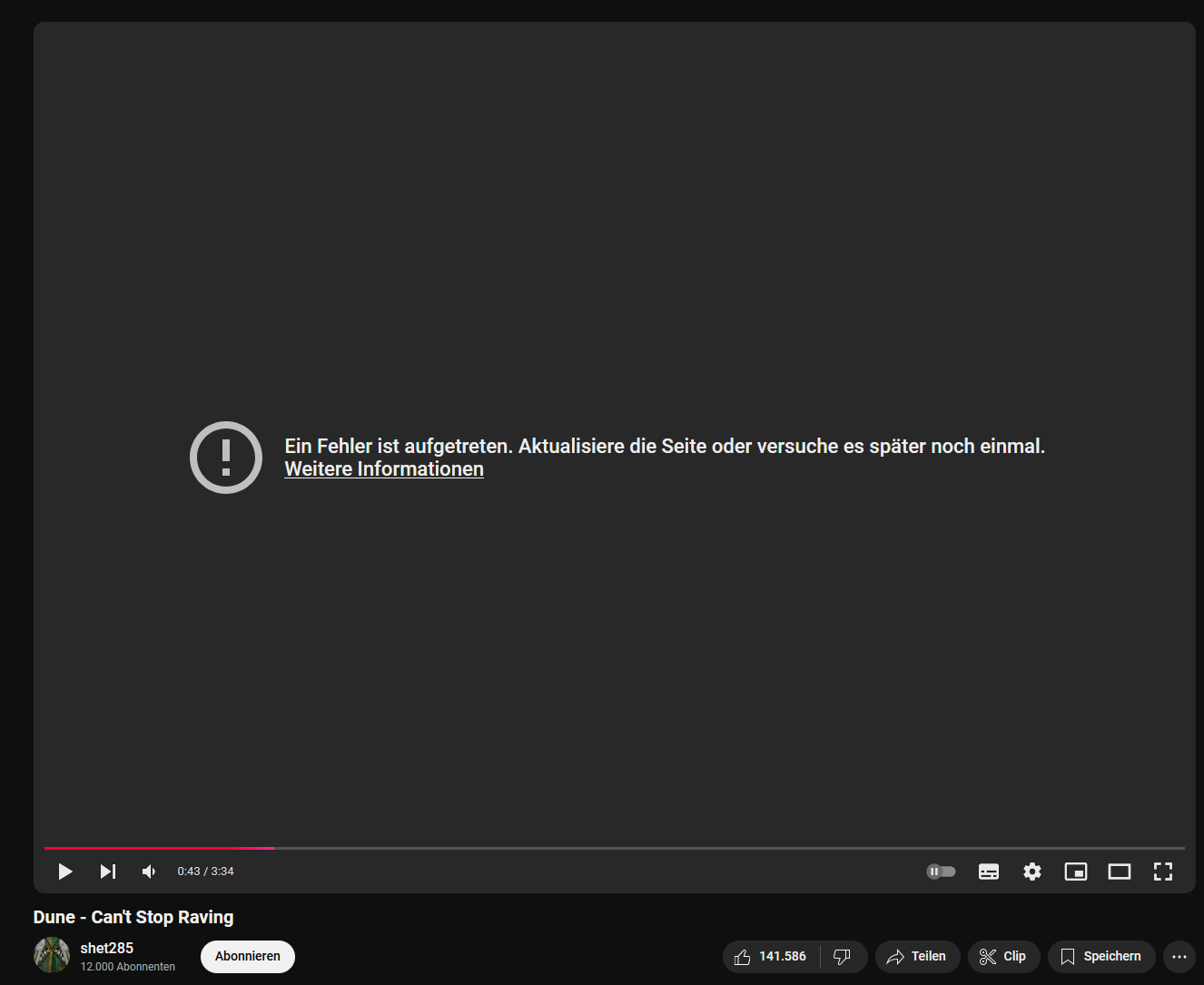
For now, users are relieved to have their favourite videos and channels back online. But the sudden crash highlights how dependent the digital world has become on key platforms like YouTube for both entertainment and education.
With inputs from agencies
Image Source: Multiple agencies
© Copyright 2025. All Rights Reserved. Powered by Vygr Media.