
 By
By 
India’s aviation sector is set for a sweeping transformation as the government rolls out a series of passenger-centric reforms aimed at making air travel more transparent, fair, and accessible. The latest directives from the Directorate General of Civil Aviation (DGCA) and the Ministry of Civil Aviation focus heavily on curbing hidden charges and ensuring a smoother experience for flyers—especially when it comes to seat selection, one of the most contentious aspects of airline pricing today.
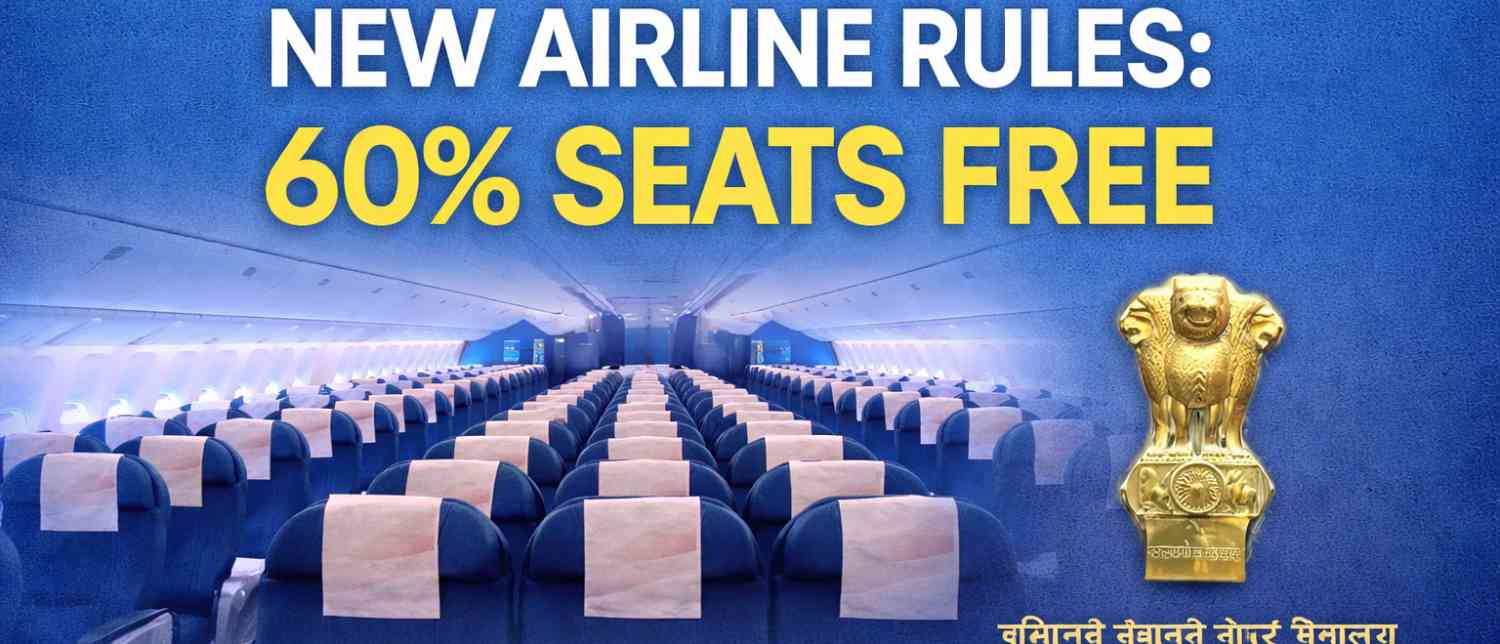
At the core of these reforms is a landmark rule: airlines must now make at least 60% of their seats available free of charge during the booking process. This move is expected to significantly reduce the burden of ancillary costs on passengers and reshape how airlines structure their pricing models.
A Major Policy Shift in Indian Aviation
For years, Indian air travelers have faced increasing “unbundling” of services, where even basic सुविधाएँ like seat selection were monetized. Whether choosing a window seat or simply ensuring family members sat together, passengers often had to pay extra—sometimes substantially.
The new rules aim to reverse this trend by mandating fair access to essential services. By ensuring that a majority of seats are free to select, the government is addressing widespread consumer complaints about opaque pricing and forced add-ons.
The Six Key Directives Explained
The reforms are structured around six major directives that airlines must now comply with:
1. Minimum 60% Seats Must Be Free
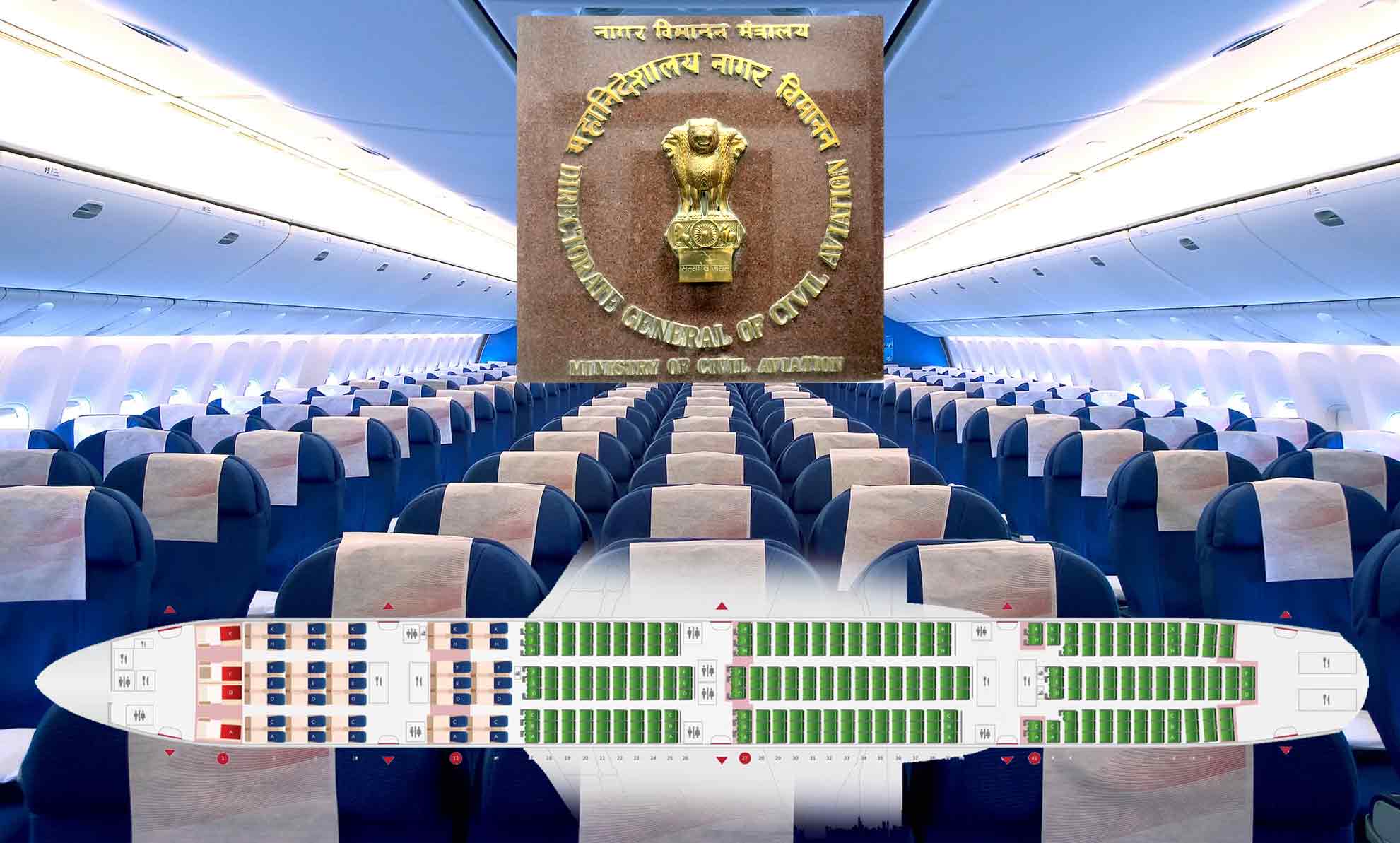
Airlines are required to offer at least 60% of total seats on every flight free of charge at the time of booking. This ensures that a majority of passengers can select seats without incurring additional costs.
2. Mandatory Seat Allocation Transparency
Airlines must clearly display which seats are free and which are chargeable during the booking process. This eliminates confusion and prevents hidden fees from appearing at later stages.
3. Passengers on Same PNR Should Sit Together
Carriers are required to make all reasonable efforts to seat passengers booked under the same PNR together. This is particularly beneficial for families, elderly travelers, and those traveling with children.
4. No Forced Paid Seat Selection
Passengers cannot be compelled to pay for seat selection. Even if they opt not to pay, airlines must assign them a seat from the free pool without inconvenience.
5. Charges Only for Premium or Preferred Seats
Airlines are allowed to charge only for premium seats, such as those with extra legroom or in preferred rows, while standard seats must largely remain free.
6. Full Disclosure of Ancillary Charges
All additional costs—including seat selection, baggage, and in-flight services—must be fully disclosed upfront, ensuring complete transparency during booking.
A Relief for Passengers
The introduction of these rules is being widely seen as a major राहत for Indian flyers. Budget travelers, in particular, stand to gain the most, as they can now avoid paying extra just to secure a basic seat.
Families and group travelers will also benefit significantly. In the past, many were forced to either pay additional fees or risk being seated apart. With the new PNR-based seating directive, such inconveniences are expected to reduce considerably.
Will Airfares Rise?
While the reforms are clearly consumer-friendly, they raise an important question: will airlines increase ticket prices to offset the loss of seat selection revenue?
Seat selection fees have long been a crucial part of airlines’ ancillary income, especially for low-cost carriers. With 60% of seats now required to be free, airlines may explore alternative revenue strategies. This could include:
-
Slight increases in base fares
-
Higher charges for premium seating
-
Expanded paid services like priority boarding or meals
However, no direct fare regulation has been imposed alongside these rules, leaving airlines free to adjust pricing as they see fit.
Industry Reaction: Cautious Optimism
Consumer advocacy groups have welcomed the move, calling it a long-overdue step toward fair pricing and transparency in aviation. Many believe it will restore trust among passengers who felt nickel-and-dimed by hidden charges.
Airlines, on the other hand, have expressed cautious concern. While they acknowledge the importance of passenger satisfaction, the financial implications of losing a steady revenue stream cannot be ignored. The industry, already operating on tight margins, may need to rethink its business models.
Operational Challenges for Airlines
Implementing the new directives will not be without challenges. Airlines will need to:
-
Redesign seat allocation systems
-
Update booking interfaces for transparency
-
Ensure compliance with PNR-based seating rules
-
Balance free vs. premium seat categories strategically
Some carriers may respond by reclassifying more seats as “premium” to retain revenue opportunities within the remaining 40%.
A Step Toward Passenger Rights Reform
These directives are part of a broader push by the Ministry of Civil Aviation to strengthen passenger rights in India. By standardizing practices across airlines, the government aims to create a more equitable travel environment.
The focus is clear: essential services should not come at a premium, and passengers deserve clarity in what they are paying for.
What This Means for Travelers
For passengers, the changes translate into:
-
Greater control over seat selection without extra cost
-
Better chances of sitting with family or companions
-
Increased transparency in ticket pricing
-
Reduced last-minute surprises during booking
At the same time, travelers who prefer specific premium seats may still need to pay—but with clearer justification and upfront disclosure.
The Road Ahead
The success of these reforms will depend largely on how effectively they are implemented and enforced. The DGCA is expected to monitor compliance closely, and airlines failing to adhere to the rules could face penalties.
If executed well, this policy could set a precedent for further consumer-focused reforms in the aviation sector—not just in India, but potentially in other markets facing similar issues.
The mandate to make 60% of flight seats free during selection marks a significant shift in India’s aviation landscape. By embedding transparency, fairness, and passenger convenience into the booking process, the government is redefining the balance between airline profitability and consumer rights.
While questions remain about potential fare increases, one thing is certain: air travel in India is becoming more passenger-first than ever before.
With inputs from agencies
Image Source: Multiple agencies
© Copyright 2025. All Rights Reserved. Powered by Vygr Media.