
 By
By 
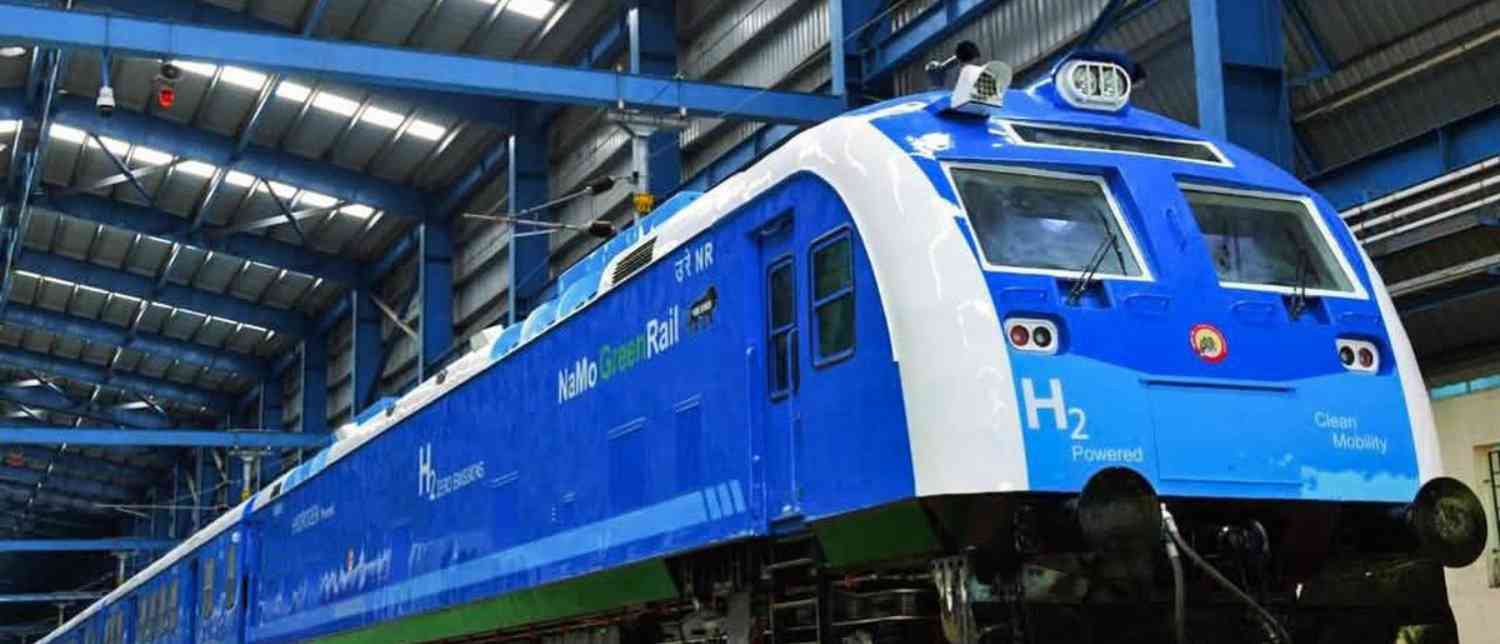
New Delhi: India is set to enter a new era of sustainable rail transportation with the launch of its first hydrogen-powered train on July 17. Prime Minister Narendra Modi will flag off the country's maiden Hydrogen Fuel Cell Train from Jind in Haryana, where it will begin operations on the Jind-Sonipat section under Northern Railway. The landmark project is expected to strengthen India's clean mobility ambitions while showcasing indigenous technological capabilities under the broader vision of sustainable infrastructure development.
The launch marks a significant milestone for Indian Railways, one of the world's largest rail networks, as it explores alternatives to fossil fuel-powered transportation. Unlike conventional diesel trains, the hydrogen-powered train produces electricity onboard using hydrogen fuel cells, with water vapour emerging as its only direct emission. The initiative aligns with India's long-term objective of reducing carbon emissions from the transport sector and advancing green energy adoption.
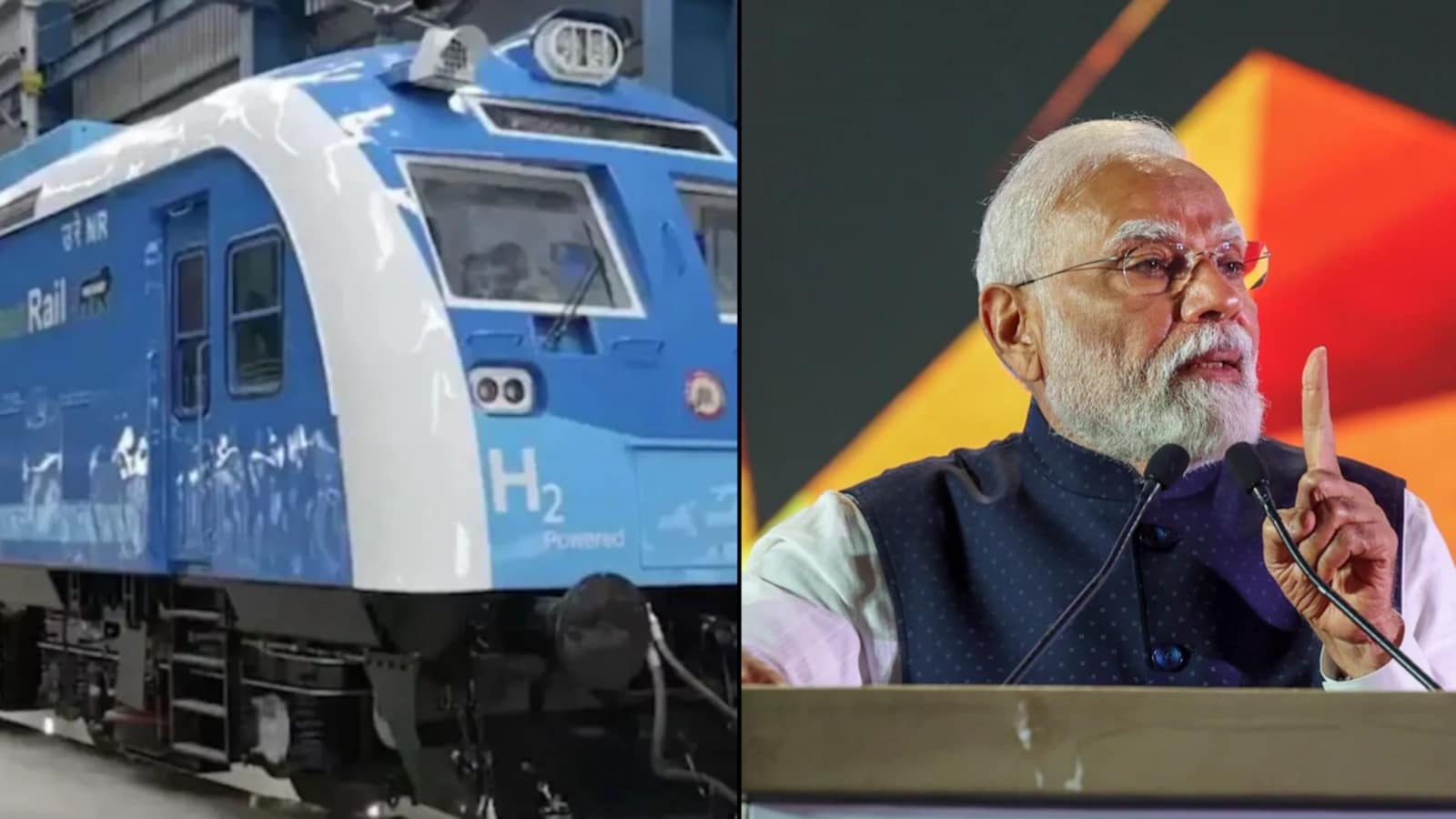
A Historic First for Indian Railways
The hydrogen-powered train will operate between Jind and Sonipat in Haryana, covering an approximately 89-kilometre route. The section has been selected as the country's first operational corridor for hydrogen rail technology, serving as a pilot that could pave the way for wider deployment across the Indian Railways network if the project proves successful.
The launch places India among a select group of nations—including Germany, France, Italy, China and Japan—that have either introduced or are testing hydrogen-powered rail technology. While electric railways remain the preferred option on fully electrified routes, hydrogen-powered trains are increasingly being viewed globally as an environmentally friendly solution for non-electrified sections where diesel locomotives continue to operate.
How the Hydrogen Train Works
Unlike diesel locomotives that burn fossil fuel, the new train uses hydrogen fuel cells to generate electricity onboard. The technology combines hydrogen and oxygen in an electrochemical process, producing electricity that powers the train while releasing only water vapour as a by-product.
This zero tailpipe emission technology significantly reduces air pollution and greenhouse gas emissions compared to diesel-powered trains. It also eliminates the need for overhead electric wires, making it particularly suitable for routes where full electrification may not yet be economically viable.
The hydrogen required to operate the train will be supplied through a dedicated refuelling facility established at Jind, ensuring seamless operations while supporting the country's emerging hydrogen infrastructure. Safety mechanisms, including systems to detect hydrogen leaks, excessive heat and smoke, have also been incorporated into the project to ensure safe operation of the train.
Built with Modern Features
Indian Railways has equipped the train with modern passenger amenities while ensuring it remains technologically advanced. According to available project details, the train consists of two hydrogen-powered driving cars and eight trailer coaches, capable of accommodating approximately 2,600 passengers.
The train has a maximum design speed of 110 kmph, while its operational speed is expected to be around 75 kmph, balancing efficiency with safety and route conditions. Its hydrogen fuel cell system delivers approximately 2,400 kW of power, making it one of the most powerful hydrogen-powered trains developed globally in terms of installed propulsion capacity.
Officials have also highlighted that the train has been designed and integrated in India, reinforcing the government's emphasis on domestic manufacturing and technological self-reliance.
Why Hydrogen Matters
Hydrogen is increasingly being viewed as a critical component of the global clean energy transition. Unlike conventional fossil fuels, hydrogen fuel cells generate electricity without emitting carbon dioxide during operation.
For rail transport, hydrogen offers several advantages:
-
Near-zero emissions during operation.
-
Reduced dependence on diesel fuel.
-
Lower noise levels compared to diesel locomotives.
-
Greater flexibility for non-electrified railway routes.
-
Potential long-term reduction in operational emissions.
As countries pursue net-zero emission targets, hydrogen-powered mobility is gaining momentum across multiple transport sectors, including railways, buses and heavy commercial vehicles.
Part of India's Green Mobility Vision
The hydrogen train project forms part of India's broader push towards cleaner transportation and renewable energy adoption.
Indian Railways has already made substantial progress in electrifying its rail network over the past decade. Hydrogen technology is expected to complement electrification by providing a clean alternative for routes where installing overhead electrical infrastructure may be difficult or financially challenging.
The initiative also aligns with the government's wider focus on green hydrogen as an emerging clean energy source capable of supporting decarbonisation across multiple sectors of the economy.
Safety Takes Centre Stage
Given hydrogen's highly combustible nature, extensive safety measures have been integrated into the project.
Officials have installed multiple monitoring systems capable of detecting hydrogen leaks, abnormal temperature variations and smoke. Emergency shutdown mechanisms and internationally accepted safety protocols have also been incorporated to minimise operational risks.
The dedicated hydrogen refuelling station at Jind has likewise been designed with specialised safety infrastructure to support storage and handling of hydrogen fuel.
Haryana Chosen for the Pilot
Haryana has emerged as the launchpad for India's first hydrogen-powered train, with Jind becoming the country's first operational hydrogen rail hub.
Preparations for the inauguration have been underway for several days, with authorities making elaborate arrangements ahead of Prime Minister Modi's visit. The launch is expected to draw significant public attention, as it represents one of Indian Railways' most ambitious clean technology initiatives in recent years.
Following the inauguration, the train is expected to commence passenger operations on the Jind-Sonipat route, allowing Indian Railways to closely monitor performance, fuel efficiency, maintenance requirements and passenger feedback before considering expansion to additional routes.
A Potential Blueprint for Future Expansion
The successful deployment of the hydrogen-powered train could open the door for similar services on other non-electrified routes across India.
Indian Railways has previously indicated interest in exploring hydrogen-powered operations on heritage and tourist routes as well, where environmentally friendly transport could offer additional benefits without requiring large-scale electrification projects.
Experts believe the project could also accelerate investment in hydrogen production, storage and refuelling infrastructure, contributing to the development of a broader hydrogen ecosystem in the country.
Looking Ahead
The July 17 inauguration represents more than just the introduction of a new train—it signals India's intent to become a serious player in next-generation sustainable transportation.
While the hydrogen-powered train will initially serve a single route in Haryana, its broader significance lies in demonstrating that clean energy technologies can be integrated into one of the world's busiest railway systems. If operational performance meets expectations, hydrogen-powered trains could become an important complement to India's rapidly expanding electrified rail network.
As countries worldwide race to decarbonise transport, India's first hydrogen-powered train stands as both a technological milestone and a glimpse into the future of environmentally responsible rail travel.
With input from agencies
Image Source: Multiple agencies
© Copyright 2026. All Rights Reserved. Powered by Vygr Media.