 By
By 
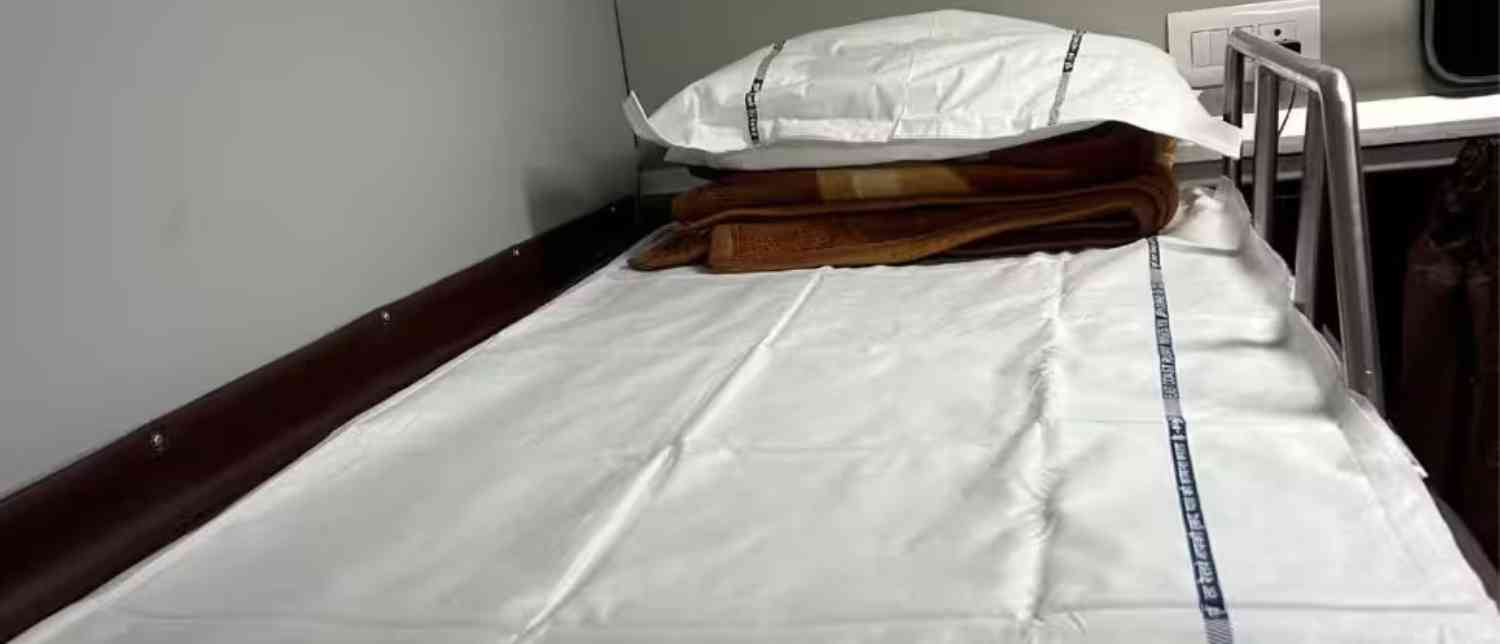
New Delhi: Alarmed by the large-scale theft of blankets, bedsheets, towels and pillows from AC coaches, Indian Railways is preparing a comprehensive strategy to plug the growing leak in its onboard linen service. The move comes after an RTI-based investigation revealed that more than 1.27 crore linen items disappeared from trains between January 2022 and May 2026, resulting in losses estimated at ₹104.51 crore.
The action plan, initiated after Railway Minister Ashwini Vaishnaw sought a detailed response from officials, combines technology, surveillance, stricter inventory management and passenger awareness to address a problem that has steadily escalated since bedroll services resumed following the Covid-19 pandemic.
QR Codes, CCTV and Digital Tracking at the Core
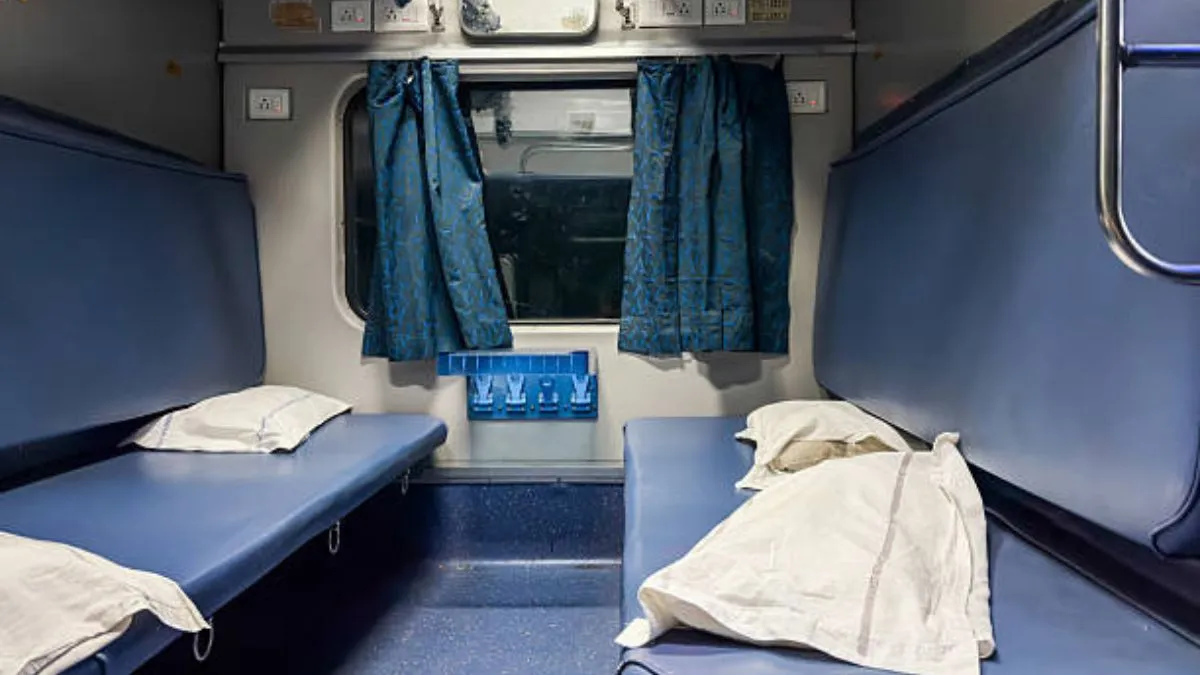
Among the most significant proposals is the introduction of QR codes on every linen item, allowing Railways to digitally track blankets, bedsheets, towels, pillows and pillow covers throughout their lifecycle. From railway laundries and storage depots to distribution inside coaches and eventual collection, each item would carry a unique identity, making it easier to pinpoint where losses occur.
Indian Railways is also expanding the use of the Coach Mitra mobile application, already being used in the Bikaner division of North Western Railway. The app enables bedroll attendants to digitally record the issue and return of linen while also tracking passenger boarding and deboarding. Officials believe replacing manual registers with digital records will improve accountability and help identify recurring patterns of theft.
In addition, CCTV cameras are being installed in several railway divisions, particularly around linen storage areas and inside coaches where feasible. Railway officials expect enhanced surveillance to discourage theft while providing evidence in cases of suspected pilferage.
A Growing Problem Across the Railway Network
The latest RTI data paints a concerning picture of the scale of linen theft across the country. Responses received from 54 railway divisions spread across 16 zones show that at least 1.27 crore linen items went missing over four years.
The numbers have increased almost every year:
-
2022: 24.83 lakh items
-
2023: 29.67 lakh items
-
2024: 31.31 lakh items
-
2025: 38.81 lakh items
-
2026 (till May): 2.31 lakh items
The data indicates a 56% increase in theft between 2022 and 2025, suggesting that the issue has continued to worsen despite existing monitoring mechanisms. Although the missing linen represents only a tiny fraction of the nearly eight lakh bedroll kits distributed daily to AC passengers, the cumulative financial impact has become impossible to ignore.
Towels Top the List of Missing Items
The investigation also revealed clear trends in the types of linen being stolen.
Face towels emerged as the most frequently stolen item, with more than 46.5 lakh towels disappearing during the period under review. Bedsheets ranked second at over 41 lakh, followed by pillow covers, blankets and pillows.
Officials believe towels are the easiest items for passengers to carry unnoticed, while larger items such as blankets require more deliberate attempts to remove.
The data also highlighted regional differences. Bedsheets accounted for the highest share of thefts in Bikaner, towels dominated losses in divisions such as Delhi, Ranchi and Mumbai, pillow covers were most commonly stolen in Sonpur, while blankets topped the list in Jodhpur.
Bikaner Emerges as the Worst-Hit Division
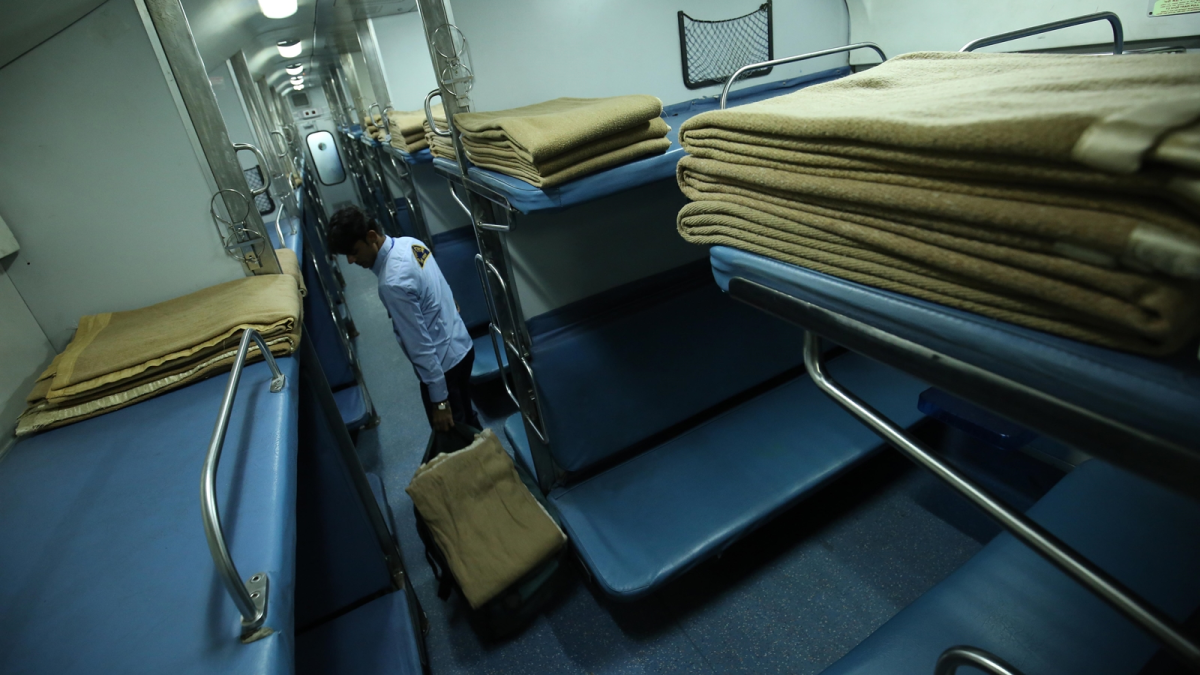
Among all railway divisions, Bikaner recorded the highest number of missing linen items, reporting approximately 25.76 lakh thefts during the four-year period.
Other divisions reporting substantial losses include Ranchi, Delhi, Mumbai, Jodhpur, Ahmedabad and Danapur.
The RTI responses further showed that just 10 divisions across seven railway zones accounted for nearly two-thirds of all linen thefts, indicating that the problem is concentrated in specific regions.
Interestingly, not every division witnessed rising losses. Delhi reportedly managed to significantly reduce linen theft, while divisions such as Tiruchirappalli and Palakkad reported virtually no missing items during the period covered by the RTI responses, demonstrating that tighter operational practices can make a noticeable difference.
Contractors Bear the Financial Burden
Although passengers are responsible for most of the missing linen, the financial consequences are largely borne by contractors responsible for supplying and managing bedrolls.
Under existing contracts, the cost of missing linen is deducted from contractors' payments. Contractors, in turn, often recover these losses from the salaries of onboard bedroll attendants, many of whom earn modest daily wages.
This arrangement has raised concerns about whether frontline workers are unfairly penalised for losses that may occur despite their best efforts.
The Ministry of Railways has maintained that there is no evidence establishing staff collusion in the thefts. However, officials have acknowledged that replacing stolen linen requires the procurement of additional stock, increasing operational costs that ultimately affect the railway system.
Behavioural Changes Also Part of the Strategy
Technology alone is unlikely to solve the problem, prompting several railway divisions to adopt behavioural interventions aimed at both passengers and staff.
Bedroll attendants are being regularly counselled to remain vigilant, monitor linen more carefully, collect used items promptly and maintain better accountability throughout their shifts.
Some divisions have introduced innovative practices. The Ranchi division now prints reminders on linen packets requesting passengers to return bedrolls at least 30 minutes before reaching their destination. Similar instructions have long been part of Railway Board guidelines but are now being reinforced more actively.
The Bhopal division has deployed one dedicated attendant for each AC coach to strengthen supervision, while the Jodhpur division has introduced stricter verification of linen before train departures and after journey completion. Salem division has increased inspections during loading and unloading operations and proposed disciplinary action wherever responsibility for losses can be established.
RPF Tightens Enforcement
The Railway Protection Force (RPF) has also intensified enforcement efforts as part of the broader crackdown.
Officials have increased surprise inspections and night patrols, while reminding passengers that theft of railway property is a non-bailable offence under the Railway Property (Unlawful Possession) Act.
Where necessary, the RPF has been authorised to conduct lawful searches of suspicious baggage if linen issued during the journey is not returned. Railway authorities hope that stricter enforcement, combined with greater awareness, will discourage passengers from treating complimentary bedrolls as souvenirs.
Technology and Accountability Could Reduce Losses
The proposed reforms represent one of the most comprehensive attempts by Indian Railways to address a long-standing operational issue that quietly drains public resources every year.
By combining QR-code-based tracking, digital inventory systems, CCTV surveillance, better staff monitoring, passenger awareness campaigns and stricter enforcement, the Railways hopes to reduce theft while ensuring that essential amenities remain available for millions of AC passengers.
While the challenge ultimately depends on passenger behaviour as much as operational efficiency, officials believe greater accountability at every stage—from laundry facilities to onboard distribution and final collection—can significantly reduce losses.
As Indian Railways continues to modernise its services, the success of this initiative could serve as a model for protecting other railway assets through a combination of technology, transparency and responsible passenger participation.
With input from agencies
Image Source: Multiple agencies
© Copyright 2026. All Rights Reserved. Powered by Vygr Media.