
 By
By 
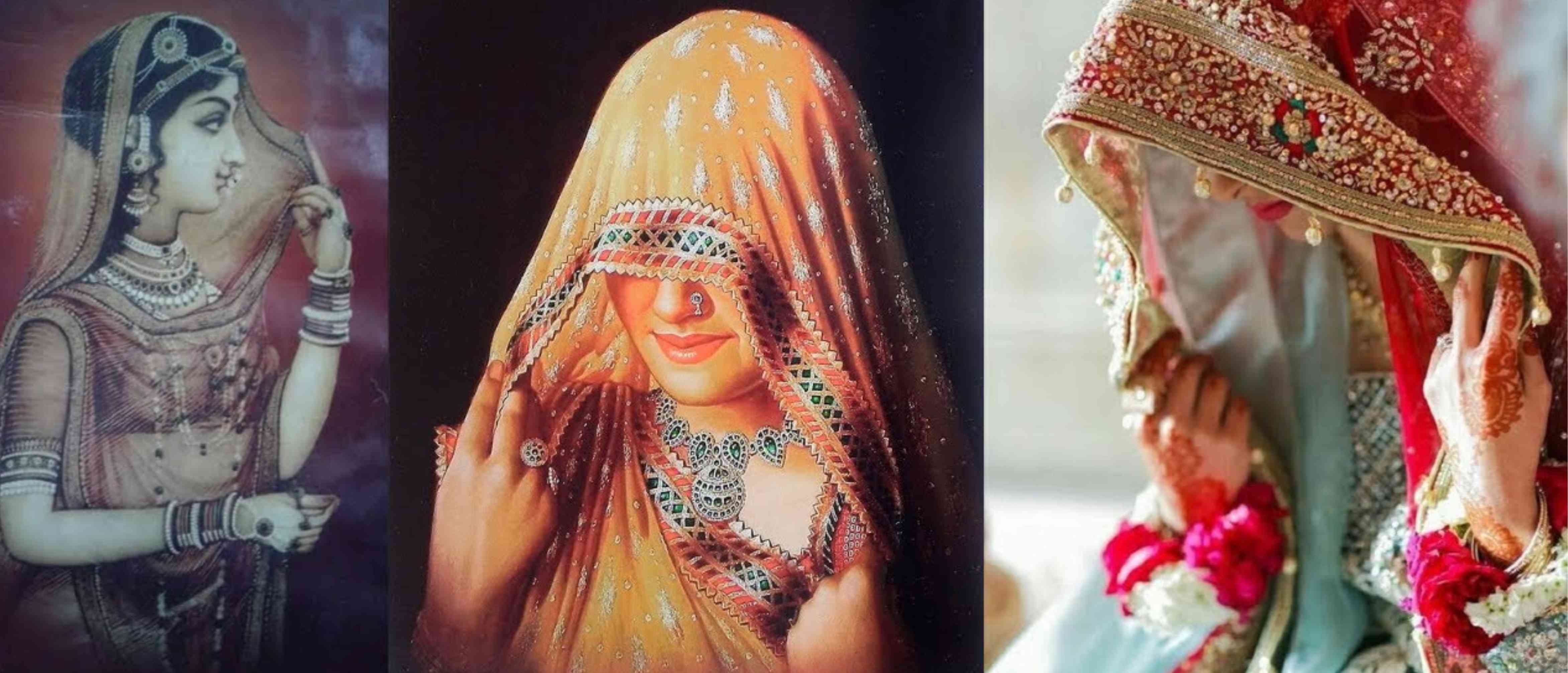
Is ghoonghat really our Indian culture? No.
In ancient India, women had equal rights, participated in debates, ran businesses, and never covered their faces. Society wasn't patriarchal.
The ghoonghat came with Persian and Islamic invaders during medieval times—a symbol of royalty that became a tool of patriarchy. Hindu high society adopted it as status, and it trickled down to become a "tradition."
The truth? Ghoonghat was never ours. It was borrowed practice rooted in control, not culture.
If your family still practices it, ask why. Real Indian culture celebrated free, powerful, visible women. Time to embrace that.