 By

A rare intervention from one of the group’s most reclusive figures adds a new voice to the biggest boardroom and governance dispute in the Tata group in years.
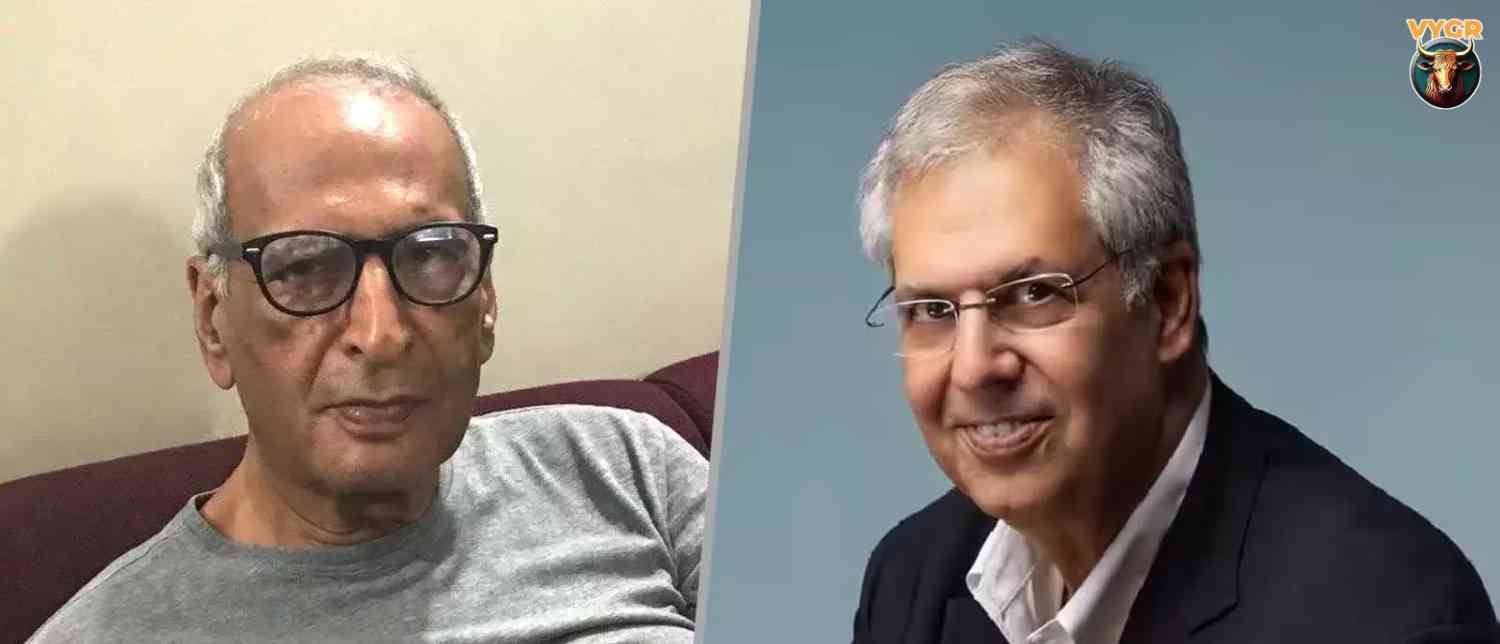
Jimmy Tata, the 85-year-old younger brother of the late Ratan Tata, has stepped into the dispute over the future of the Tata group. He has backed N Chandrasekaran’s reappointment as chairman of Tata Sons for a third term and supported the position that Tata Sons should list its shares, in line with the Reserve Bank of India’s stance.
The move matters for two reasons. Jimmy Tata is one of the longest-serving trustees of the Sir Ratan Tata Trust, a pillar of the philanthropic structure that controls the group. And his views place him on the opposite side of the argument from his half-brother Noel Tata, who chairs Tata Trusts and has opposed both Chandrasekaran’s continuation and the listing. Jimmy Tata is also a trustee who has not attended board meetings in the recent past, which makes his decision to speak out all the more notable.
What Jimmy Tata has said
According to reports, Jimmy Tata shared his views with a fellow trustee in a detailed response about the state of affairs at Tata Trusts, and his position was relayed to other members. The key points attributed to him are:
- Support for Chandrasekaran. He credits the chairman with improving the performance of debt-laden group companies and delivering strong earnings and dividends, and believes his continuation is in the group’s interest.
- Listing support. He is understood to believe the RBI’s requirement that Tata Sons list is important for transparency and accountability, and that it should be implemented rather than avoided through a restructuring of Tata Sons.
- Concerns about the Trusts. He has reportedly expressed dismay over what he sees as declining governance standards at Tata Trusts since Ratan Tata died in late 2024, and raised concerns about concentration of influence and family appointments within the Trusts.
- A warning. He is reported to have cautioned about a possible “back-door takeover” of Tata Sons and urged the RBI to enforce listing and to protect the charitable objectives of the Trusts.
These are reported positions and allegations. Noel Tata has stated his own views on listing and on Chandrasekaran’s reappointment, which are set out below.
Why his voice carries weight
Jimmy Tata has served as a perpetual trustee of the Sir Ratan Tata Trust since 1989, making him one of the longest-serving trustees in the system. He is also the second-largest individual shareholder of Tata Sons after Noel Tata, with an estimated 0.81 per cent, or 3,262 shares.
His public alignment with the vice-chairmen of the Trusts, who have also supported Chandrasekaran and regulatory compliance, adds weight to the camp favouring continuity and listing. It also complicates the picture of a simple split between the Trusts and the Tata Sons board. The Trusts themselves are not speaking with one voice.
The dispute in brief
The disagreement has built up through 2026:
- February 24: The Tata Sons board deferred Chandrasekaran’s reappointment after opposition from Noel Tata.
- May 26: A special board meeting was held to address the concerns Noel Tata had raised, but no resolution followed.
- August 12: Chandrasekaran announced he would not seek reappointment and would serve out his term ending in February 2027, saying there was no unanimity on the board. A process to find a successor was set in motion.
- September 17: The Tata Sons board reversed course and approved a fresh five-year term for Chandrasekaran by a 4–1 vote, with Noel Tata casting the dissenting vote. The board also decided to move towards listing.
- Aftermath: Tata Trusts called the reappointment legally invalid, arguing that the Articles of Association require both Trusts’ nominee directors to vote in favour. The board, for its part, pointed to a unanimous Trusts resolution in July 2025 recommending that Chandrasekaran continue.
The listing push gained momentum after the RBI rejected Tata Sons’ request to surrender its registration as a core investment company, which it had filed in March 2024. Surrendering the registration would have taken Tata Sons out of the stricter regulatory category that requires listing.
Noel Tata’s position
Noel Tata, who chairs Tata Trusts and sits on the Tata Sons board as a nominee director, has opposed the reappointment and a stock-market listing. He has argued that Chandrasekaran’s own August decision was final, that bringing the reappointment back effectively reversed it, and that the resolution is a legal nullity under the company’s articles. He has also sought a restructuring of Tata Sons as an alternative to listing, and has been pressing his case through a series of letters to the board.
The other players
- Tata Trusts: Together they hold about 66 per cent of Tata Sons and could still challenge the reappointment.
- Shapoorji Pallonji Group: The second-largest shareholder, with roughly 18 per cent, has maintained its listing support.
- Vice-chairmen of Tata Trusts: Venu Srinivasan and Vijay Singh have backed Chandrasekaran’s reappointment and argued that Tata Sons must comply with regulatory obligations, including the RBI’s listing framework.
- The RBI: Its refusal to let Tata Sons give up its registration is the regulatory lever behind the listing push.
What happens next
Two dates stand out. A board meeting of Tata Sons is scheduled for November 26, and Noel Tata has asked for the restructuring of Tata Sons to avoid listing to be on the agenda. Before that, the board of the Sir Dorabji Tata Trust is expected to meet on or around November 21. Both meetings will show whether Jimmy Tata’s intervention shifts the balance.
Possible flashpoints include:
- A legal challenge by the Trusts or Noel Tata to the validity of the reappointment.
- A fight at the annual general meeting over Chandrasekaran’s position as a director.
- Regulatory steps towards listing, including any draft offer document, which would mark a historic change for a company that has remained private for over a century.
- Divisions inside the Trusts, where trustee positions now appear to be split.
Why it matters for investors and the group
Tata Sons sits at the top of a conglomerate with operations ranging from salt and steel to software, cars and airlines. Leadership uncertainty at the holding company can affect confidence across listed group companies. Continuity under Chandrasekaran, who has led Tata Sons since February 2017, would reassure those who value stability, while a prolonged legal fight would do the opposite.
A listing, for its part, would mean public disclosure, regulatory scrutiny and a market valuation for a company that has long been shielded from all three. Supporters say that is the point. Opponents argue it could weaken the Trusts’ ability to protect the group’s philanthropic mission and long-term control.
The bottom line
Jimmy Tata’s statement does not settle the dispute, and it does not change the legal questions that remain open. But it shows that the divide runs through the family and the Trusts themselves, not just between the Trusts and the Tata Sons board. With key meetings only days away, the next two weeks will say a lot about whether the group is heading for a negotiated settlement or a court battle.
© Copyright 2026. All Rights Reserved. Powered by Vygr Media.