 By

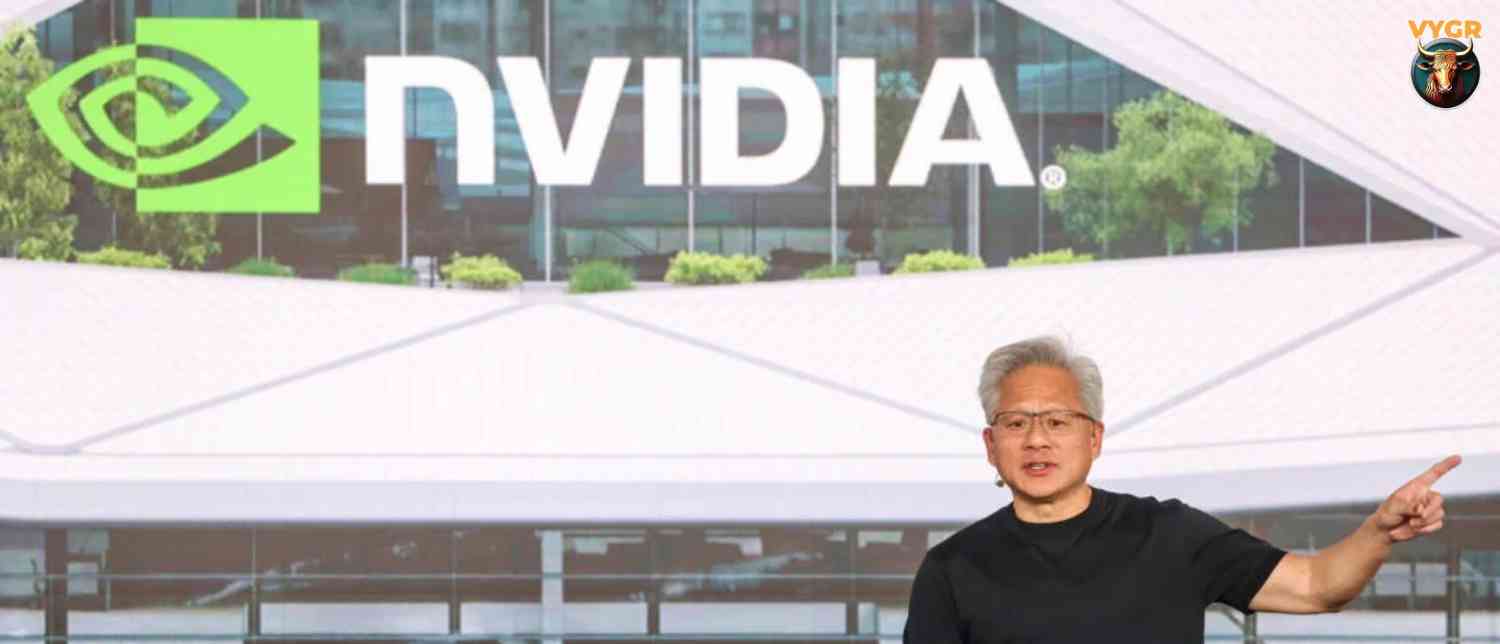
Nvidia’s shares fell more than 6% on Tuesday, pushing the chipmaker below Microsoft in market value as its board investigates a controversy involving CEO Jensen Huang.
Wall Street has a new number two. Nvidia lost its place as the world’s second most valuable company to Microsoft on Tuesday, as a fresh sell-off in its shares followed days of turmoil over its chief executive.
At the time of writing, Nvidia was down more than 6% at around $167.11. Microsoft shares were down 0.4% at $543.25. That gap was enough to push Nvidia below its longtime rival in the market-value rankings.
What happened with Jensen Huang
On Sunday, November 8, Huang told employees in a memo that he had been unfaithful to his wife. The admission followed months of reports about his relationship with a businesswoman who is alleged to have links to Chinese intelligence. That claim has not been proven, and no findings have been announced. The woman’s company reportedly bought Nvidia chips.
Nvidia said its board had launched an independent investigation into the matter, including whether Huang was targeted by a foreign intelligence effort. In his memo, Huang wrote that there was no excuse for what he had done, and said he remained fully committed to Nvidia and would work to earn back employees’ confidence. The company said the board continues to have confidence in him.
How the stock reacted
The sell-off began on Monday. Shares dropped as much as 8% in early trading before recovering part of the loss, and the company lost roughly $190 billion in market value in a single session. At one point the stock hit its lowest level since late March. The fall was striking because it came as other technology stocks were rising, which suggests investors were reacting to leadership uncertainty and not to the wider market.
The decline adds to an already rough stretch. Nvidia’s shares have fallen about 23% over the past month, amid growing worries about stretched valuations and a possible bubble in artificial intelligence stocks.
What analysts are saying
The reaction has been mixed. Gary Black of The Future Fund said he doubted Huang could stay on as CEO and warned of short-term pressure on the stock, noting that Nvidia has no natural successor. Dan Ives of Wedbush called the episode a “black eye moment” for the company. Others point out that Nvidia has no dual-class share structure, so Huang does not hold majority voting control, which leaves his future more dependent on the board and shareholders.
The concern runs both ways. Huang is the most recognisable salesman of the AI boom and has led Nvidia since he co-founded it in 1993, so investors are asking how much of the company’s value depends on him personally.
What it means
Moving down one place in the rankings is a headline, not a verdict. Market-value rankings between giants worth trillions of dollars can flip on a single day’s move of a few percent, and Microsoft’s lead rests on a thin gap. Nvidia’s fundamentals, including demand for its AI chips, have not changed overnight.
What has changed is the level of uncertainty. Investors now have to weigh a board investigation with no stated end date, questions about export controls and sensitive customers, and the possibility of a leadership change at the centre of the AI trade.
What to watch
The key things to follow are the scope and timeline of the board’s investigation, any statement from US authorities, and whether Huang remains in his role. The stock’s next moves will also depend on the wider AI trade, which has been volatile for weeks.
© Copyright 2026. All Rights Reserved. Powered by Vygr Media.