 By

New Delhi says it has put forward ideas on Black Sea shipping, grain and energy to both sides, even as the US-mediated talks in Abu Dhabi are held without India at the table.
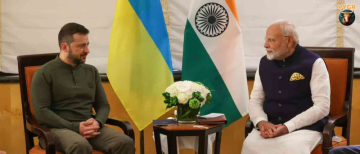
Russia and Ukraine returned to the negotiating table in Abu Dhabi on Tuesday, November 10, for US-mediated talks. India chose the same day to say it has been engaged with both Moscow and Kyiv and has conveyed ideas to them. The disclosure raises a question: is India now an active player in the peace process, or a supportive voice from outside it?
What India Said
External Affairs Ministry spokesperson Randhir Jaiswal told a briefing that India has been engaging with both Russia and Ukraine and has conveyed certain ideas to them. He listed three: the safety of commercial shipping in the Black Sea, the immediate concerns of both countries about energy and grain exports, and “non-attack” arrangements. He also said that India had exchanged ideas with both sides on food corridors and was in touch with Russia, Ukraine and other interested parties.
Jaiswal repeated that dialogue and diplomacy are the way forward, and that Prime Minister Narendra Modi has said that “endless war” must give way to the end of war.
The Calls Behind the Statement
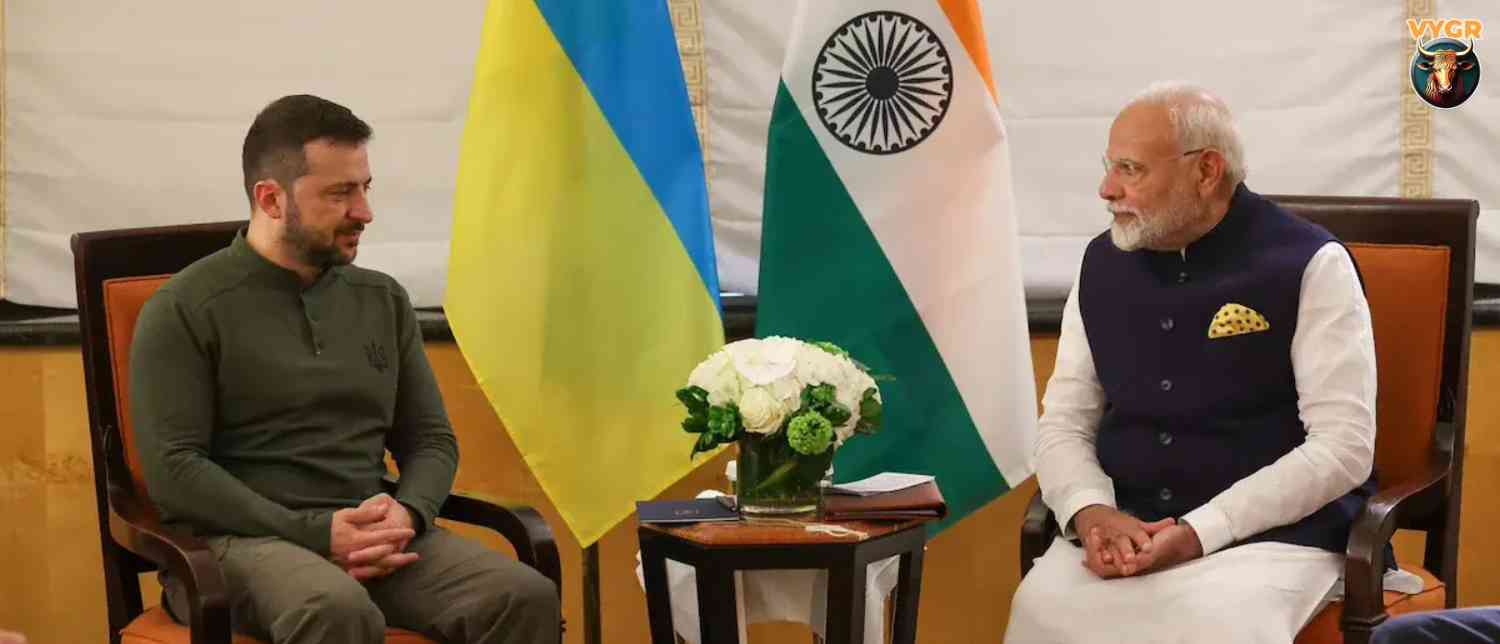
The statement followed a phone call on Monday, November 9, between Modi and Ukrainian President Volodymyr Zelensky. India’s account is that Modi conveyed India’s readiness to contribute to all efforts to end the conflict, and that he reiterated India’s commitment to contribute to peace in every possible way. After the call, External Affairs Minister S Jaishankar spoke with Russian Foreign Minister Sergey Lavrov, and the two discussed ongoing diplomatic initiatives, according to the ministry.
Zelensky described the call in stronger terms. He said India was ready to mediate in establishing food corridors, and urged New Delhi to identify concrete steps it could take, and what dialogue it could hold with other leaders, to help end the war. It should be noted that the Indian side used the words “ideas” and “engaging”, and did not describe itself as a mediator.
What Is Happening in Abu Dhabi
The Abu Dhabi talks are the first trilateral session since February and are expected to run for two days. US envoy Steve Witkoff and Jared Kushner are mediating, with the UAE as host. Russia’s delegation is led by Kremlin aide Vladimir Medinsky. The White House has said the talks focus on security guarantees, while Ukraine has also listed grain exports, Black Sea navigation, an energy truce and prisoner exchanges among its priorities.
The first day lasted nearly four hours, and the talks are due to resume on Wednesday. Zelensky called the first day constructive and quite substantive, and US Secretary of State Marco Rubio called the talks very productive. Expectations of a breakthrough remain low, however, and the two governments are far apart on key elements of any deal. A source in the Russian delegation said Moscow hopes the talks will lay the groundwork for post-war security arrangements in Europe. India is not among the parties reported at the table.
Why the Black Sea Matters to India
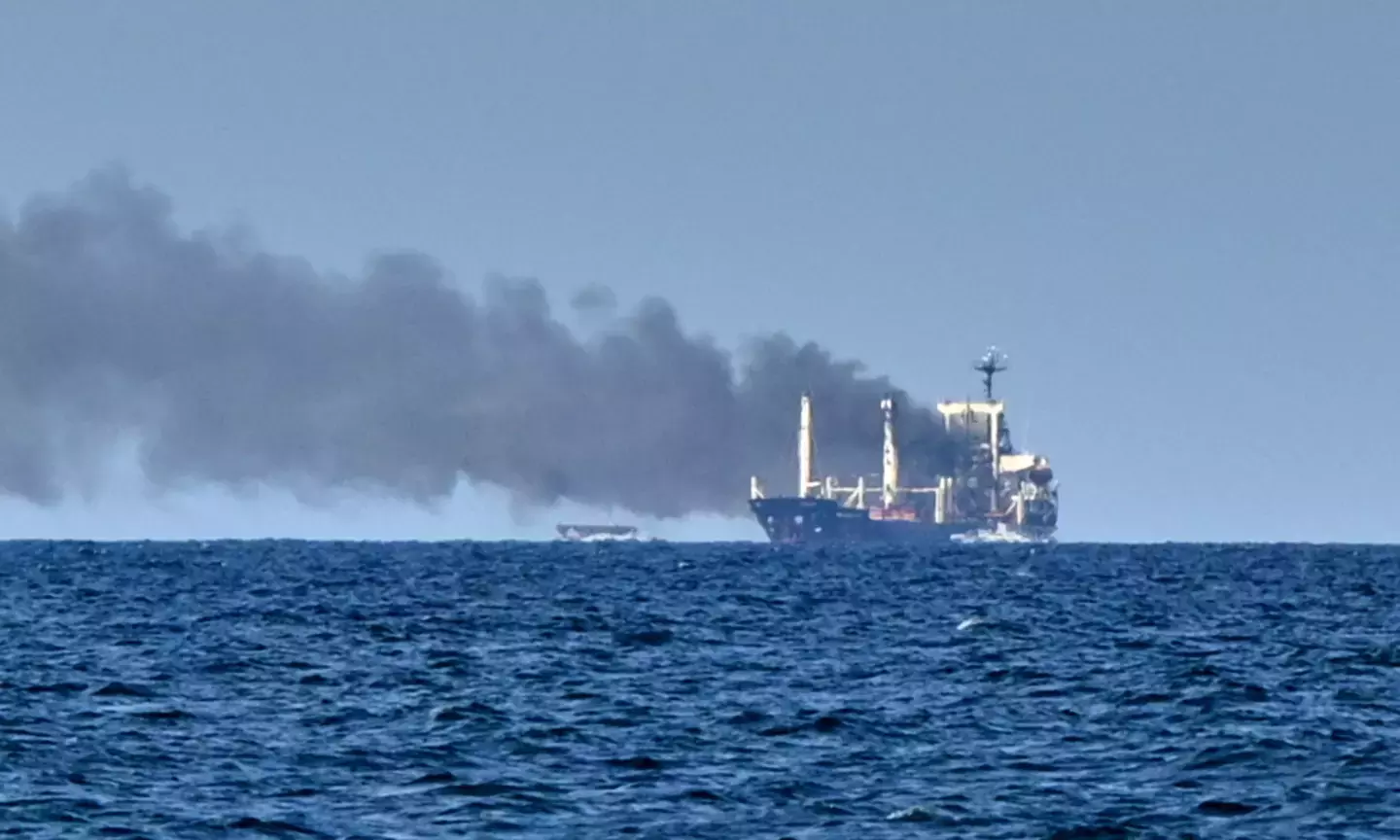
The Black Sea is a practical concern for India as well. Russia and Ukraine account for roughly a quarter of global grain exports, and attacks on ports and ships have pushed wheat prices to a three-year high, according to Ukrainian reporting. In October, at least seven cargo vessels were reportedly targeted off the coasts of Romania and Bulgaria, and NATO has said it will send more maritime patrol aircraft, radar and drones to the area.
Russia has not accepted any new grain arrangement so far, according to Kyiv. Moscow’s position has been that key parts of the 2022 Black Sea grain deal, under which Russia’s own food and fertiliser exports were meant to be eased, were never implemented. Russia withdrew from that deal in 2023.
India’s Ties With Both Sides
India’s position is shaped by its relationship with Moscow. It remains one of the largest buyers of Russian crude oil, at about 2.6 million barrels a day in June and July, more than half of its total crude imports, according to Ukrainian-published analysis. Modi told President Vladimir Putin at a meeting on the sidelines of the SCO summit on August 31 that it is time to move from “endless war” to ending the war. Jaishankar said on October 4 that India was trying to be helpful, starting with the safety of Black Sea shipping.
So, Is India an Active Player?
The facts point in two directions. On one side, India has spoken to both leaders, has Jaishankar in contact with Lavrov, has put specific ideas on shipping, grain, energy and non-attack arrangements to both governments, and Ukraine has publicly welcomed its involvement. The Indian government presents this as a contribution to peace.
On the other side, India has not described itself as a mediator, is not part of the US-led format in Abu Dhabi, and the grain-corridor proposals have not so far won Russia’s agreement. Nothing in the reports reviewed suggests that either side has formally accepted an Indian proposal. The answer, therefore, is that India is an engaged interlocutor on specific practical issues, not a party to the main negotiations.
What to Watch Next
The outcome of the second day in Abu Dhabi, any progress on Black Sea navigation and grain exports, and whether Russia responds to the Indian ideas will show whether India’s role grows beyond the current exchange of proposals.
© Copyright 2026. All Rights Reserved. Powered by Vygr Media.