 By
By 
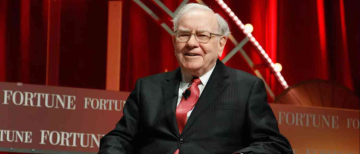
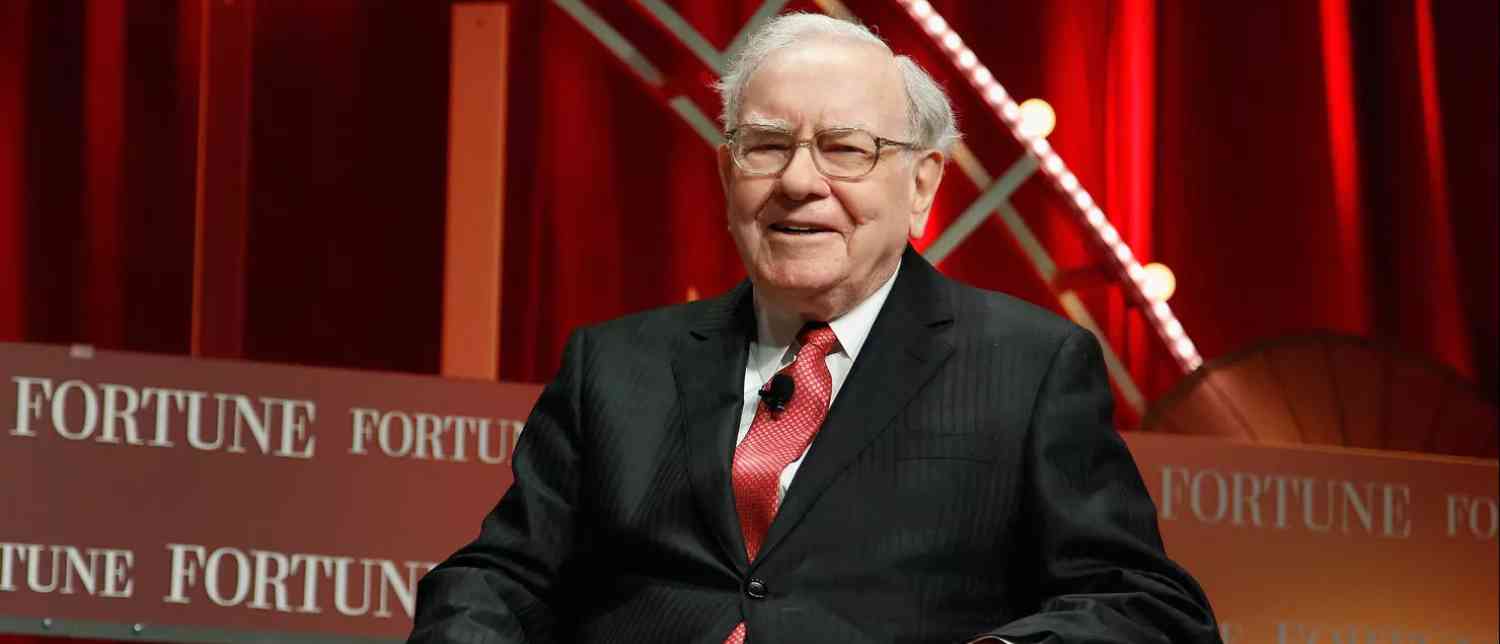
Warren Buffett has stepped down as chairman of Berkshire Hathaway, marking another major turning point in the history of the company he transformed from a struggling textile business into one of the world’s most closely watched conglomerates.
The 96-year-old investing legend will now become chairman emeritus, while his son, Howard Buffett, will take over as chairman of Berkshire Hathaway with immediate effect. Buffett will remain a member of the company’s board of directors, meaning his association with Berkshire is far from over.
The latest leadership change comes months after Buffett handed over the company’s chief executive responsibilities to Greg Abel. With Abel continuing as CEO and Howard Buffett becoming chairman, Berkshire now enters a new phase in its carefully planned succession process.
Buffett’s latest move is significant not only because of his extraordinary six-decade association with Berkshire Hathaway, but also because the company has long been closely identified with his personality, investment philosophy and approach to corporate management.
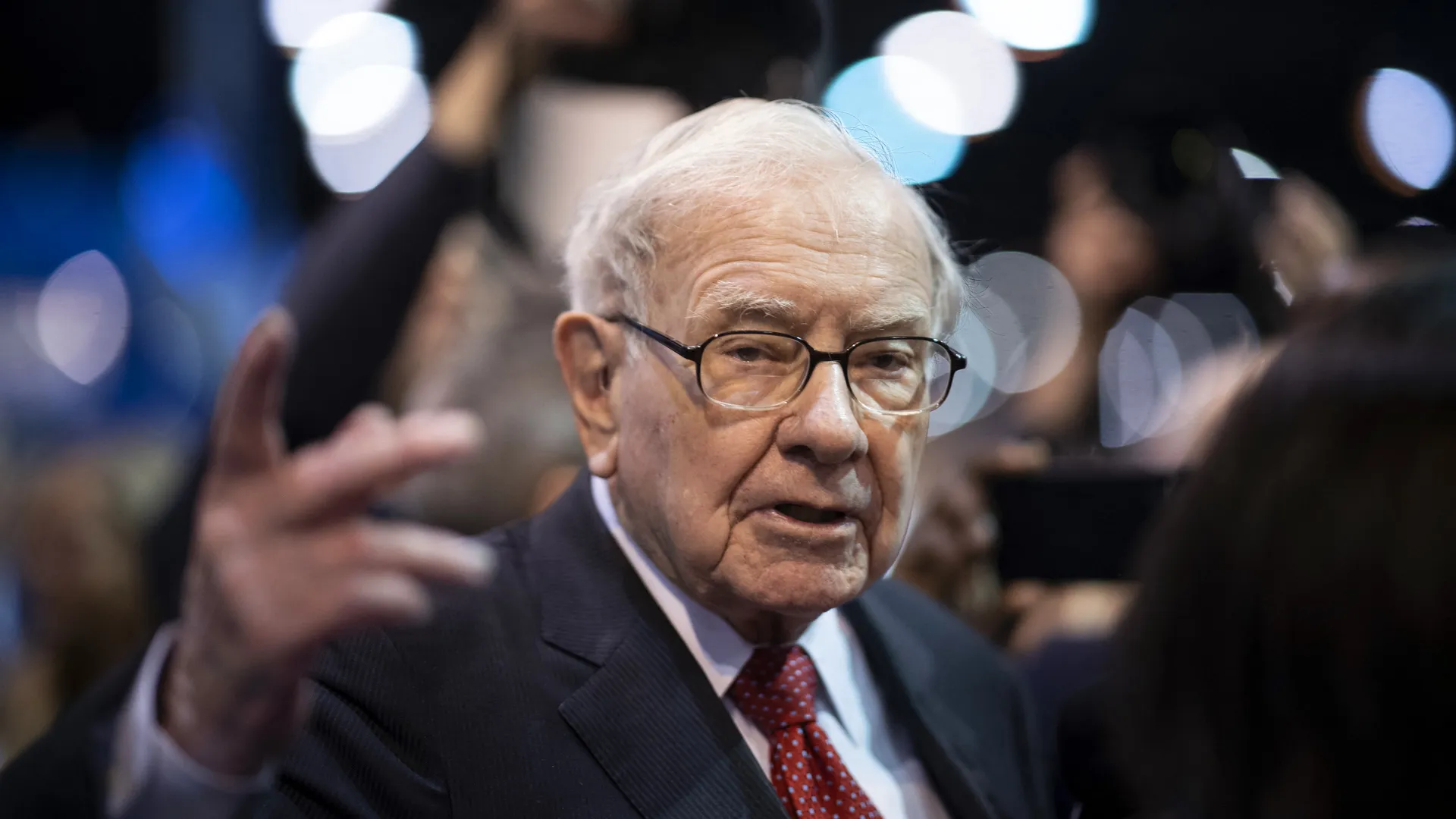
Warren Buffett Steps Down After More Than Five Decades as Chairman
Buffett has been chairman of Berkshire Hathaway since 1970, while his relationship with the company dates back to 1965. Over more than six decades, he played a central role in reshaping Berkshire into a sprawling business empire with interests ranging from insurance and railroads to energy, manufacturing, consumer brands and investments in major publicly traded companies.
The Berkshire Hathaway of today bears little resemblance to the struggling textile company Buffett first took control of in the 1960s.
Under his leadership, the company expanded into insurance, transportation, utilities, manufacturing and consumer businesses. Major names associated with Berkshire's portfolio have included GEICO, BNSF Railway, Dairy Queen, Duracell and stakes in companies such as Coca-Cola and Bank of America.
The conglomerate also became famous for its enormous cash reserves and Buffett’s willingness to wait years for the right investment opportunity rather than chase short-term market trends.
In his latest letter to shareholders, Buffett reflected on his unusually long tenure and acknowledged that the latest transition was the right time to complete.
He said he had served Berkshire since 1965 and remained confident about what comes next for the company.
Buffett also pointed specifically to Abel’s performance as CEO, saying his longtime successor had taken full control of the chief executive role and had already been making important decisions for some time.
The message was clear: Buffett’s departure from the chairmanship is not being presented as a sudden disruption but as the next step in a succession plan that has been unfolding for years.
Buffett Becomes Chairman Emeritus, But He Is Not Leaving Berkshire
Despite stepping down as chairman, Buffett is not completely walking away from Berkshire Hathaway.
He will remain a director and chairman emeritus, allowing the legendary investor to retain a formal connection with the company while leaving day-to-day leadership in the hands of the new management structure.
Berkshire said Buffett would continue to provide his judgment and perspective as a board member.
That distinction is important because Buffett has been much more than a conventional corporate chairman.
For generations of shareholders, investors and business leaders, his views on markets, acquisitions, capital allocation and corporate governance have carried unusual weight. Berkshire’s annual shareholder meetings in Omaha became major events, attracting tens of thousands of people and turning what might ordinarily be a corporate gathering into a global investing spectacle.
Even when Buffett was not formally making every operational decision, his presence remained an important part of Berkshire’s identity.
His move to chairman emeritus therefore represents a reduction in his official responsibilities rather than an immediate severing of ties.
Howard Buffett Takes Over as Chairman
Taking over the chairman’s position is Howard Buffett, Warren Buffett’s son and a longtime member of Berkshire Hathaway’s board.
Howard has served as a Berkshire director since 1993, giving him more than three decades of experience with the company and its leadership culture. His appointment therefore does not represent an outsider suddenly being brought in to oversee Berkshire.
But Howard Buffett’s role is expected to be very different from that of his father.
He is not taking over as Berkshire Hathaway’s CEO. Greg Abel remains in charge of running the company.
Instead, Howard’s primary responsibility will be protecting the culture and values that Warren Buffett established over decades.
That division of responsibility is at the heart of Berkshire’s new leadership structure.
Greg Abel runs the company. Howard Buffett safeguards its culture.
Warren Buffett himself described the arrangement in those terms in his shareholder letter, emphasizing that culture and values are worth more to Berkshire than anything on its balance sheet.
The structure effectively separates operational leadership from cultural stewardship.
For a company as decentralized as Berkshire, that distinction could prove important.
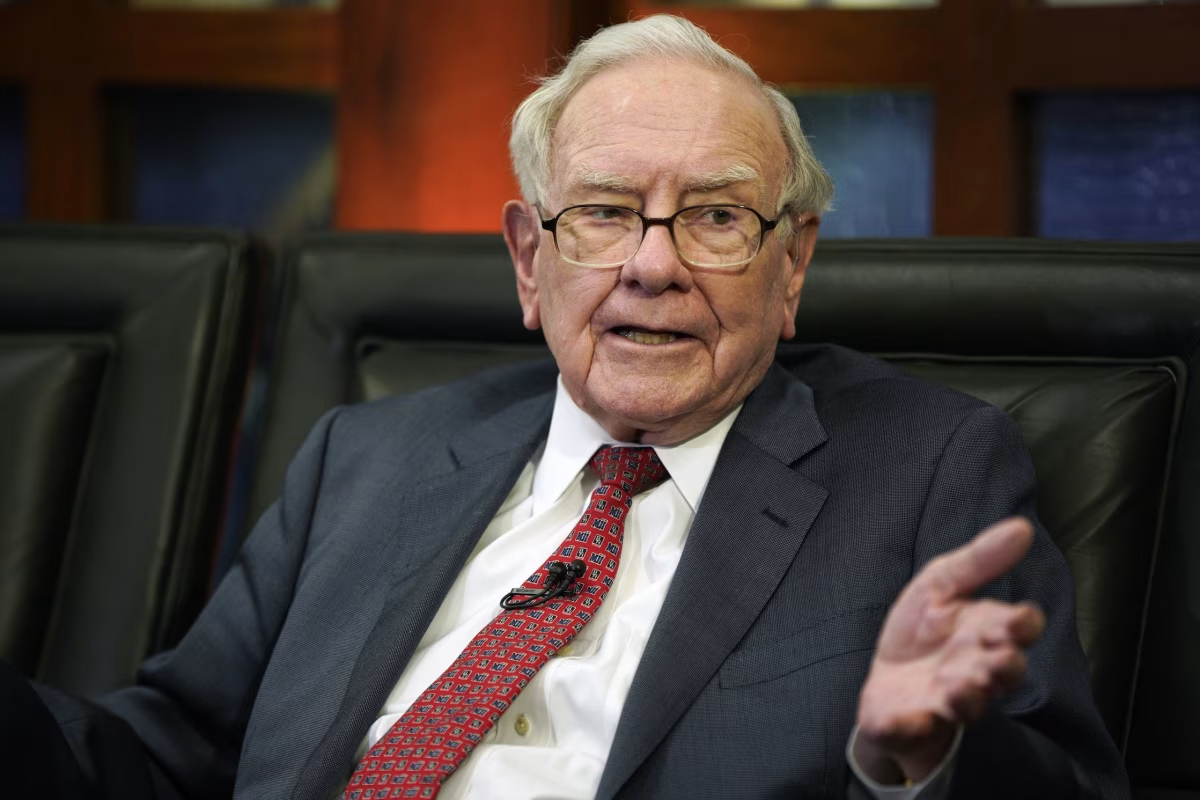
Who Is Greg Abel and What Will Change Under His Leadership?
Greg Abel officially became Berkshire Hathaway’s CEO at the beginning of 2026 after Buffett stepped aside from the position.
The appointment was the culmination of years of preparation. Abel had already been deeply involved in Berkshire’s operations and had overseen the company’s non-insurance businesses since being elevated to vice chairman in 2018.
His responsibilities have included businesses such as BNSF Railway, utilities, manufacturing operations and consumer companies.
Unlike Buffett, whose public image became inseparable from Berkshire’s investment strategy, Abel has operated largely from inside the company’s management structure.
His continued role as CEO means the latest announcement does not create another change in operational leadership.
Instead, it completes another part of the transition.
Buffett had already transferred the CEO role to Abel. Now he has transferred the chairmanship to Howard.
That leaves Berkshire with a three-part structure:
- Greg Abel: Chief executive and operational leader
- Howard Buffett: Chairman and guardian of Berkshire’s culture
- Warren Buffett: Chairman emeritus and board director
The arrangement allows Berkshire to move forward without completely cutting its institutional connection to Buffett.
Why Buffett’s Succession Has Been So Closely Watched
Succession at Berkshire Hathaway has always carried unusual importance because the company has been so closely associated with Buffett.
Unlike many large corporations, Berkshire did not build its identity around a succession of frequently changing CEOs. Buffett remained at the center of the company for decades.
His investment decisions, annual letters and public comments helped shape how shareholders viewed Berkshire.
That created an unusual succession challenge.
The question was never simply who would replace Buffett as CEO. Berkshire also needed to determine how its distinctive culture, decentralized management structure and approach to shareholders would survive after Buffett’s eventual departure.
The latest arrangement appears designed to address both issues.
Abel takes responsibility for running the business, while Howard is expected to help preserve the culture Buffett spent decades building.
The company has also retained Susan Decker as lead independent director, adding another layer to the board’s leadership structure.
Buffett’s Investment Legacy in Numbers
Buffett’s impact on Berkshire can be measured not only by the size of the conglomerate but also by its long-term investment performance.
During his tenure as CEO, Berkshire generated a compounded annual growth rate of approximately 19.9%, compared with about 10.4% for the S&P 500, according to figures cited in current reports.
The company eventually became the first non-technology US company to cross the $1 trillion valuation threshold.
Berkshire’s business model also became distinctive because of its combination of wholly owned operating companies and a huge investment portfolio.
Insurance played a particularly important role. Berkshire’s insurance operations generated large pools of capital that Buffett could deploy into stocks, acquisitions and other investments.
Over time, this structure turned Berkshire into something much larger than an investment firm.
It became a diversified corporate group whose businesses operated with considerable independence.
Berkshire Hathaway’s Culture Is Now at the Centre of the Transition
Perhaps the most important part of the latest leadership change is not who occupies which title, but whether Berkshire can preserve the culture that made it unusual.
Buffett built Berkshire around several principles: long-term thinking, disciplined capital allocation, relatively limited interference in operating businesses, straightforward communication and a strong focus on shareholder interests.
Howard Buffett has previously described the culture in similarly simple terms, emphasizing the importance of keeping things straightforward, treating people fairly, respecting managers and shareholders, and being honest about bad news.
That philosophy could become especially important as Berkshire moves further into the post-Buffett era.
The challenge is that preserving a culture built by one individual is not the same as preserving a portfolio of businesses.
Berkshire can retain its companies, investments and financial resources.
But Buffett’s personal authority cannot simply be transferred from one person to another.
That makes the new chairman’s role particularly significant.
Investors Will Watch Capital Allocation Closely
While Buffett’s departure from the chairmanship has been planned, investors are likely to pay close attention to how Berkshire allocates capital under Abel.
Berkshire has accumulated a massive cash pile, giving its management significant financial flexibility.
Current reports have put the company’s cash and related holdings at hundreds of billions of dollars, creating expectations around acquisitions, investments and share purchases.
For decades, Buffett’s decisions about where Berkshire put its money were closely scrutinised by the market.
His reputation meant that a Berkshire investment could attract enormous attention, while a major purchase or sale could influence the stocks involved.
The transition therefore raises a practical question: how will investors interpret Berkshire’s capital-allocation decisions when Buffett is no longer the person formally running the company?
Abel has extensive experience inside Berkshire, but the market is still entering an era in which Buffett’s direct involvement is reduced.
That makes execution and decision-making under the new leadership structure increasingly important.
Berkshire’s Businesses Remain Largely Unchanged
Despite the historic leadership change, Berkshire Hathaway itself remains a sprawling conglomerate with businesses across multiple sectors.
Its holdings include insurance operations, rail transportation, energy and utilities, manufacturing and consumer-facing companies.
BNSF Railway remains one of its major operating businesses, while GEICO is one of its best-known insurance brands. Dairy Queen, Duracell and other consumer businesses also sit within the broader Berkshire empire.
The company also continues to own a large portfolio of publicly traded securities.
That diversification means Berkshire’s future will not depend on a single acquisition, investment or business line.
However, the leadership transition could influence how aggressively the company deploys capital and how management approaches opportunities in changing markets.
Buffett’s Personal Legacy Extends Beyond Berkshire
Buffett’s influence also extends well beyond Berkshire Hathaway.
He became one of the world's most recognizable investors by turning complex financial ideas into simple lessons about patience, discipline and long-term thinking.
His annual shareholder letters became widely read outside the company, while his public comments were closely followed by investors around the world.
He also became one of the most prominent philanthropists of his generation.
Buffett has given away tens of billions of dollars worth of Berkshire Hathaway stock since 2006, with his charitable commitments forming another major part of his public legacy.
His wealth has remained heavily connected to Berkshire shares, meaning that even after stepping down from the chairmanship, his financial interests remain tied closely to the company’s long-term performance.
What Comes Next for Warren Buffett?
The latest announcement does not mark an immediate disappearance of Warren Buffett from public life or Berkshire Hathaway.
He remains a shareholder, a director and chairman emeritus.
In his letter, Buffett expressed confidence in the company’s future and said he looked forward to remaining a shareholder alongside other Berkshire owners.
His words also carried an unmistakably reflective tone.
After more than six decades with the company, Buffett acknowledged the inevitability of time while expressing confidence in the leadership structure now in place.
The transition therefore represents something larger than a change of title.
It is the closing of one of the longest leadership chapters in modern corporate history.
A New Era Begins at Berkshire Hathaway
Warren Buffett’s departure from the Berkshire Hathaway chairmanship marks the end of an era, but not the end of his relationship with the company.
For more than 60 years, Buffett shaped Berkshire’s strategy, culture and identity. He transformed a struggling textile business into a global conglomerate and built a corporate philosophy that influenced generations of investors.
Now, Berkshire enters a different phase.
Greg Abel is responsible for running the business. Howard Buffett assumes the chairmanship and is expected to protect the culture that made Berkshire distinctive. Warren Buffett remains on the board as chairman emeritus, providing continuity during the transition.
The real measure of the succession will unfold over time.
The question will not simply be whether Berkshire can continue without Buffett. It will be whether the company can preserve the principles that defined the Buffett era while adapting to a business and investment landscape that continues to change.
For now, Buffett has made his position clear: the company is ready for what comes next.
And after more than six decades at the centre of Berkshire Hathaway, the man who built the empire is finally taking a step back — while leaving behind a structure designed to carry his philosophy forward.
With input from agencies
Image Source: Multiple agencies
© Copyright 2026. All Rights Reserved. Powered by Vygr Media.