 By
By 
Moody’s has delivered what policymakers love to celebrate: India’s real GDP growth is forecast at 6.4% for FY2027, the fastest among G20 nations. It is the kind of statistic that powers speeches, fuels investor optimism, and reinforces the narrative of a rising superpower.
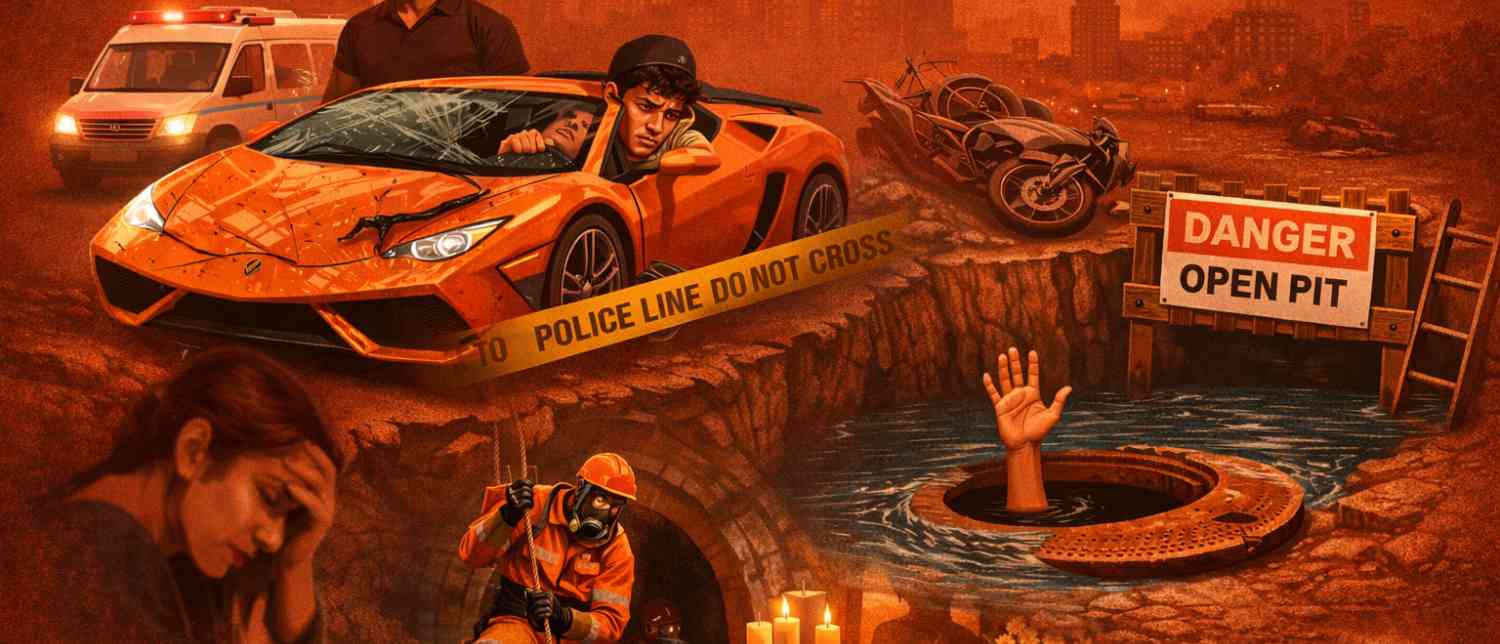
But try telling that to the family of a 25-year-old bank employee whose motorcycle plunged into a 14-foot-deep, unbarricaded sewer pit in Delhi’s Janakpuri. Or to the relatives of a 27-year-old software engineer whose car sank into a water-filled excavation in Greater Noida’s Sector 150. Or to the pedestrians in Kanpur’s Gwaltoli area who were run down by a speeding Lamborghini allegedly driven by the son of a tobacco baron.
GDP figures cannot barricade pits. Growth forecasts cannot enforce accountability. And investment summits cannot resurrect the dead.
What unites these tragedies is not randomness. It is systemic indifference.
The Kanpur Lamborghini Crash: Speed, Privilege, and Impunity
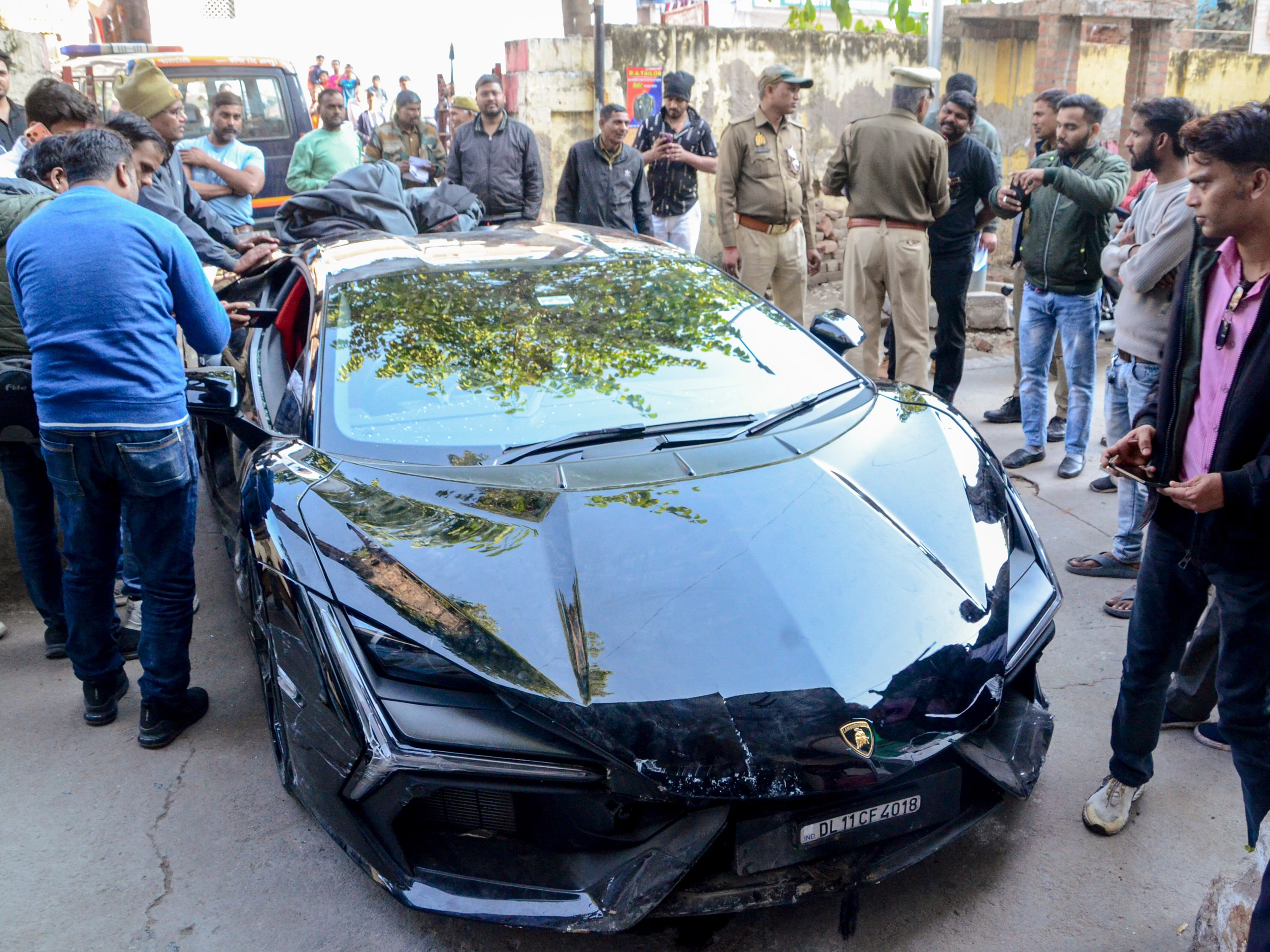
On a Sunday in Kanpur’s upscale Gwaltoli locality, a high-end sports car went out of control and ploughed into pedestrians, two-wheelers, and an autorickshaw. At least six people were injured. The car: a Lamborghini. The driver: Shivam Mishra, son of K K Mishra, owner of Banshidhar Exports Pvt Ltd, a tobacco business.
According to reports, Mishra was allegedly drunk. He attempted to flee the scene and was shielded by his team of bouncers. The initial FIR did not even name him. Only after public backlash was it updated. As of now, he remains in a Delhi hospital and has not been arrested.
Anyone who has lived in India long enough knows the script. Delay. Dilution. Deflection.
Police have said that while Mishra’s name was not initially in the FIR, he is “part of the investigation.” That phrasing—so bureaucratically antiseptic—captures a deeper malaise: responsibility in India is often an afterthought, activated only when outrage becomes impossible to ignore.
But Kanpur is not an isolated story. It is part of a long and disturbing pattern of luxury car crashes across India.
A Pattern of Reckless Luxury and Unequal Consequences
India has witnessed a troubling series of high-profile accidents involving speeding luxury cars:
-
New Delhi (2025): A drunk Audi driver allegedly ran over five people—including two couples and an eight-year-old girl—sleeping on a footpath near Shiva Camp in Vasant Vihar. The driver was booked for rash and negligent driving.
-
Noida (March 30, 2025): A red Lamborghini hit two labourers working on a footpath near an under-construction complex in Sector 94. The driver was arrested and booked.
-
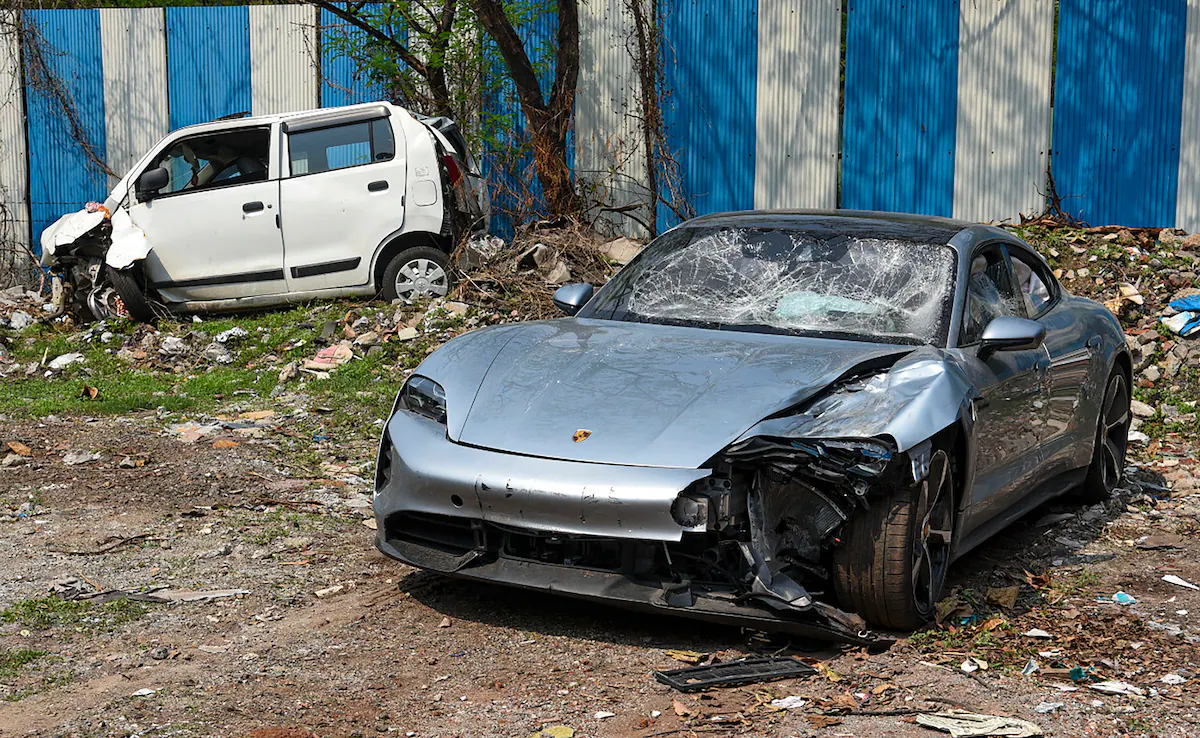
Pune (2024): Two IT professionals were killed in Kalyani Nagar when a speeding Porsche, allegedly driven by a minor and son of a prominent builder, rammed into their motorcycle. The case triggered nationwide outrage over juvenile justice laws and drunk driving. The accused was later ordered to be tried as an adult.
-
Noida (May 16, 2024): A speeding BMW rammed into an e-rickshaw at 6 am, killing two and injuring three. Occupants were arrested.
-
Noida (January 14, 2024): A BMW allegedly driven by a young man hit pedestrians near Sector 53, killing Janak Dev Shah and injuring another. The driver was arrested; the vehicle seized.
-
Ahmedabad (July 20, 2023): Nine people were killed after a speeding Jaguar driven by a businessman’s son rammed into a crowd on ISKCON Bridge. The driver was booked under serious charges including culpable homicide.
-
Nuh, Haryana (August 22, 2023): A Rolls-Royce Phantom collided with a fuel tanker on the Delhi–Mumbai Expressway, killing the tanker driver and his helper.
-
Purvanchal Expressway (October 14, 2022): A BMW travelling over 230 kmph crashed into a truck, killing all four occupants.
-
Palghar (November 2022): Former Tata Sons chairman Cyrus Mistry and Jehangir Pandole died after their Mercedes-Benz crashed into a divider on the Mumbai–Ahmedabad highway. Overspeeding and seat-belt use issues reignited national debate on highway safety.
-
Bengaluru (August 31, 2021): Seven people died after a speeding Audi Q3 mounted a footpath and crashed into a building wall.
-
Hosapete (February 10, 2020): An overspeeding Mercedes-Benz hit and dragged an 18-year-old pedestrian, killing him and a passenger in the luxury car.
These incidents differ in geography but share common themes: overspeeding, recklessness, and often the perception of elite impunity. Speed becomes spectacle. Accountability becomes negotiable.
Death by Pit: The Other India
While luxury crashes dominate headlines, another form of violence unfolds quietly: death by civic negligence.
Recent years—particularly 2025 and early 2026—have exposed a chilling pattern across Delhi-NCR.
2026 Cases
-
Rohini Sector 32 (Feb 10, 2026): Birju Kumar Rai, a 32-year-old labourer, died after falling into an open sewer manhole on vacant DDA land in Begumpur.
-
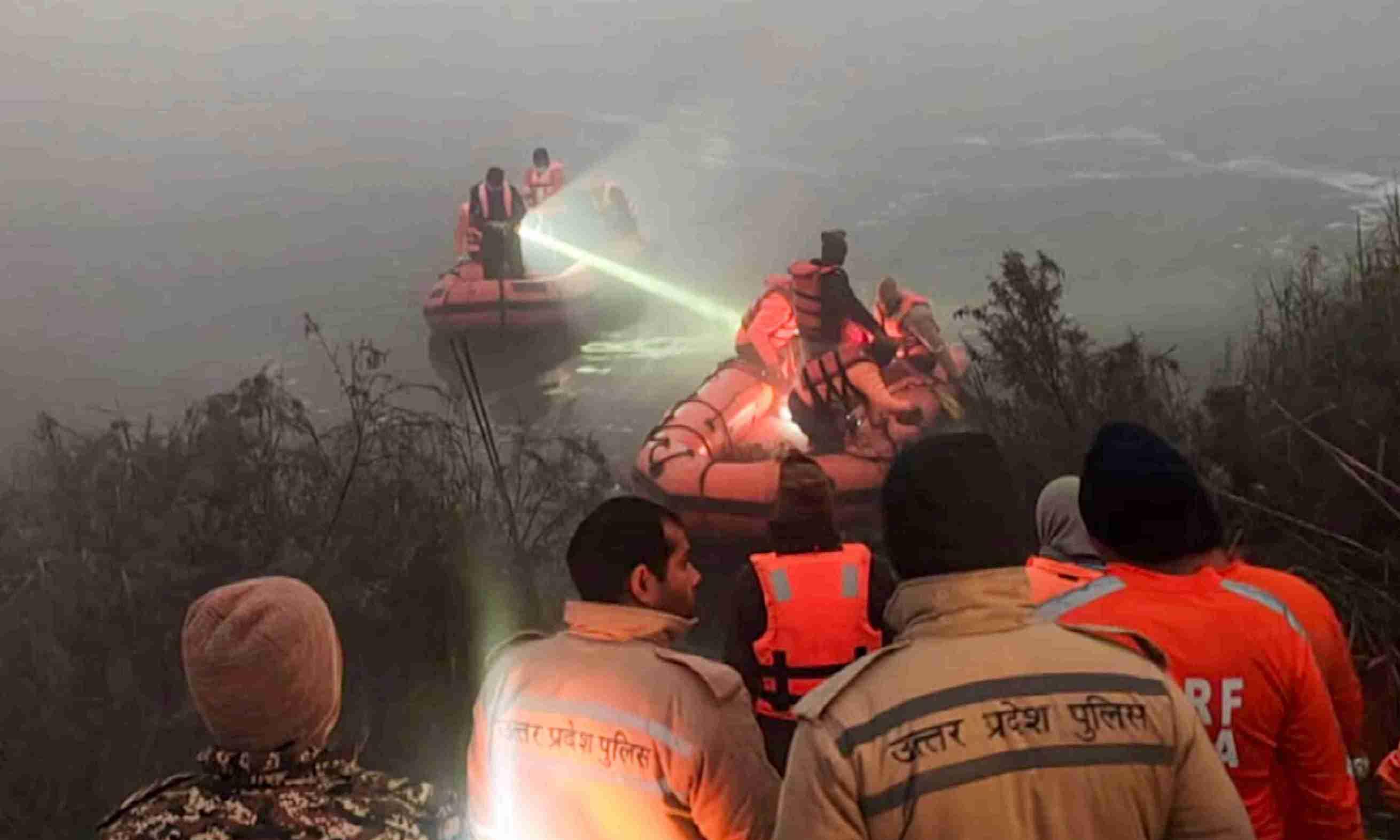
Janakpuri (Feb 6, 2026): Kamal Dhyani, 25, a bank employee, died when his motorcycle plunged into a 14-foot-deep pit dug by the Delhi Jal Board (DJB) for sewer repairs. It lacked proper barricading.
-
Greater Noida (Jan 16–17, 2026): Yuvraj Mehta, 27, a software engineer, died after his car fell into a deep, water-filled uncovered pit in Sector 150.
2025 Cases
-
Khera Khurd (Aug 9, 2025): A 2.5-year-old boy died after falling into an open sewer during heavy rain.
-
Vasant Kunj (July 31, 2025): A minor boy died after falling into an open sewer.
-
Paschim Vihar (July 8, 2025): Two workers—Brijesh (26) and Vikram (30)—died while cleaning a sewage treatment plant.
-
Sarojini Nagar (Oct 8, 2024; reported into 2025): Three sanitation workers—Babundra Kumar, Ramasrey, and Srinath Soren—died while cleaning a sewer.
The causes are depressingly consistent: Uncovered manholes, improper barricading, Construction hazards, Delayed rescue responses and Monsoon waterlogging that conceals pits
These are not freak accidents. They are policy failures.
Systemic Apathy and the Hollowing of Citizenship
Political theorist T.H. Marshall defined citizenship as not merely legal status but the effective enjoyment of civil, political, and social rights. Safety from preventable harm is foundational to that promise.
When citizens die because excavations remain unmarked for weeks, drains are left uncovered, or agencies evade responsibility, citizenship becomes ornamental. Constitutional guarantees become decorative text.
In the Delhi-NCR pit deaths, media investigations revealed that hazards existed for extended periods despite complaints from residents. Yet across cases, responsibility was diffused among agencies—the Delhi Jal Board, DDA, municipal bodies—each deflecting blame.
When accountability is so fragmented that it effectively disappears, democracy thins out.
Ritualism Over Responsibility
Max Weber’s ideal bureaucracy was meant to deliver predictability and efficiency. In practice, Indian bureaucracy often reflects what sociologists call ritualism—strict adherence to procedure divorced from purpose.
Files move. Tenders float. Guidelines are issued. Inspections are recorded. Suspensions are announced after tragedy.
But systemic reform rarely follows.
Safety audits become paperwork exercises. Disciplinary actions become symbolic gestures. The weakest link is scapegoated when outrage erupts. And then, the system resets.
Governance becomes reactive rather than preventive.
India’s Accidental Death Burden
According to National Crime Records Bureau (NCRB) data, India consistently records among the highest numbers of accidental deaths globally. Urban centres like Delhi account for disproportionately high fatalities linked to road accidents, unsafe construction sites, and hazardous public spaces.
We live amid chronic urban neglect. We cross streets like gambles. We navigate footpaths that double as death traps. We accept uncovered drains as seasonal inevitabilities.
In such a climate, preventable death becomes routine.
The Unequal Geography of Risk
Political scientist Niraja Gopal Jayal has argued that Indian citizenship is fractured—rights are unevenly realised across class and social location.
Infrastructure deaths disproportionately affect: Informal workers, Commuters, Sanitation workers, and Residents of peripheral urban areas
These are citizens with limited political voice. When they die, outrage flickers briefly before fading.
Contrast that with the media saturation around luxury car crashes involving elite families. Both forms of death are tragic. But the scale and speed of institutional response often differ dramatically.
The message internalised by the ordinary citizen is corrosive: your life is negotiable.
The Collapse of a Culture of Care
Philosopher Axel Honneth speaks of recognition—the idea that institutions must affirm individuals as worthy of protection and concern.
Indifferent governance communicates the opposite.
When pits remain open for months, when sanitation workers die cleaning sewers without adequate safety measures, when a drunk driver’s name initially disappears from an FIR, the state signals that procedural optics matter more than human life.
This erodes what might be called a culture of care.
Over time, repeated exposure to preventable tragedy produces resignation. Citizens stop expecting better. Anger curdles into apathy. Democratic engagement weakens.
Development Without Dignity
Sociologist Luciano Gallino reminds us that citizenship entails reciprocal obligations—between citizens and the state, and among citizens themselves.
Nation-building is not merely about economic growth. It requires shared ethical commitments to justice, safety, and mutual care.
India’s GDP growth may be robust. Expressways may expand. Skylines may rise.
But when newly built high-speed corridors witness cars travelling at 230 kmph before fatal crashes, when under-construction sites remain unbarricaded, when monsoon rains transform open pits into invisible graves, development begins to resemble theatre.
Growth without governance is spectacle.
The Spectacle of Outrage
In almost every case mentioned—from the Pune Porsche crash to the Ahmedabad Jaguar tragedy—public outrage forced institutional action.
The Pune case led to renewed debate over juvenile justice laws. The Palghar crash involving Cyrus Mistry reignited discussions on rear-seat belt compliance.
Yet these reforms often follow catastrophe. They are rarely anticipatory.
When citizens must rely on viral videos and media storms to trigger enforcement, democratic legitimacy erodes.
Institutions should prevent tragedy—not merely manage its public relations aftermath.
The Everyday Gamble
Consider the ordinariness of the victims:
-
A bank employee commuting home.
-
A software engineer driving at night.
-
A labourer walking near vacant land.
-
Children playing during monsoon.
-
Sanitation workers performing hazardous tasks.
-
Pedestrians sleeping on footpaths.
Their deaths were not acts of fate. They were outcomes of neglect, speed, and impunity.
India does not lack laws. It lacks enforcement. It does not lack guidelines. It lacks consequences.
What Real Growth Would Mean
If India truly seeks to be the fastest-growing G20 economy, growth must translate into:
-
Enforced road safety norms
-
Strict accountability for drunk and rash driving
-
Transparent FIR procedures
-
Mandatory barricading and lighting of construction sites
-
Real-time civic hazard monitoring
-
Criminal liability for repeated municipal negligence
-
Protection and mechanisation for sanitation workers
-
Outcome-based audits instead of ritual compliance
Economic growth without institutional reform simply expands the scale at which indifference operates.
The Price of Being Ordinary
The Lamborghini crash in Kanpur and the open pits of Delhi-NCR may seem like separate stories—one about reckless privilege, the other about civic decay.
They are, in fact, reflections of the same structural condition: a system where life is too easily discounted.
One form is spectacular. The other is silent.
Both are preventable.
Until accountability becomes routine rather than reactive, until safety becomes foundational rather than cosmetic, India will continue to celebrate GDP milestones while burying citizens who died for want of barricades, enforcement, or care.
A nation is not measured only by how fast it grows.
It is measured by how seriously it protects the lives of those who grow it.
And right now, for too many Indians, survival feels less like a right and more like a gamble.
With inputs from agencies
Image Source: Multiple agencies
© Copyright 2025. All Rights Reserved. Powered by Vygr Media.