

 By
By 
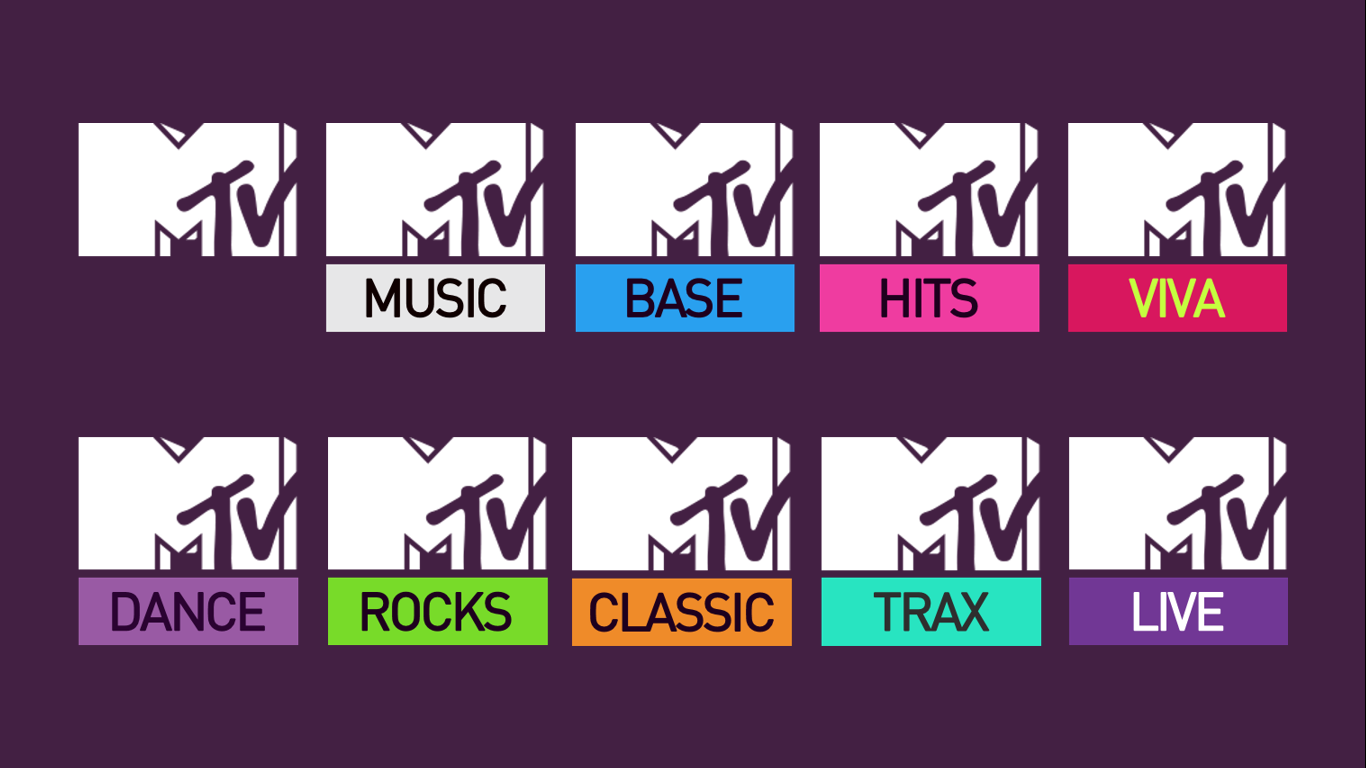
More than four decades after transforming how the world consumed music and pop culture, MTV’s international music channels are preparing to sign off for the final time. By the end of 2025, channels that once shaped global youth identity—MTV Music, MTV Hits, and the network’s nostalgic 80s and 90s blocks—will cease broadcasting across the UK, Europe, Australia, Brazil, and several other regions. The decision, confirmed by Paramount sources to AFP, marks a profound cultural shift and signals the definitive end of an era in music television.
For countless viewers, artists, and the network’s beloved video jockeys (VJs), the shutdown represents far more than a programming change. It is the conclusion of a story that began in 1981 with the now-legendary debut airing of “Video Killed the Radio Star”, a moment that redefined the possibilities of music, television, and global pop culture. MTV was once the place where musicians became icons, cultural boundaries dissolved, and fans discovered the boldest sounds from around the world. But as audiences migrate to digital platforms and expect instantaneous, interactive experiences, the MTV of old has increasingly struggled to compete.

Why MTV’s Music Channels Are Going Dark
The closures arriving by year’s end will affect MTV Music, MTV Hits, and the channel’s signature 1980s and 1990s programming blocks. These channels will vanish not only in the UK but also in France, Germany, Poland, Australia, Brazil, and multiple other territories. Although some MTV-branded channels will continue in the United States—and MTV HD will survive in the UK with a focus on entertainment—the traditional, music-first format is effectively ending.
Media experts argue this outcome was inevitable. MTV’s pioneering model simply cannot survive in a world where platforms like TikTok and YouTube dictate how new generations consume music and video. According to Kirsty Fairclough, professor of screen studies at Manchester Metropolitan University, the digital landscape has “completely refigured how we engage with music and images.” The conditions that once made MTV revolutionary, she says, “don’t exist anymore.”
Audiences today expect immediacy, interactivity, and personal choice—qualities baked into streaming and social media architecture but incompatible with linear cable channels. The appeal of sitting in front of a television and waiting for one’s favorite song to appear has been eclipsed by unlimited, on-demand access. Fairclough notes that MTV’s downfall was not about content alone but about a broader, structural shift in culture and technology.
A Network That Once Defined a Generation
Former employees and long-time fans describe the shutdown as a heartbreaking—if unsurprising—conclusion. To understand why, one must recall MTV’s extraordinary impact on music, style, youth identity, and even the global arts landscape.
In its early decades, MTV did more than broadcast videos; it created cultural moments that shaped generations. Michael Jackson’s “Thriller” video premiere became a seismic global event, while Madonna’s 1984 “Like a Virgin” performance at the first MTV Video Music Awards redefined the idea of a pop spectacle. These iconic moments cemented MTV as a tastemaker, and its influence seeped into fashion, film, club culture, and nearly every corner of popular media.
James Hyman, a director and producer behind MTV Europe’s dance programming in the 1990s, remembers the energy of that era with vivid clarity. “It was so exciting, because that’s mainly all people had,” he told AFP. Before the internet was ubiquitous, MTV served as the primary portal through which viewers discovered new genres, emerging artists, and experimental visuals. Hyman was instrumental in shaping Party Zone, a groundbreaking show that championed club culture and presented emerging techno, house, and trance music to millions.
Simone Angel, a well-known MTV VJ and one of the network’s most recognizable faces, worked alongside Hyman during the channel’s golden years. She recalls an atmosphere of “experimentation” and creative freedom—an environment in which up-and-coming artists could break through and bold ideas flourished. In her view, that spirit was gradually eroded as MTV pivoted toward reality programming and regionalized its European operations in the early 2000s. “I was heartbroken when it started to split up into different regions,” Angel admitted. “To me that was like the beginning of the end.”
Audience Decline and Industry Shifts
The decline of MTV’s influence is starkly reflected in audience data. According to UK research firm Barb, MTV Music reached around 1.3 million households in July 2025. By contrast, in 2001, MTV UK and Ireland’s music channel package reached more than 10 million homes. This dramatic drop—an almost 90% decline—reveals not only the fading prominence of cable music channels but also the swift evolution of digital consumer habits.
Angel argues that this downturn can be directly traced to MTV’s gradual departure from music-driven, high-risk content. “Initially MTV Europe wasn’t just about making the most amount of money… that sense of experimentation made the channel very exciting,” she said. As the network shifted toward more commercially driven entertainment formats, its cultural edge dulled.
Corporate restructuring accelerated the network’s decline. After Paramount merged with Skydance earlier this year, the company initiated extensive cost-cutting measures, including more than 1,000 job cuts and a re-evaluation of its cable channel portfolio. The international MTV shutdown is one of the most sweeping outcomes of this strategy.
A Legacy That Continues to Echo
Even as MTV’s music channels prepare to go dark, the emotional resonance of the brand remains powerful. Hyman still preserves dozens of VHS tapes filled with rare interviews, club performances, and avant-garde videos from the 1990s. In his London home, those tapes still hum through his aging VHS player, displaying grainy footage of The Prodigy, Aphex Twin, experimental dance videos, and unforgettable 90s aesthetics. For him, the shutdown underscores a profound cultural loss. “The ‘M’ stood for music, and that’s gone,” he lamented.
Fairclough, too, describes MTV’s impact as “seismic,” noting that the channel brought both superstar acts and emerging artists into living rooms across the world. It did not just broadcast culture—it shaped it. MTV transformed music into a visual medium, altered the aesthetics of pop, and helped define global youth identity for decades.
“MTV was so powerful it defined youth culture,” Hyman said. From fashion to attitudes to the very language of pop stardom, its influence touched everything.
A Call to Preserve MTV’s Cultural Archive
With the shutdown looming, both Hyman and Angel have urged Paramount to release the vast MTV Europe archives to the public. They believe fans still hunger for the history, energy, and authenticity captured during the channel’s formative years. “People still want their MTV,” Angel noted, emphasizing that interest in the network’s legacy remains strong.
To her, this moment feels like the final stage of a long decline. “It almost feels like MTV has been on life support for such a long time,” she said. “But now that they’re actually threatening to pull the plug, we have all suddenly realised… this means too much to us.”
The End of an Era—And What Comes Next
Make no mistake: MTV’s international music shutdown is not merely a corporate decision. It symbolizes a historic shift in how music is created, shared, and experienced. The channel that once dictated global taste, launched careers, and connected millions through a shared visual soundtrack is becoming a relic of a pre-digital age.
Yet its legacy survives—not only in pop culture history but also in countless artists, fans, and cultural movements that owe their rise to the network’s audacity and influence. The world that MTV helped build lives on across streaming platforms, social media, and the broader digital music ecosystem.
As the final broadcasts approach, fans and industry veterans are preparing to say goodbye not just to channels but to a cultural institution that shaped decades of music, visuals, and youth identity. It is, as many have said, truly the end of an era.
With inputs from agencies
Image Source: Multiple agencies
© Copyright 2025. All Rights Reserved. Powered by Vygr Media.