 By
By 
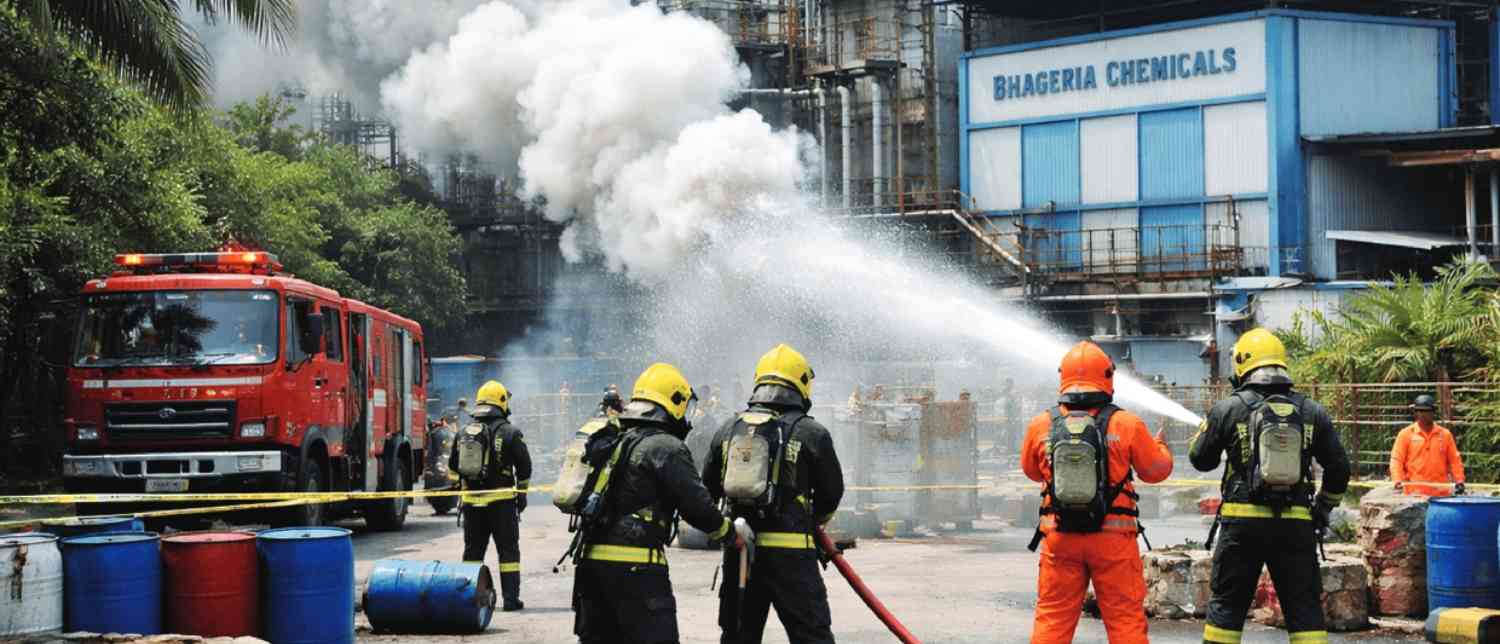
The National Human Rights Commission of India (NHRC) has taken suo motu cognizance of a hazardous oleum gas leak that triggered a large-scale evacuation in the Palghar district of Maharashtra. According to media reports, the incident forced authorities to evacuate over 2,600 people, including around 1,600 school students, after toxic fumes spread from a chemical unit in the Boisar MIDC industrial area.
Taking serious note of the development, the Commission has issued a notice to the Chief Secretary of Maharashtra, seeking a comprehensive report within two weeks detailing the circumstances surrounding the gas leak, the administrative response, its impact on residents, and the steps being taken to prevent similar incidents in the future.
Massive Evacuation After Hazardous Oleum Gas Leak
The gas leak occurred on 2 March 2026 at a chemical facility operated by Bhageria Industries Limited, located at plot D-17 in the Boisar MIDC industrial zone of Palghar district.
Reports indicate that the release involved oleum gas, also known as fuming sulfuric acid, a highly corrosive chemical capable of causing severe irritation and environmental hazards. Following the leak, dense fumes containing sulfur trioxide spread across the area.
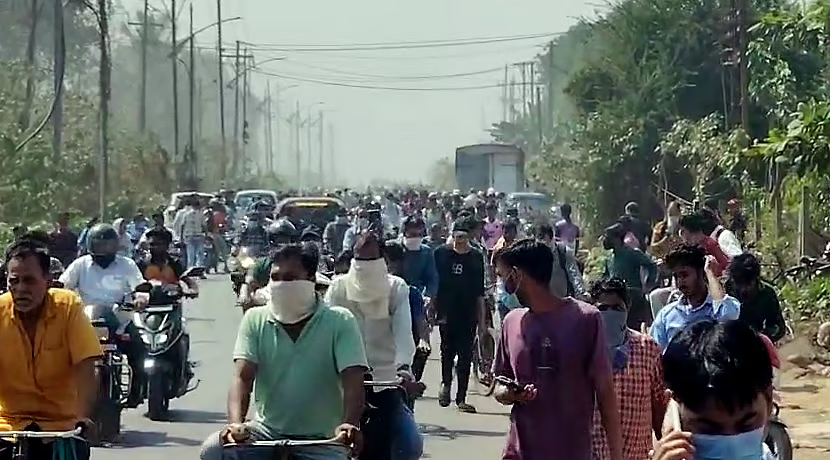
Authorities evacuated more than 2,600 people from the surrounding locality, including approximately 1,600 students from nearby schools, as a precautionary measure to ensure public safety.
The gas reportedly spread within a radius of nearly five kilometres, prompting emergency responses from local authorities and industrial safety teams.
Despite the scale of the evacuation, officials confirmed that no serious injuries were reported. However, three individuals experienced minor eye irritation after exposure to the gas.
Origin of the Gas Leak
Preliminary information from authorities indicates that the leak originated from the level indicator glass of a 2 KL day tank at the chemical unit. The tank reportedly has a capacity ranging between 2,000 and 2,500 litres.
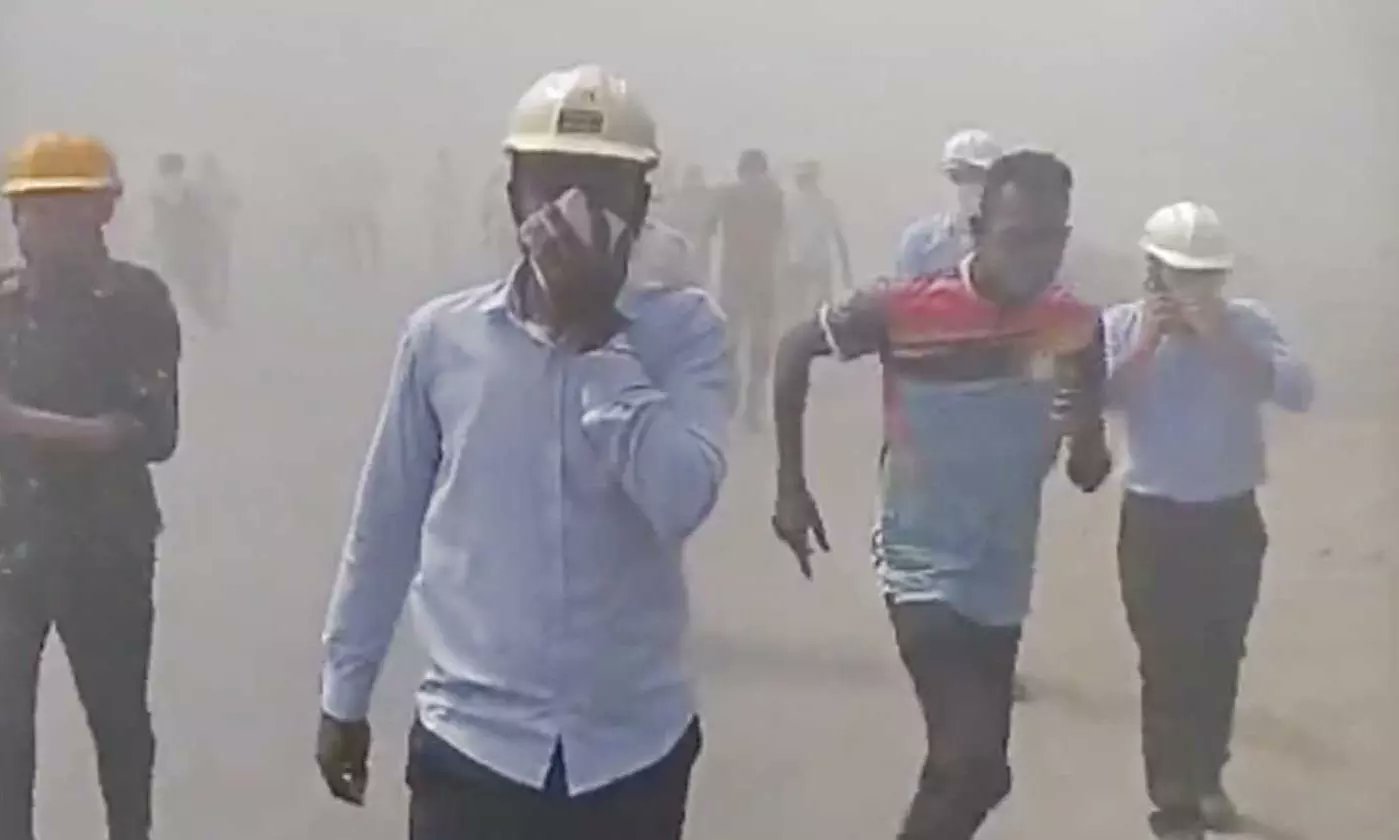
Initially, the leak was minor, but it soon intensified, leading to the release of thick, fog-like fumes containing sulfur trioxide. These fumes significantly reduced visibility across the factory premises and gradually spread to nearby areas.
Due to the hazardous nature of oleum gas and the rapid spread of fumes, emergency teams initiated immediate evacuation and containment measures.
At present, the exact cause of the leakage remains undetermined, and investigations are ongoing.
NHRC Raises Human Rights Concerns
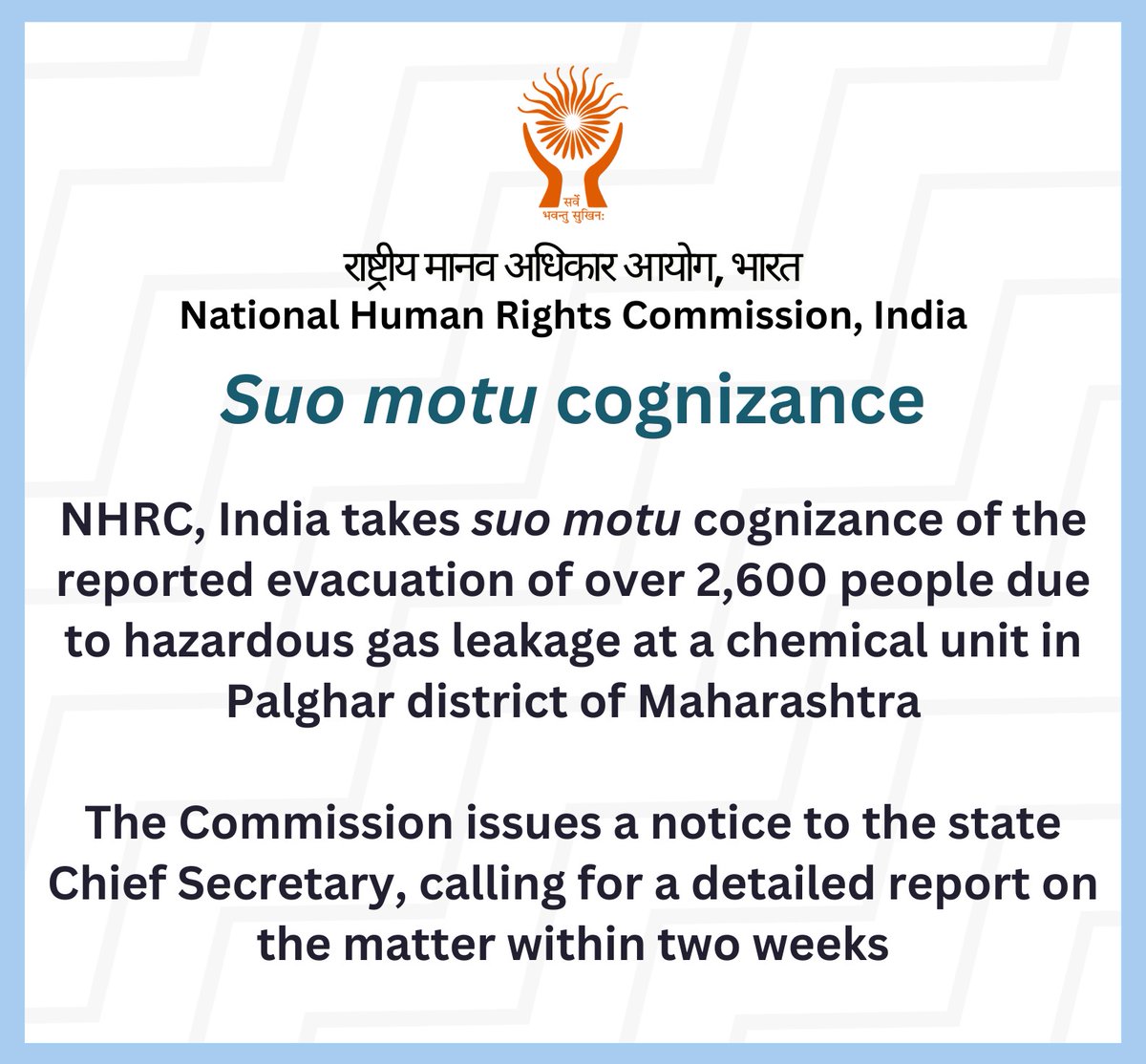
The NHRC acted after reviewing media reports about the incident. In its official statement released on 5 March 2026, the Commission stated that if the reported details are accurate, the incident raises serious concerns regarding potential violations of human rights, particularly those related to public safety and industrial hazards.
The Commission noted that such industrial accidents can pose significant risks to the health and safety of communities living near chemical facilities.
By taking suo motu cognizance, the NHRC initiated the inquiry on its own, without receiving a formal complaint, highlighting the seriousness with which it views the matter.
Notice Issued to Maharashtra Chief Secretary
Following the incident, the NHRC issued a formal notice to the Chief Secretary of Maharashtra, directing the state government to submit a detailed report within two weeks.
The report is expected to include:
-
The cause of the gas leak
-
Emergency response measures taken by authorities
-
The impact on local residents and evacuated individuals
-
Safety protocols implemented at the facility
-
Preventive steps proposed to avoid similar accidents in the future
The Commission’s move signals an effort to ensure accountability and improved industrial safety standards, especially in densely populated industrial regions.
Investigation Underway by Authorities
Local authorities have already initiated legal and administrative actions following the incident.
Police have registered a First Information Report (FIR) under relevant sections against the management of Bhageria Industries Limited. The case is part of an ongoing investigation into possible lapses in safety procedures.
Officials are also awaiting detailed findings from two key regulatory bodies:
-
Directorate of Industrial Safety and Health (DISH)
-
Maharashtra Pollution Control Board (MPCB)
These agencies are expected to conduct technical assessments to determine the root cause of the leak, potential regulatory violations, and environmental impact.
Their reports will play a critical role in shaping further action against the company, if negligence or non-compliance with safety norms is established.
Impact on Local Community and Schools
The evacuation significantly affected the surrounding community, particularly schools located within the affected radius.
As toxic fumes spread across the Boisar MIDC area, authorities swiftly evacuated 1,600 students along with other residents to prevent exposure to the hazardous gas.
Emergency measures were implemented to minimise health risks, including clearing affected zones and monitoring air quality.
While only three cases of minor eye irritation were reported, officials treated the incident as a serious industrial safety threat, given the potentially harmful nature of oleum gas.
Industrial Safety Concerns in Chemical Hubs
The Boisar MIDC area is a major industrial hub housing numerous chemical manufacturing units. Incidents such as gas leaks raise concerns about industrial safety standards, monitoring mechanisms, and disaster preparedness in such zones.
Oleum, commonly used in chemical manufacturing, can release sulfur trioxide vapours that react with moisture in the air to form sulfuric acid mist, posing health risks including:
-
Eye and skin irritation
-
Respiratory distress
-
Environmental contamination
The incident highlights the need for strict adherence to industrial safety protocols, regular equipment maintenance, and effective emergency response systems.
NHRC’s Role in Ensuring Accountability
The NHRC’s intervention underscores its role in protecting citizens’ fundamental rights, particularly the right to life and safety in environments impacted by industrial activity.
By demanding a detailed report from the Maharashtra government, the Commission aims to:
-
Ensure transparency in the investigation
-
Assess whether public safety protocols were adequate
-
Identify accountability in case of negligence
-
Encourage preventive reforms in industrial operations
Such actions are part of the NHRC’s broader mandate to address human rights concerns arising from environmental and industrial hazards.
Awaiting Government’s Detailed Report
The Maharashtra government is now required to submit a comprehensive report to the NHRC within two weeks. The findings are expected to clarify:
-
The exact cause of the oleum gas leak
-
Responsibility of the chemical unit
-
Effectiveness of emergency response measures
-
Future safeguards to prevent similar incidents
The outcome of the investigation could influence industrial safety enforcement across chemical manufacturing zones, particularly in Maharashtra’s industrial belts.
Final Thoughts
The oleum gas leak at the Boisar MIDC chemical unit on 2 March 2026 prompted the evacuation of more than 2,600 people, including 1,600 students, and raised serious concerns about industrial safety and public health.
Although no major injuries were reported and only three individuals experienced minor eye irritation, the scale of the incident led the National Human Rights Commission of India to intervene.
With an FIR registered against the company management and investigations underway by regulatory agencies, the NHRC’s directive to the Maharashtra government for a detailed report within two weeks marks a crucial step toward ensuring accountability and strengthening safeguards against industrial hazards in the future.
With inputs from agencies
Image Source: Multiple agencies
© Copyright 2025. All Rights Reserved. Powered by Vygr Media.