 By
By 
“I don’t want to die, Papa. Please save me.”
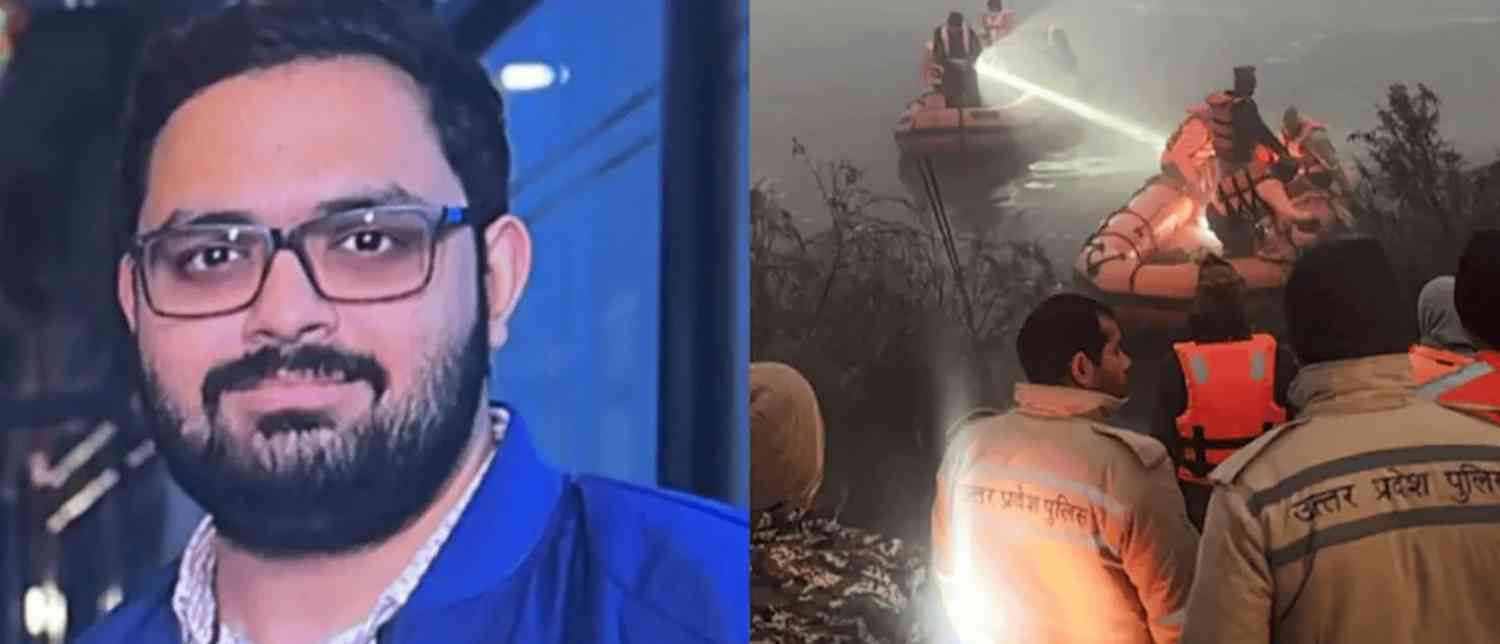
These were the last words of 27-year-old software engineer Yuvraj Mehta, spoken over a phone call as he clung to life in the dark, icy waters of a 70-foot-deep ditch in Greater Noida. For nearly two hours, Yuvraj fought drowning—standing on top of his sinking car, shouting for help, holding a torch, calling his father and friends—while dozens of people stood by, watched, filmed, and waited.
By the time authorities finally pulled his body out after a five-hour rescue operation, Yuvraj was dead.
What makes this tragedy unbearable is not just the accident itself, but everything that followed—and everything that didn’t happen.

A Routine Journey That Turned Fatal
On the night of January 16, Yuvraj Mehta, a resident of Tata Eureka Park, Sector 150, was returning home from work. He was employed with Dunnhumby, a customer data science company based in Gurugram. Like thousands of professionals, he was navigating the poorly lit service roads of Greater Noida late at night.
What awaited him was a death trap masquerading as a construction site.
According to police, Yuvraj’s car collided with a high-ground ridge separating two drainage basins near the Sector-150 intersection. With dense fog, near-zero visibility, no reflectors, no barricades, and no warning signage, the car lost balance, crossed the drain boundary, and plunged into a 70-foot-deep, water-filled pit at an under-construction plot.
Greater Noida’s Additional Commissioner of Police Hemant Upadhyay told PTI that overspeeding and poor visibility appeared to be contributing factors. But the explanation raised immediate questions:
If this stretch was known to be dangerous, why was it left unprotected?
Why was a pit this deep left open on a public road?
Trapped, Terrified, and Alone
After the car hit the water, Yuvraj—who did not know how to swim—managed to escape from the vehicle. In a desperate act of survival, he climbed onto the roof of his car, which was still floating.
From there, he began making calls.
He first called his father, Rajkumar Mehta.
“Dad, I’ve fallen into a deep pit filled with water. I’m drowning. Please come and save me. I don’t want to die.”
The father rushed to the site. Meanwhile, Yuvraj continued shouting for help, using his phone flashlight and later a torch to signal people on the road above.
Eyewitnesses and family members later said Yuvraj remained alive for nearly two hours, standing atop the vehicle as it slowly submerged.
A Crowd That Watched—and Recorded
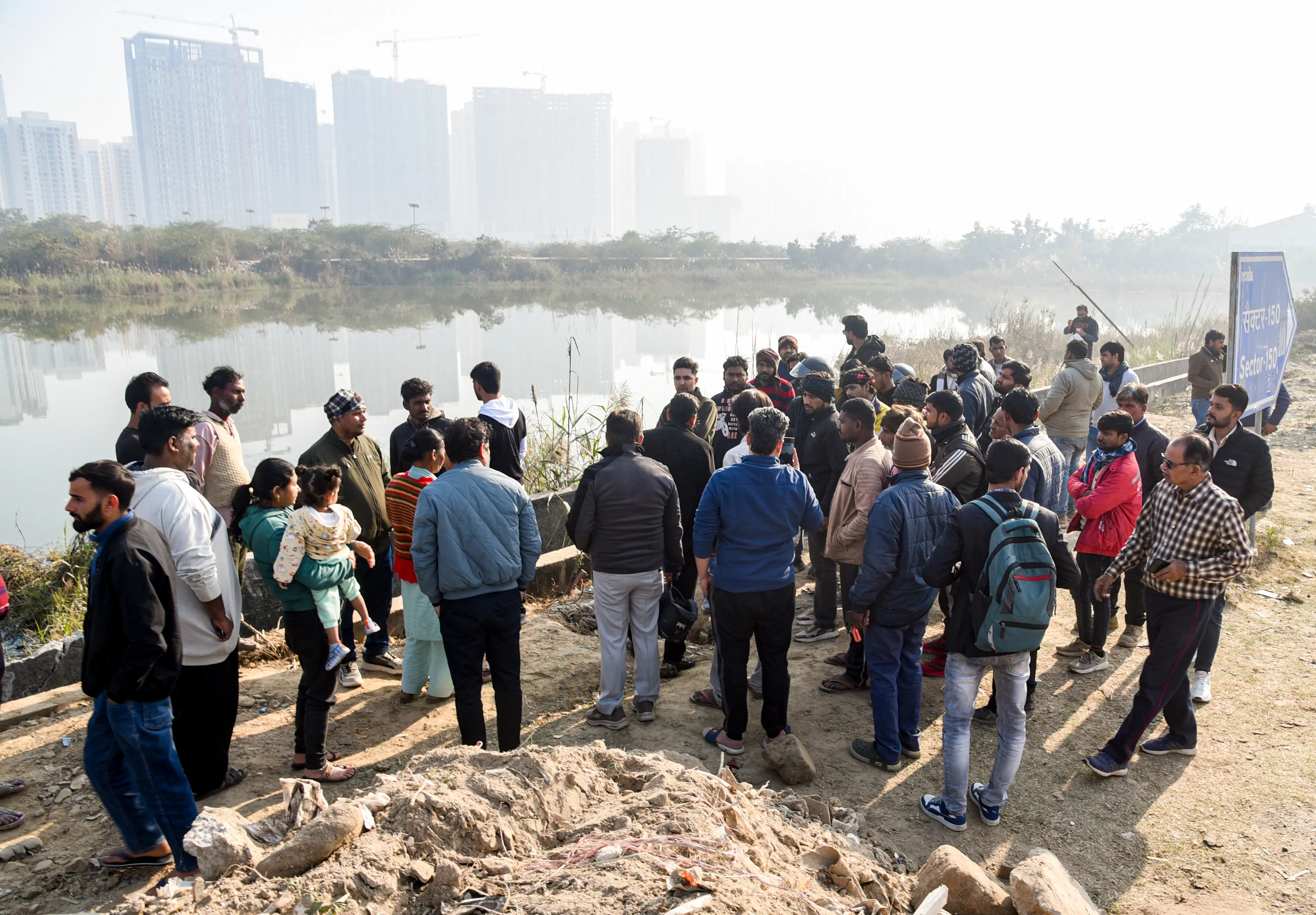
Perhaps the most disturbing aspect of the tragedy is not the fog, the pit, or even the delayed rescue—it is the collective indifference displayed at the scene.
According to his father, more than 100 people gathered near the ditch.
Yet no one helped.
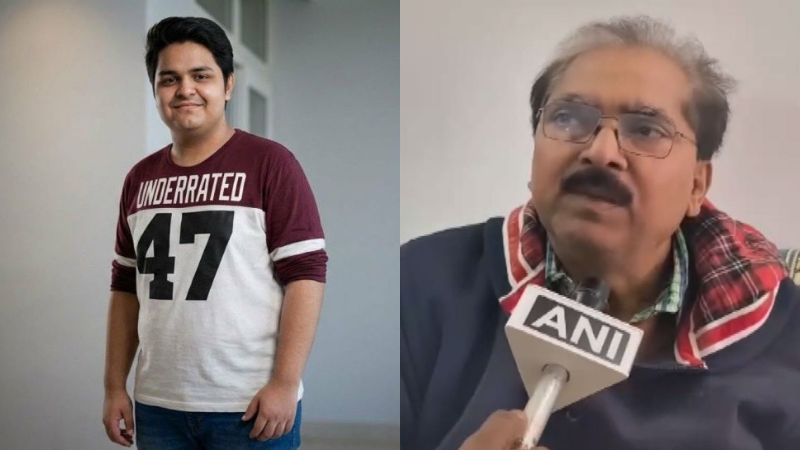
“My son was struggling to save himself. He kept repeating ‘papa bachao, papa bachao’ every time we spoke. He was also shouting ‘help, help’ so that the public might save him,” Rajkumar Mehta told ANI.
“But most of the crowd was just watching. Some people were making videos.”
In an age where humanity is measured in likes, reels, and shares, Yuvraj’s helplessness became content.
Not a rope.
Not a ladder.
Not even a collective effort to alert emergency responders faster.
Just phones held up to record a man dying.
A Volunteer Steps In—When Authorities Hesitated
Amid this paralysis, one man chose to act.
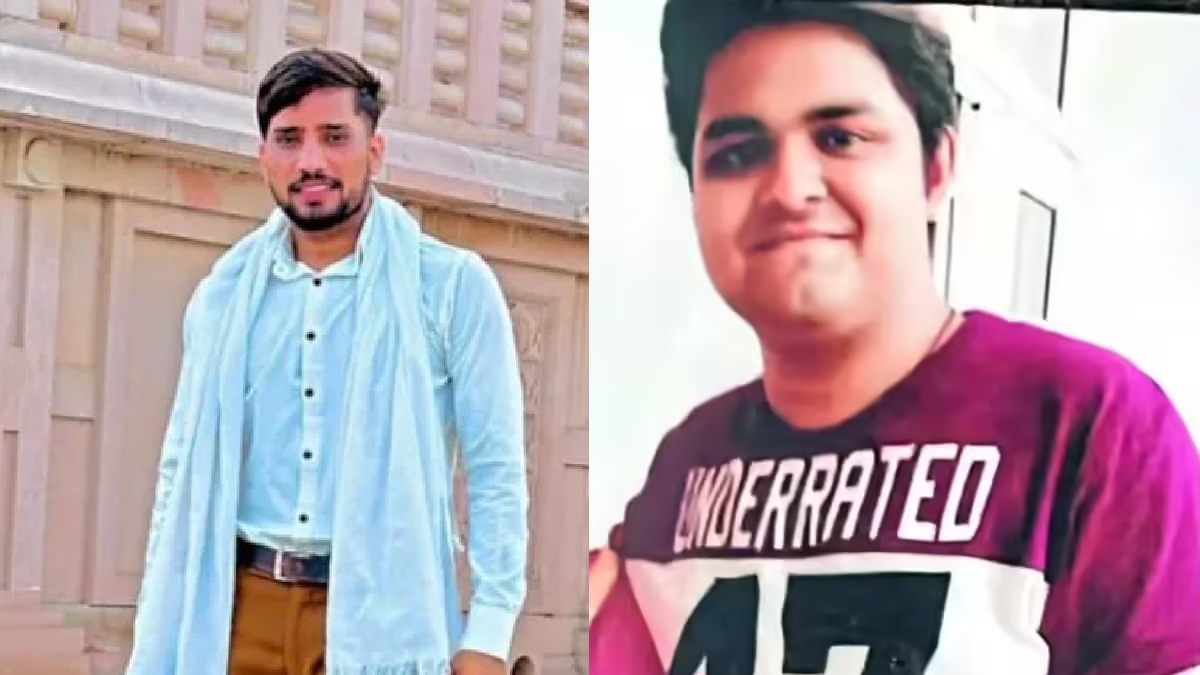
Moninder, a Flipkart delivery agent passing by the site around 1:40 am, saw Yuvraj standing on his car roof, waving a torch and pleading for help.
Moninder later told NDTV and News18 that what he witnessed shocked him more than the accident itself.
“The fire brigade officials lacked the willpower to enter the drain at night,” he alleged.
Realising Yuvraj was running out of breath, Moninder tied a rope around his own waist and jumped into the water-filled ditch—without protective gear, without official instruction, and without hesitation.
But it was too late.
“The man’s car was floating for nearly two hours. He kept pleading for help, which fell on deaf ears. There were over 100 men around, but no one stepped up,” Moninder said.
He further claimed that fire department officials were fully equipped—with safety jackets, cranes, and ropes—and that Yuvraj was alive when they arrived.
“They could have saved him 100 per cent. They were well-equipped,” he said.
A Rescue Operation That Came Too Late
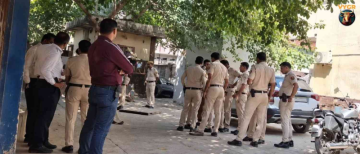
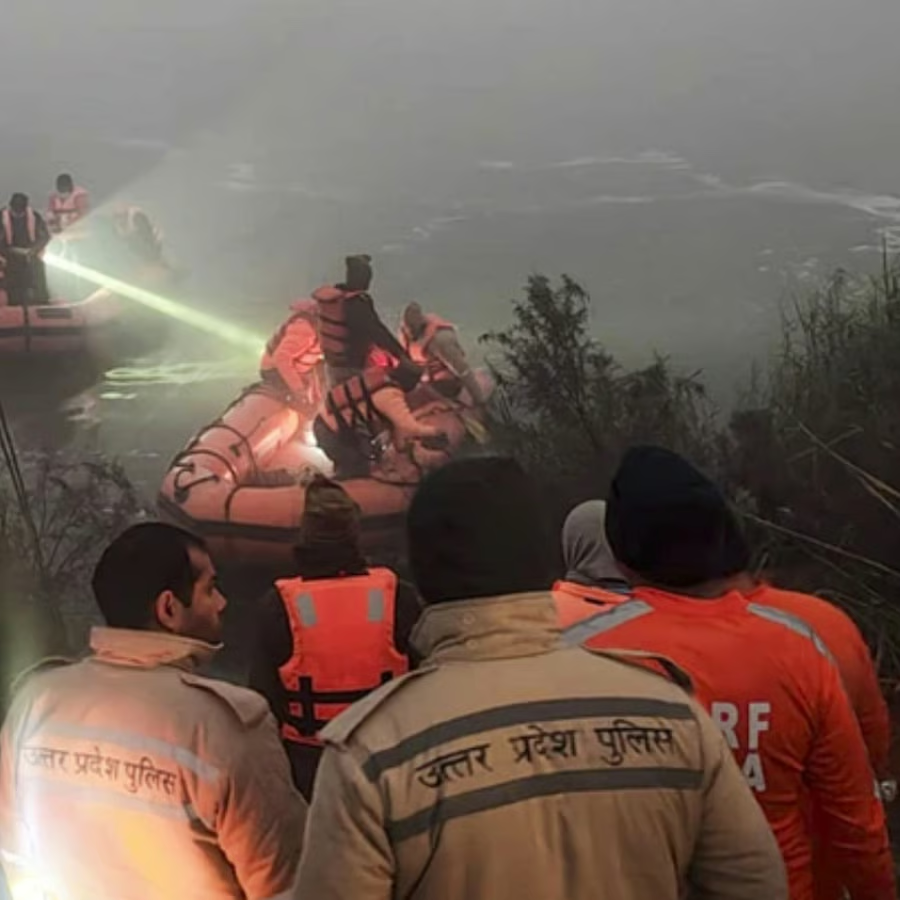
Local police, fire brigade teams, divers, and National Disaster Response Force (NDRF) personnel eventually reached the spot. But according to the family, the response was painfully slow and poorly coordinated.
Rajkumar Mehta alleged that:
-
The SDRF team arrived around 3 am
-
It took two hours to prepare a boat
-
The ropes available could not reach his son
-
The boat meant for rescue arrived only after Yuvraj had died
By the time the five-hour operation ended and the car was pulled out, Yuvraj was declared dead at the scene.
Was This Death Preventable?
The answer, according to almost everyone involved, is yes.
Residents of the area revealed that a similar accident occurred just 10 days earlier, when a truck driver hit the same drain wall. Despite that warning, no corrective action was taken.
No barricading.
No fencing.
No reflectors.
No signage.
The pit remained open.
Waiting.
Builders Booked, Questions Mount
Following the death, an FIR was registered at the Knowledge Park police station against MJ Wishtown Planner Limited and Lotus Green Construction Private Limited.
The case was filed under the Bharatiya Nyaya Sanhita (BNS) under:
-
Section 105 – culpable homicide
-
Section 106 – causing death by negligence
-
Section 125 – act endangering life
Police confirmed that the plot had no boundary wall, no fencing, and no reflectors, turning it into a lethal hazard.
The FIR explicitly stated:
“There was serious negligence on the part of the builders.”
Rajkumar Mehta also said repeated warnings to the Noida Authority had gone unanswered.
Administrative Action—Or Damage Control?
After public outrage intensified, Noida Authority ACEO Satish Pal announced that:
-
A Junior Engineer’s services had been terminated
-
An explanation was sought
-
An investigation was underway
Joint Commissioner of Police Rajeev Narain Mishra termed the incident “very tragic” and said the police stood with the family, citing foggy conditions and limited visibility.
But the question remains:
Why were these hazards not fixed after previous accidents?
Why does accountability only arrive after someone dies?
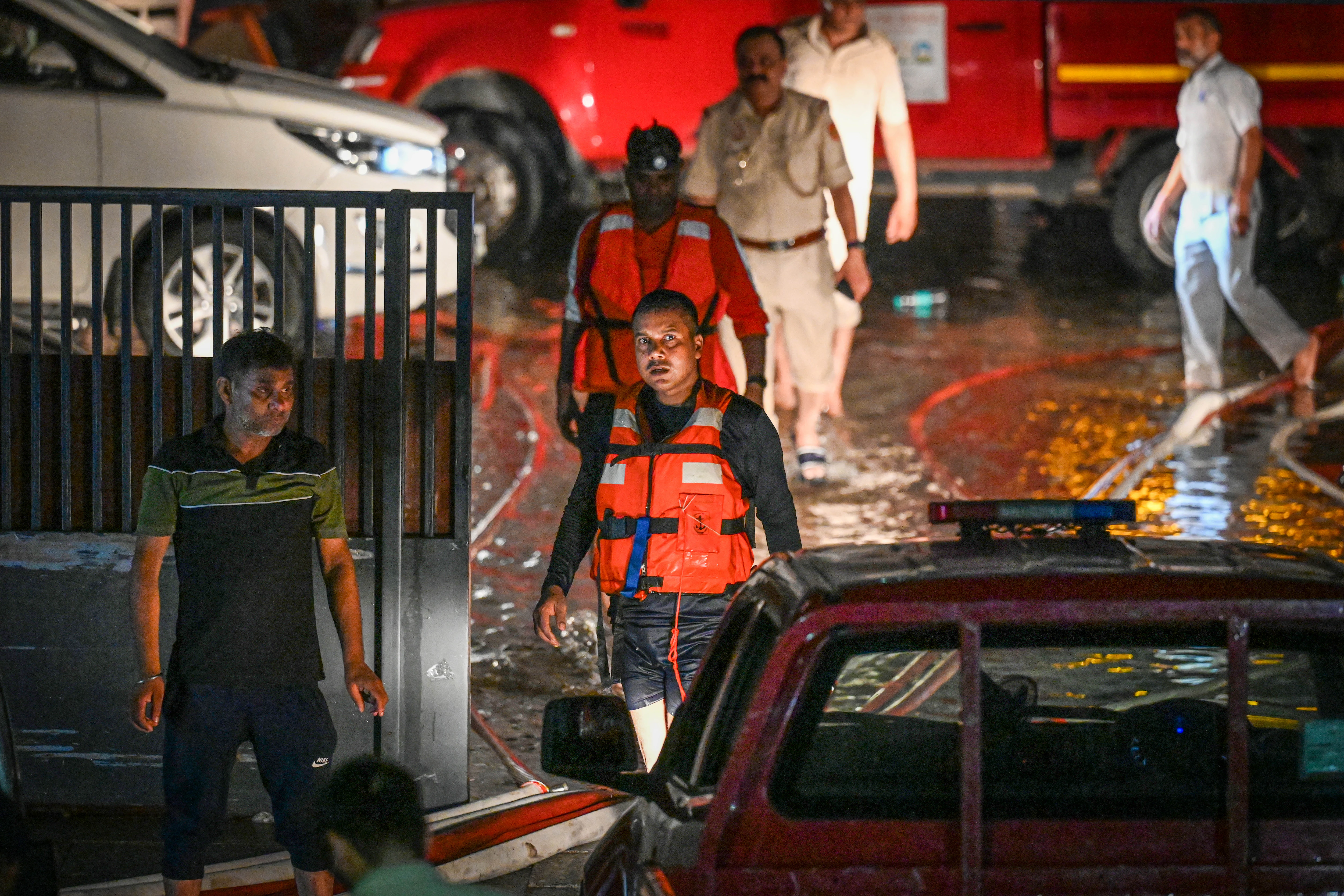
Protests Erupt, Trust Erodes
In the days following the incident, residents staged protests, shouting slogans against local authorities and demanding immediate safety measures.
According to IANS, locals said they had repeatedly requested reflectors and proper signage along the service road—requests that were ignored until tragedy struck.
A Life Lost, A System Exposed
Yuvraj Mehta was an only son. His sister lives in the UK. He had studied hard, built a career, and had dreams yet to be lived.
His father’s grief now echoes a larger question confronting urban India:
How many more deaths will it take before safety is treated as a necessity, not an afterthought?
This was not just an accident. It was the result of institutional negligence, administrative inertia, and collective human apathy.
A young man begged for help.
Authorities hesitated.
The public watched.
And a life was lost—slowly, visibly, and preventably.
Until accountability replaces indifference, Yuvraj Mehta’s final words will continue to haunt us all:
“I don’t want to die.”
With inputs from agencies
Image Source: Multiple agencies
© Copyright 2025. All Rights Reserved. Powered by Vygr Media.