 By

New Delhi: Anyone who has stood on a packed metro platform at peak hour knows the little gamble: which coach do you pick, and will you be squeezed in or find a bit of breathing room? Delhi Metro is now taking some of the guesswork out of that decision on one of its busiest corridors.
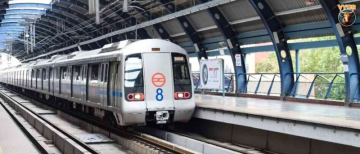
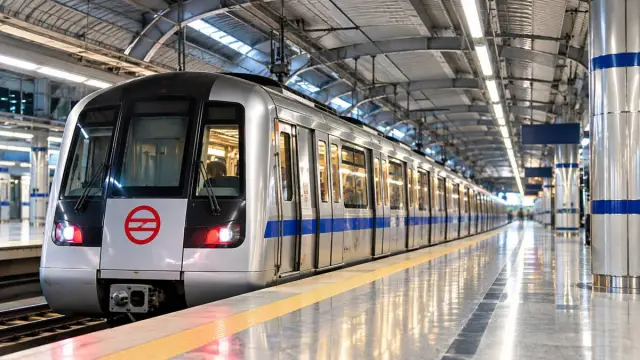
The Delhi Metro Rail Corporation (DMRC) has extended its real-time coach occupancy display from the Magenta Line to the Pink Line. Passengers can now check how crowded each of the six coaches is before the train arrives, and choose a less crowded one to board.
What the display shows
The feature is part of the Passenger Information Display System (PIDS), the screens on station platforms that already show train arrival times. Alongside the timings, the screens now show the crowding level of each coach, labelled C1, C2, C3 and so on, with an estimate of how full each one is.
In simple terms, it lets you see the train’s crowd before it reaches you, not after the doors open.
How the system works
The occupancy figures are generated by software that compares each coach’s current weight with its weight when empty. From that difference, the system estimates how crowded the coach is and displays the result as a percentage. Because this is an estimate based on weight, it is best read as a guide to relative crowding rather than a head count.
From a trial on the Magenta Line to the Pink Line
DMRC first introduced the system on a trial basis on the Magenta Line, saying it planned to expand it to other routes if the trial worked well. Taking it to the Pink Line is the next step in that rollout.
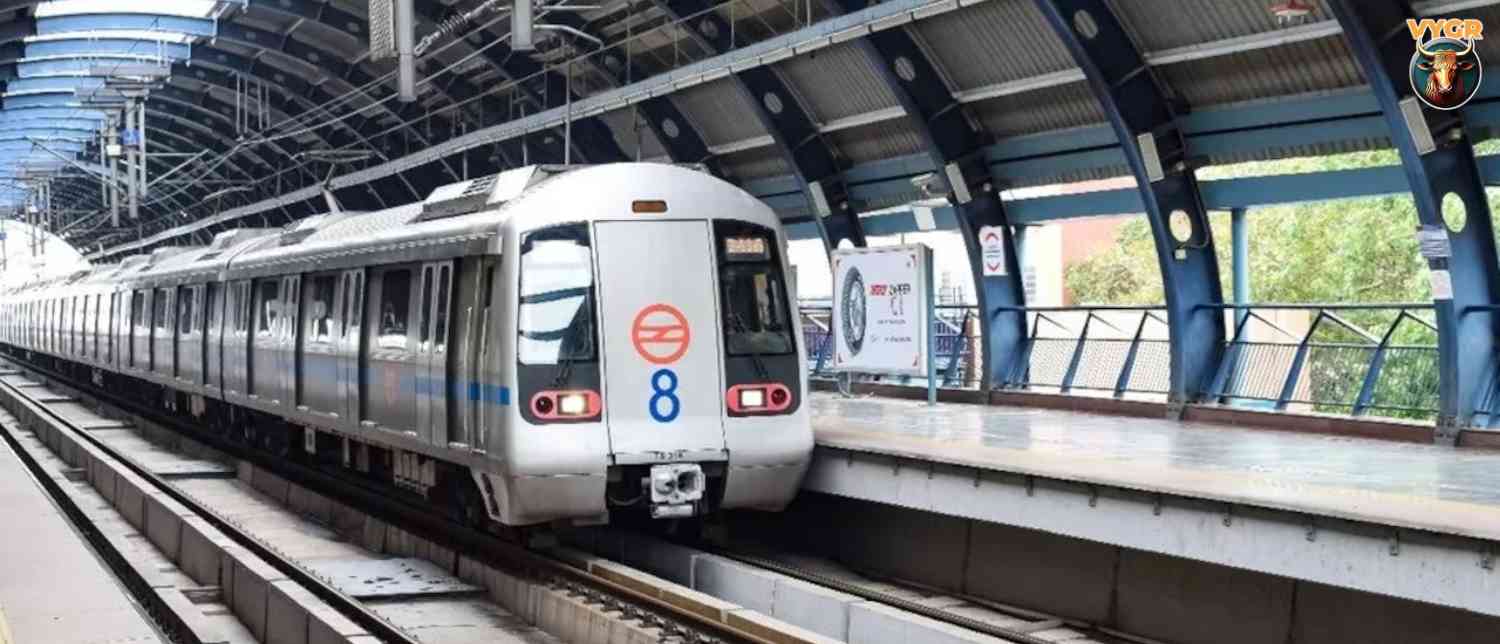
The Pink Line is a natural place for it. At 73.49 km, it is the longest line in the Delhi Metro and India’s first operational ring metro. Its newest section, between Majlis Park and Maujpur-Babarpur, opened in March 2026 and completed the circle, and services on the line have since been increased to around 43-44 trains daily. Trains run with six coaches and without a driver, at intervals of around six minutes in peak hours. With heavy footfall at interchange stations, a feature that spreads passengers more evenly along the platform can make a real difference.
How it helps passengers
- Less pushing and shoving. If one coach is visibly fuller than the rest, you can move to a quieter one while you wait.
- Faster boarding and alighting. When passengers distribute themselves across all six coaches, the doors clear more quickly, which helps trains keep to schedule.
- A calmer ride. Elderly passengers, people travelling with children, and anyone carrying luggage get a better chance of finding a comfortable spot.
- Better use of the train. Passengers often crowd near the entry and exit points. Seeing that other coaches are less full encourages them to spread out.
A few tips to make the most of it
-
Look at the display as soon as you reach the platform, not just when the train is arriving. It gives you time to walk to a quieter coach.
- Keep in mind that crowding can change at each station. A relatively empty coach may fill up a few stops later.
- Remember that the coaches reserved for women are a separate matter, so crowding information should not replace the usual rules about those coaches.
- If you need to alight at a busy interchange, consider whether the coach you choose will be convenient for the exit.
The bigger picture
Delhi Metro carries a vast number of passengers, with annual ridership of around 2.36 billion in 2025. With crowding a daily fact of life, small improvements in information can add up to a smoother journey for many people. Giving commuters real-time data lets them take simple decisions that ease pressure on the system as a whole.
© Copyright 2026. All Rights Reserved. Powered by Vygr Media.