 By

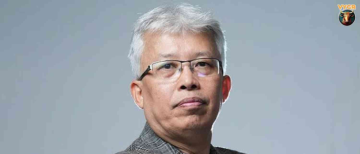
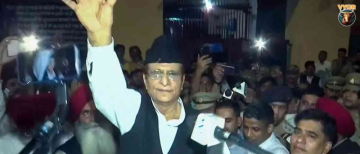
New Delhi: The Delhi High Court on Monday stayed the Jawaharlal Nehru University (JNU) order dismissing Professor Angomcha Bimol Akoijam, who is also the Congress Lok Sabha MP for Inner Manipur. The interim order, passed by Justice Anup Jairam Bhambhani, came after Akoijam told the court that no notice was issued to him before the decision was taken. The court has also issued notice to JNU on his petition challenging the dismissal.
What the order is and is not: This is an interim stay on a procedural complaint. The court has not ruled on the truth of the allegations, and it has not set aside the inquiry findings. The complaints and the police case against Akoijam remain.
What happened in court
Appearing for Akoijam, advocate Moirangthem Gunedhor Singh argued that the dismissal was taken without prior notice to the professor. Justice Bhambhani stayed the university’s order as interim relief and asked JNU to respond to the petition.
The background
-
May 2026: Eleven women students reportedly lodged complaints with the university leadership and its Internal Committee (IC), alleging sexual harassment by Akoijam. The details of those complaints have not been made public in the university’s order, and they are not repeated here.
- September: The Delhi Commission for Women sought a report from JNU on the allegations.
- October 9: After the IC’s inquiry, which recommended a “major punishment,” Vice-Chancellor Santishree D. Pandit signed an order dismissing Akoijam from service with immediate effect, invoking Rule 11(ix) of the Central Civil Services (Classification, Control and Appeal) Rules. The order said due process had been followed but did not set out the specific allegations or findings.
- October 11: Delhi Police registered an FIR, reportedly on a complaint by JNU’s Chief Security Officer. Akoijam later appeared before investigators.
- November 2: The Delhi High Court stayed the dismissal.
Akoijam’s position
Akoijam has consistently denied the allegations, calling them false and motivated and describing the proceedings as a “witch hunt.” He has said he was not given the inquiry report or recommendations before the dismissal, and has alleged that confidentiality norms and the procedure under the law on workplace sexual harassment (the POSH Act) were violated. He has said that he would challenge his dismissal through legal means, and that he has nothing to hide.
The political reaction
The case has become politically charged. BJP women MPs met the Lok Sabha Speaker and submitted a memorandum seeking action against Akoijam, and senior BJP leaders in Manipur criticised him. At the same time, a BJP MLA in the state was reported to have expressed trust in him, and veteran Congress leader Okram Ibobi Singh questioned the timing of the allegations while saying the law should take its course. The court’s order does not speak to any of this.
The legal question
The issue before the court at this stage is about process. A dismissal is a serious penalty, and courts generally examine whether a person has been given a fair chance to respond before such an order is passed, which is part of the principles of natural justice. JNU will have to show how it followed the procedure, including any notice and the supply of the inquiry report. The university and the complainants’ side may argue that statutory procedure under the POSH framework was followed, which the court will test.
For complainants, the law provides for confidentiality of identity, and it is important that the identities of those who have complained are not sought or shared.
What happens next
-
JNU’s response: The university must reply to the petition and explain the process followed.
- The stay: It will stay in place until the court decides otherwise. The university could ask for it to be vacated.
- The criminal case: The police investigation under the FIR continues separately.
- A possible fresh process: Courts sometimes allow an authority to correct a procedural lapse and issue a new order after a hearing, but this is a matter for the court.
© Copyright 2026. All Rights Reserved. Powered by Vygr Media.