 By
By 
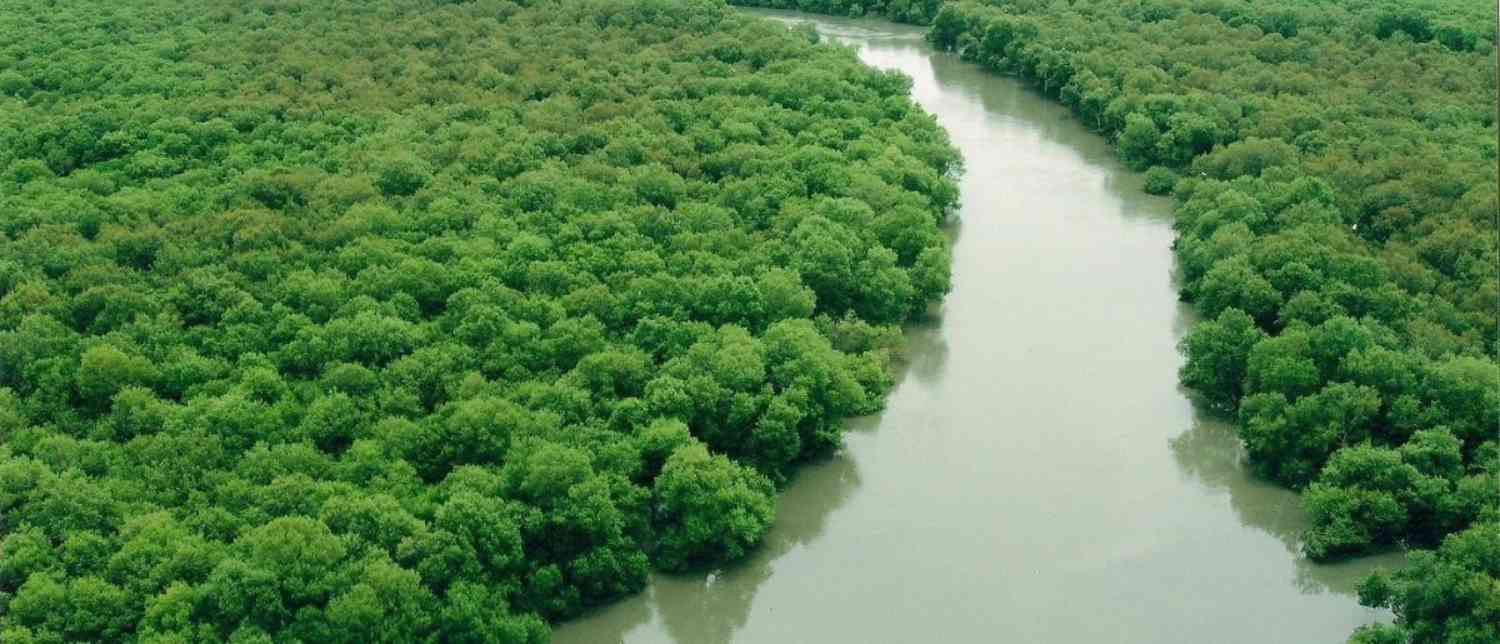
Mumbai has always lived with contradictions. It is India’s financial capital, a city of relentless ambition and expansion, but it is also a fragile coastal ecosystem constantly negotiating with the sea. Every monsoon reminds the city that nature is not an obstacle to development but the very foundation on which development survives. Yet, despite repeated warnings from climate scientists, environmentalists, urban planners, and even the lived experiences of devastating floods, Mumbai continues to sacrifice its natural buffers in the name of infrastructure.
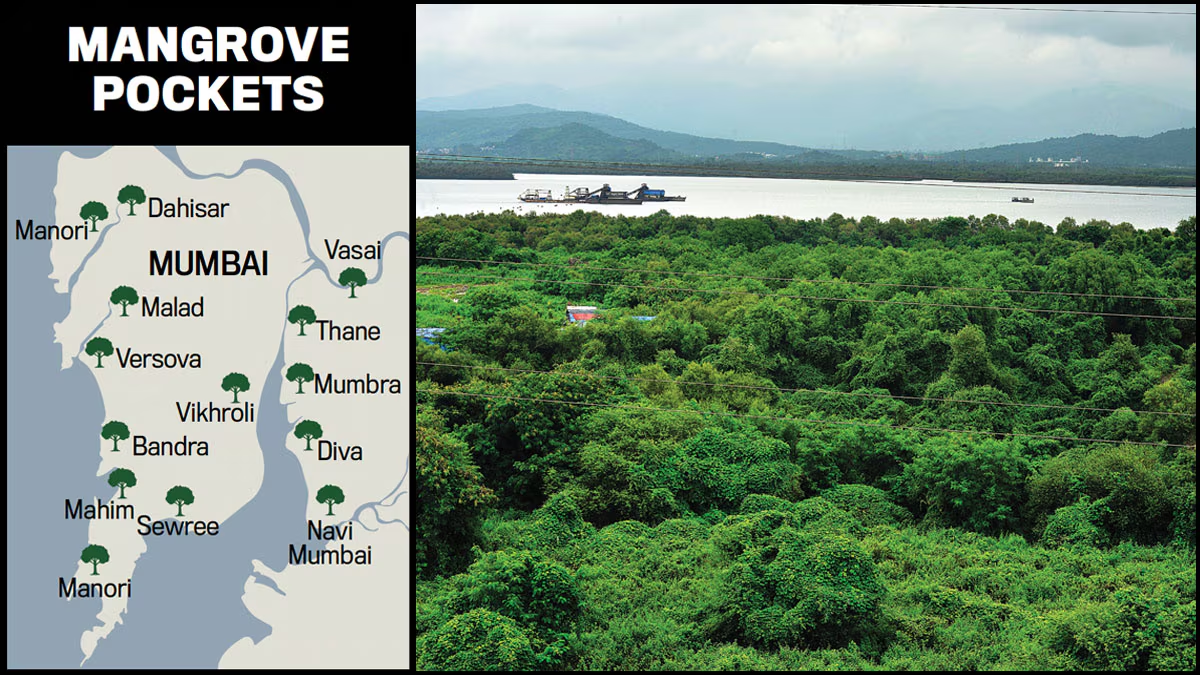
The latest flashpoint in this long-running conflict is the proposed Versova-Bhayander coastal road project, a 26-kilometre arterial corridor that promises to improve connectivity across Mumbai’s western suburbs and reduce travel time between Mumbai and Mira-Bhayander. Supporters call it a much-needed infrastructure intervention for a city choking under traffic congestion. Critics, however, see it as one of the most environmentally damaging urban projects in recent memory because it involves the destruction, relocation, or disturbance of more than 45,000 mangrove trees along Mumbai’s coastline.
The debate is not simply about a road versus trees. It is about the future of Mumbai itself.
The Scale of the Project And the Ecological Cost
The Bombay High Court granted permission for the project in December 2025, and the Supreme Court later refused to stay the order, allowing the Brihanmumbai Municipal Corporation (BMC) to proceed with the cutting and relocation of mangroves. According to official submissions before the court, the project will impact approximately 45,675 mangrove trees spread across more than 100 hectares of land.
Authorities have argued that only around 9,000 mangroves will be permanently destroyed for the actual road construction, while nearly 36,000 mangroves will be relocated or restored after the project is completed. The BMC has also promised compensatory afforestation, including plantation drives in districts such as Palghar, Thane, and Chandrapur.
On paper, these assurances may appear adequate. Courts too relied heavily on expert reports, environmental clearances, and compensatory plans while permitting the project. The Bombay High Court directed the BMC to file annual status reports for the next 10 years detailing the progress of afforestation and mangrove restoration. The Supreme Court observed that the road would significantly benefit the public by reducing congestion on Mumbai’s western corridor and potentially lowering vehicular emissions caused by traffic.
But ecological systems do not function on paperwork.
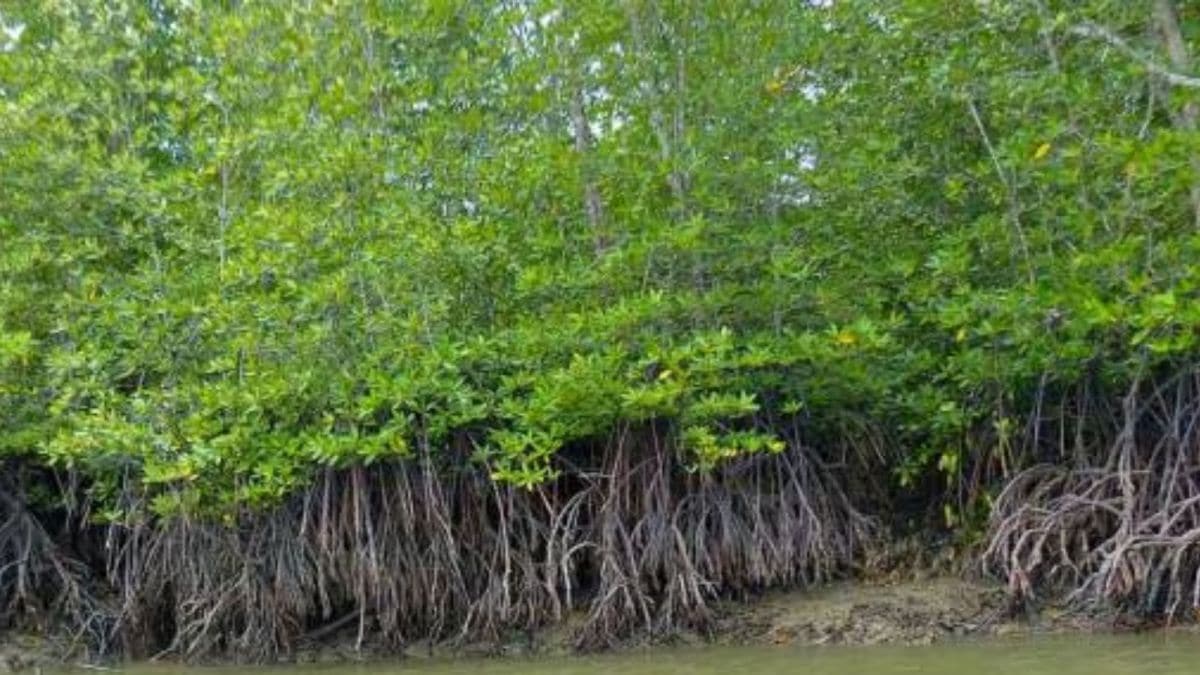
Mangroves are not ordinary trees that can simply be cut in one place and replanted elsewhere. They are highly specialised coastal ecosystems that evolve over decades, sometimes centuries, in specific tidal, saline, and estuarine conditions. Their ecological value lies not just in their physical presence but in the intricate network of biodiversity they sustain.
Scientists and researchers quoted across multiple reports have repeatedly warned that mature mangrove ecosystems cannot be recreated overnight through compensatory plantations.
Mumbai’s First Line of Defence Against Climate Change
Mumbai’s relationship with mangroves is deeply tied to its survival.
The city is already among the most climate-vulnerable urban centres in India. A 2024 study by the Centre for Study of Science, Technology and Policy (CSTEP) found that Mumbai recorded a sea-level rise of 4.44 centimetres between 1987 and 2021 the highest among Indian coastal cities studied. The same report warned that more than 10% of Mumbai’s land area could be submerged by 2040 because of rising sea levels.
At the same time, the city is witnessing increasingly erratic weather patterns. Extreme rainfall events, prolonged heatwaves, worsening air quality, and recurring urban floods have become alarmingly common. In such a scenario, mangroves are not luxuries. They are critical urban infrastructure.
Mangrove forests act as natural barriers against tidal flooding and storm surges. Their dense root systems stabilise coastlines, reduce erosion, and absorb excess water during heavy rains. They protect vulnerable settlements from the force of rising seas and act as buffers during cyclones and extreme weather events.
Mumbai has seen what happens when natural drainage systems are disrupted. The catastrophic floods of July 2005 remain etched in public memory, but every monsoon since then has brought reminders of how vulnerable the city has become. Waterlogging in low-lying suburbs, flooding near creeks, and inundated roads are no longer isolated incidents.
Environmental experts argue that removing large stretches of mangroves could intensify these problems.
Independent researcher and former CIFOR-ICRAF scientist Rupesh Bhomia explained that mangrove ecosystems depend on constant tidal flushing, a natural cycle that supports a highly interconnected biodiversity network of crabs, fish, birds, snails, microbes, and marine species. Construction activities, excavation, and uprooting disrupt these ecological linkages and fragment habitats.
The consequences are not immediate alone. They unfold gradually over years. First comes habitat loss. Then reduced biodiversity. Then weakened flood resilience. Then rising erosion. Eventually, cities begin paying enormous financial and human costs for the destruction of ecosystems that once protected them for free.
The Carbon Sink Mumbai Is Willing to Lose
One of the strongest arguments against mangrove destruction comes from climate science.
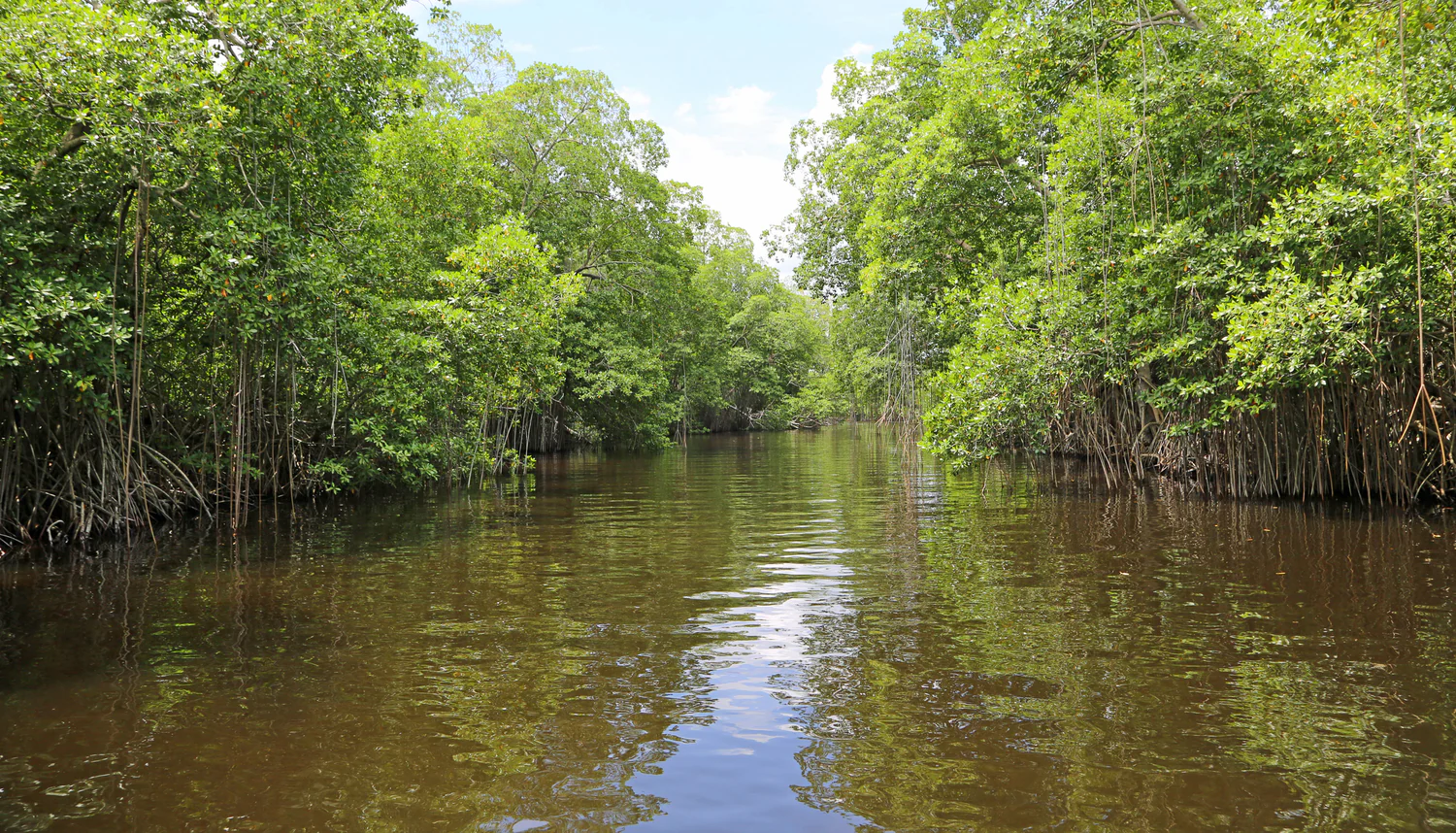
Mangroves are among the most efficient carbon sinks in the world. According to the World Wildlife Fund, mangrove forests store three to four times more carbon per acre than tropical forests.
That is not all.
When mangroves are cut, the problem is not limited to the loss of future carbon absorption. Massive amounts of carbon already stored in the biomass and soil are released back into the atmosphere once the ecosystem is disturbed and exposed to air. This means the destruction of mangroves simultaneously eliminates a carbon sink and creates additional carbon emissions.
Some project supporters argue that reduced traffic congestion will lower vehicular emissions and compensate for environmental losses. But experts caution that such assumptions often ignore the phenomenon of induced traffic.
Urban planners worldwide have observed that building more roads frequently encourages more vehicles, eventually recreating congestion levels within a few years. Additional road infrastructure often leads to increased private vehicle usage rather than sustainable urban mobility.
In other words, the long-term environmental gains from faster traffic remain uncertain, while the ecological losses from mangrove destruction are immediate and potentially irreversible.
The Human Cost Beyond Environmental Statistics
The mangrove debate is also about livelihoods.
For Mumbai’s Koli fishing communities, mangroves are inseparable from daily survival. Fisherwoman Dipti Bhandari from Charkop village stated that nearly 90% of the fish sold by her family comes from mangrove-associated waters. Every morning, fisherfolk spend hours navigating these ecosystems to catch fish that sustain entire communities.
Mangroves function as breeding and nursery grounds for numerous fish species. Destroying these ecosystems directly affects fish populations and, consequently, the incomes of thousands dependent on fishing. For fishing communities already facing shrinking coastlines, rising pollution, and declining catches, this project represents another existential threat.
The concern is particularly acute because Mumbai’s development model has historically displaced vulnerable communities in favour of infrastructure projects designed primarily for faster urban mobility.
As many activists and local residents have pointed out, the benefits of coastal roads are disproportionately enjoyed by car owners, while the ecological costs are borne by poorer populations living in flood-prone or coastal regions.
Researchers have also warned that informal settlements, which house nearly half of Mumbai’s population, are especially vulnerable to urban flooding. Reduced mangrove cover could worsen flooding impacts for precisely those residents least equipped to recover from climate disasters.
Development that protects only commuters while exposing vulnerable populations to greater environmental risks cannot be called inclusive urban planning.
The Failure of Compensatory Afforestation
Perhaps the most contentious aspect of the entire debate is the reliance on compensatory afforestation.
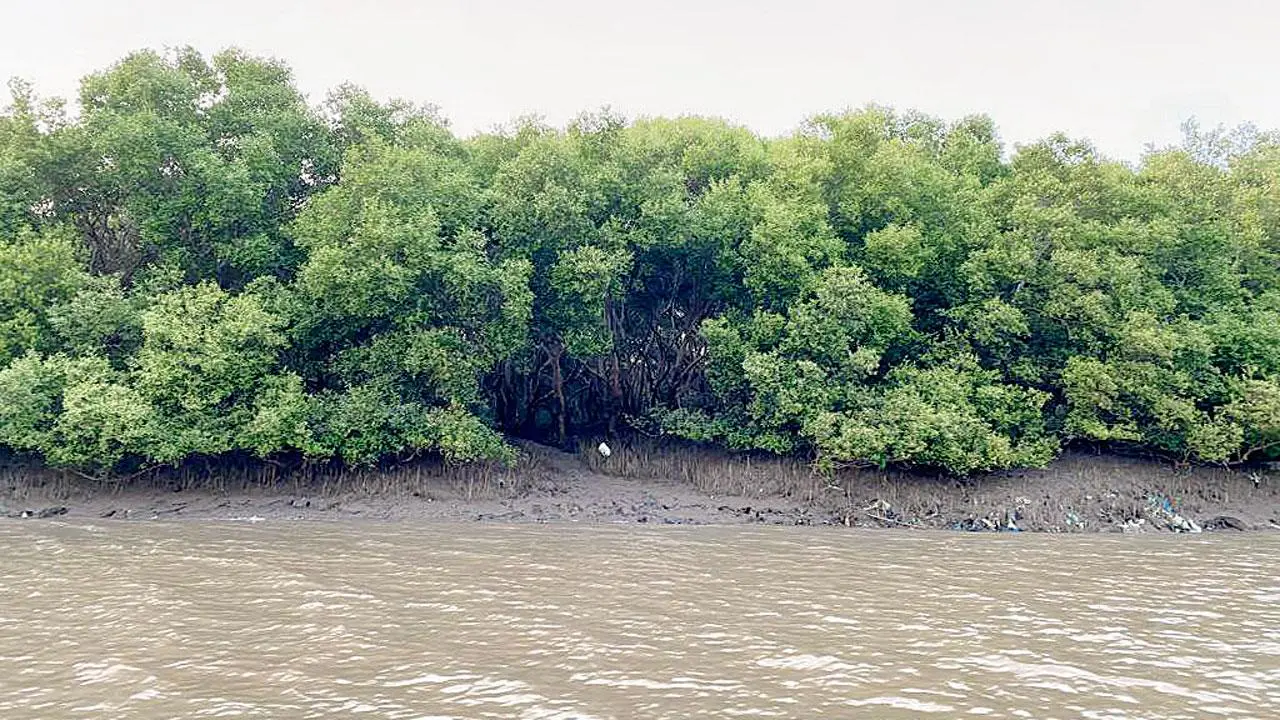
The BMC has proposed planting more than 1.3 lakh saplings, roughly three times the number of affected mangroves, across areas in Thane, Palghar, and Chandrapur. But ecologists have repeatedly questioned whether compensatory plantations can replace mature mangrove ecosystems.
Mangroves are not generic trees that grow uniformly across landscapes. They require very specific ecological conditions involving salinity, tidal movement, sediment composition, and hydrological balance.
Experts point out that even slight climatic and environmental differences can affect survival rates. A 2025 study assessing 25 mangrove restoration sites across Mumbai found that restoration efforts failed at more than half the locations examined. Despite investments exceeding ₹45 crore between 2012 and 2022, 52% of the sites showed no mangrove growth after restoration attempts.
This is a critical detail often missing from official promises. Afforestation announcements generate headlines, but survival rates, biodiversity restoration, and ecological functionality are far harder to guarantee.
Planting saplings is easy. Creating a functioning mangrove ecosystem that supports fish, birds, crustaceans, tidal balance, and flood resilience is extraordinarily difficult.
Experts have warned that urban mangroves already operate under severe stress from pollution, disrupted water flow, and construction pressure. Restoring such ecosystems in heavily urbanised environments becomes even more challenging. There is also the question of geography.
Planting mangroves in Chandrapur or distant regions does little to replace the ecological services lost in Mumbai itself. A mangrove forest protecting Mumbai’s coastline cannot simply be substituted by plantations hundreds of kilometres away.
Former Supreme Court judge Justice Abhay Oka, known for earlier landmark rulings protecting mangroves, reportedly stressed that afforestation should ideally happen within the same ecological zone to preserve environmental functions. That distinction matters enormously.
A City Obsessed With Roads
The larger issue extends beyond one project.
Mumbai’s urban planning philosophy increasingly prioritises concrete-heavy infrastructure, coastal roads, flyovers, elevated corridors, sea links, often at the expense of green cover and ecological systems. The city has witnessed repeated controversies involving tree cutting, aggressive trimming, shrinking open spaces, and the weakening of natural buffers.
There is no denying that Mumbai desperately needs better connectivity. Daily commutes from Mira-Bhayander and outer suburbs to commercial hubs are exhausting and economically draining. Residents routinely spend two to three hours travelling one way. Traffic congestion affects productivity, quality of life, fuel consumption, and mental health.
But modern urban planning cannot rely exclusively on road expansion. Global cities facing climate threats are increasingly investing in resilient public transport systems, green infrastructure, wetland protection, and sustainable mobility instead of endlessly widening roads.
Mumbai, ironically, is moving in the opposite direction at a time when climate risks are intensifying. This is not an argument against development. It is an argument against unimaginative development.
The Middle Ground Mumbai Must Find
The polarisation of the debate, development versus environment, is itself flawed.
Cities need infrastructure. People need mobility. Economic growth requires efficient transportation. But ecological destruction cannot become the default cost of every major project. There are alternatives that deserve far greater exploration than they currently receive.
Environmental groups and experts have suggested independent ecological reviews, revised alignments, elevated road structures, minimised construction footprints, and stronger investments in public transport networks.
If only 9,000 mangroves lie directly in the project path, as argued during court proceedings, then every possible effort should be made to redesign sections of the alignment to reduce ecological damage.
Infrastructure planning in climate-sensitive cities must move beyond the mentality of maximum construction toward the principle of minimum ecological disruption. This requires political will, scientific transparency, and public accountability.
It also requires accepting an uncomfortable truth: not every engineering solution is automatically a sustainable solution. Mumbai’s future cannot depend solely on pouring more concrete along its coastline.
Why Mangroves Matter More Than Ever
For decades, mangroves were treated as wastelands across Indian cities, inconvenient marshes standing in the way of urban expansion. Today, climate science has completely overturned that understanding.
Mangroves are among the planet’s most valuable ecosystems. They absorb carbon, reduce flooding, protect biodiversity, stabilise coastlines, support fisheries, improve water quality, and shield vulnerable populations from climate disasters.
For Mumbai specifically, they are nothing less than ecological insurance. Every mangrove patch destroyed weakens the city’s natural resilience. Every kilometre of coastline stripped of ecological protection increases future vulnerability. And every monsoon flood will continue to remind Mumbai that nature eventually sends the bill for environmental negligence.
The coastal road debate should therefore become a turning point in how the city imagines development. Instead of treating environmental concerns as obstacles raised by activists, policymakers must begin recognising ecological systems as essential public infrastructure. Because in a city built beside the sea, survival itself depends on respecting natural boundaries.
Mumbai absolutely needs development. But development that destroys the very ecosystems protecting the city is not progress. It is short-term planning disguised as ambition.
The real challenge before Mumbai is not choosing between roads and mangroves. It is proving that a modern city can build for the future without erasing the natural systems that make that future possible.
With inputs from agencies
Image Source: Multiple agencies
© Copyright 2026. All Rights Reserved. Powered by Vygr Media.