 By
By 
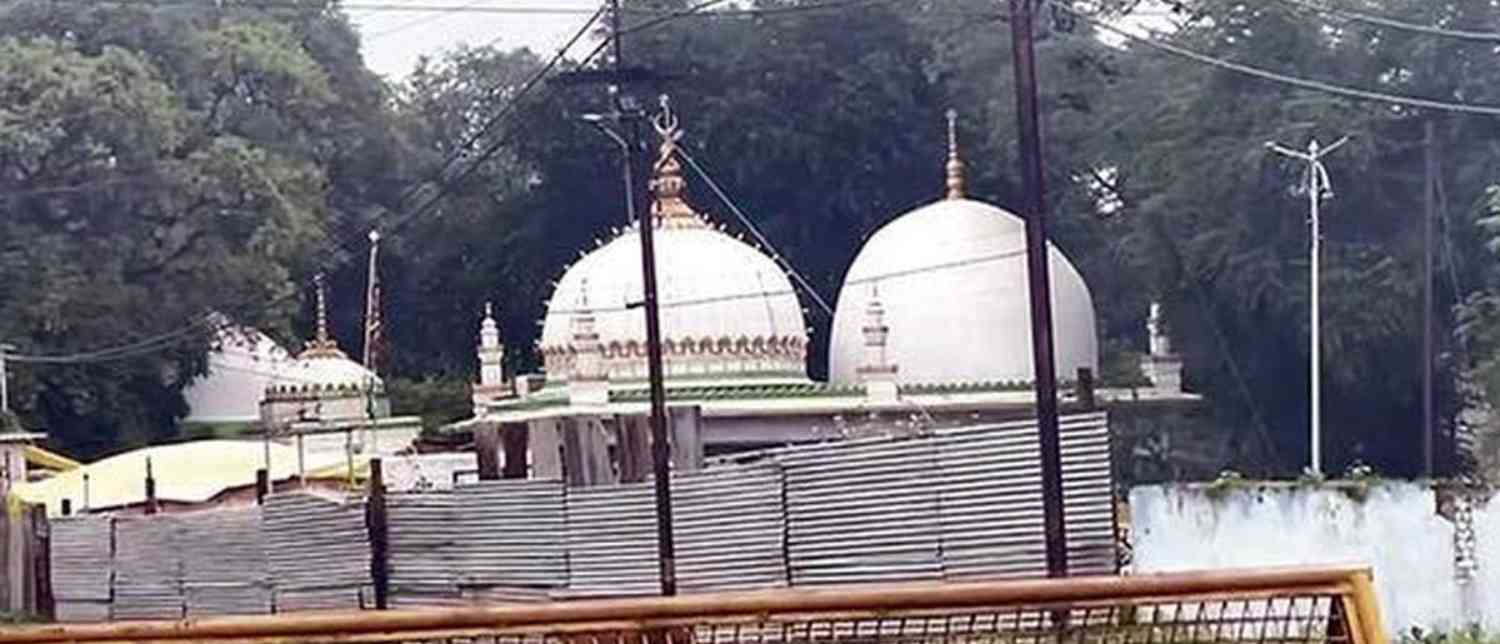
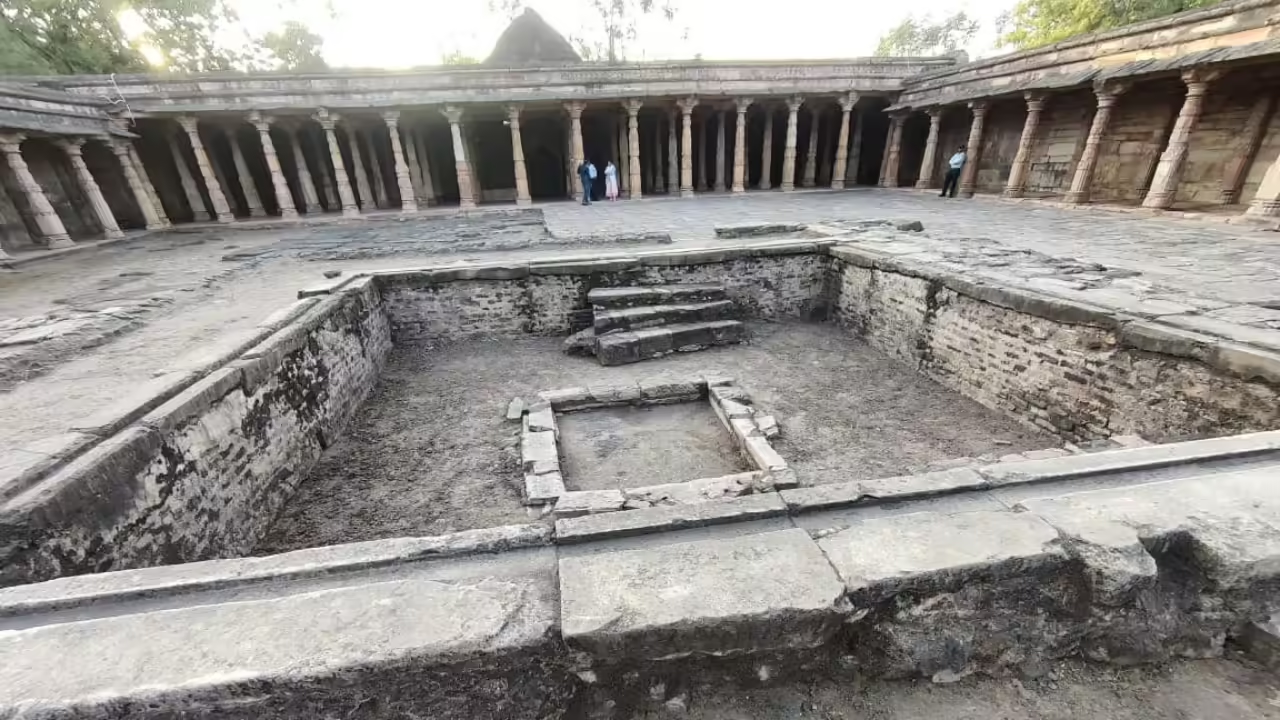
In a landmark judgment with major historical, religious and political implications, the Indore Bench of the Madhya Pradesh High Court has declared the disputed Bhojshala-Kamal Maula complex in Dhar as a temple dedicated to Goddess Vagdevi, also worshipped as Goddess Saraswati. The court also quashed a 2003 arrangement that had permitted Muslims to offer Friday namaz at the site under the supervision of the Archaeological Survey of India.
The verdict, delivered by a bench comprising Justices Vijay Kumar Shukla and Alok Awasthi, brings a significant development in a decades-old dispute over the religious character of the Bhojshala complex in Madhya Pradesh’s Dhar district. The court ruled in favour of Hindu petitioners, observing that the continuity of Hindu worship at the site had “never been extinguished.”
What the High Court Said
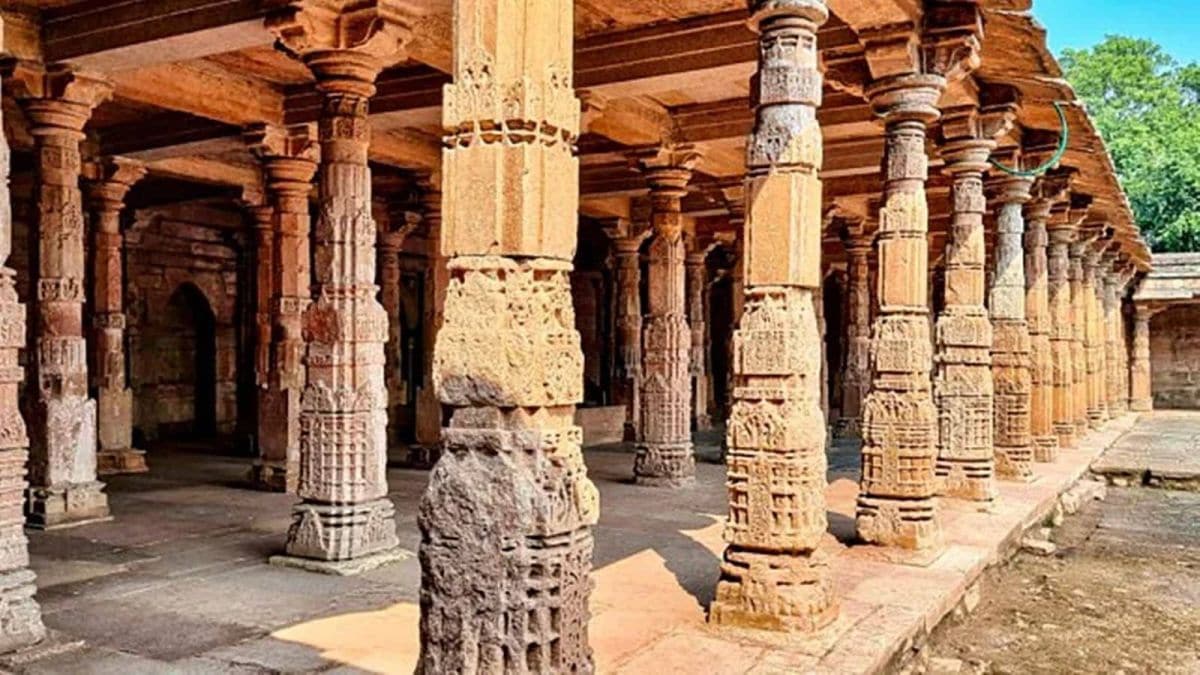
The High Court held that historical records, literature, inscriptions and archaeological findings establish Bhojshala as a centre of Sanskrit learning associated with Raja Bhoj of the Parmar dynasty and as a temple dedicated to Goddess Saraswati. The court observed:
“We have noted continuity of Hindu worship at the site here has never been extinguished.”
It further stated that historical literature and material evidence support the conclusion that the disputed area was originally Bhojshala, a renowned educational and religious centre linked to Raja Bhoj.
The court declared that Hindus have the right to worship at the site, while the ASI will continue to supervise preservation and conservation activities at the monument. The judges also advised the Muslim community to seek alternate land from the state government for construction of a mosque.
End of the 2003 ASI Arrangement
One of the most consequential parts of the ruling was the cancellation of the ASI’s 2003 order that allowed a shared-use arrangement at the site. Under that system, Hindus were permitted to perform puja on Tuesdays while Muslims offered namaz on Fridays.
The Hindu petitioners had challenged this arrangement, seeking exclusive worship rights and arguing that the complex was fundamentally a Hindu temple. The High Court ultimately sided with this argument and quashed the order permitting Friday namaz.
Historical Background of Bhojshala
Bhojshala has long remained one of central India’s most sensitive religious disputes. Hindus consider the site a temple dedicated to Goddess Saraswati or Vagdevi, established during the reign of Raja Bhoj, the celebrated scholar-king of the Parmar dynasty who ruled between approximately 1010 and 1055 AD.
The structure is also historically associated with Sanskrit learning and intellectual pursuits. According to the Hindu side, Bhojshala functioned as a major educational institution where scholars gathered under royal patronage.
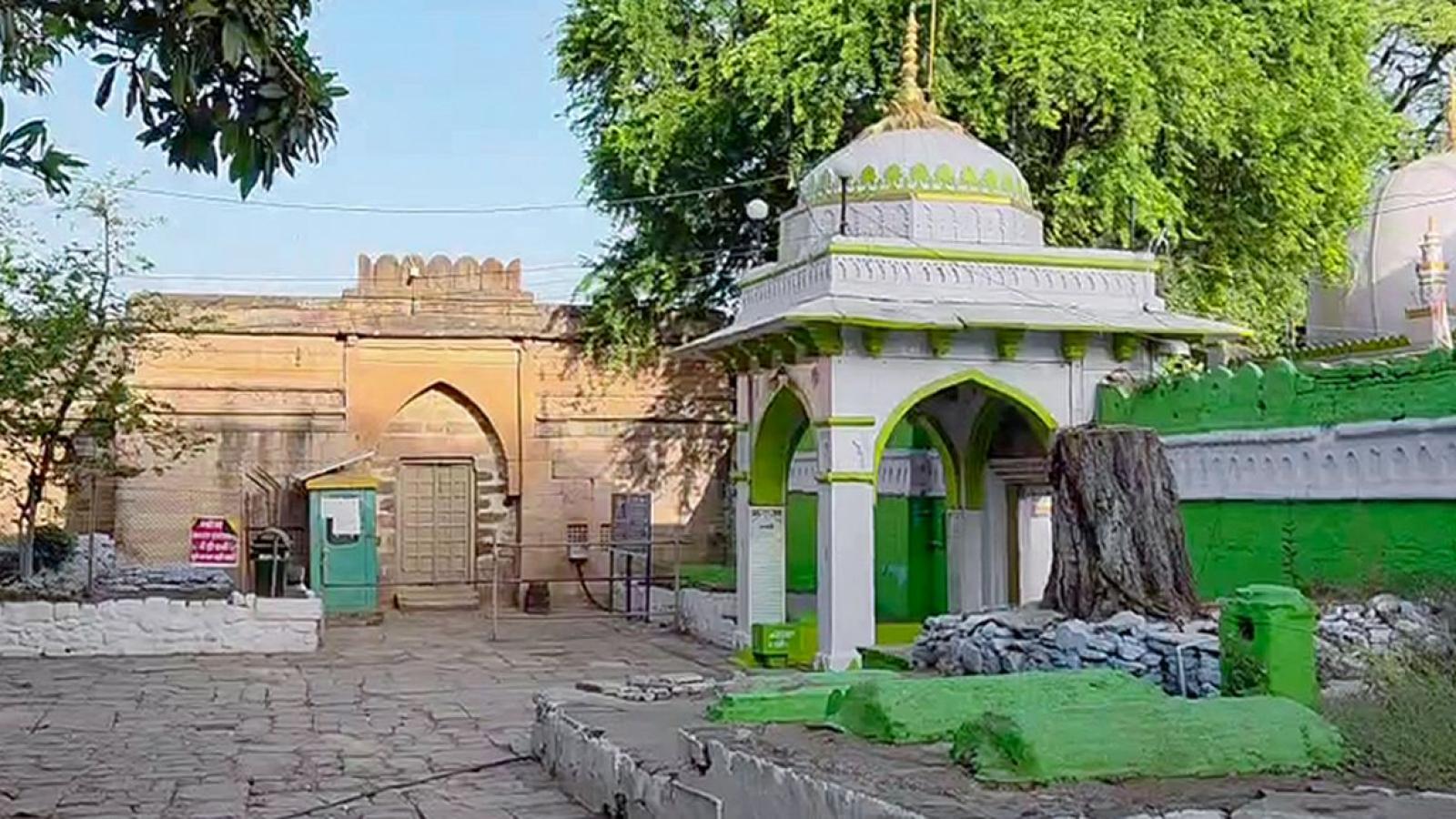
On the other hand, the Muslim side maintained that the site had functioned as the Kamal Maula Mosque for centuries and argued that historical records from the Khilji period do not conclusively mention the destruction of a Saraswati temple.
The dispute intensified over the years due to competing claims over worship rights and ownership.
ASI Survey and Archaeological Findings
A major turning point in the case came in March 2024 when the High Court ordered a scientific survey of the Bhojshala-Kamal Maula complex by the ASI. The survey began on March 22, 2024, and continued for 98 days.
The ASI later submitted a report exceeding 2,000 pages. According to the findings cited in court, a massive structure predating the mosque existed at the site during the rule of the Parmar kings. The report also indicated that portions of the present structure appeared to have been constructed using repurposed temple components.
The Hindu side argued that sculptures, inscriptions and coins recovered during the survey reinforced the claim that the site was originally a temple.
However, the Muslim side strongly disputed the ASI report, calling it “biased” and alleging that it was prepared to support the Hindu petitioners’ claims. Senior advocate Salman Khurshid, appearing for the Maulana Kamaluddin Welfare Society, argued before the court that there was no definitive proof that a temple had been demolished to construct the mosque.
Jain Community’s Intervention
The case also saw intervention from representatives of the Jain community. They argued that the idol presently housed in the British Museum and often linked to Bhojshala actually represented the Jain goddess Ambika. They further claimed that architectural features of the site resembled Jain temples in Mount Abu.
The court nevertheless accepted the broader Hindu claim regarding the religious identity of the site.
Saraswati Idol in British Museum
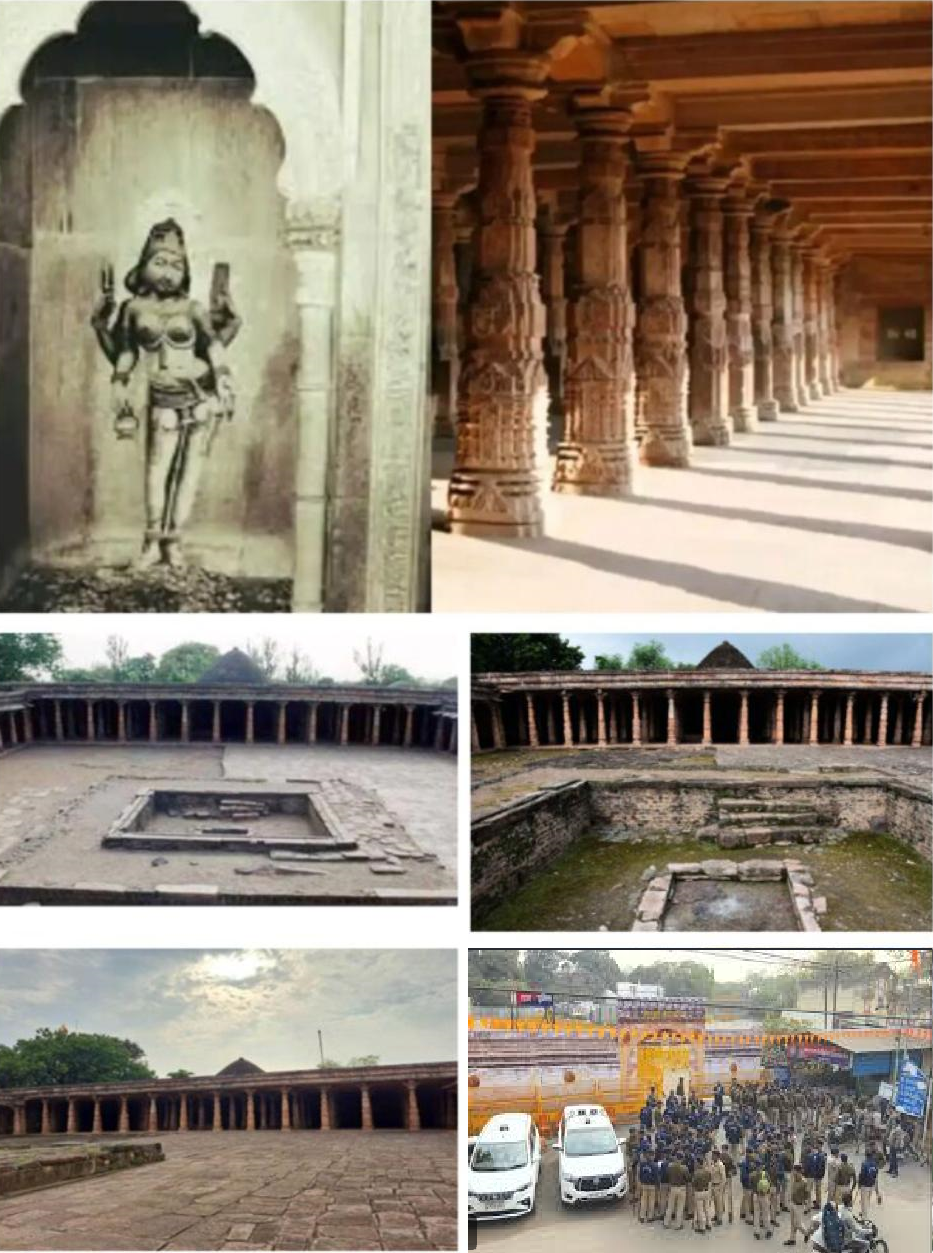
An important aspect of the judgment relates to the ancient idol of Goddess Saraswati currently housed in the British Museum. The High Court directed the government to formally consider efforts to bring the idol back to India and reinstall it at Bhojshala.
The court noted that petitioners had repeatedly submitted representations seeking repatriation of the idol. According to Hindu groups, the statue originally stood inside Bhojshala during Raja Bhoj’s reign.
However, opposing counsel cited earlier correspondence from British authorities claiming the sculpture may not actually belong to Bhojshala and may instead depict a Jain deity from another region.
Legal Proceedings and Supreme Court Involvement
The litigation involved multiple petitions, including those filed by Hindu Front for Justice, Maulana Kamaluddin Welfare Society and other parties.
The proceedings also reached the Supreme Court of India at different stages. The apex court had temporarily stayed aspects of the survey process before later allowing a time-bound mechanism for unsealing the ASI report and hearing objections from all parties.
The state and central governments argued that the 1935 “Ailan” permitting Muslim prayers lacked legal standing because the site had already been protected under the Ancient Monument Preservation Act of 1904 and later came under the Ancient Monuments and Archaeological Sites and Remains Act of 1958.
Celebrations and Security Measures
Following the verdict, celebrations erupted across Dhar district. Hindu groups distributed sweets, raised slogans in praise of Goddess Saraswati and hailed the ruling as historic. Authorities deployed heavy security around the Bhojshala complex to prevent any communal tension or unrest.
The ruling immediately triggered sharp reactions from different sections of society and across social media platforms, where debates intensified over the legal, religious and historical implications of the judgment.
Muslim Side to Challenge Verdict
Soon after the judgment, the Maulana Kamaluddin Welfare Society announced that it would challenge the High Court order before the Supreme Court. Society president Abdul Samad said the legal battle was far from over.
Meanwhile, organisations such as Jamiat Ulama-i-Hind criticised the verdict and linked it to broader concerns regarding judicial interpretation in religious disputes after the Ayodhya judgment.
Why the Verdict Matters
The Bhojshala ruling is being seen as one of the most significant religious-site judgments after the Ayodhya dispute. Apart from determining worship rights at a sensitive ASI-protected monument, the judgment also revives debates around archaeology, historical memory, religious coexistence and the interpretation of protected monuments under Indian law.
With the Muslim side preparing to move the Supreme Court, the Bhojshala dispute is expected to remain at the centre of national legal and political discourse in the coming months.
With inputs from agencies
Image Source: Multiple agencies
© Copyright 2026. All Rights Reserved. Powered by Vygr Media.