 By

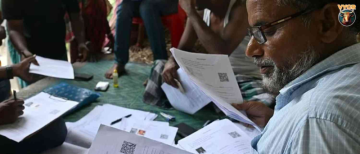
The Supreme Court has questioned whether the Election Commission of India (ECI) applied its mind while excluding 47.57 lakh voters from Delhi’s draft electoral roll during the Special Intensive Revision (SIR) exercise. The court raised concerns over the procedure for restoring the names of voters who may have been excluded from the electoral list.
During the proceedings, the court examined the requirement for shifted voters to submit Form 6, which is generally used by eligible individuals to apply for inclusion in the electoral roll as new electors. The requirement has raised questions about the ease of restoring the names of existing voters whose entries were excluded during the revision process.
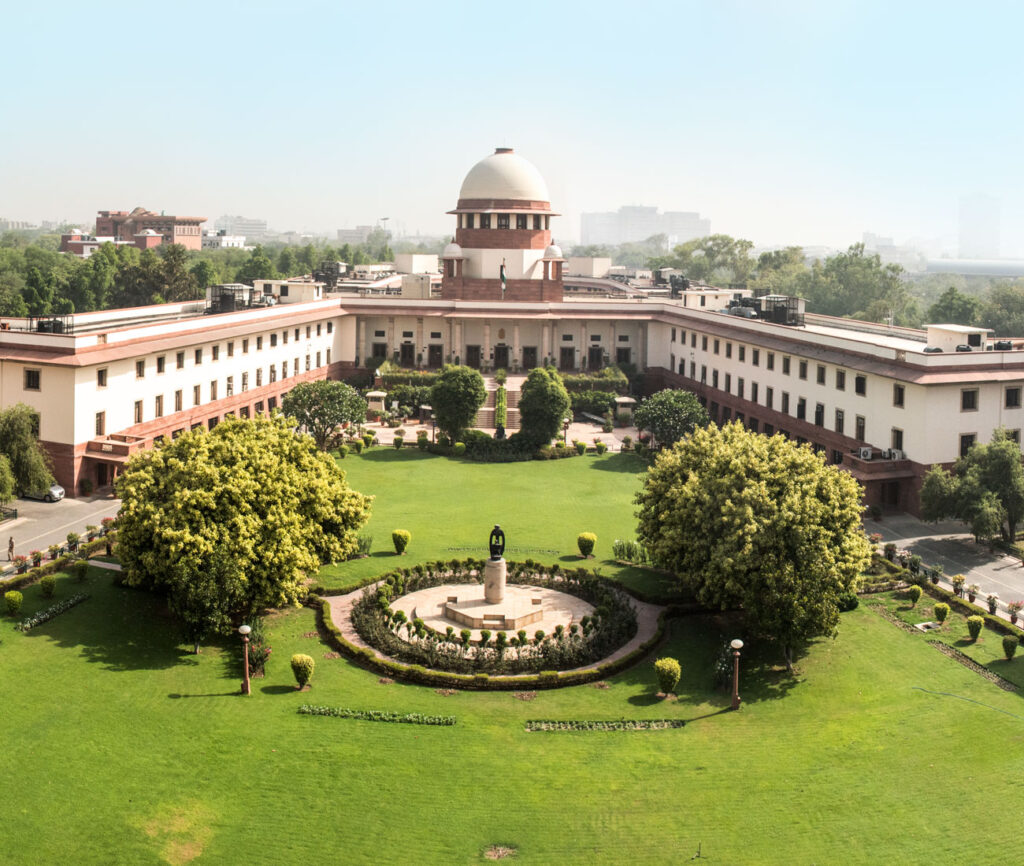
Supreme Court Raises Concerns Over Delhi SIR Voter Deletions
The Supreme Court questioned whether the Election Commission had adequately examined the circumstances before excluding such a large number of voters from Delhi’s draft electoral roll.
The deletion of 47.57 lakh names has brought the voter verification process and the safeguards available to affected electors under scrutiny. The court’s questions highlight the importance of ensuring that eligible citizens are not left out of electoral rolls because of procedural difficulties.
The proceedings also focused on the process that voters must follow if their names have been omitted from the draft list, particularly when they have shifted their residence.
Why Has Form 6 Become a Key Issue?
Form 6 is used by eligible individuals to apply for inclusion in the electoral roll as new voters. However, requiring people whose names were previously included in an electoral roll to follow a new-elector application process has raised concerns about accessibility and procedural convenience.
The Supreme Court asked the Election Commission to consider easing the process for restoring the names of affected voters. Simplifying the procedure could help eligible electors seek inclusion without facing unnecessary administrative hurdles.
The issue is particularly significant for people who have changed their place of residence but remain eligible to vote.
What Does the Court's Intervention Mean for Voters?
The Supreme Court’s observations put the focus on the Election Commission’s responsibility to maintain accurate electoral rolls while protecting the voting rights of eligible citizens.
The case also highlights the need for a clear and accessible mechanism through which voters can verify their details, identify omissions and seek corrections or inclusion in the electoral list.
However, the court’s questions should not be interpreted as a final ruling on the legality of all the deletions. The outcome will depend on the proceedings and any directions issued by the court.
Conclusion
The Supreme Court’s scrutiny of the deletion of 47.57 lakh names from Delhi’s draft electoral roll has renewed attention on the Election Commission’s SIR exercise and the process for restoring excluded voters’ names. Its concerns over Form 6 and the need to simplify the restoration procedure underscore the importance of transparency, due process, and accessible voter registration.
As the matter progresses, the key question remains whether the electoral revision process adequately protects eligible voters while ensuring the accuracy of the electoral rolls.
© Copyright 2026. All Rights Reserved. Powered by Vygr Media.