 By
By 
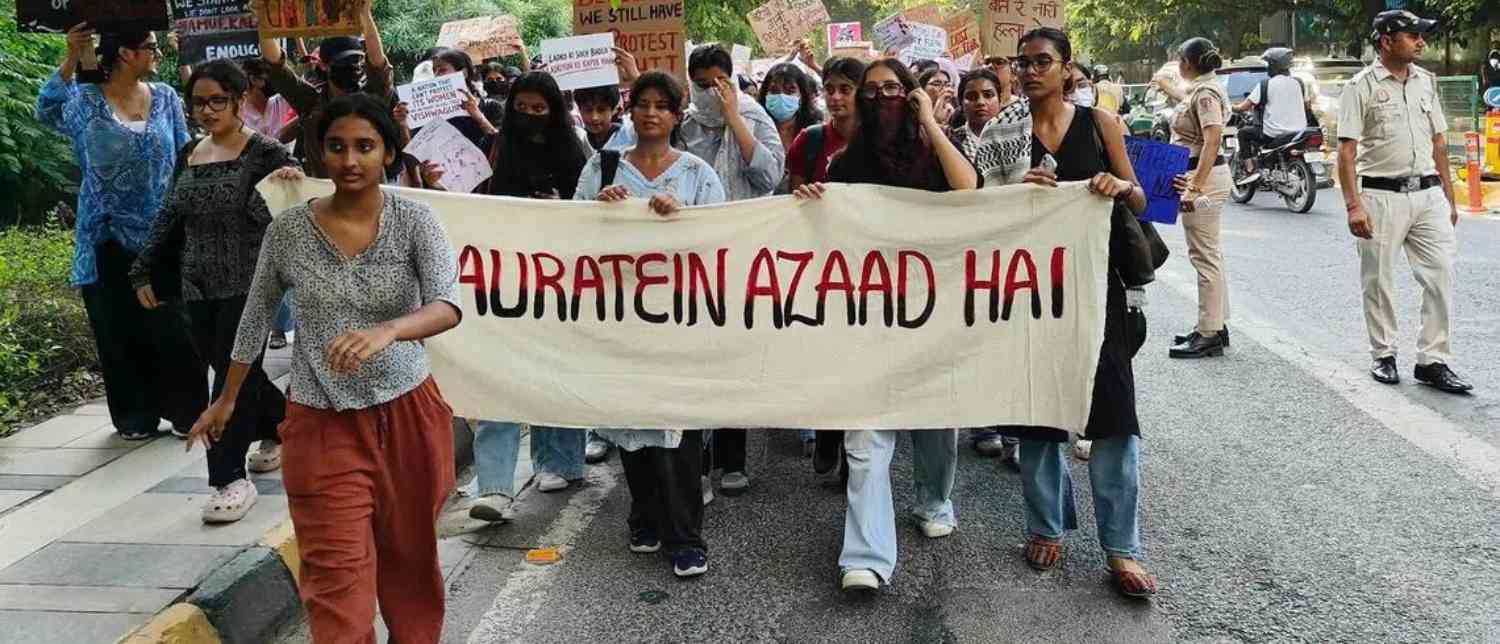
The Supreme Court on Monday, October 5, delivered a strong message to the Delhi Police over the rising concerns surrounding crimes against women in the national capital and the wider Delhi-NCR region. During a hearing on recent rape and sexual assault cases, the court called for tougher, more proactive policing and said authorities must create a strong deterrent among those who may be inclined to commit such offences.
The two-judge bench of Justices JB Pardiwala and K Vinod Chandran stressed that preventing crime should be the priority rather than simply arresting an accused after an offence has already taken place. The court also urged the police to strengthen ground-level surveillance, patrolling and monitoring in vulnerable areas across Delhi.
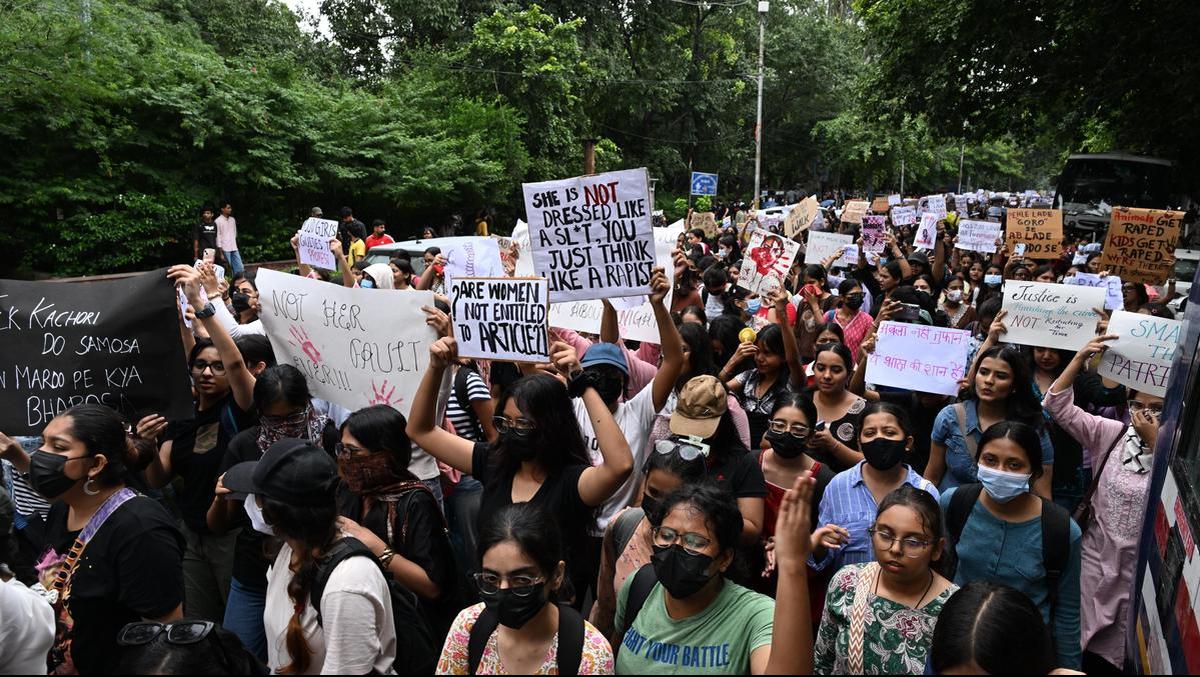
The remarks came against the backdrop of a series of disturbing alleged sexual assault cases involving women and minors in Delhi-NCR. The Supreme Court had taken suo motu cognisance of the issue on September 28, raising concerns about the ability of law enforcement agencies to prevent such crimes and protect vulnerable people.
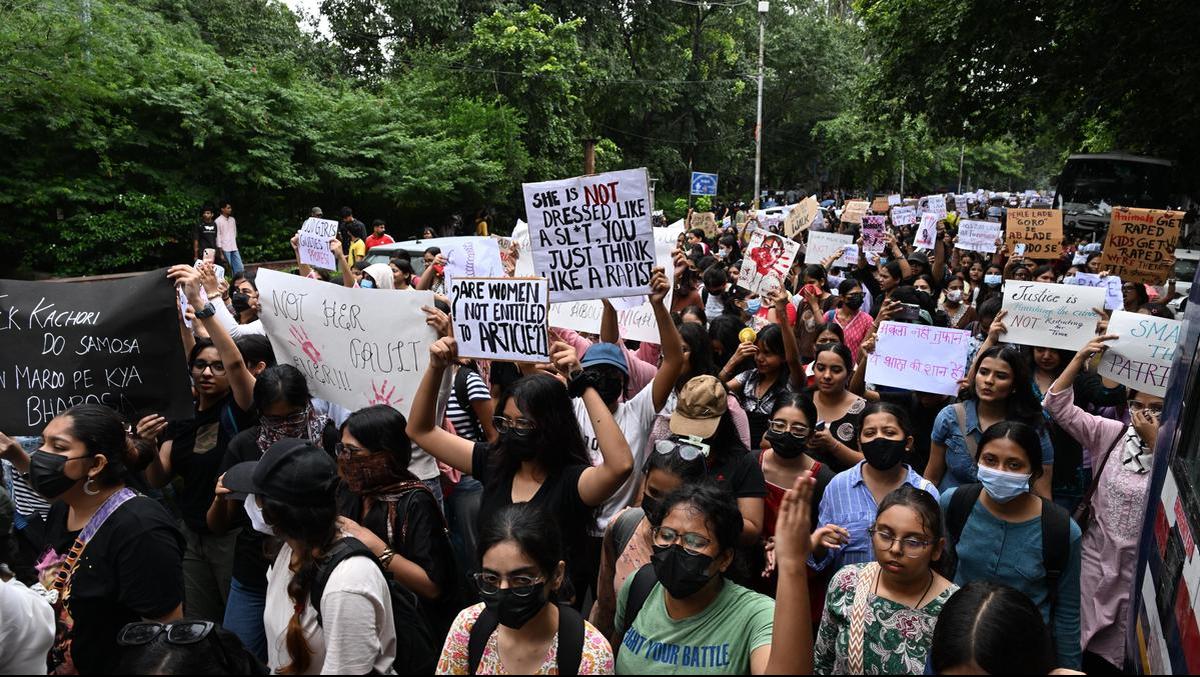
Supreme Court: Delhi Police Must Create Fear Among Potential Offenders
During Monday's hearing, the Supreme Court made it clear that the Delhi Police needs to adopt a more forceful preventive approach when dealing with people who are prone to committing crimes against women.
The bench said potential offenders must believe that committing such crimes would result in serious consequences. In particularly strong remarks, the court said there must be enough fear among anti-social elements to discourage them from committing offences in the first place.
The court also told police officers not to hesitate to be stricter when circumstances require it. At the same time, the bench referred to concerns that could arise around Article 21 of the Constitution, which protects the right to life and personal liberty, and stressed that the police must nevertheless perform their duty effectively.
The broader message was clear: law enforcement cannot remain reactive. The police response must be strong enough to prevent crimes before they occur.
'Prevent Crime, Don't Just Act After It Happens'
One of the central concerns raised by the Supreme Court was the difference between responding to a crime and preventing it.
The bench questioned whether simply arresting offenders after a rape or sexual assault can be considered an adequate response. According to the court, the real objective of policing should be to identify risks, monitor vulnerable locations and intervene before a serious crime takes place.
The court emphasised that women in Delhi should be able to move around the city without fear, including late at night. Safety, it said, cannot depend on the time of day or the mode of transport being used.
This places a much greater responsibility on the Delhi Police to identify areas where women and girls may be particularly vulnerable and ensure that officers are actively present there.
Beat Patrolling Under Supreme Court Lens
The Supreme Court also highlighted the importance of beat patrolling and questioned whether police vehicles were spending too much time parked at fixed locations instead of continuously moving through their assigned areas.
The court's concern was that a police presence is useful only when it translates into active surveillance and the ability to respond quickly. Simply having a police vehicle visible at one location may not be enough to deter offenders operating elsewhere.
The court therefore stressed the need for stronger policing on the ground, particularly around locations where women, children and students could face greater risks.
Areas specifically highlighted during the proceedings included:
-
Bus stops
-
Metro stations
-
Railway stations
-
Schools
-
Colleges
-
Parks
-
Vulnerable neighbourhoods
-
Areas around North Campus and South Campus
The focus is intended to be preventive rather than merely investigative.
CCTV Cameras: Installation Alone Is Not Enough
Another major issue raised during the hearing was the use of CCTV cameras in vulnerable areas.
The Supreme Court questioned whether CCTV footage is being continuously monitored or merely recorded for use after a crime occurs. The bench stressed that surveillance technology should also help prevent offences.
The court discussed the need for a mechanism capable of monitoring vulnerable areas continuously, including the possibility of a dedicated 24-hour monitoring cell.
This distinction is significant. A CCTV camera can potentially help investigators identify suspects after an incident, but active monitoring could allow authorities to detect suspicious activity and intervene earlier.
The court also sought information regarding lighting, CCTV coverage and security arrangements at vulnerable locations, including parks.
Dark Spots and Poor Lighting Also Raise Safety Concerns
The Supreme Court's focus was not limited to police personnel and surveillance equipment. It also drew attention to basic infrastructure that can influence public safety.
Poorly lit roads, isolated stretches and dark areas can create vulnerable pockets where offenders may operate with less risk of being detected.
The court asked authorities to identify such locations and take corrective measures, particularly where women and children regularly travel or gather.
The message effectively broadens the responsibility for women's safety beyond arrests and criminal investigations. Lighting, surveillance, mobility, public cooperation and local policing all form part of the preventive strategy.
Focus on Colleges and Harassment of Female Students
The Supreme Court also asked the Delhi Police to pay greater attention to educational institutions and areas surrounding colleges.
The bench referred to complaints about hooligans harassing female students and indicated that such behaviour should not be dismissed as minor or isolated incidents. Persistent harassment in public spaces can contribute to an environment in which more serious crimes become possible.
North Campus and South Campus were among the areas specifically mentioned during the proceedings.
The court's approach suggests that preventing crimes against women also requires action against the early signs of intimidation, harassment and anti-social behaviour rather than waiting until those situations escalate into serious offences.
Illegal Eateries and Liquor Consumption Also Flagged
The Supreme Court also raised concerns about unauthorised eateries where anti-social elements may gather and consume alcohol.
The court asked the police to examine such locations as part of a wider strategy to identify places where criminal activity or harassment could develop.
The reference to alcohol consumption was made in the context of previous serious crimes and the need to identify circumstances and locations that may require greater police attention.
The emphasis, however, was broader than shutting down individual establishments. The court's concern was whether police were identifying recurring trouble spots and taking preventive action before an incident occurred.
Recent Delhi-NCR Rape Cases Triggered Supreme Court Intervention
The Supreme Court's latest observations come after a series of alleged sexual crimes in Delhi-NCR.
The court had taken suo motu cognisance on September 28 following reports of serious crimes against women and minors. Among the cases that drew the court's attention was the alleged gang rape of a 17-year-old girl at Aastha Kunj Park in Delhi.
The court also took note of an alleged gang rape and murder involving a teenage girl in the Swaroop Nagar area and the alleged sexual assault of a minor inside a moving sleeper bus travelling from Greater Noida towards Delhi. Reports placed the bus journey at more than 47 kilometres before law enforcement agencies were able to intervene.
The incidents have intensified questions over women's safety in Delhi and the effectiveness of existing preventive policing mechanisms.
In the Aastha Kunj case, the court also questioned the police over whether warnings about the alleged offenders had been received and what preventive measures had been taken.
Supreme Court Links Women's Safety to Article 21
The proceedings have also brought renewed attention to Article 21 of the Constitution.
The right to life and personal liberty has been interpreted to include the right to live with dignity. The court has previously emphasised that living free from the fear of violence is an important part of that constitutional protection.
That makes women's safety more than simply a law-and-order issue. It is also connected to citizens' fundamental right to live without fear.
The Supreme Court's message to the Delhi Police was therefore not merely about increasing arrests. It was about creating conditions in which women can travel, study, work and move around the capital without constantly assessing whether an area or time of day is unsafe.
Festive Season Brings Additional Police Responsibility
The court also cautioned authorities about the upcoming festive season, including Durga Puja and Diwali.
With large crowds, extended operating hours and increased movement across the city during festivals, police visibility and surveillance become particularly important.
The Supreme Court called for greater vigilance during this period and warned that anti-social elements could become more active during the festive season.
This means the Delhi Police will face pressure to demonstrate that preventive measures are working not just on paper but on the streets.
Supreme Court's Message: Police Must Restore Public Confidence
Beyond tougher action against offenders, the Supreme Court also highlighted another crucial issue: public confidence in the police.
The bench said people should not be afraid to approach police officers. Instead, citizens should feel confident enough to report suspicious activity, harassment and other concerns before they develop into serious crimes.
That requires more than arrests. It requires police officers to listen to residents, respond to complaints and demonstrate that reports about vulnerable locations are taken seriously.
For women and girls, this could be particularly important. A poorly lit road, repeated harassment outside a college or the presence of known troublemakers may appear insignificant when viewed separately. But timely police intervention can potentially stop such warning signs from becoming something far more serious.
A Bigger Test for Delhi Police
The Supreme Court has now put preventive policing firmly at the centre of the discussion around Delhi women's safety.
The challenge for the Delhi Police will be turning the court's observations into visible action: mobile beat patrols, functioning CCTV systems, continuous surveillance, better lighting, monitoring of vulnerable locations, attention to harassment around colleges and rapid responses to public complaints.
The court's intervention also sends a broader message about accountability. Arresting an accused after a crime is necessary, but it does not undo the harm suffered by a victim. Preventing the crime in the first place remains the stronger measure.
As Delhi-NCR continues to grapple with concerns over rape cases and crimes against women, the Supreme Court has demanded a shift from reactive policing to prevention. Whether that shift produces safer streets will ultimately depend not on statements or paperwork, but on what happens on the ground.
For millions of women and girls living, studying, working and travelling across Delhi-NCR, that is the outcome that matters most.
© Copyright 2026. All Rights Reserved. Powered by Vygr Media.