 By
By 
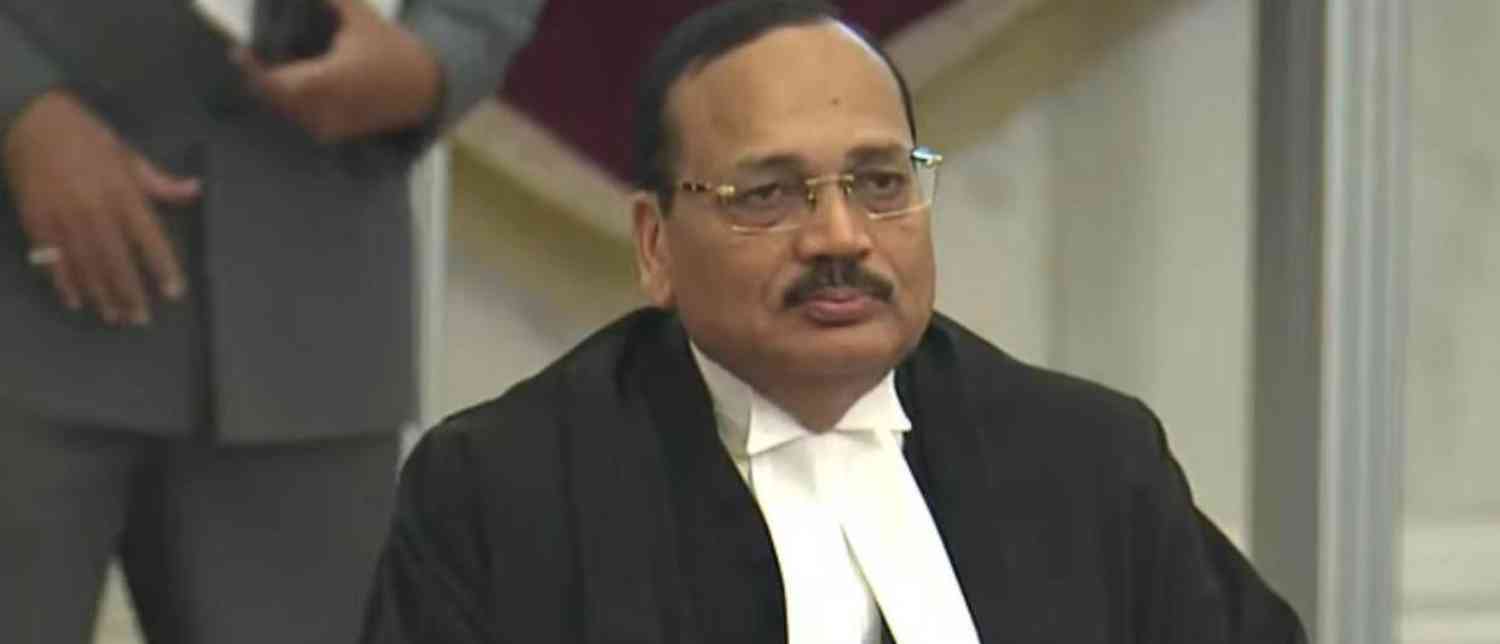
A sharp exchange inside the Supreme Court this week has triggered a nationwide debate after Chief Justice of India Surya Kant made controversial remarks comparing some unemployed youth and self-styled activists to “cockroaches” and “parasites” while hearing a case linked to the designation of a lawyer as a senior advocate.
The remarks came during proceedings before a bench led by the CJI and Justice Joymalya Bagchi, where the court was hearing a petition filed by a lawyer challenging the Delhi High Court’s refusal to grant him senior advocate designation and questioning the process used for such appointments.
During the hearing, the bench expressed serious displeasure over the petitioner’s conduct, including his alleged social media activity and public comments. The courtroom exchange soon widened into a broader criticism of what the Chief Justice described as individuals who fail to establish themselves professionally and then turn to activism, social media commentary or litigation-driven campaigns targeting institutions.
According to reports, the CJI said there were “youngsters like cockroaches” who could not secure employment in the legal profession and then became “media persons,” “social media users,” or “RTI activists,” eventually “attacking everyone.”
The comments quickly drew attention online due to the unusually strong language used by the country’s highest judicial office. Social media platforms saw intense reactions, with supporters arguing that the CJI was speaking against frivolous activism and professional misconduct, while critics questioned whether the remarks unfairly targeted unemployed youth and activists.
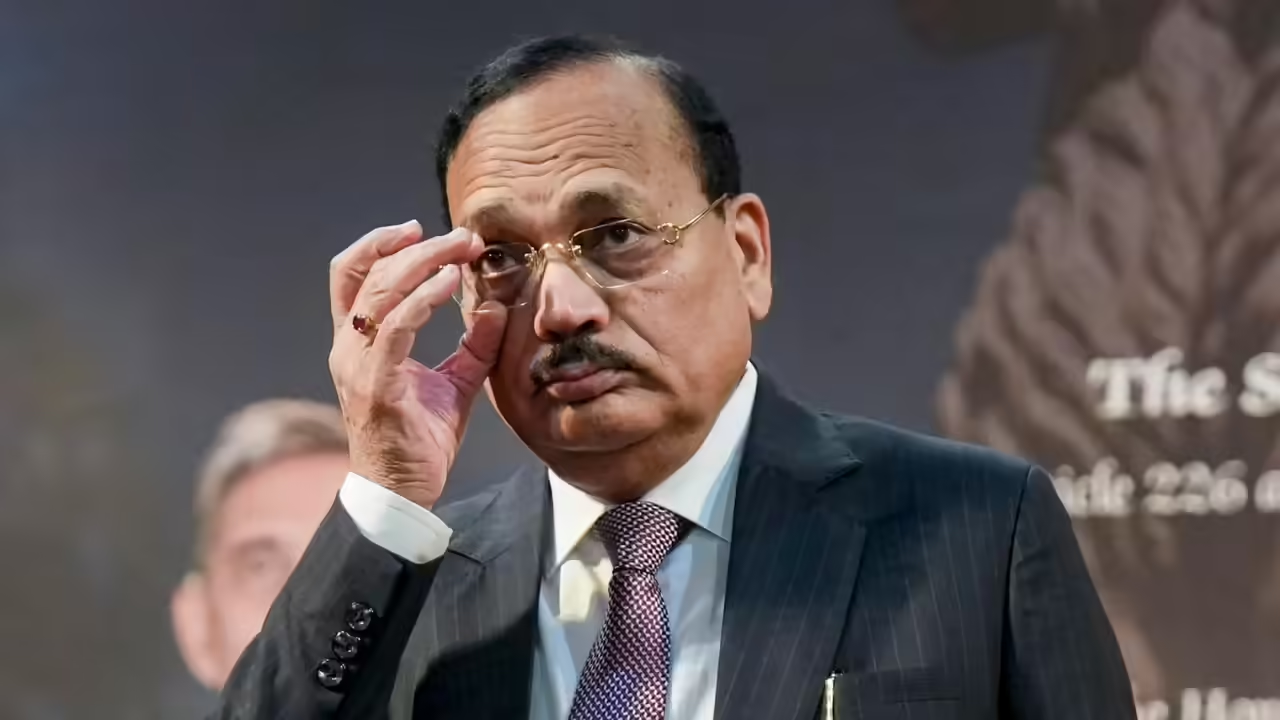
Supreme Court’s Sharp Rebuke to Petitioner Lawyer
The controversy emerged from a hearing involving a lawyer seeking designation as a senior advocate. During arguments, the Supreme Court appeared unconvinced by the petitioner’s conduct and credentials.
At one point, the bench reportedly told the lawyer, “The entire world may be eligible to become senior advocate, but at least you are not entitled.”
The Chief Justice further warned that even if the Delhi High Court granted the designation, the Supreme Court could set it aside because of concerns regarding professional conduct.
Courtroom observations indicated that the judges were particularly disturbed by the petitioner’s online presence and comments allegedly posted on platforms such as Facebook and YouTube. The bench stated that judges closely monitor such public behaviour and that digital conduct reflects on the integrity and suitability of legal professionals.
“We see what they post on YouTube and Facebook,” the Chief Justice said during the hearing while questioning the petitioner’s behaviour and qualifications.
Concerns Over ‘Fake Degree’ Lawyers
The hearing also opened up another major concern raised by the Supreme Court, the alleged presence of lawyers with doubtful or fake educational qualifications.
The bench observed that there appeared to be “thousands in black robes with doubtful degrees,” raising concerns about the credibility and regulation of legal education in the country.
The court indicated that the issue may require investigation by the Central Bureau of Investigation (CBI), signalling the seriousness with which the judiciary views the matter.
The Chief Justice questioned how individuals with allegedly questionable qualifications were entering the legal profession and participating in litigation while simultaneously building online influence through social media and video platforms.
The court’s observations also reflected broader institutional anxiety regarding the growing influence of social media commentary surrounding judicial proceedings and the rise of individuals who use digital platforms to target judges, courts and constitutional institutions.
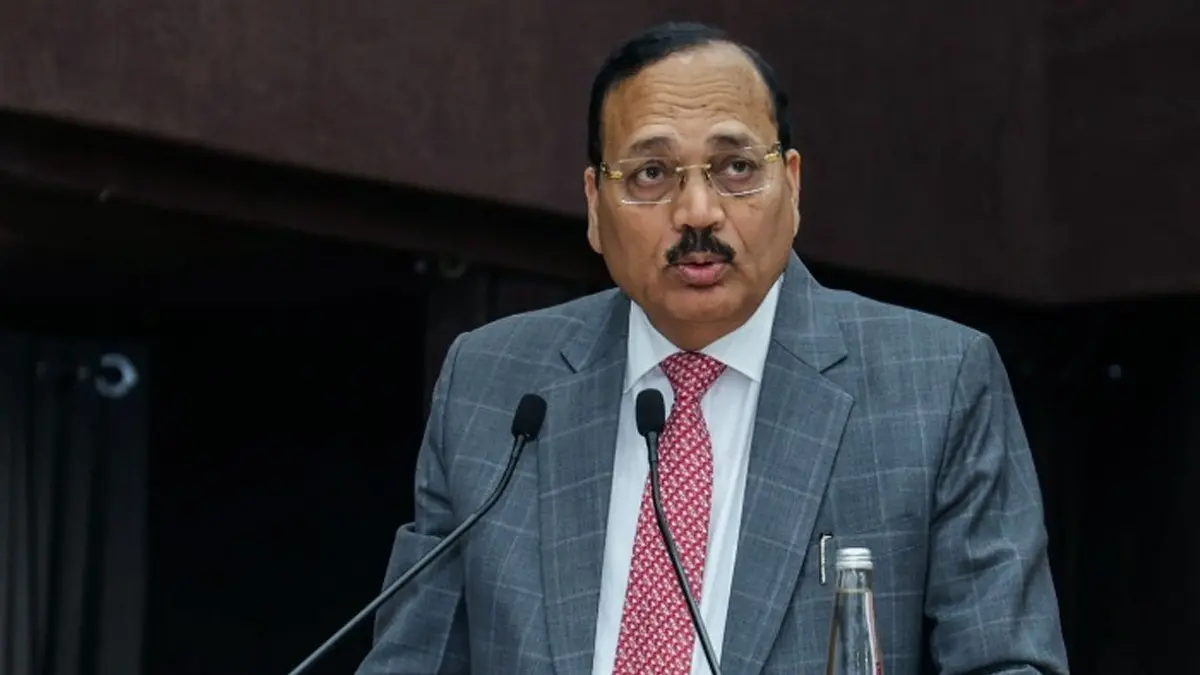
‘Parasites Attacking the System’
The hearing became more heated when the bench referred to certain elements as “parasites” attempting to weaken the system. According to reports, the Chief Justice asked the petitioner whether he wished to join what the court called a “parasite club.”
The court suggested that some individuals use activism, media appearances and online platforms not to strengthen democratic accountability but to undermine institutions and attract attention.
The remarks appeared to reflect growing judicial frustration over misinformation campaigns, online trolling and repeated attacks on courts and judges through social media channels.
Earlier this month as well, the Chief Justice had publicly condemned a fake casteist quote falsely attributed to him on social media, calling it “vile,” “mischievous,” and harmful to public trust in constitutional institutions.
That episode, combined with the latest remarks in court, points to increasing concern within the judiciary about misinformation, digital manipulation and the reputational impact of unverified content circulating online.
Senior Advocate Designation Under Scrutiny
The case also reignited discussion around the process of granting senior advocate designation in Indian courts.
Senior advocate status is considered one of the highest recognitions in the legal profession and is awarded to advocates with exceptional ability, standing and experience. The Supreme Court indicated during the hearing that the designation is not something lawyers should aggressively lobby for or treat as an entitlement.
The bench stressed that professional ethics, courtroom behaviour and public conduct remain central to such recognition.
The observations also highlighted judicial discomfort with what some judges perceive as increasing self-promotion by lawyers through social media platforms.
Reactions and Wider Debate
The CJI’s remarks rapidly spread across television debates and social media, with many legal commentators divided over the language used in court.
Some legal experts argued that the judiciary was justified in expressing concern over declining professional standards, fake degrees and social media sensationalism within the legal ecosystem. Others, however, questioned whether comparing unemployed youth to “cockroaches” crossed the line and risked alienating young professionals struggling with limited opportunities.
The remarks also triggered conversations about unemployment in the legal profession, especially among fresh law graduates competing in an increasingly crowded field. Several observers noted that many young lawyers face years of financial instability before establishing independent practice.
At the same time, the court’s concerns about fake degrees and questionable legal credentials drew support from sections of the bar who have long demanded stricter regulation of legal education and enrollment practices.
Judiciary’s Growing Focus on Digital Conduct
The episode also underscores the judiciary’s evolving approach toward social media behaviour by lawyers and litigants.
Courts in recent years have increasingly flagged online campaigns targeting judges, viral misinformation and public commentary that could influence legal proceedings. The Supreme Court’s latest observations suggest that judges are now paying close attention to how lawyers conduct themselves online.
The bench’s repeated references to YouTube, Facebook and social media activism indicate that digital conduct may increasingly become a factor in evaluating professional reputation and ethical standing within the legal profession.
While the courtroom remarks were not part of a formal judicial order, they have nevertheless sparked a broader public conversation about institutional criticism, professional ethics, online activism and the pressures faced by unemployed youth in India’s competitive legal and media landscape.
With inputs from agencies
Image Source: Multiple agencies
© Copyright 2026. All Rights Reserved. Powered by Vygr Media.