
 By
By 
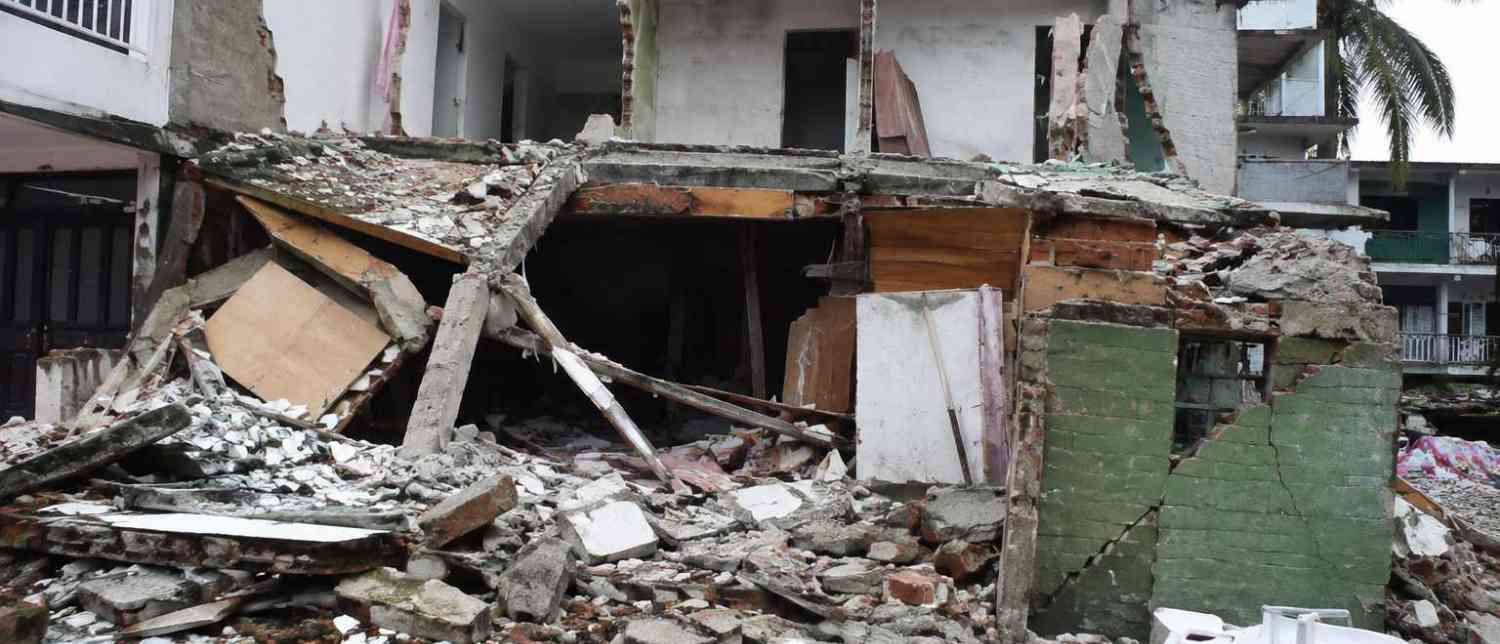
A powerful 7.4-magnitude earthquake struck western Colombia on Monday, killing at least 77 people, damaging buildings across several cities and leaving residents trapped beneath rubble as rescue teams raced to search collapsed structures.
The earthquake struck at around 7:34 am local time, with the epicentre located near San Jose del Palmar in the Choco department, according to the US Geological Survey (USGS). The quake occurred at a depth of approximately 107 kilometres and was felt across large parts of Colombia, including the capital Bogota. Tremors were also reported in neighbouring Venezuela and Ecuador.
The death toll rose rapidly as authorities assessed the scale of the destruction. Earlier reports had put the number of fatalities at 47, but the latest update from local officials raised it to at least 77. Risaralda province alone reported 42 deaths, while casualties were also recorded in Pereira, Manizales and Buenaventura. Authorities warned that the toll could rise further as emergency crews reach damaged and inaccessible areas.
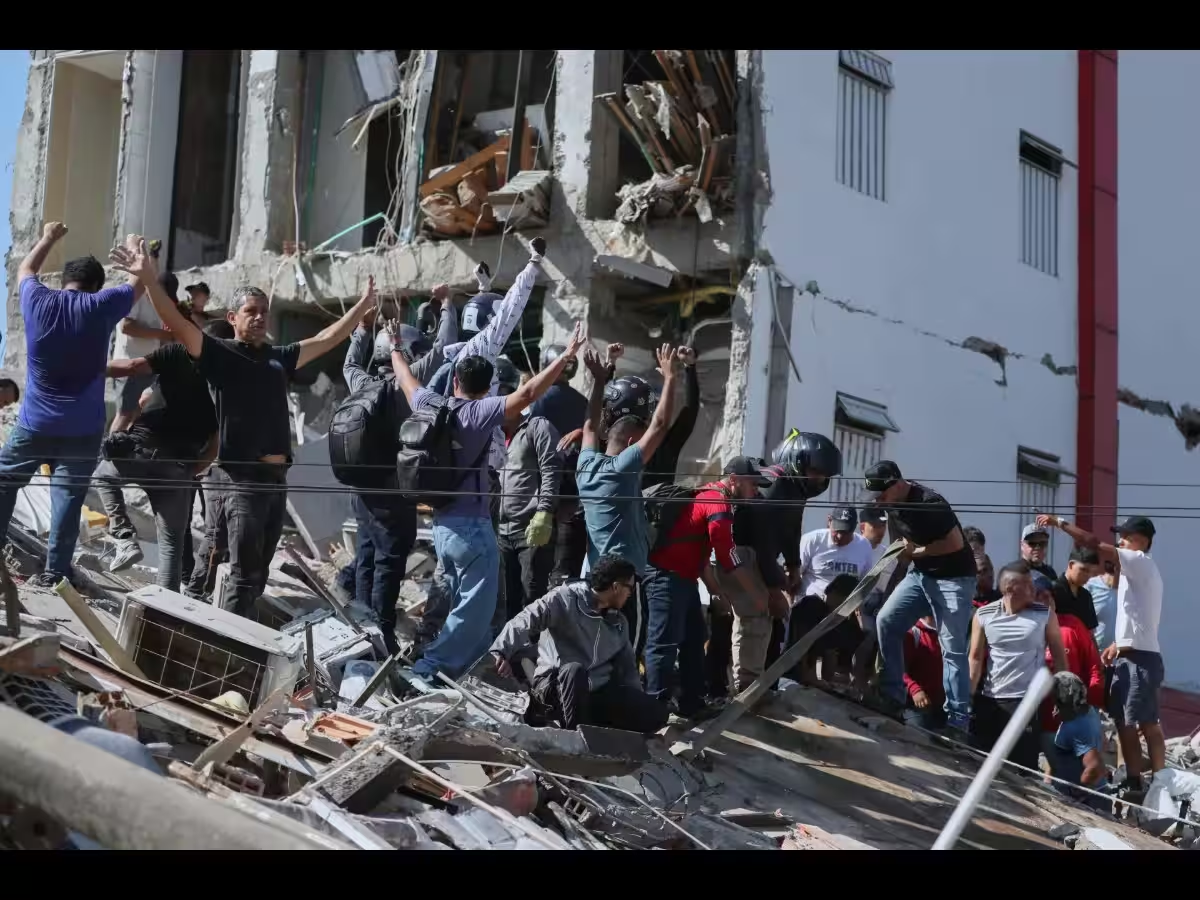
Buildings collapse as rescuers search for survivors
The strongest impact was reported in parts of western Colombia, where homes, commercial buildings and other structures suffered significant damage.
In Cali, more than two dozen structures were reported to have collapsed, with several people feared trapped underneath the debris. Earlier estimates had put the number of collapsed structures at around 20 as emergency crews began arriving at affected sites.
Pereira, the capital of Risaralda, also suffered serious damage. Local officials reported collapsed facades and damaged buildings, while residents were urged to remain cautious and leave structures showing signs of serious structural damage.
In Manizales, a tower of a neo-Gothic cathedral collapsed during the earthquake. One death was reported in the city, while another fatality was recorded in Buenaventura after a building collapsed.
The governor of Choco, Nubia Carolina Cordoba-Curi, said there were injuries and substantial damage in Quibdo, the departmental capital. Officials began assessing damaged buildings and warned residents about the possibility of aftershocks.
The immediate priority remained locating people who could still be trapped beneath collapsed structures.
Rescue teams deployed across affected regions
Colombian authorities moved quickly to mobilise specialised rescue personnel following the earthquake.
The Colombian Army said five platoons of soldiers were being deployed to areas requiring assistance. The teams included personnel trained in search and rescue operations involving collapsed buildings, supported by specialised technology and trained dogs capable of detecting people trapped under debris.
Officials in Cali also sought assistance from neighbouring cities, including Bogota and Medellin, as the scale of the emergency became clearer.
The country's disaster-management authorities were coordinating with local governments to assess structural damage, identify urgent needs and determine where additional rescue resources were required.
Colombian President Abelardo de la Espriella said he had taken direct charge of the government's response and ordered the establishment of a unified command post in San Jose del Palmar. He also said he would travel to affected areas, including Pereira, to oversee the response and assess the situation.
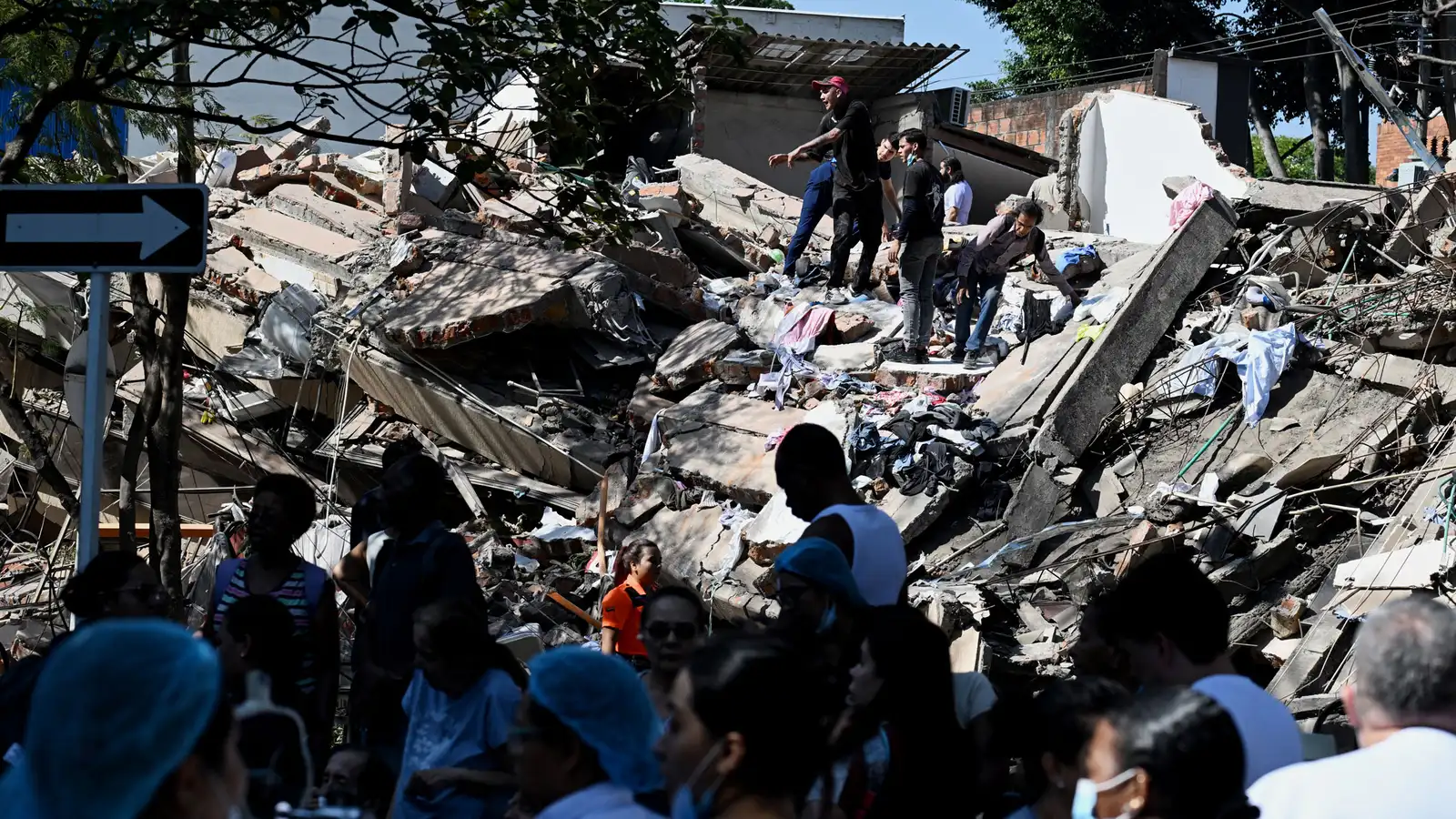
More than 2 million people exposed to strong shaking
The earthquake's impact extended well beyond the immediate area surrounding its epicentre.
According to the USGS assessment, more than 2 million people were exposed to very strong shaking. The shaking intensity was assessed at 7 on the USGS scale, a level capable of causing considerable damage to poorly constructed buildings and some degree of damage even to stronger structures.
The USGS warned that significant casualties and widespread damage were possible. Its modelling also suggested a substantial risk that the final death toll could rise dramatically as search and rescue operations continued.
Such projections, however, are estimates rather than confirmed casualty figures. The immediate toll remained subject to change as emergency workers gained access to damaged areas.
Airports damaged, flights suspended
The earthquake also disrupted transportation infrastructure in western Colombia.
Colombia's aviation authorities reported damage at airports serving Pereira, Manizales, Quibdo, Armenia, Cartago and Buenaventura. Operations at the affected terminals were suspended while officials inspected runways, buildings and other facilities to determine whether they were safe for passengers and aircraft.
The disruption added another challenge to the emergency response, particularly as authorities attempted to move rescue personnel and equipment into affected regions.
Meanwhile, Bogota appeared to have escaped major damage. The city's mayor, Carlos Galan, said there were no reports of significant destruction in the capital despite the earthquake being strongly felt there.
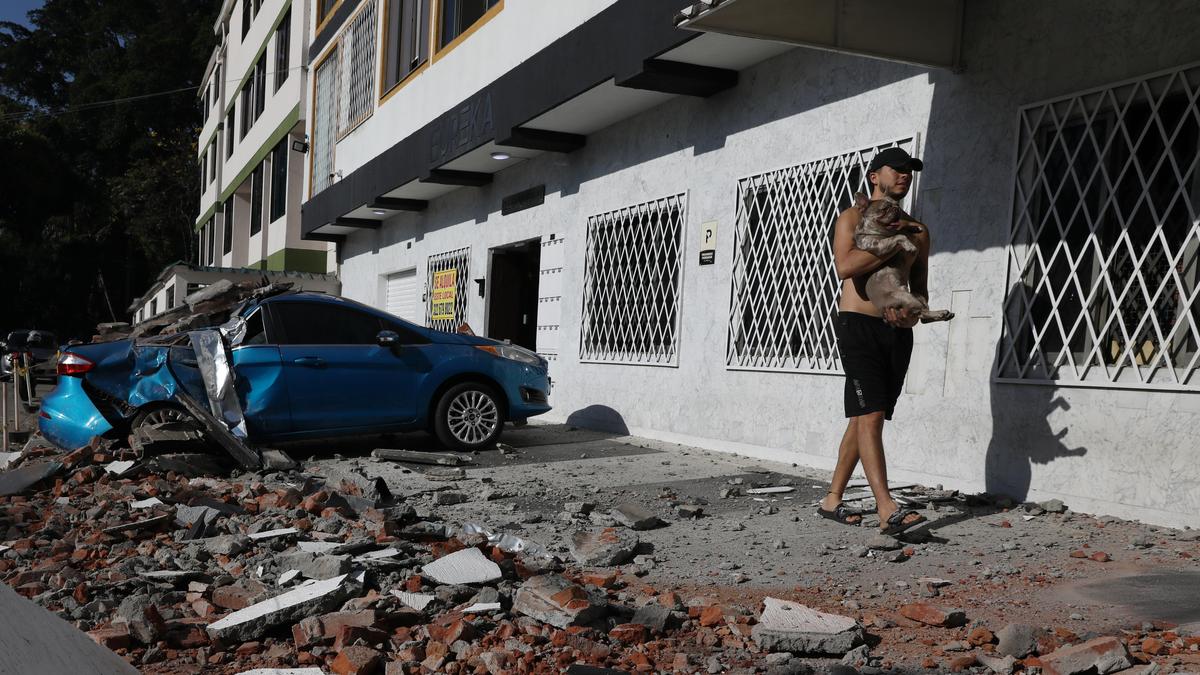
Tremors felt in Venezuela and Ecuador
The earthquake was not confined to Colombia.
Residents in neighbouring Venezuela reported feeling the tremors, particularly in the border state of Tachira. Shaking was also reported farther away in Barquisimeto and other Venezuelan locations.
The tremor was also felt in Ecuador, according to the reports.
The shaking in Venezuela came at a particularly sensitive time for the region, following devastating earthquakes there earlier in the year. The cross-border effects of Monday's quake nevertheless appeared primarily to involve tremors rather than the large-scale destruction reported in western Colombia.
There was no tsunami warning issued following the earthquake, according to the US Tsunami Warning System.
Colombia's history of powerful earthquakes
The latest earthquake has once again highlighted Colombia's vulnerability to seismic activity.
The country sits in a region influenced by several tectonic plate boundaries and major fault systems, making earthquakes a recurring natural hazard. Colombia's Pacific region and parts of the Andes have experienced destructive earthquakes in the past.
One of the country's most devastating seismic events occurred near Tumaco in 1979, when an earthquake of magnitude 8 struck southwestern Colombia. The disaster remains one of the strongest earthquakes recorded in the country's history.
More recent history has also demonstrated the potentially deadly consequences of strong earthquakes. An earthquake near Armenia in 1999 caused more than 1,100 deaths, according to the reports.
The latest disaster therefore comes against a backdrop of longstanding seismic risk, with emergency preparedness and the structural resilience of buildings playing a crucial role in determining the scale of damage.
Authorities brace for aftershocks
As rescue operations continued, officials urged people to remain alert to the possibility of aftershocks.
The Choco governor specifically warned that further tremors could occur following the main earthquake. Residents in damaged buildings were advised to exercise caution and avoid structures showing major cracks or other visible signs of instability.
For emergency teams, the coming hours are expected to be critical. Search operations must continue while authorities assess damaged buildings, restore transport links and establish the needs of communities cut off or affected by the disaster.
With the death toll already rising from the initial figures reported after the quake, the full scale of the 7.4-magnitude Colombia earthquake is still emerging. Rescue workers remain focused on the most urgent task: finding survivors beneath the rubble and preventing further loss of life as the country begins confronting one of its most serious seismic emergencies in recent years.
With input from agencies
Image Source: Multiple agencies
© Copyright 2026. All Rights Reserved. Powered by Vygr Media.