
 By
By 
A new UK regulation affecting gel nail products has sparked confusion among manicure lovers, with headlines referring to a sweeping “gel nail ban”. But the reality is more specific: gel manicures themselves have not been banned. Instead, the UK has introduced restrictions on a chemical called trimethylbenzoyl diphenylphosphine oxide, or TPO, which is used in some gel nail products.
The rules, which came into force on August 15, 2026, are aimed at removing TPO-containing cosmetic products from the British market following concerns over potential reproductive health effects. The change brings the UK closer to the European Union, which prohibited TPO in cosmetics in September 2025.
For consumers, however, the immediate impact is likely to be far less dramatic than the phrase “gel nail ban” suggests.

What is the UK gel nail ban?
The new rules apply specifically to products containing TPO, rather than to gel nail treatments as a whole.
TPO is a photoinitiator, meaning it helps trigger the chemical reaction that allows gel polish to cure when exposed to ultraviolet (UV) or LED light. This curing process gives gel manicures their characteristic hard, glossy and long-lasting finish.
Under the UK regulations, manufacturers and importers can no longer place new cosmetic products containing TPO on the market from August 15, 2026. The restrictions currently apply across England, Scotland and Wales.
That does not mean salons have suddenly been required to discard every TPO-containing product they already own. Existing stock can continue to be used during the transition period, with the next major deadline falling on February 14, 2027.
In other words, customers can still receive gel manicures during the transition. The significant change is that salons cannot replenish their supplies with newly marketed TPO-containing products.
Why has TPO been banned?
The decision is linked to concerns about the chemical's potential effects on reproductive health.
Animal studies have associated exposure to high amounts of TPO with fertility and reproductive problems. The concerns led regulators to classify the substance in a way that triggered restrictions under cosmetics legislation. The European Union had already prohibited TPO in cosmetic products from September 1, 2025.
However, this is where the story becomes more nuanced.
The available evidence does not mean that everyone who has previously received a TPO-containing gel manicure has been exposed to a level known to cause fertility problems. Industry representatives have stressed that the quantities used in nail products are considerably lower than the levels associated with harmful effects in the studies.
Caroline Rainsford, director of science at the Cosmetic, Toiletry and Perfumery Association (CTPA), said the regulatory classification is based on how a substance can behave under a “worst case” exposure scenario. She also said the amount of TPO used in nail products is more than a thousand times below the level associated with negative effects on fertility, while application to the nail further limits potential absorption.
That distinction is important. The ban should not automatically be interpreted as evidence that ordinary gel manicures have been proven to cause infertility.
Rather, regulators have opted for a precautionary approach while safer alternatives are available.
Does this mean gel manicures are banned in the UK?
No.
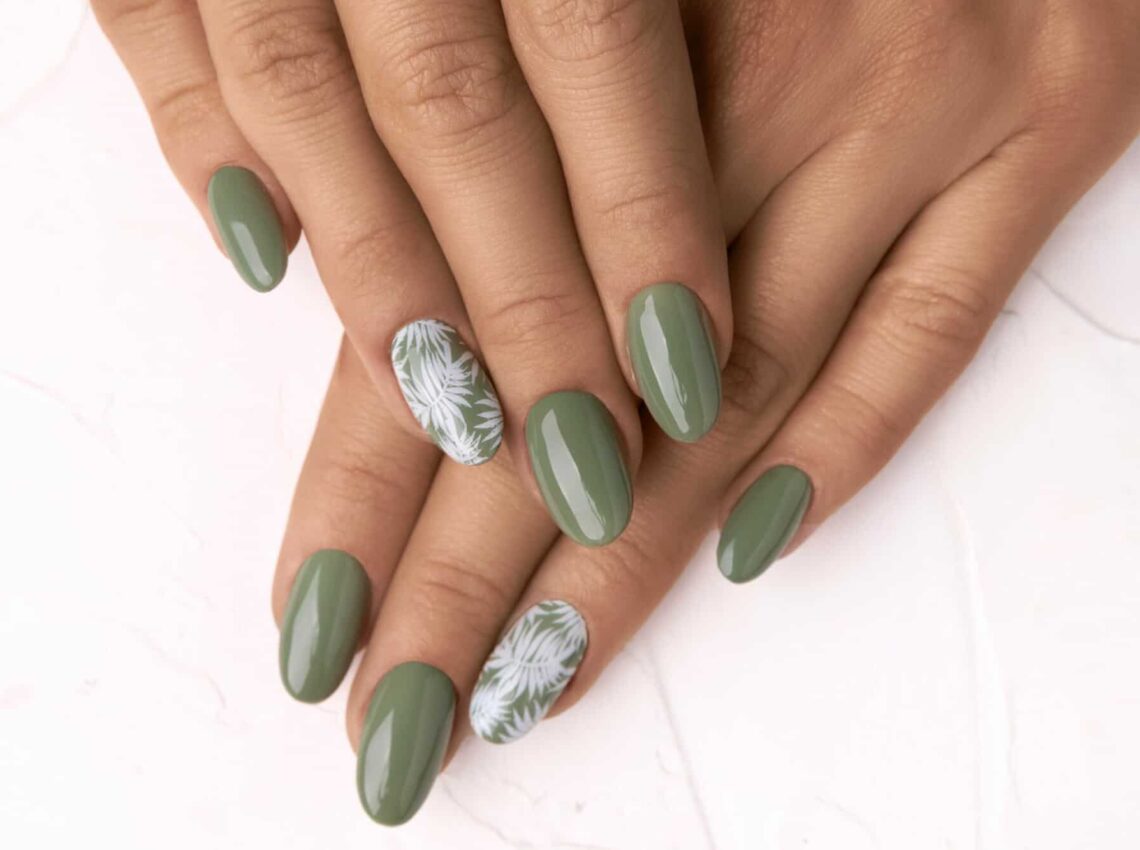
Gel manicures remain available, and the new rules do not prohibit the use of gel polish as a category.
Only products containing TPO are affected. TPO-free gel formulations are already available, and many salons and beauty brands have been using alternative formulations.
Traditional nail polish that dries naturally does not require TPO either.
This means customers should still be able to book gel, BIAB and similar treatments, although the specific products used may change as salons transition away from TPO.
For many customers, the change may therefore happen behind the scenes. The colour selection, glossy finish and durability associated with gel manicures are not necessarily disappearing.
What will salons do with existing TPO products?
The UK has adopted a phased approach.
From August 15, 2026, manufacturers can no longer newly place TPO-containing cosmetic products on the British market. Salons, however, can use existing supplies during the transition period.
The February 14, 2027 deadline is therefore particularly significant because it marks the point at which the phase-out reaches its next stage.
For salon owners, the change means reviewing product inventories, checking ingredient lists and switching suppliers or product ranges where necessary.
Many manufacturers have already reformulated their gel systems to remove TPO, meaning salons do not necessarily need to change the entire service they offer. Alternative photoinitiators can provide the curing properties required for gel products.
Reports have highlighted alternatives including TPO-L and BAPO, although the precise formulation varies between products and brands.
Will TPO-free gel manicures look different?
For most customers, the answer is likely to be not significantly.
TPO is not responsible for the colour, shape or design of a manicure. Its primary role is helping the gel cure under UV or LED light.
With alternative formulations already available, consumers can still expect the basic features that have made gel manicures popular: a glossy finish, durable coating and a broad range of colours and designs.
The transition could nevertheless require nail technicians to become familiar with different product formulations and curing requirements. Salons will also need to ensure that their products comply with the relevant regulations and that technicians understand how to use them correctly.
For customers, choosing a reputable salon that uses professional, compliant products remains one of the simplest ways to avoid uncertainty.
How can consumers check whether gel polish contains TPO?
Anyone who wants to check their nail products can look at the ingredient list on the bottle or packaging.
One important detail is that the ingredient may not be listed simply as “TPO”. Consumers should instead look for its full chemical name:
Trimethylbenzoyl diphenylphosphine oxide.
ITV News notes that checking the ingredients is particularly useful for people doing gel manicures at home, where they may have more direct control over which products they purchase.
Customers visiting a salon can also ask their nail technician what products are being used and whether the gel system is TPO-free.
A professional salon should be able to explain the products it uses and, as the transition progresses, should increasingly rely on compliant TPO-free formulations.
What does the UK ban mean for Nigeria?
The development is also attracting attention outside Britain because cosmetic regulations in major international markets can influence manufacturers, distributors and beauty businesses elsewhere.
According to Pulse Nigeria, Nigeria has not announced a TPO ban. The country's cosmetics industry remains regulated by the National Agency for Food and Drug Administration and Control (NAFDAC), and there is currently no public directive prohibiting TPO-containing gel products in the Nigerian market.
That means Nigerian salons can continue using TPO-containing products unless local regulators introduce new restrictions.
However, international regulatory changes can still have practical consequences. Manufacturers that supply multiple markets may increasingly reformulate products to meet stricter standards in Europe and the UK. This could gradually increase the availability of TPO-free products in other countries as well.
For Nigerian consumers who are concerned about the ingredient, asking salons whether they use TPO-free gel products is already an option.
A ban that sounds bigger than it is
The phrase “UK gel nail ban” may make it sound as though one of the beauty industry's most popular treatments is disappearing. It isn't.
What is changing is the chemical composition of some gel nail products.
The UK's August 2026 rules target TPO because of regulatory concerns surrounding its potential reproductive toxicity, while the beauty industry moves towards alternative ingredients. The EU took the same step earlier, and manufacturers have already been developing TPO-free formulations.
For consumers, the immediate message is therefore relatively reassuring: there is no need to stop getting gel manicures simply because the UK has introduced the TPO restrictions.
Instead, the focus is shifting towards what is inside the bottle.
As the February 2027 transition deadline approaches, TPO-free products are likely to become increasingly standard across UK salons. For customers, that could ultimately mean a fairly seamless change: the same manicure experience, but with a different ingredient helping the polish achieve its signature cure and shine.
The bigger story is not the end of gel nails. It is the beauty industry's gradual shift towards formulations that regulators consider safer as scientific evidence and cosmetic standards continue to evolve.
With input from agencies
Image Source: Multiple agencies
© Copyright 2026. All Rights Reserved. Powered by Vygr Media.