 By
By 
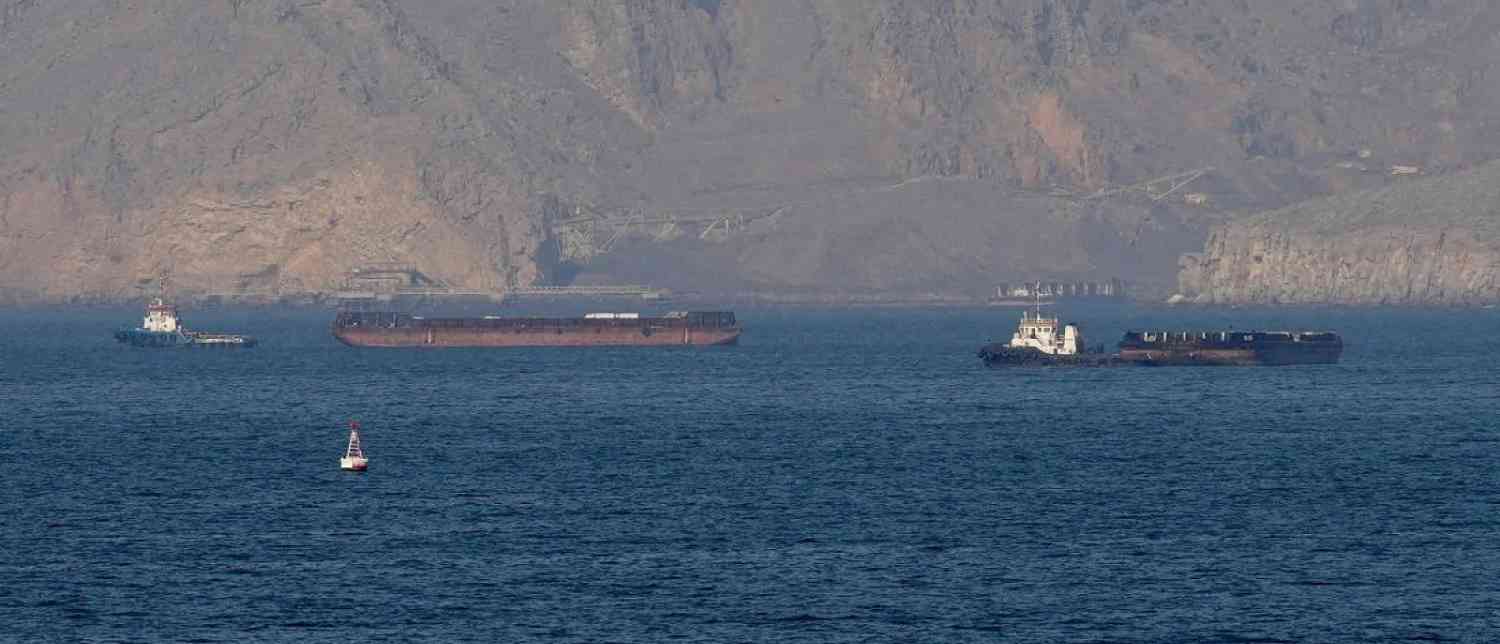
New Delhi: A deadly missile strike on two UAE-linked commercial tankers transiting the strategically vital Strait of Hormuz has claimed the life of an Indian sailor and left six other Indian crew members injured, prompting India to issue a strong diplomatic protest and renew its call for the protection of commercial shipping in one of the world's most sensitive maritime corridors.
The latest attack comes amid escalating hostilities involving Iran and the United States in West Asia, raising fresh concerns over the safety of international shipping routes and thousands of seafarers working in the region. The Strait of Hormuz, through which a significant portion of the world's crude oil exports passes, has once again emerged as a flashpoint with potentially far-reaching geopolitical and economic consequences.
According to official statements, the two vessels were carrying around 30 Indian seafarers in total when they came under attack. One Indian crew member succumbed to injuries sustained during the strike, while six others were wounded and are receiving medical treatment. The remaining crew members have been reported safe.
India Condemns Attack on Commercial Shipping
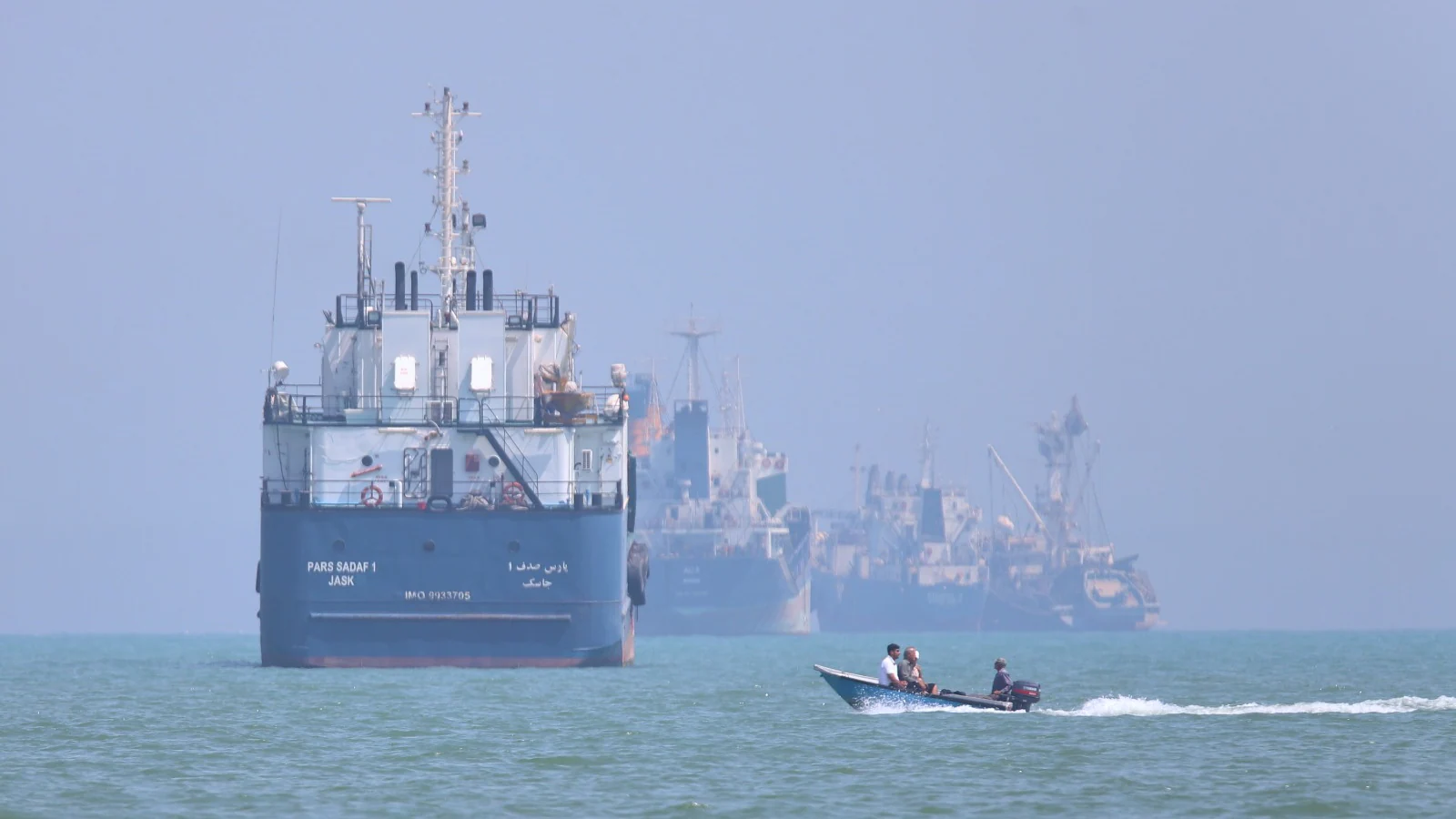
Reacting to the incident, the Ministry of External Affairs (MEA) issued a strongly worded statement condemning the attack on civilian commercial vessels. The government stressed that merchant ships and civilian seafarers must never become targets during armed conflicts and emphasized that freedom of navigation remains a fundamental principle of international maritime law.
The MEA confirmed that Indian missions in the region are in close contact with local authorities, shipping companies and affected crew members to facilitate medical assistance and ensure the welfare of all Indian nationals onboard. Officials also said India is continuously monitoring developments in the Gulf region and remains prepared to extend all necessary support to its citizens.
The attack has triggered heightened diplomatic engagement from New Delhi, with India conveying its concerns over the deteriorating security situation in one of the world's busiest shipping lanes.
Attack Amid Rising US-Iran Confrontation
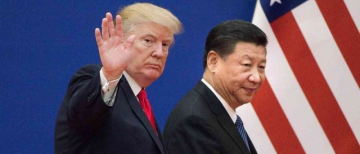
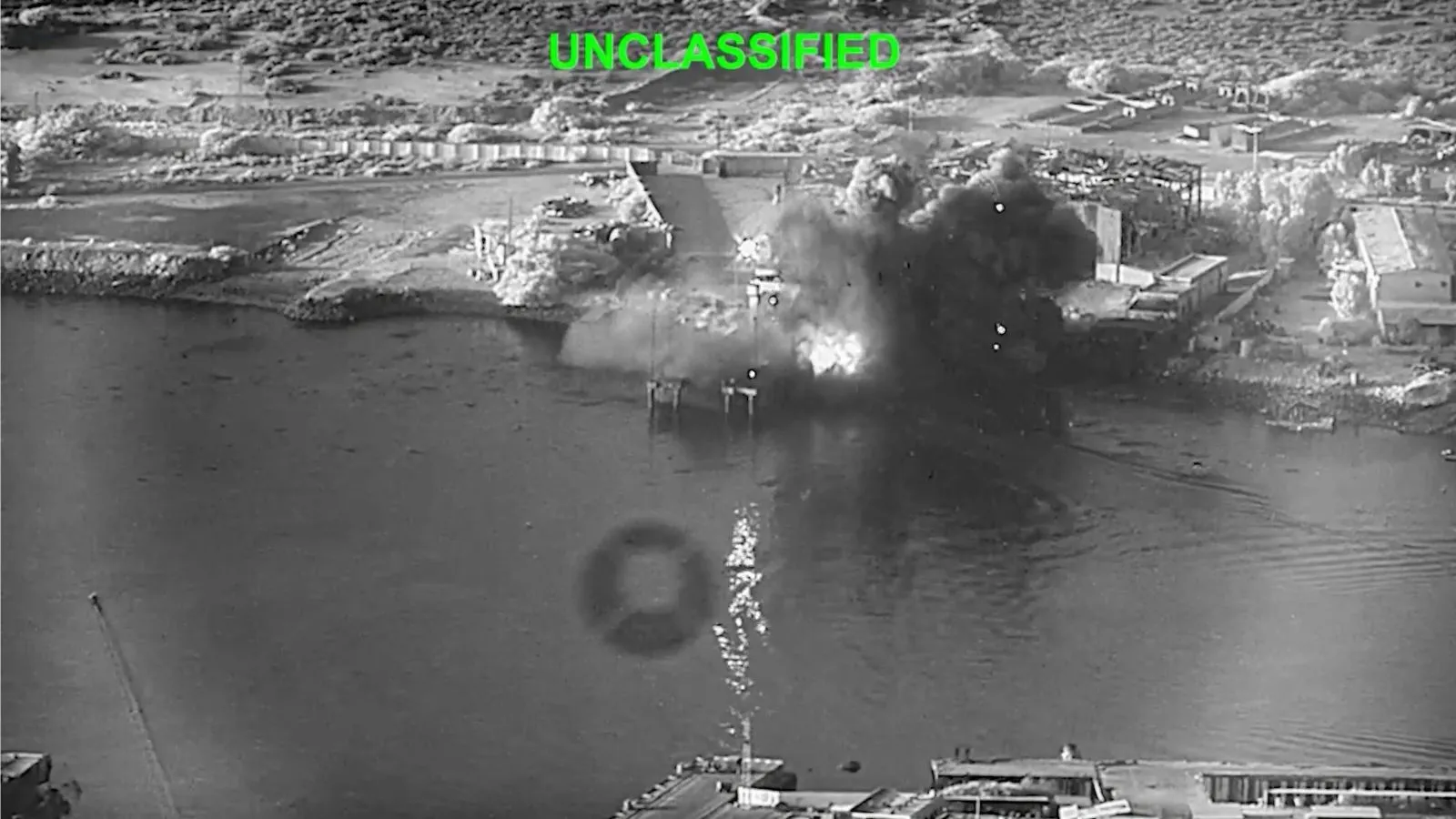
The missile strike occurred against the backdrop of rapidly intensifying tensions between Iran and the United States. In recent weeks, the Gulf region has witnessed a series of military exchanges that have significantly increased risks for commercial shipping operating through the Strait of Hormuz.
According to reports, Iranian missiles targeted the UAE-linked tankers while they were navigating through the strategic waterway. The incident has added another layer of uncertainty to an already volatile regional security environment, with fears that merchant vessels could increasingly become collateral victims of the broader geopolitical conflict.
The United Arab Emirates has condemned the attack and warned that it reserves the right to respond appropriately. Regional governments have simultaneously stepped up security measures while monitoring further developments in the Gulf.
Indian Seafarers Face Growing Risks
India is among the world's largest suppliers of merchant navy personnel, with thousands of Indian seafarers employed on international cargo ships, oil tankers and container vessels operating across global trade routes.
The latest tragedy underscores the growing dangers faced by Indian maritime professionals working in conflict-prone waters. Shipping companies have already begun reassessing operational risks in the Gulf, while insurance premiums for vessels traversing the Strait of Hormuz are expected to rise further if hostilities continue.
Industry experts note that disruptions in the Strait of Hormuz have implications extending well beyond regional politics. Nearly one-fifth of global oil trade passes through the narrow maritime passage, making it one of the most strategically important chokepoints in international commerce. Any sustained instability could impact global energy supplies, shipping costs and fuel prices worldwide.
Government Monitoring Situation Closely
The Indian government has assured the families of affected crew members that it is extending every possible assistance through diplomatic channels. Officials said Indian embassies in the region remain in regular contact with shipping operators, local authorities and medical teams treating the injured sailors.
Authorities are also monitoring the broader maritime security situation, particularly as several Indian nationals continue to work aboard commercial vessels transiting the Gulf on a regular basis.
The MEA reiterated India's longstanding position that disputes should be resolved through dialogue and diplomacy rather than military escalation. It also called upon all parties involved to exercise restraint and ensure that civilian lives are protected.
Shipping Industry on Alert
Maritime security agencies and shipping companies have reportedly increased surveillance and precautionary measures for vessels operating in and around the Strait of Hormuz. Several operators are reviewing voyage plans, strengthening onboard emergency protocols and coordinating closely with regional naval authorities to minimize risks.
Security analysts believe the latest attack may prompt additional international naval patrols and convoy arrangements if tensions continue to escalate. Commercial operators are also expected to revisit risk assessments for ships carrying multinational crews through conflict-sensitive waters.
The incident serves as another reminder that geopolitical conflicts can have immediate humanitarian consequences for civilian seafarers, many of whom are simply performing essential duties that keep global trade moving.
International Concern Mounts
The attack has drawn widespread international attention because of its implications for maritime security and energy markets. Governments across the region are closely tracking developments, while shipping stakeholders remain concerned about the possibility of further attacks targeting commercial vessels.
With tensions showing little sign of easing, experts warn that the Strait of Hormuz could remain a high-risk zone in the coming weeks. Continued instability may disrupt shipping schedules, increase freight costs and affect international supply chains.
For India, the immediate priority remains the safety of its citizens working aboard merchant vessels. The government has reaffirmed that protecting Indian seafarers abroad remains paramount and that every diplomatic effort is being made to ensure their security and well-being.
The death of the Indian sailor has once again highlighted the human cost of escalating geopolitical confrontations. As diplomatic efforts intensify and maritime security remains under close scrutiny, the international community faces growing pressure to prevent commercial shipping lanes from becoming theatres of armed conflict. Ensuring safe passage through the Strait of Hormuz is not only critical for global trade but also for safeguarding the lives of thousands of civilian seafarers who navigate these waters every day.
With input from agencies
Image Source: Multiple agencies
© Copyright 2026. All Rights Reserved. Powered by Vygr Media.