 By
By 
Iran has firmly rejected a United States-backed ceasefire proposal aimed at halting the escalating conflict in the Middle East, instead putting forward a sweeping 10-point framework that lays out its own conditions for ending hostilities. The move, communicated through diplomatic channels reportedly involving Pakistan, signals not just a refusal to de-escalate on Washington’s terms but a broader attempt by Tehran to reshape the contours of the conflict on its own strategic footing.
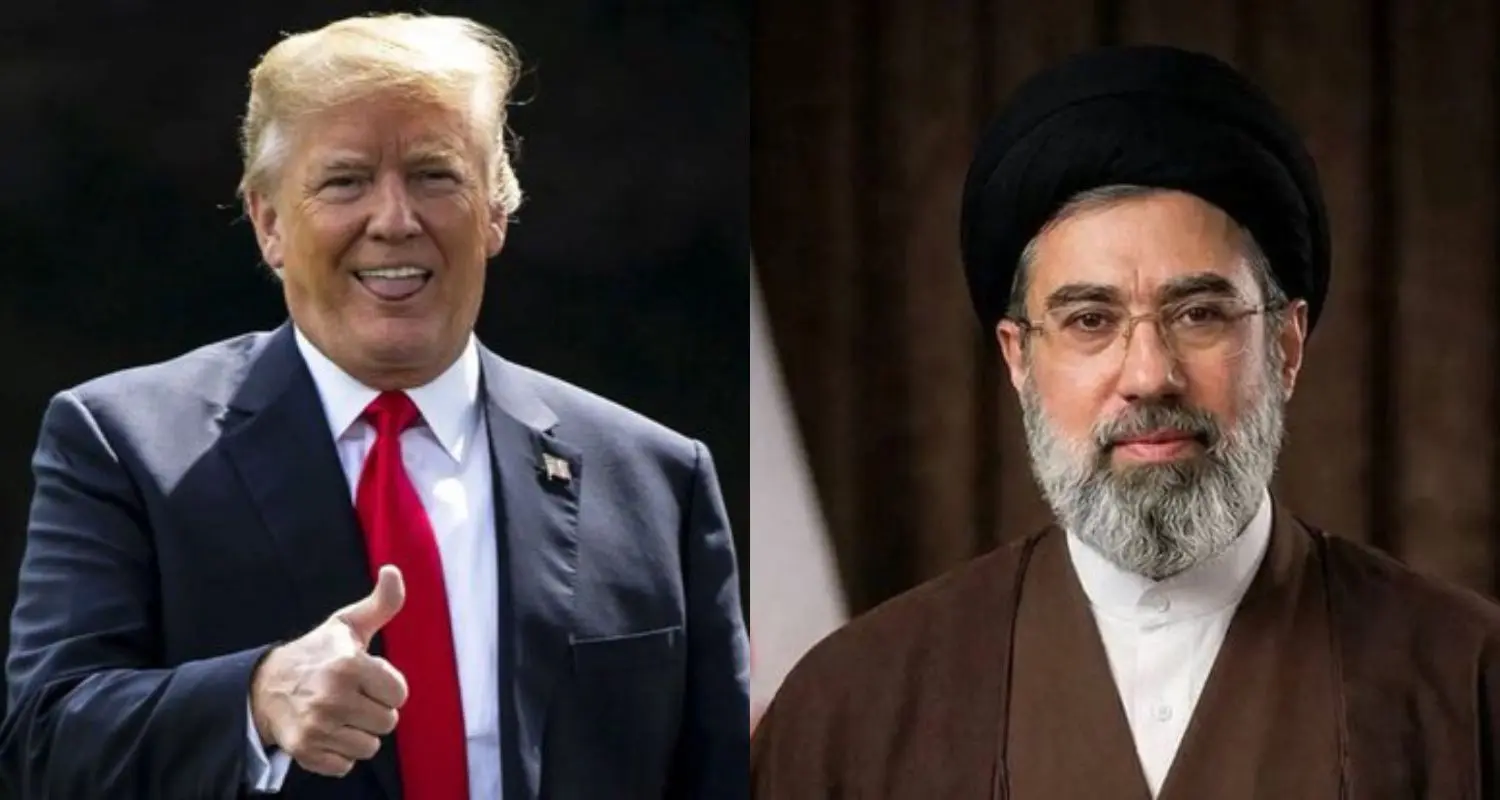
The development comes amid intensifying military exchanges involving Iran, Israel, and US-linked forces, with fresh strikes, aerial engagements, and rising casualties deepening fears of a wider regional war. As diplomatic efforts struggle to keep pace with battlefield realities, Iran’s rejection—and the sharp response it has triggered from former US President Donald Trump—marks a critical inflection point in the crisis.
Iran’s Rejection and the 10-Point Counterproposal
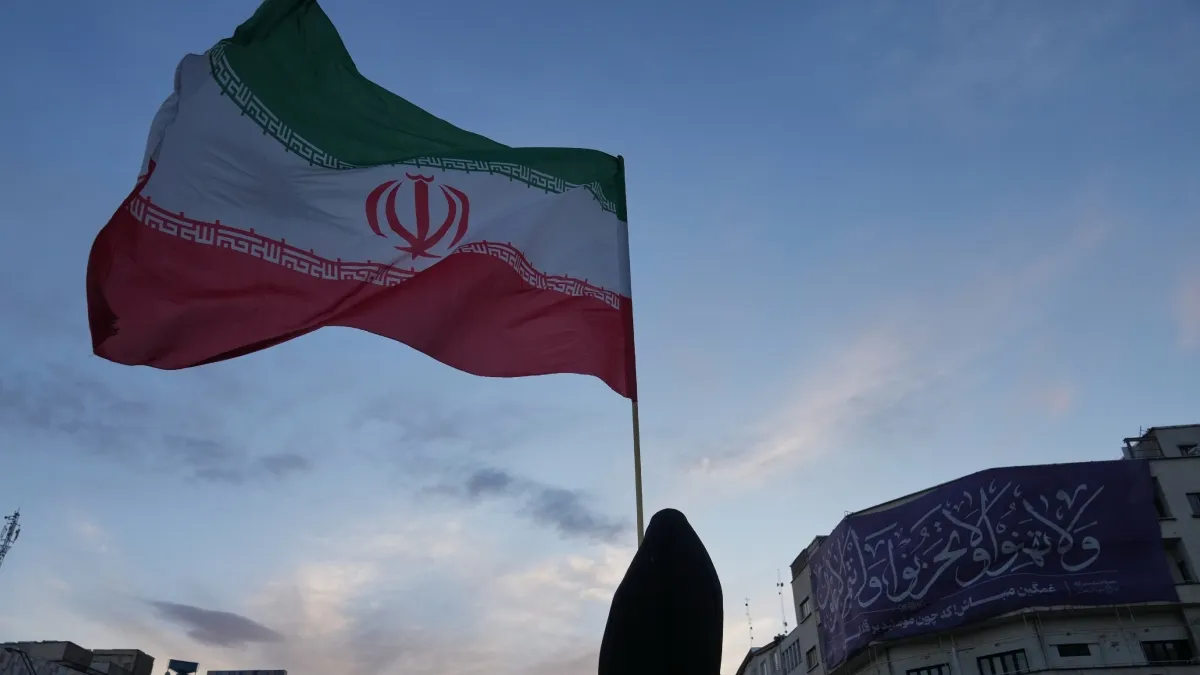
According to multiple reports, Iran dismissed the US ceasefire proposal outright, arguing that it failed to address the root causes of the conflict and did not offer sufficient guarantees for long-term stability. The proposal, which was reportedly relayed via Pakistan as an intermediary, sought an immediate cessation of hostilities and a pathway toward de-escalation. Tehran, however, viewed it as one-sided.
Instead, Iran submitted a detailed 10-point plan outlining its own conditions for ending the war. While the full text of the plan has not been publicly disclosed in a single official release, reports indicate that the framework includes demands centered on accountability, territorial integrity, and an end to what Iran describes as “aggression” by Israel and its allies.
Key elements of Iran’s proposal reportedly include an immediate halt to Israeli military operations, guarantees against future attacks, compensation for damages inflicted during the conflict, and broader political concessions tied to regional security arrangements. Tehran is also believed to have emphasized the need for international recognition of its security concerns, particularly in light of recent strikes on its territory.
The plan underscores Iran’s position that any ceasefire must be part of a comprehensive resolution rather than a temporary pause that could allow adversaries to regroup.
Pakistan’s Role as Intermediary
Pakistan’s involvement as a conduit for communication between the United States and Iran highlights the increasingly complex diplomatic landscape surrounding the conflict. While Islamabad has not publicly detailed its role, reports suggest it facilitated the transmission of the US proposal to Tehran and relayed Iran’s response back to Washington.
This backchannel diplomacy reflects both the urgency of the situation and the limited direct communication between the US and Iran. Pakistan’s position as an intermediary underscores its strategic importance in regional geopolitics, even as it navigates its own delicate balancing act among competing global and regional powers.
Trump’s Sharp Reaction
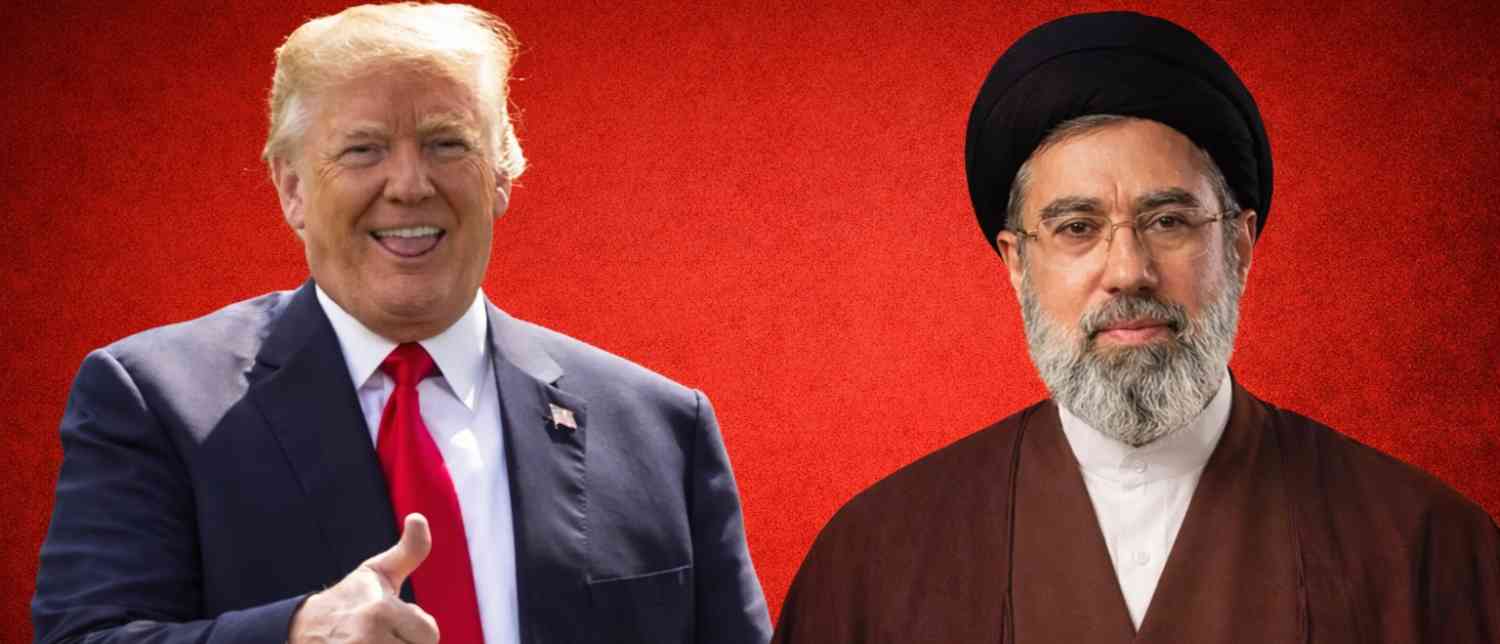
Donald Trump reacted angrily to Iran’s rejection of the ceasefire proposal, issuing a stark warning that the country would face severe consequences. Speaking in the aftermath of Tehran’s decision, Trump said he was “very upset” and declared that Iran would “pay a big price” for its stance.
His remarks signal a hardening of rhetoric at a time when tensions are already dangerously high. Trump’s comments also suggest that the rejection could trigger further escalation, either through direct military action or increased support for allied operations in the region.
The statement reflects a broader frustration within US leadership circles over the failure of diplomatic efforts to produce a breakthrough. It also raises concerns about the potential for retaliatory measures that could further inflame the situation.
Escalating Military Confrontations
The diplomatic standoff is unfolding against a backdrop of intense military activity. Reports indicate that multiple aircraft have been downed in recent engagements, with both sides claiming tactical successes. Missile strikes, including those targeting key locations, have added to the volatility.
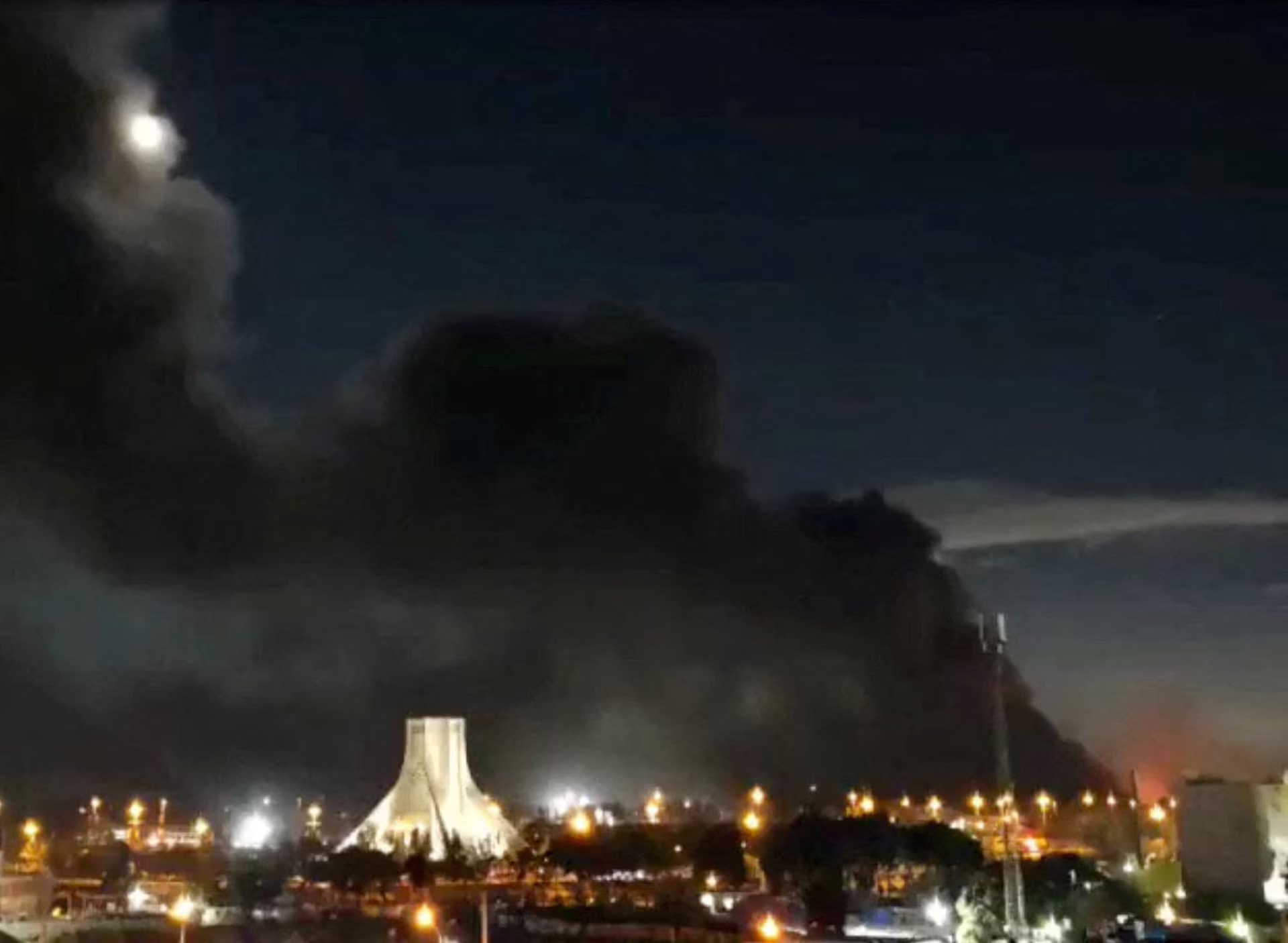
In one of the most alarming developments, attacks have reportedly reached areas near Tehran, while strategic waterways such as the Strait of Hormuz remain under heightened alert. The risk of disruption to global oil supplies has added an economic dimension to the crisis, amplifying its global impact.
Israel’s continued military operations have been a central factor in the escalation. Iran has repeatedly accused Israel of initiating and perpetuating the conflict through targeted strikes, including those aimed at Iranian assets and personnel. Israel, for its part, has framed its actions as necessary for national security.
The involvement of US-linked forces further complicates the situation, blurring the lines between regional and international conflict. Each new strike or counterstrike raises the stakes, making the prospect of a negotiated settlement increasingly remote.
Iran’s Strategic Calculus
Iran’s decision to reject the ceasefire proposal and present its own plan reflects a calculated approach aimed at leveraging its position. By setting conditions that go beyond an immediate ceasefire, Tehran is seeking to address what it views as systemic issues driving the conflict.
This strategy carries both risks and potential rewards. On one hand, it allows Iran to assert its agency and avoid appearing to capitulate under pressure. On the other, it increases the likelihood of prolonged conflict, particularly if its demands are seen as unacceptable by the US and its allies.
Iran’s emphasis on guarantees and compensation suggests a deep mistrust of existing diplomatic frameworks. The country appears determined to secure commitments that would prevent a recurrence of hostilities, even if that means prolonging negotiations—or the conflict itself.
International Reactions and Concerns
The rejection of the ceasefire proposal has drawn concern from the international community, with fears mounting over the potential for a broader war. The involvement of multiple actors, each with their own interests and alliances, creates a volatile mix that could spiral out of control.
Global markets have already begun to react to the uncertainty, particularly in the energy sector. The Strait of Hormuz, a critical chokepoint for oil shipments, has become a focal point of concern. Any disruption there could have far-reaching economic consequences.
Diplomatic efforts are expected to continue, but the path forward remains unclear. The gap between the US proposal and Iran’s counterproposal highlights the challenges of finding common ground in a highly polarized environment.
The Road Ahead
As the conflict enters a new phase, the rejection of the ceasefire proposal and the introduction of Iran’s 10-point plan mark a decisive moment. The situation now hinges on whether diplomatic channels can bridge the divide—or whether the conflict will continue to escalate.
For now, the prospects for an immediate ceasefire appear dim. Iran’s conditions suggest that any agreement will require significant concessions from multiple стороны, while the US response indicates a reluctance to уступить under pressure.
The coming days will be critical in determining the trajectory of the crisis. With military activity ongoing and rhetoric intensifying, the risk of further escalation remains high.
What is clear is that the conflict has moved beyond a simple call for ceasefire. It has become a test of competing visions for regional order, with implications that extend far beyond the immediate battlefield.
With inputs from agencies
Image Source: Multiple agencies
© Copyright 2025. All Rights Reserved. Powered by Vygr Media.