 By
By 
A fragile calm in the Gulf has been violently disrupted. In a dramatic escalation that threatens to redraw the contours of an already volatile regional conflict, Iran has launched a coordinated barrage of drones and missiles targeting the United Arab Emirates (UAE), striking critical energy infrastructure in Fujairah and injuring three Indian nationals. The assault marks the first direct Iranian attack on the UAE since a ceasefire brokered in early April, raising alarm across diplomatic, military, and energy circles worldwide.
A night of fire in Fujairah
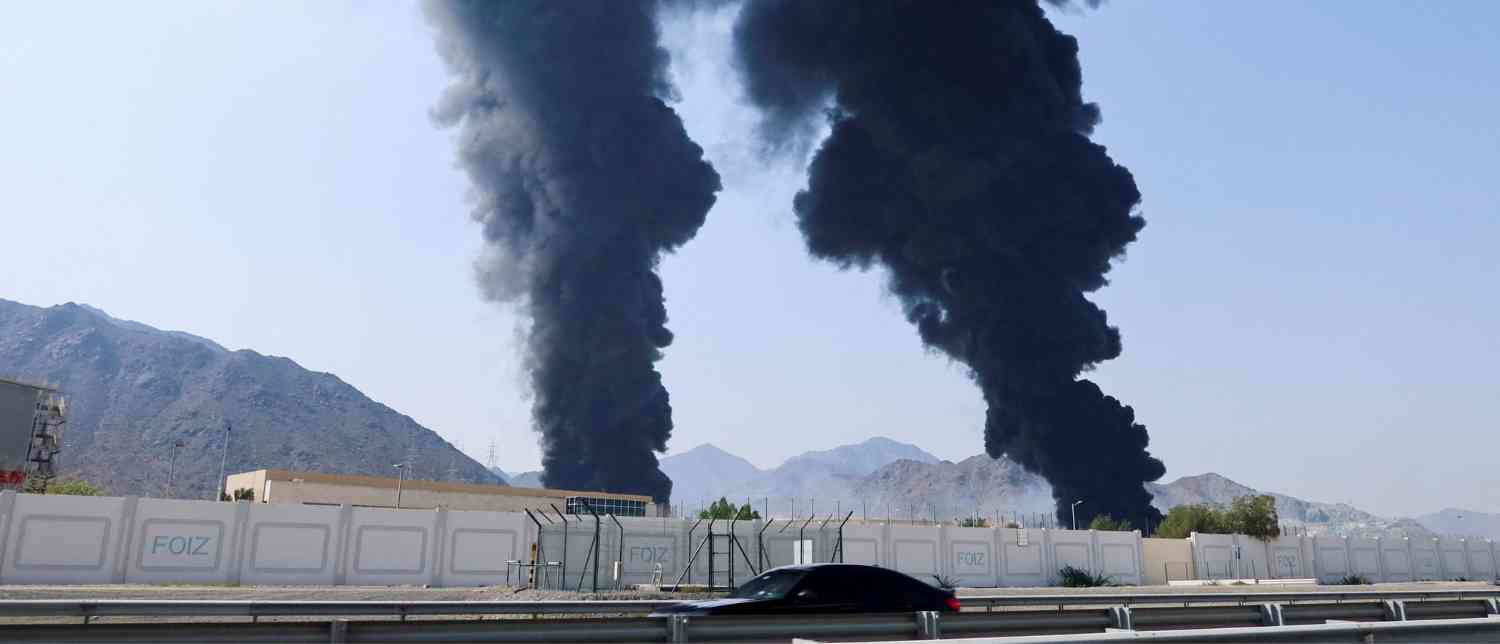
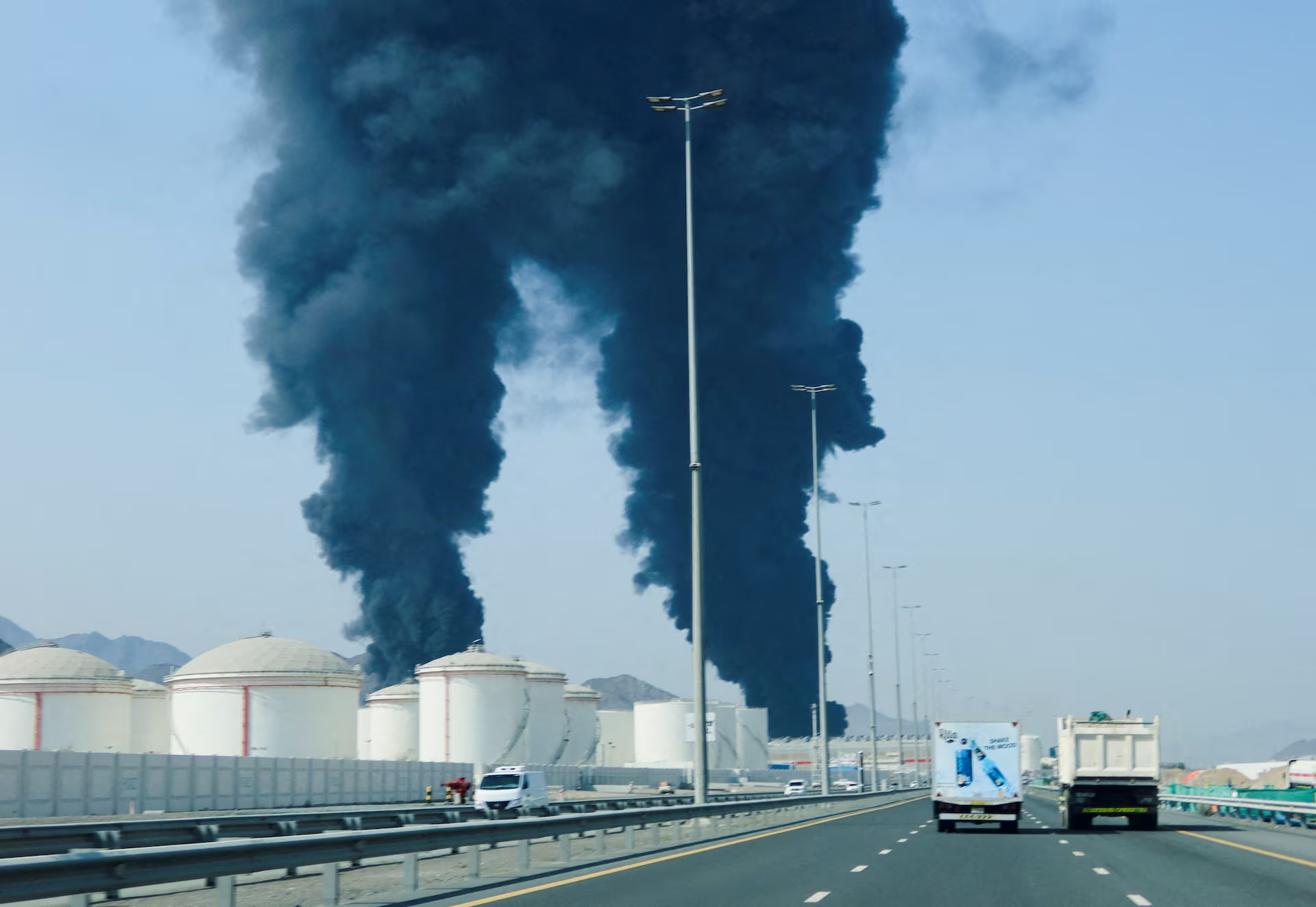
The immediate flashpoint came at the Fujairah Oil Industry Zone, a strategic hub on the UAE’s eastern coast. A drone attack originating from Iran triggered a large fire at the petroleum complex, sending emergency responders scrambling to contain the blaze. Civil defence teams were deployed without delay, working through the aftermath as flames engulfed parts of the facility.
Amid the chaos, three Indian nationals sustained moderate injuries and were rushed to hospital for treatment, according to the Fujairah Media Office. Their injuries, while not life-threatening, underscore the human cost of a conflict increasingly spilling beyond traditional battle zones.
The attack shattered what had been a tenuous calm since April 8, when a Pakistan-mediated ceasefire between Washington and Tehran temporarily halted direct hostilities. That ceasefire now appears dangerously close to collapse.
Missiles in the sky, panic on the ground
The drone strike was only one part of a broader offensive. UAE authorities confirmed that air defence systems intercepted multiple incoming threats, including three cruise missiles fired from Iran. A fourth missile fell into the sea before reaching its target.
In total, the UAE reported intercepting 12 ballistic missiles, three cruise missiles, and four drones in a coordinated wave of attacks, highlighting both the scale and sophistication of the assault. Schools and universities across the country were shifted to remote learning as a precautionary measure, reflecting the seriousness of the threat environment.
Residents reported missile alerts and disruptions, while aviation schedules were affected, with flights delayed or diverted amid safety concerns.
For a country long viewed as one of the Gulf’s most stable economic hubs, the sudden escalation has rattled public confidence and exposed vulnerabilities in critical infrastructure.
🇮🇷🇦🇪 BREAKING: Iranian drones have struck the Fujairah Oil Industry Zone in the UAE. Major fire now burning on site.
Fujairah is not a random target. It's the UAE's primary oil export terminal on the Gulf of Oman, the only major UAE port that bypasses the Strait of Hormuz… https://t.co/Q3b0cru1jC pic.twitter.com/wITU8VtfcN— Mario Nawfal (@MarioNawfal) May 4, 2026
A ceasefire unravels
The strike carries broader geopolitical implications. It is the first Iranian attack on a Gulf state since the ceasefire between Iran, the United States, and Israel took effect nearly a month earlier.
That truce had followed weeks of intense confrontation, including US and Israeli strikes on Iranian targets and Tehran’s subsequent moves to assert control over the Strait of Hormuz—a chokepoint through which a significant portion of the world’s oil supply flows.
Now, the UAE has accused Iran of violating the ceasefire, calling the attack a direct threat to its sovereignty and regional stability. The timing is particularly sensitive. The assault coincided with a renewed US-led initiative—reportedly involving thousands of troops and dozens of aircraft—to escort commercial shipping through the Strait of Hormuz and restore safe passage for global trade.
Iran had warned that any such intervention would be treated as hostile. Its latest actions suggest those warnings are being acted upon.
A widening theatre of conflict
The Fujairah strike is not an isolated incident. Reports indicate that Iranian forces also targeted maritime assets, including an oil tanker linked to the UAE, and launched attacks near key shipping routes.
Elsewhere, missile and drone activity extended to areas near Dubai and even into neighboring Oman, where a residential building was reportedly struck, injuring civilians.
The conflict has thus expanded beyond military targets to include civilian and commercial infrastructure, raising fears of a broader regional war.
The United States, meanwhile, has responded with force. American naval units engaged Iranian vessels in the Strait of Hormuz, destroying several small boats and attempting to secure a corridor for commercial shipping.
This evolving confrontation underscores the strategic importance of the strait—a narrow waterway that has become both a flashpoint and a bargaining chip in the wider conflict.
Energy markets on edge
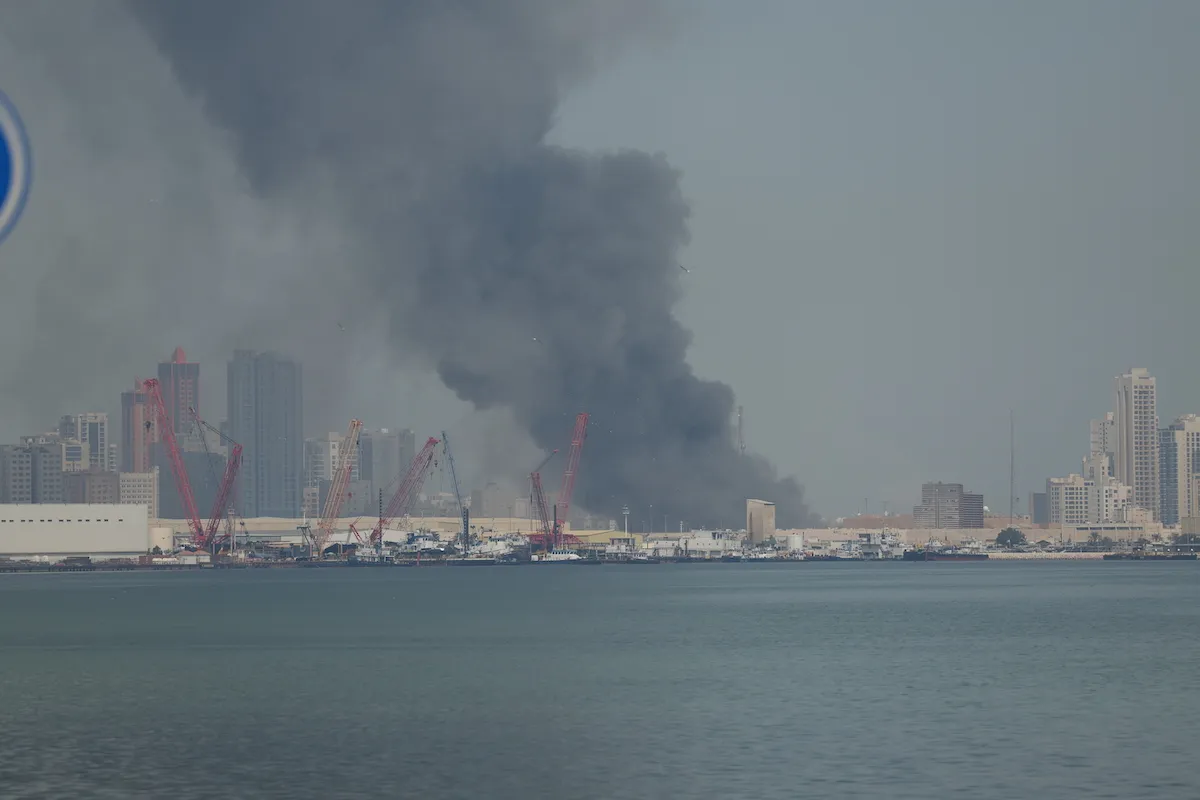
The implications of the Fujairah attack extend far beyond the Gulf. As one of the UAE’s key oil export hubs, Fujairah plays a critical role in global energy logistics. Any disruption to its operations sends immediate ripples through international markets.
Even prior to this latest escalation, attacks on energy infrastructure in the region had already contributed to volatility in oil prices. The new strike—targeting a petroleum industrial site and potentially affecting supply chains—has intensified concerns over a prolonged energy crisis.
The Strait of Hormuz itself remains a focal point of tension. Iran’s previous moves to control or restrict access to the waterway had already disrupted global shipping, with thousands of vessels reportedly affected. The latest hostilities threaten to deepen those disruptions, with potential consequences for economies worldwide.
Human cost and international fallout
Beyond geopolitics and economics, the human toll continues to mount. The three injured Indian nationals in Fujairah are part of a broader pattern of foreign workers and civilians caught in the crossfire of a rapidly escalating conflict.
India, which has a large expatriate population in the Gulf, is likely to monitor developments closely. The safety of its citizens abroad has become an increasingly urgent concern as the conflict spreads.
International reactions have been swift. The UAE has condemned the attack in the strongest terms, holding Iran fully responsible and warning of further consequences. Calls for restraint have emerged from multiple quarters, but the trajectory of events suggests that de-escalation may be difficult.
A region on the brink
What began as a localized confrontation has now evolved into a multi-front crisis involving regional powers and global stakeholders. The attack on Fujairah is a stark reminder of how quickly fragile truces can unravel—and how deeply interconnected modern conflicts have become.
From missile interceptions over Emirati skies to fires at oil installations and naval clashes in strategic waterways, the events of the past 24 hours signal a dangerous new phase in the Middle East crisis.
For now, emergency crews in Fujairah continue to battle the aftermath of the drone strike, while defence systems remain on high alert across the UAE. Diplomats scramble behind the scenes, but the ground reality points to escalating tensions rather than resolution.
As the smoke clears over the oil facilities of Fujairah, one question looms large: is this a temporary flare-up, or the beginning of a wider war that could reshape the region—and the global order—once again?
With inputs from agencies
Image Source: Multiple agencies
© Copyright 2026. All Rights Reserved. Powered by Vygr Media.