 By
By 
The United States has launched one of its most consequential military-economic moves in decades, formally initiating a naval blockade targeting Iran’s maritime lifelines, a decision that has sent shockwaves through global energy markets, diplomatic circles, and an already fragile Middle East conflict.
The blockade, enforced by the US Central Command (CENTCOM), came into effect on April 13 at 10 a.m. Eastern Time (1400 GMT), following the collapse of high-stakes negotiations between Washington and Tehran in Islamabad. The talks, which stretched over 21 hours, were aimed at ending a six-week war that has already killed thousands and destabilised global markets. They ended without agreement, leaving a tenuous ceasefire hanging by a thread.
A Blockade Redefined: Scope and Strategy
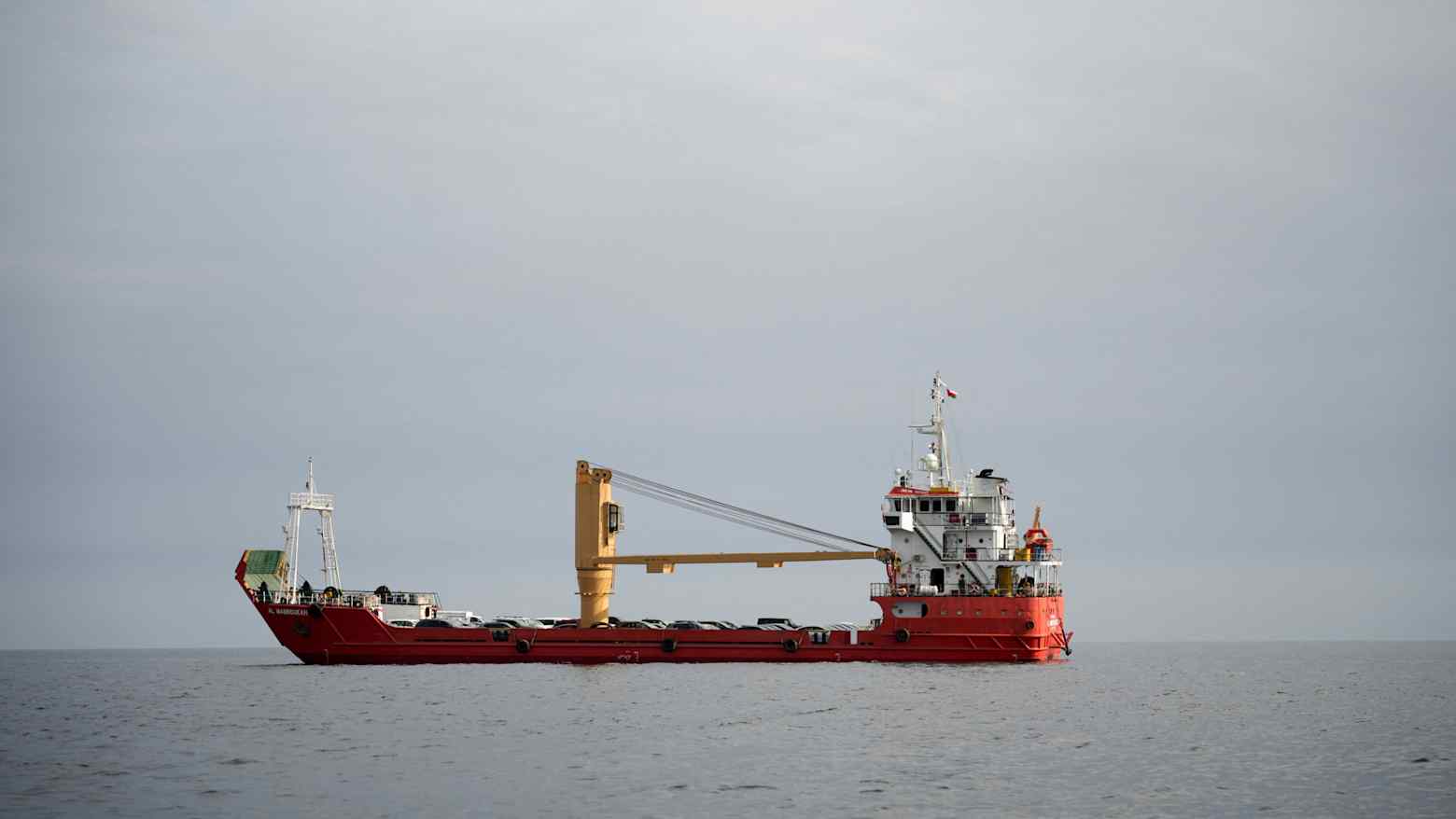
Despite initial rhetoric from US President Donald Trump suggesting a sweeping shutdown of the Strait of Hormuz, the actual scope of the blockade is more targeted—but no less significant. According to CENTCOM, the operation applies to all maritime traffic entering and exiting Iranian ports across both the Arabian Gulf and the Gulf of Oman.
Crucially, vessels travelling to and from non-Iranian ports are still permitted to pass through the Strait of Hormuz, a key clarification that narrows the blockade’s operational footprint while maintaining pressure on Tehran.
The blockade is being enforced “impartially against vessels of all nations,” meaning ships of any flag attempting to dock at Iranian ports will be subject to interception.
This calibrated approach marks a shift from Trump’s earlier, more aggressive stance, when he threatened to block all ships attempting to enter or exit the strait.
The Collapse of Diplomacy
At the heart of the escalation lies the breakdown of negotiations in Pakistan. The United States entered the talks with sweeping demands: a complete halt to Iran’s uranium enrichment, dismantling of nuclear facilities, cessation of support to proxy groups such as Hamas and Hezbollah, and full reopening of maritime routes.
Iran refused to concede on these core issues, accusing Washington of shifting its demands during negotiations.
US Vice President JD Vance underscored Washington’s position bluntly, saying the US needed “an affirmative commitment” that Iran would not pursue nuclear weapons or the means to rapidly acquire them.
The failure of talks effectively triggered the blockade order, which Trump framed as a response to what he called Iran’s “world extortion”—a reference to Tehran’s alleged attempt to impose tolls on ships transiting the Strait of Hormuz.
A Strategic Chokepoint Under Pressure
The Strait of Hormuz remains the epicentre of the crisis. Roughly 20% of the world’s oil supply flows through this narrow waterway, making it one of the most critical arteries of global trade.
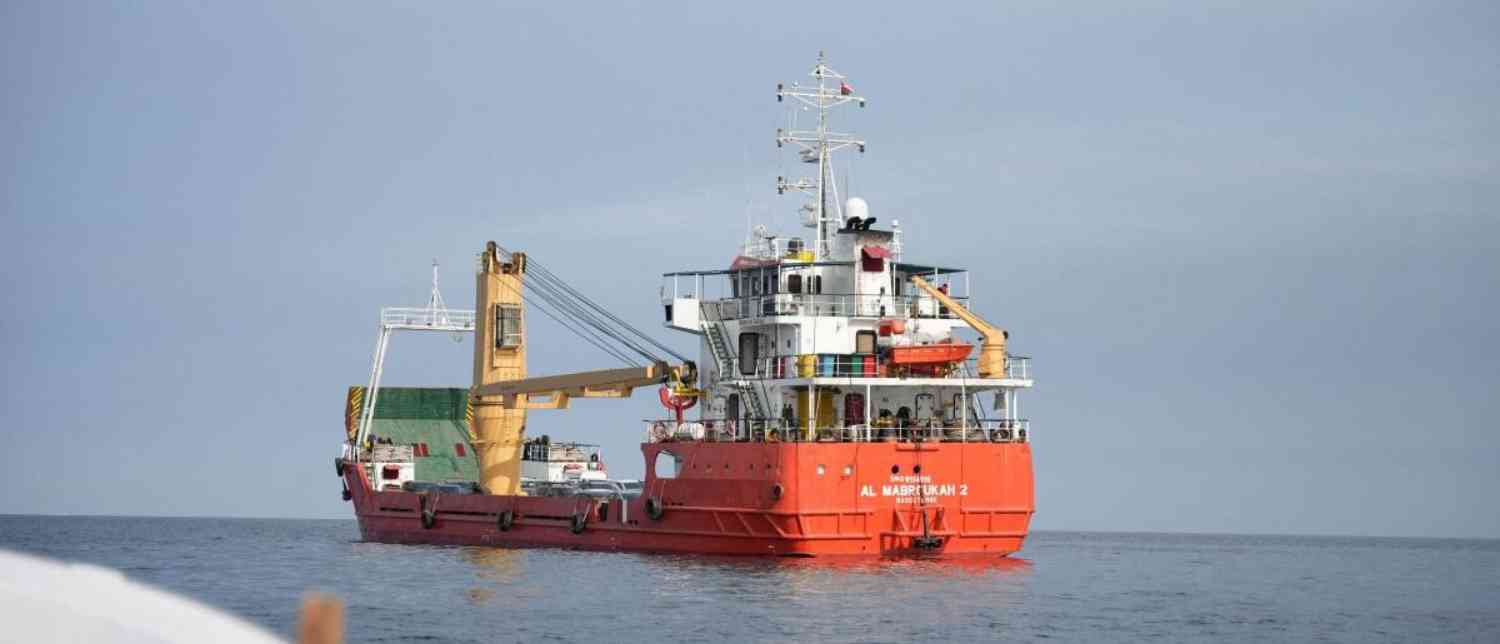
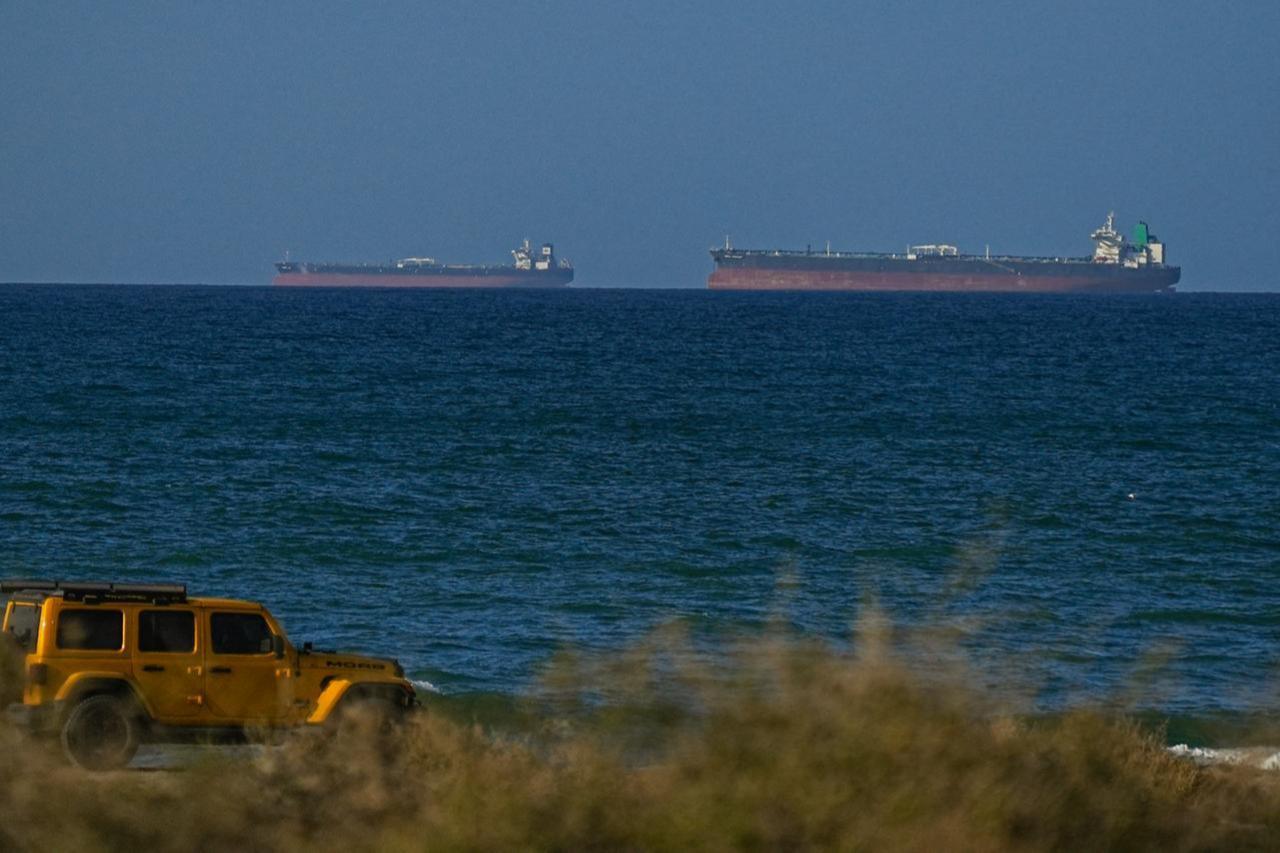
While the US has stopped short of a full closure, the blockade’s indirect effects are already being felt. Oil tankers have begun steering clear of the region, with several vessels reversing course or exiting the Gulf ahead of the enforcement deadline.
Shipping data shows a mix of cautious navigation and outright avoidance. Some tankers—including Pakistan-flagged and Liberia-flagged vessels—continued transit over the weekend, while others, such as a Malta-flagged supertanker, turned away entirely.
The uncertainty has driven oil prices sharply higher, with reports indicating a surge of more than 7% amid fears of supply disruption.
Iran’s Warning and the Ceasefire Risk
Tehran has responded with sharp warnings, declaring that any enforcement of the blockade could constitute a violation of the existing ceasefire. Iranian leaders have vowed to counter the move, raising the spectre of renewed military confrontation.
Iran’s Revolutionary Guards have also warned that any military approach to the strait would be treated as an act of aggression, further heightening tensions.
Despite the escalating rhetoric, Iranian President Masoud Pezeshkian has left the door open for diplomacy, stating that a “fair deal” remains possible—provided international norms are respected.
Global Fallout: Markets, Shipping, and China
The blockade’s implications extend far beyond the Gulf. By targeting Iranian ports rather than the entire strait, the US has sought to minimise disruption to global shipping—yet the ripple effects are unavoidable.
China, heavily reliant on Iranian oil imports, is expected to be among the most affected nations. The selective nature of the blockade may still constrain supply chains, complicating energy security for major importers.
Financial markets have already reacted with volatility, reflecting investor anxiety over a prolonged disruption in one of the world’s most critical energy corridors.
Meanwhile, commercial shipping firms have largely remained silent, even as maritime advisories urge vessels to monitor communications and coordinate with US naval forces operating in the region.
Military Posturing and International Response
The US has paired its blockade with explicit military warnings. Trump has pledged to intercept vessels that pay tolls to Iran and to destroy Iranian sea mines in the strait.
At the same time, Washington has signalled that it is prepared to escalate if US forces are attacked, reinforcing the blockade with a credible threat of force.
Allies are treading carefully. The United Kingdom is reportedly working to assemble a multinational coalition to ensure safe passage through the strait, though it has declined to participate directly in the blockade.
Australia has also stepped into the diplomatic arena. Prime Minister Anthony Albanese has called for a reopening of the strait and a return to negotiations, even as the country prepares contingency plans to secure fuel supplies. Australian defence officials have indicated that naval forces are “ready and capable” should assistance be requested.
A War Entering a Dangerous Phase
The blockade comes as the broader conflict—linked to US-Iran tensions and regional flashpoints involving Israel and Hezbollah—enters its seventh week.
What began as a regional confrontation has now evolved into a high-stakes geopolitical standoff with global economic consequences.
The US decision to impose a targeted maritime blockade represents a calculated escalation: one that exerts maximum pressure on Iran while attempting to avoid a full shutdown of global oil flows.
Yet the risks remain profound. Any miscalculation—whether a naval confrontation, a misinterpreted manoeuvre, or an attack on commercial shipping—could rapidly spiral into a broader conflict.
The Road Ahead
For now, the Strait of Hormuz remains open—at least partially. But the balance is precarious.
The blockade has tightened the screws on Iran without closing the door to diplomacy entirely. Whether it forces Tehran back to the negotiating table or triggers a more dangerous escalation remains uncertain.
What is clear, however, is that the world is watching one of its most vital maritime corridors transform into a geopolitical flashpoint—where every tanker movement, every naval patrol, and every diplomatic signal carries the weight of a potential global crisis.
With inputs from agencies
Image Source: Multiple agencies
© Copyright 2025. All Rights Reserved. Powered by Vygr Media.