 By
By 
A sacred pilgrimage has once again become the center of a sensitive geopolitical dispute. India’s decision to resume the Kailash Mansarovar Yatra through the Lipulekh Pass has triggered a sharp reaction from Nepal, reopening a long-simmering territorial disagreement that carries both historical weight and present-day diplomatic consequences.
At first glance, the issue revolves around a religious journey. But beneath it lies a complex intersection of sovereignty claims, strategic geography, and regional diplomacy involving not just India and Nepal, but also China.
The Trigger: Resumption of a Sacred Journey
The immediate cause of the latest friction is India’s move to restart the Kailash Mansarovar Yatra via Lipulekh after several years of suspension. The pilgrimage had been halted due to the COVID-19 pandemic and broader logistical constraints, including India-China border tensions.
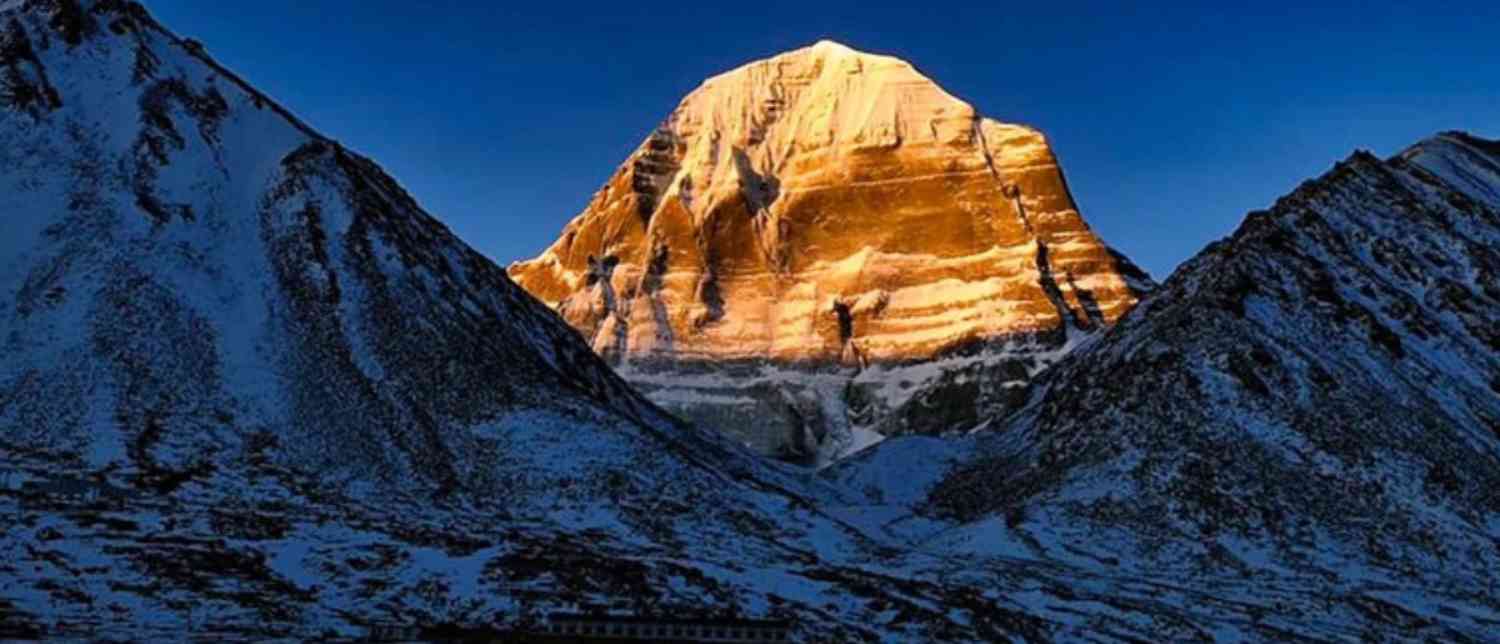
The yatra, which takes devotees to Mount Kailash and Mansarovar Lake in Tibet, holds profound religious importance for Hindus, Buddhists, Jains, and Bon followers. For decades, one of the primary routes for Indian pilgrims has been through Lipulekh Pass in Uttarakhand.
With the resumption now underway in coordination with China, India has positioned the move as a return to normalcy. However, Nepal has viewed it through a very different lens.
Nepal’s Objection: Sovereignty at the Core
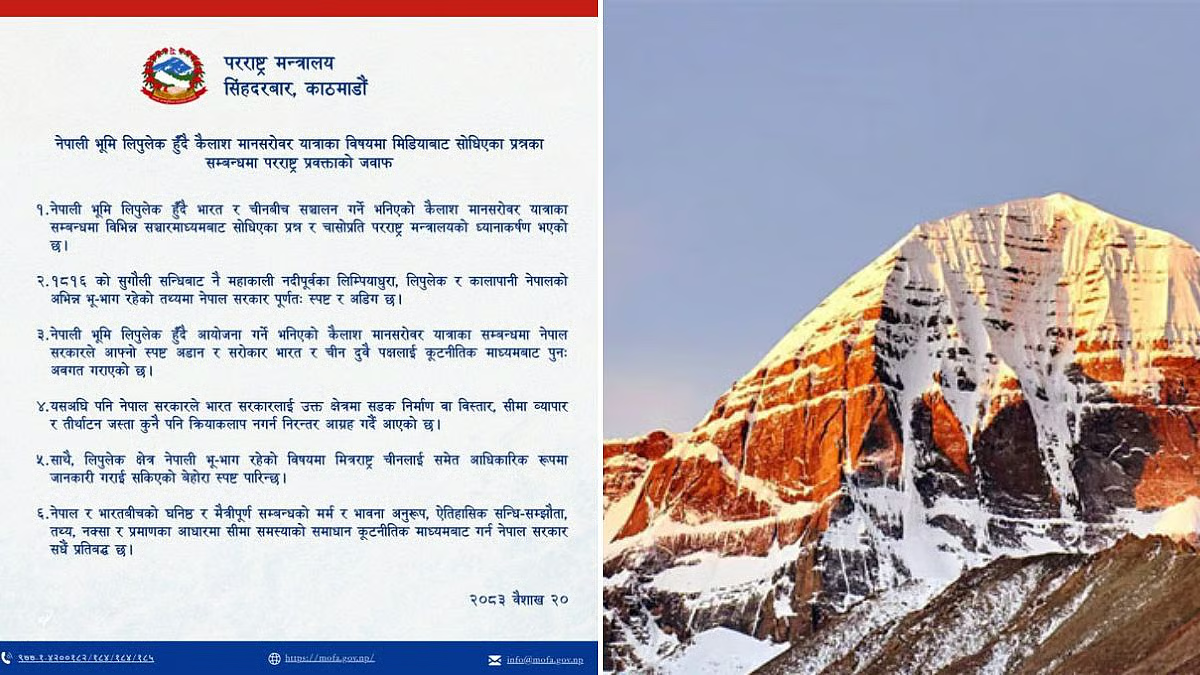
Kathmandu swiftly objected to the use of Lipulekh Pass, asserting that the area falls within Nepal’s sovereign territory. The Nepali government formally conveyed its concerns to India, stating that any activity in the disputed region without its consent is unacceptable.
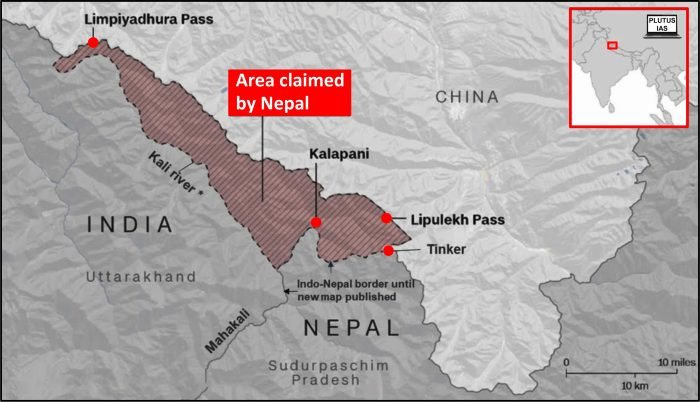
This position is rooted in Nepal’s revised political map released in 2020, which includes Lipulekh, Kalapani, and Limpiyadhura within its borders. That map was backed by a constitutional amendment, giving it legal and political significance domestically.
Nepal’s objection is therefore not limited to the pilgrimage route itself. It reflects a broader concern about what it sees as unilateral actions by India in a disputed region. Officials in Kathmandu have emphasized that such steps undermine Nepal’s territorial integrity and called for dialogue to resolve the boundary issue.

India’s Rebuttal: “Unjustified and Not Based on Facts”
India has firmly rejected Nepal’s objections, describing them as “unjustified” and “not based on facts.” New Delhi has maintained that the Lipulekh Pass lies within Indian territory and has historically been used for the Kailash Mansarovar Yatra without dispute in operational terms.
Indian officials have stressed that there is nothing new about the route itself. According to the government, the current development is simply the resumption of an established pilgrimage corridor that had been temporarily suspended.
India also underscored that all logistical arrangements for the yatra are made in coordination with China, as the pilgrimage proceeds into Tibetan territory after crossing Lipulekh.
Historical Context: A Dispute That Never Fully Settled
The disagreement over Lipulekh is not new. It is part of a broader territorial dispute involving Kalapani and Limpiyadhura—areas that have been contested for decades.
India bases its claim on historical treaties, administrative control, and consistent usage of the region. It also points to infrastructure development, including the construction of a strategic road linking Dharchula to Lipulekh, which was inaugurated in 2020.
Nepal, on the other hand, argues that historical evidence supports its claim to the territory. The 2020 map revision marked a turning point, transforming what had been a relatively subdued issue into a prominent national concern.
India rejected the revised map at the time, calling it an “artificial enlargement” of Nepal’s territorial claims. Since then, the dispute has remained unresolved, with both sides holding firm positions.
The Strategic Dimension of Lipulekh Pass
Beyond its religious significance, Lipulekh Pass holds considerable strategic value. Located near the India-Nepal-China tri-junction, it serves as an important point for trade, connectivity, and military logistics.
For India, maintaining access to Lipulekh is not just about facilitating a pilgrimage. It is also tied to broader strategic considerations, particularly in the context of its relationship with China.
The road infrastructure developed in the region enhances both civilian and military mobility, making the area even more critical from a security standpoint.
Nepal’s concerns, meanwhile, are amplified by its geographic position between two major powers. Any development in disputed border areas carries implications that go beyond bilateral relations.
China’s Role: A Quiet but Crucial Player
China’s involvement in the issue is largely logistical, as the Kailash Mansarovar Yatra takes place within its territory once pilgrims cross into Tibet. The resumption of the yatra has been coordinated between India and China, reflecting a degree of cooperation despite their own border tensions.
However, Nepal has taken note of this coordination. Some observers in Kathmandu view the India-China arrangement as sidelining Nepal’s interests, given its claim over the Lipulekh region.
China has not publicly commented on Nepal’s objection, but its role adds a third dimension to what might otherwise be a bilateral dispute.
Diplomatic Tone: Firm but Measured
Despite the disagreement, both India and Nepal have so far avoided escalating the issue into a full-blown diplomatic confrontation.
Nepal has raised its concerns through formal channels, emphasizing dialogue and negotiation. India, while rejecting the objection, has kept its response focused on factual and historical arguments rather than rhetoric.
This measured approach reflects the broader relationship between the two countries, which is characterized by deep cultural ties, open borders, and economic interdependence.
Impact on the Pilgrimage
For pilgrims, the controversy is unlikely to disrupt immediate plans. India has indicated that preparations for the Kailash Mansarovar Yatra are proceeding as scheduled, with necessary safety and logistical arrangements in place.
After several years of suspension, the resumption of the yatra has generated significant interest among devotees. The Lipulekh route, known for its relative accessibility compared to other paths, remains a preferred option.
A Test for India-Nepal Relations
The latest row underscores the fragility of India-Nepal relations when it comes to boundary issues. While the two countries share close ties, disputes like Lipulekh reveal underlying tensions that can resurface unexpectedly.
Efforts to resolve the boundary dispute through diplomatic dialogue have seen limited progress. Both sides have agreed in principle to hold talks at the foreign secretary level, but substantive engagement has been sporadic.
The current disagreement could either add urgency to these discussions or further entrench existing positions.
The Road Ahead
As it stands, the Lipulekh Pass remains both a gateway to a sacred journey and a symbol of unresolved geopolitical tensions.
India’s position is clear: the yatra route is established, legitimate, and within its territory. Nepal’s stance is equally firm: the area is disputed, and any unilateral action is unacceptable.
Whether this latest episode leads to renewed dialogue or prolonged stalemate will depend on the willingness of both sides to engage constructively.
For now, the mountains of Lipulekh carry more than pilgrims. They bear the weight of history, sovereignty, and the delicate balance of diplomacy in South Asia.
With inputs from agencies
Image Source: Multiple agencies
© Copyright 2026. All Rights Reserved. Powered by Vygr Media.