 By
By 
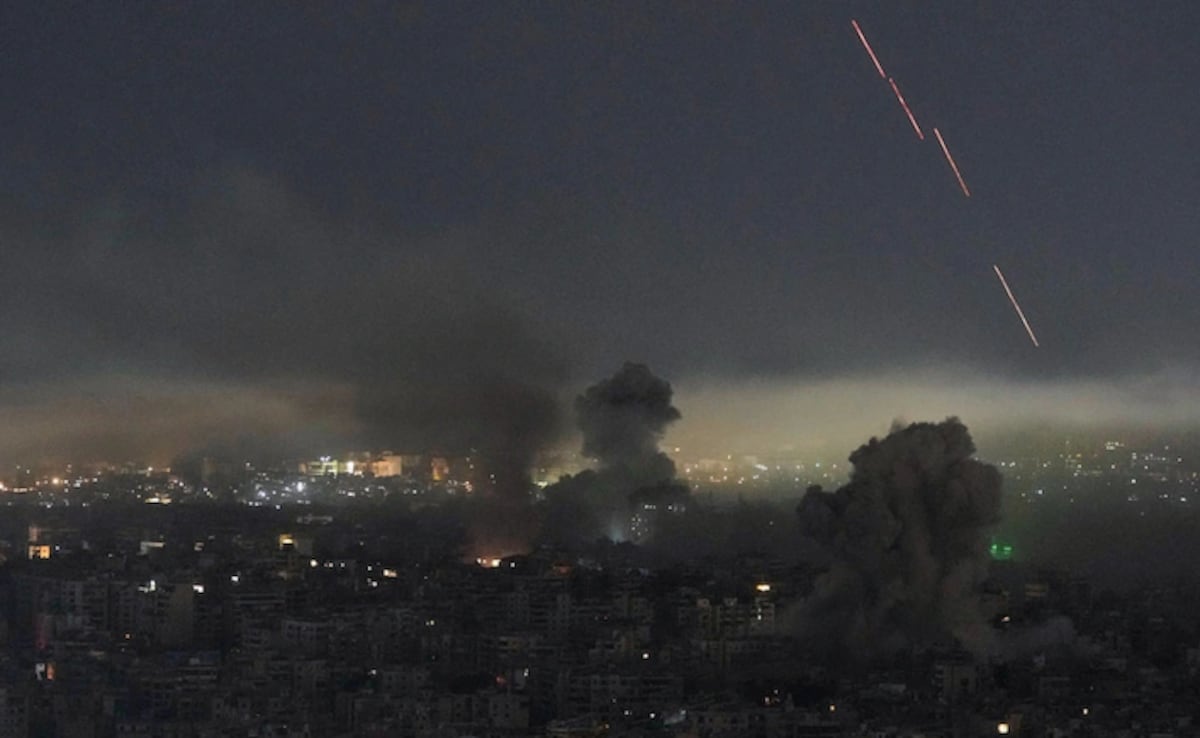
In a dramatic escalation of the ongoing West Asia conflict, a series of powerful explosions ripped through Iran’s historic city of Isfahan early Tuesday, following coordinated strikes by the United States and Israel. The attacks, reportedly involving heavy “bunker-buster” munitions, have reignited global concerns over Iran’s nuclear infrastructure, regional stability, and the possibility of a prolonged war.
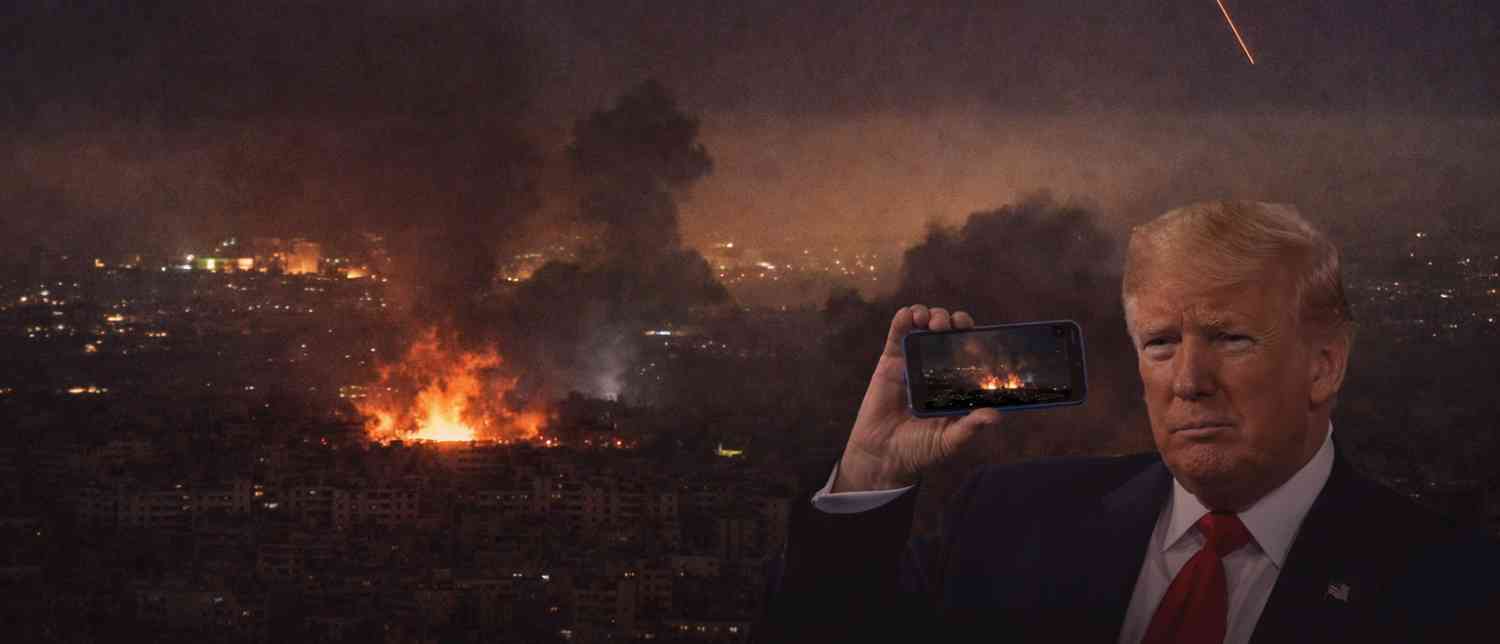
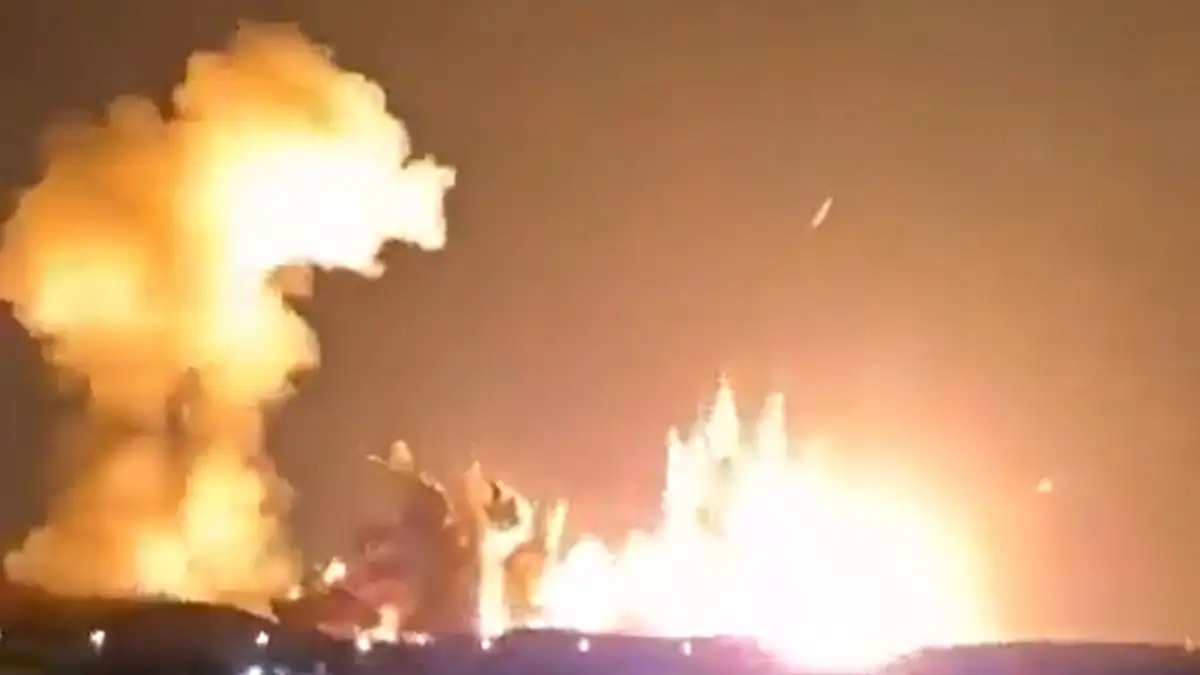
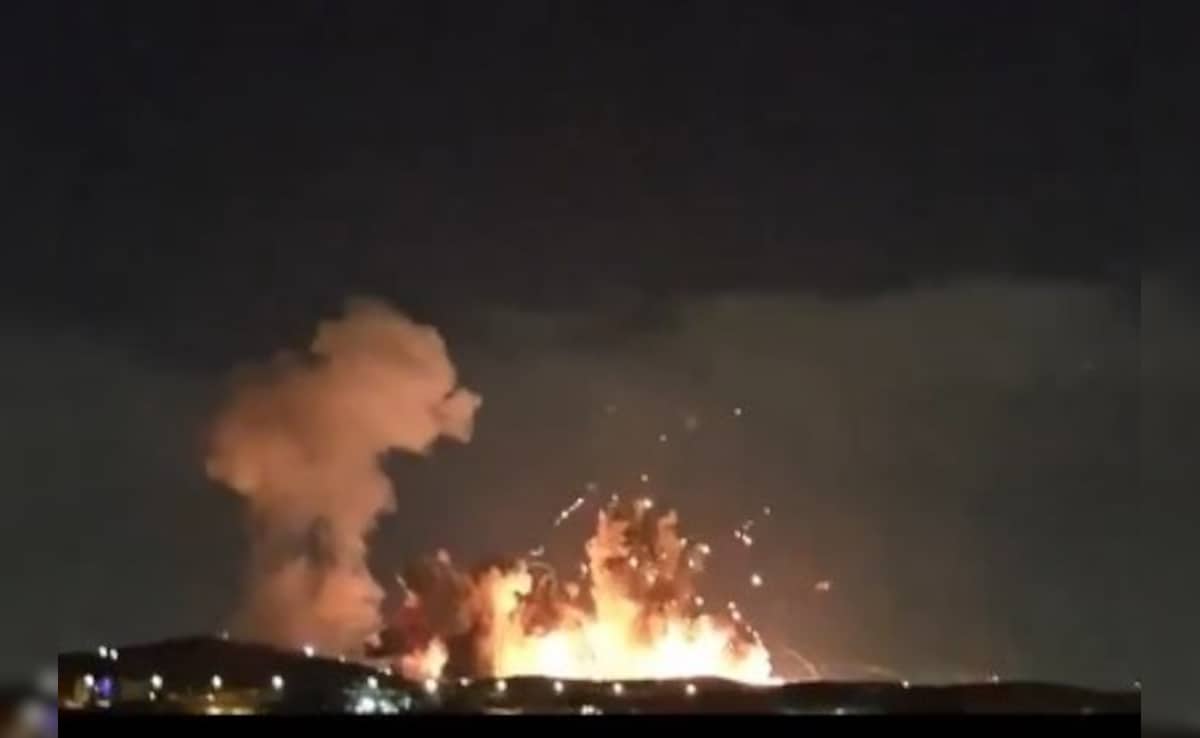
At the center of the unfolding narrative is former U.S. President Donald Trump, who amplified the moment by sharing a video of the strikes on his social media platform. The footage—widely circulated—captured massive fireballs, shockwaves, and a skyline lit in fiery orange, suggesting the scale and intensity of the operation.
Explosions Over Isfahan
According to multiple reports, the strikes targeted a major ammunition depot in Isfahan, one of Iran’s most strategically significant cities. The blasts occurred in the early hours of Tuesday, with visuals showing sequential detonations and what appeared to be secondary explosions—likely triggered by stored munitions igniting after the initial impact.
The United States is believed to have deployed 2,000-pound (approximately 900 kg) bunker-buster bombs in the assault—precision-guided weapons designed specifically to penetrate hardened underground facilities before detonating. These bombs are engineered to destroy deeply buried targets such as military bunkers, missile silos, and subterranean command centers.
The scale of the attack underscores the strategic importance of Isfahan, which houses critical elements of Iran’s military-industrial complex, including ammunition storage, missile production infrastructure, and facilities linked—directly or indirectly—to its nuclear programme.
Why Isfahan Matters
Isfahan is not just another urban center—it is widely believed to be a hub for Iran’s enriched uranium stockpile and a key node in its broader nuclear architecture. Reports indicate that a significant portion of Iran’s uranium, enriched up to 60%, may be stored in or around the region.
This has made the city a recurring target in the ongoing conflict. Analysts suggest that the latest strike may have been aimed not only at degrading Iran’s immediate military capabilities but also at disrupting its nuclear supply chain.
The use of bunker-buster bombs is particularly telling. These weapons are typically reserved for targets that lie deep beneath layers of reinforced concrete and earth—suggesting that the intended targets were likely underground facilities or storage sites shielded from conventional airstrikes.
Trump’s Messaging and Strategic Signals
Trump’s decision to share the video of the explosions has added a political dimension to the military action. While he did not provide detailed context alongside the footage, the implication was clear: the strikes were both deliberate and impactful.
This is consistent with his broader messaging in recent days. Reports indicate that Trump has expressed willingness to bring the war to an end—even if key strategic issues, such as the reopening of the Strait of Hormuz, remain unresolved. The Strait, a vital artery for global oil shipments, has been at the center of escalating tensions, with disruptions threatening energy markets worldwide.
At the same time, the continued strikes suggest a dual-track approach: signaling openness to de-escalation while maintaining military pressure on Iran.
Anatomy of a ‘Bunker Buster’
The weapon at the heart of the Isfahan strikes—the bunker-buster bomb—is a specialized piece of military technology. Unlike conventional bombs that explode on impact, bunker busters are built with hardened casings that allow them to drill deep into the ground before detonating.
Their destructive power lies not just in their explosive payload but in their ability to reach targets that are otherwise inaccessible. Once inside a fortified structure, the delayed explosion can collapse entire underground complexes, making them particularly effective against hidden facilities.
In conflicts like the current one, where Iran has invested heavily in underground tunnel networks and fortified installations, such weapons are often seen as the only viable option for achieving meaningful damage.
A Pattern of Escalation
The Isfahan strikes are not an isolated incident but part of a broader military campaign that has intensified over recent weeks. The United States and Israel have increasingly coordinated their operations, targeting Iran’s strategic assets with precision strikes.
The deployment of advanced munitions, including bunker busters and potentially stealth bombers, points to a deliberate effort to dismantle Iran’s defensive and offensive capabilities. Reports also suggest that thousands of targets have been hit over the course of the conflict, indicating the scale of the campaign.
For Iran, which has long relied on underground facilities to shield its critical infrastructure, the effectiveness of these strikes raises serious questions about the resilience of its defenses.
Nuclear Questions Resurface
One of the most pressing concerns emerging from the Isfahan attack is its potential impact on Iran’s nuclear programme. While the exact extent of the damage remains unclear, the targeting of a city linked to uranium storage has fueled speculation about whether enriched material may have been affected.
Earlier assessments of U.S. strikes on Iranian nuclear sites have been mixed. While Trump has repeatedly claimed that key facilities were “completely destroyed,” some intelligence reports have suggested that the damage may have only set back Iran’s programme by a matter of months.
This ambiguity adds another layer of complexity to the current situation. If the Isfahan strike has indeed impacted uranium stockpiles or enrichment capabilities, it could mark a significant turning point. If not, it may simply reinforce the limits of even the most advanced military technologies against deeply buried infrastructure.
Regional and Global Fallout
Beyond the immediate battlefield, the implications of the Isfahan strikes are being felt across the region and beyond. The conflict has already disrupted maritime security in the Gulf, with concerns mounting over the safety of shipping routes and the stability of global energy supplies.
Allies of the United States have largely backed the campaign, while critics warn that continued escalation could draw in additional actors and trigger a wider regional war.
There are also growing fears about civilian impact, although detailed casualty figures from the latest strikes have not yet been confirmed.
The Road Ahead
As smoke continues to rise over Isfahan, the trajectory of the conflict remains uncertain. Trump’s signals about a possible end to the war suggest that diplomatic options may still be on the table. However, the continued use of heavy munitions and the targeting of critical infrastructure indicate that military objectives are far from complete.
For now, the images from Isfahan—blazing skies, rolling fireballs, and the unmistakable signature of bunker-buster strikes—stand as a stark reminder of how quickly tensions in the region have escalated, and how much is at stake in the days ahead.
With inputs from agencies
Image Source: Multiple agencies
© Copyright 2025. All Rights Reserved. Powered by Vygr Media.